
Planning a trip to the famed shores of Daytona Beach, Florida, often begins with a crucial question: What will the weather be like? As one of the most iconic travel destinations in the United States, Daytona Beach offers a vibrant tapestry of attractions, from thrilling motorsports to pristine beaches. However, understanding its unique subtropical climate is paramount to curating the perfect experience, whether you’re seeking a sun-soaked escape, an adventurous outing, or a serene retreat. This comprehensive guide delves into the climate of Daytona Beach, offering insights into seasonal variations, how the weather influences local tourism and lifestyle, and essential tips for planning your visit to this dynamic coastal city.
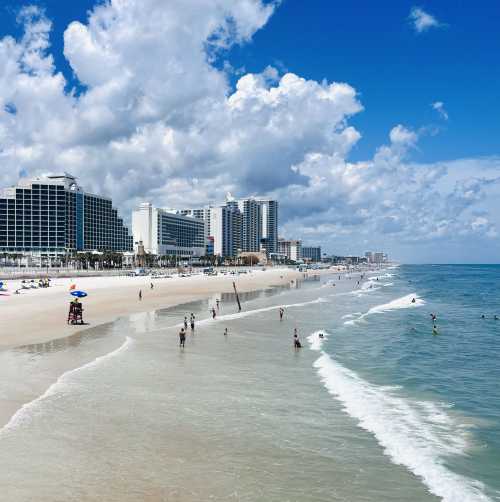
Understanding Daytona Beach’s Climate: A Sun-Soaked Paradise
Daytona Beach boasts a humid subtropical climate, characterized by hot, humid summers and mild, relatively dry winters. This enviable weather pattern is a primary draw for millions of visitors annually, offering ample sunshine and pleasant temperatures for much of the year. The city’s proximity to the Atlantic Ocean plays a significant role in moderating temperatures, providing refreshing sea breezes, especially during the warmer months.
The Subtropical Allure: Warmth and Humidity
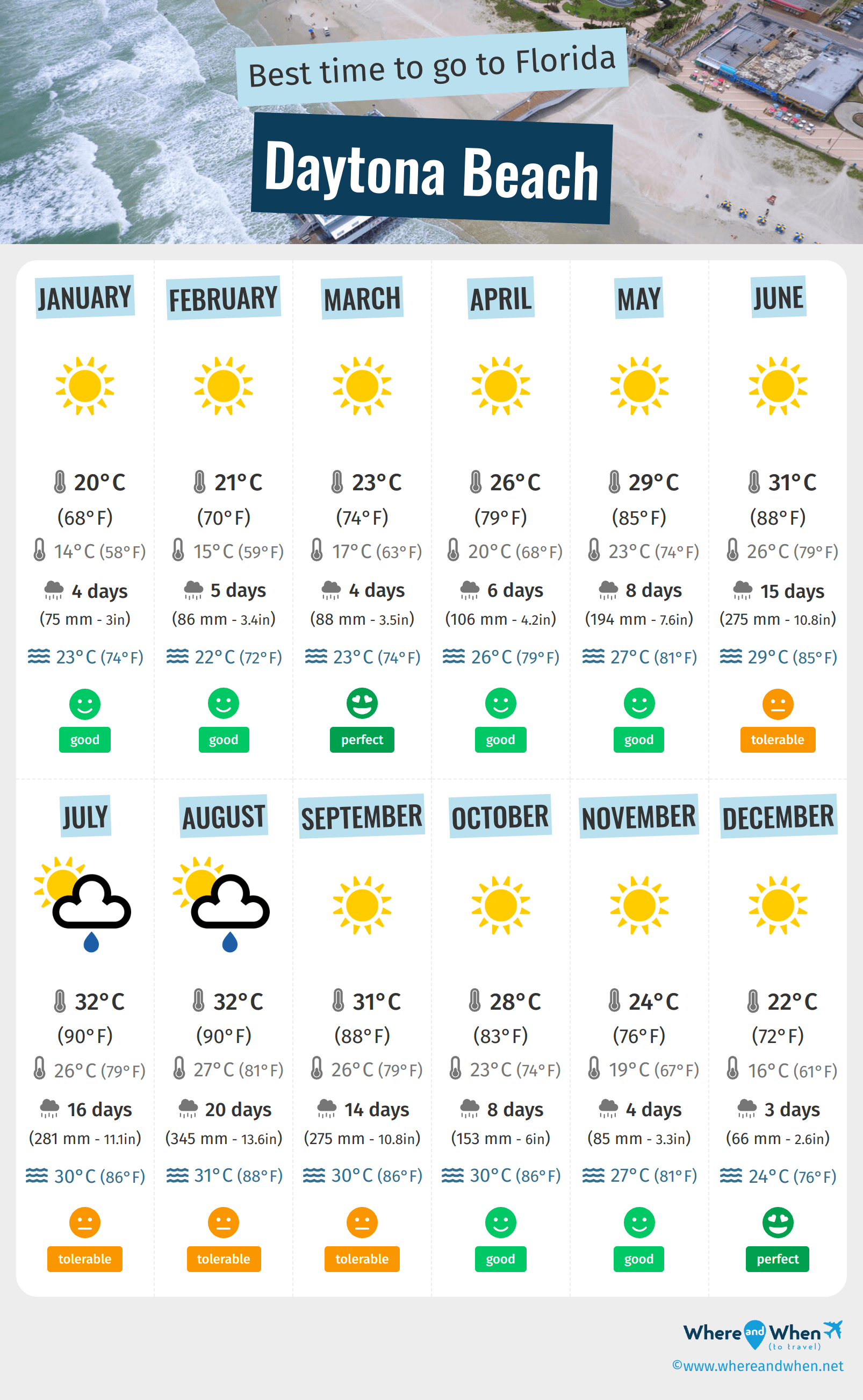
The defining features of Daytona Beach’s climate are its consistent warmth and varying levels of humidity. From late spring through early autumn, temperatures frequently climb into the high 80s and low 90s Fahrenheit (around 30-35°C), accompanied by high humidity. This creates a distinctly tropical feel, perfect for beach days, swimming, and watersports. Even during these hotter periods, coastal breezes can offer a degree of comfort. Conversely, winters are remarkably mild, with average daytime temperatures hovering in the 60s and 70s Fahrenheit (15-25°C), and rarely dipping below freezing. This makes Daytona Beach a popular haven for snowbirds and those escaping colder northern climates.
Hurricane Season: What You Need to Know
A crucial aspect of Florida’s climate, and therefore Daytona Beach’s, is hurricane season, which officially runs from June 1st to November 30th, with peak activity typically occurring from August through October. While direct hits are relatively infrequent, the potential for tropical storms and hurricanes exists. These events can bring heavy rainfall, strong winds, and rough surf, leading to disruptions in travel plans and closure of certain attractions. Modern forecasting technology provides ample warning, allowing visitors and residents to prepare or adjust their itineraries. It’s always advisable for travelers during these months to monitor weather advisories from reputable sources and consider travel insurance, especially if their trip coincides with the peak of the season. Despite this, many visitors enjoy Daytona Beach during these months, taking advantage of the warm ocean temperatures and typically sunny days outside of storm events.
Seasonal Guide to Daytona Beach Weather and Activities
Understanding the distinct characteristics of each season in Daytona Beach is key to planning an unforgettable trip that aligns with your preferred activities and comfort levels.
Winter Wonderland (December – February): Mild & Pleasant
Weather: Winter in Daytona Beach is a glorious escape from colder climates. Temperatures average from the low 50s to high 60s Fahrenheit (10-20°C), with many days reaching into the comfortable 70s (20-25°C). Humidity is low, and rainfall is minimal, making for clear, crisp days. Nights can be cool, sometimes dropping into the 40s (4-9°C), especially in January.
Activities & Lifestyle: This is prime time for outdoor activities that don’t involve intense heat. Golfing, tennis, cycling, and long walks along the beach are incredibly popular. It’s also an excellent season for exploring local landmarks like the Ponce de Leon Inlet Lighthouse & Museum or enjoying events at the Daytona International Speedway without the summer crowds. The milder weather also lends itself perfectly to leisurely strolls on the Daytona Beach Boardwalk or visiting the Jackie Robinson Ballpark for a taste of local history. Many resorts and hotels offer heated pools, ensuring swimming is still an option.
Spring Break Bliss (March – May): Warm & Lively
Weather: Spring sees a gradual warm-up, transforming the mild winter into truly pleasant and sunny conditions. March brings average temperatures in the 70s (20-25°C), escalating to the high 70s and low 80s (25-29°C) by May. Humidity remains relatively manageable compared to summer. Rainfall increases slightly towards May as the weather pattern transitions.
Activities & Lifestyle: Spring is synonymous with vitality in Daytona Beach. The warm, inviting ocean temperatures make beach activities like swimming, surfing, and sunbathing incredibly popular. It’s also the peak of Spring Break season, drawing students and families alike. Outdoor festivals, live music, and dining al fresco are common. Events like Bike Week in March bring a unique energy to the city, making it an exciting time for travelers seeking a lively atmosphere and vibrant cultural experiences.
Summer Sizzle (June – August): Hot, Humid & Stormy
Weather: Summer in Daytona Beach is characterized by heat and high humidity. Daily highs consistently reach the high 80s and low 90s Fahrenheit (30-35°C), often feeling warmer due to the humidity. This season is also known for its frequent, albeit typically brief, afternoon thunderstorms. These storms can be intense but usually clear quickly, leaving behind cooler, refreshed air.

Activities & Lifestyle: Despite the heat, summer is a bustling time for tourism, especially for families. The warm ocean and refreshing pools are highly appealing. Watersports thrive, from jet-skiing and paddleboarding to deep-sea fishing. When the afternoon showers roll in, indoor attractions provide excellent alternatives, such as the Angell & Phelps Chocolate Factory tour, the Museum of Arts & Sciences, or the Marine Science Center. Water parks like Daytona Lagoon are also popular for beating the heat. Choosing accommodation with excellent air conditioning is crucial during these months.
Autumn Adventures (September – November): Pleasant & Serene
Weather: Autumn offers a gradual transition from summer’s intensity back to milder conditions. September still feels much like summer, with high humidity and temperatures in the 80s (27-32°C). As October and November progress, temperatures drop into the 70s (20-25°C), and humidity significantly decreases, creating wonderfully pleasant and comfortable days. While still within hurricane season, the threat typically diminishes towards November.
Activities & Lifestyle: Many consider autumn to be one of the best times to visit Daytona Beach. The crowds thin out, but the weather remains fantastic for almost any outdoor activity. It’s ideal for exploring the Sugar Mill Botanical Gardens, enjoying serene walks at Lighthouse Point Park, or simply relaxing on the less crowded beaches of Ormond Beach and Ponce Inlet. Fishing and boating conditions are often superb, and various local festivals celebrating art, food, and music begin to emerge, offering a taste of local culture without the intense summer heat.
Planning Your Perfect Daytona Beach Getaway: Weather-Wise Tips
Effective trip planning involves considering the weather’s impact on every aspect of your visit, from where you stay to what you pack.
Choosing the Right Accommodation for Any Forecast
When selecting accommodation in Daytona Beach, the weather should be a key factor. During the hot summer months, prioritize hotels, resorts, apartments, or villas with robust air conditioning, cool common areas, and perhaps shaded pool decks or indoor amenities for respite from the sun. Many suites and resorts offer balconies for enjoying evening breezes. In winter, while heated pools are a luxury, they can significantly enhance your experience. Regardless of the season, consider properties with flexible booking options in case of unexpected weather events, especially during hurricane season. Proximity to indoor attractions can be a bonus if a rainy day strikes.
Embracing Indoor and Outdoor Attractions
Daytona Beach’s diverse range of attractions ensures there’s always something to do, regardless of the forecast. On sunny days, the city’s 23 miles of pristine beaches are undoubtedly the main draw. Enjoy swimming, sunbathing, surfing, or even driving your car directly onto designated stretches of the beach. Outdoor enthusiasts can explore the natural beauty of the area’s parks and waterways, perfect for kayaking, paddleboarding, or fishing charters.
For days when the weather isn’t cooperating – perhaps a summer thunderstorm or a cooler winter afternoon – Daytona Beach offers a wealth of indoor activities. Delve into the rich history of motorsports at the Daytona International Speedway with a stadium tour, or immerse yourself in art and history at the Museum of Arts & Sciences. The Marine Science Center provides an engaging educational experience for all ages, while the Angell & Phelps Chocolate Factory offers sweet diversions. This flexibility allows visitors to truly make the most of their tourism experience, rain or shine.
Essential Packing for Every Season
Your packing list for Daytona Beach will vary significantly by season.
- Summer (June-August): Pack light, breathable clothing made from natural fibers. Swimsuits are essential, as are wide-brimmed hats, sunglasses, and high-SPF sunscreen. Don’t forget a light rain jacket or umbrella for those afternoon showers, and comfortable sandals or water shoes. Staying hydrated is key, so bring a reusable water bottle.
- Winter (December-February): While mild, evenings can be cool. Pack layers, including light sweaters, long-sleeved shirts, and a medium-weight jacket. You’ll still want your swimsuit for heated pools and sunny beach days, along with comfortable walking shoes for exploring.
- Spring (March-May) & Autumn (September-November): These shoulder seasons offer a mix. Light clothing, swimsuits, and sun protection are necessary, but also include a light jacket or cardigan for cooler evenings, especially in early spring and late autumn. Again, comfortable walking shoes are a must for exploring the vibrant destinations and landmarks.
No matter the time of year, always check the local forecast a few days before your departure, as Florida weather can be dynamic.
Beyond the Forecast: Lifestyle and Experiences in Daytona Beach
The weather in Daytona Beach isn’t just a factor in packing; it shapes the very lifestyle and experiences available. The abundance of sunshine and warm temperatures fosters an outdoor-centric culture, where days are spent on the beach, by the pool, or engaging in various watersports. The evening sea breeze provides a perfect backdrop for waterfront dining and leisurely strolls.
The city’s calendar of events, including the iconic Daytona 500 and Bike Week, are strategically placed to take advantage of the most agreeable weather, drawing massive crowds eager to participate in these unique travel experiences. Even during the hotter months, locals and seasoned travelers have mastered the art of enjoying the warmth – seeking shade, taking refreshing dips, and embracing the lively atmosphere that comes with peak season.
Ultimately, Daytona Beach offers a diverse climate that supports a wide array of tourism options throughout the year. Whether you’re chasing the sun, seeking thrilling adventures, or simply unwinding by the Atlantic Ocean, a little foresight into the weather patterns will ensure your visit is as seamless and enjoyable as possible. So, pack smart, plan accordingly, and prepare to immerse yourself in the unique charm and endless attractions of this captivating Florida gem.
LifeOutOfTheBox is a participant in the Amazon Services LLC Associates Program, an affiliate advertising program designed to provide a means for sites to earn advertising fees by advertising and linking to Amazon.com. Amazon, the Amazon logo, AmazonSupply, and the AmazonSupply logo are trademarks of Amazon.com, Inc. or its affiliates. As an Amazon Associate we earn affiliate commissions from qualifying purchases.