
The question “How many colleges are in Boston, MA?” is more than just a search for a numerical answer; it’s an inquiry into the very soul of a city renowned globally as an academic powerhouse. Boston, the capital of Massachusetts and the largest city in New England, isn’t just a city with colleges; it is a city defined by its colleges. From its historic cobblestone streets to its cutting-edge research laboratories, the heartbeat of Boston pulses with the energy of countless students, scholars, and innovators.
This concentration of higher education institutions creates a vibrant, intellectual, and dynamic atmosphere that permeates every aspect of city life – from its diverse culinary scene and cultural attractions to its job market and urban planning. Whether you’re a prospective student, a visiting family member, an academic conference attendee, or simply a curious traveler, understanding the sheer volume and diversity of educational institutions here offers a unique lens through which to experience this remarkable city. The answer to “how many” is impressively high, making Boston a truly unique destination for education and exploration alike.

Boston: America’s Collegiate Capital
Boston holds an unrivaled position as one of the world’s foremost centers for higher education. The density of universities and colleges within its city limits and the immediately surrounding Greater Boston area is staggering, contributing significantly to its vibrant culture, innovative economy, and global reputation. This academic prowess isn’t a recent phenomenon; it’s deeply rooted in the city’s history, tracing back to the founding of Harvard University in 1636, making it the oldest institution of higher learning in the United States. This historical commitment to education laid the groundwork for the academic ecosystem that thrives today.
The presence of so many educational institutions impacts every facet of Boston. It attracts a diverse, youthful population from all corners of the globe, fostering an environment rich in intellectual curiosity, cultural exchange, and progressive thought. The academic calendar dictates much of the city’s rhythm, from the bustling move-in weekends each fall to the celebratory commencement ceremonies each spring. This constant influx of new ideas and talent ensures Boston remains at the forefront of innovation, research, and cultural development, making it an endlessly fascinating destination for tourists and residents alike.
A Staggering Number of Institutions
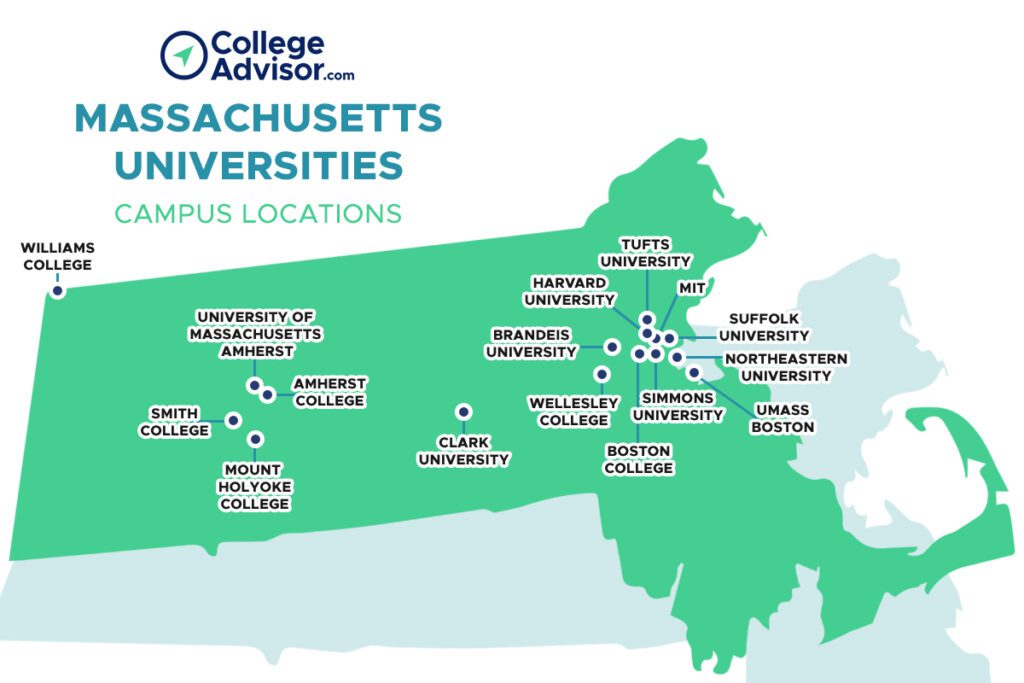
Pinpointing an exact number of colleges and universities in Boston and its immediate vicinity can be tricky, as definitions can vary, and institutions are constantly evolving. However, a conservative estimate places the number well over 50 accredited colleges, universities, and specialized schools within the city proper and the surrounding metropolitan area, including nearby Cambridge. Some sources even push this figure past 100 when considering all two-year colleges, specialized vocational schools, and graduate-level institutions. This makes Boston one of the most concentrated academic hubs on the planet.
This high density means that within just a few square miles, one can find institutions dedicated to virtually every field imaginable. From Ivy League research universities to leading engineering schools, prestigious conservatories, renowned liberal arts colleges, and specialized institutions focusing on art, design, law, medicine, and business, Boston offers an unparalleled breadth of educational opportunities. This academic diversity is a key component of the city’s identity, attracting students and faculty who contribute to its dynamic intellectual landscape.
Major Universities and Their Global Impact
The Greater Boston area is home to some of the most prestigious and influential universities in the world, each contributing significantly to global advancements and the local economy.
- Harvard University: Located across the Charles River in Cambridge, Harvard is an Ivy League research university with an unparalleled legacy in academics, research, and public service. Its beautiful campus and numerous museums, like the Harvard Museum of Natural History, are major attractions.
- Massachusetts Institute of Technology (MIT): Also in Cambridge, MIT is a world leader in science, engineering, and technology. Its cutting-edge research and innovative spirit have shaped countless industries, and the MIT Museum offers fascinating insights into its contributions.
- Boston University: One of the largest universities in Boston proper, BU is a private research university stretching along the Charles River Esplanade. It boasts a wide array of programs and a vibrant campus life that integrates deeply with the city.
- Northeastern University: Known for its co-operative education program, Northeastern offers students extensive real-world experience, blending academic study with professional practice in a global context. Its urban campus is centrally located and easily accessible.
- Boston College: A private Jesuit research university, Boston College is located just outside the city in Chestnut Hill. It’s renowned for its beautiful Gothic architecture and strong liberal arts programs.
- Tufts University: With its main campus in Medford and Somerville, and a health sciences campus in downtown Boston, Tufts is a highly respected research university offering a diverse range of undergraduate and graduate programs.
- Brandeis University: A private research university in Waltham, Brandeis is known for its strong liberal arts, social sciences, and scientific research programs.
- Emerson College: Situated in the heart of downtown Boston facing Boston Common, Emerson is dedicated to communication and the arts, producing leaders in film, journalism, theater, and other creative fields.
- Berklee College of Music: A premier institution for the study of contemporary music, Berklee attracts talented musicians from around the globe, adding an incredible dimension to Boston’s cultural scene.
Beyond these giants, numerous other institutions contribute to Boston’s academic richness, including the New England Conservatory of Music, Massachusetts College of Art and Design, Wentworth Institute of Technology, Suffolk University, Simmons University, and Emmanuel College, among many others. Each plays a vital role in shaping the minds of future leaders and innovators and enriching the city’s intellectual and cultural landscape.
Exploring Boston’s Academic Hubs: Beyond the Classroom
The academic presence in Boston extends far beyond lecture halls and libraries, profoundly influencing the city’s travel, tourism, and lifestyle offerings. For visitors, the dense network of colleges presents unique opportunities for exploration, blending historical significance with contemporary student life. Whether you’re considering higher education or simply curious about the city’s unique ambiance, incorporating campus visits and experiencing student culture can enrich your Boston itinerary.
The integration of universities into the urban fabric means that academic life isn’t confined to isolated campuses. Students, faculty, and research initiatives are deeply interwoven with the city’s businesses, cultural institutions, and daily rhythms. This symbiotic relationship provides a dynamic backdrop for exploration, where intellectual pursuits meet vibrant city living.
Campus Visits and Tourist Attractions
Many of Boston’s university campuses are tourist attractions in their own right, offering stunning architecture, historical landmarks, and world-class museums. A walk through Harvard University’s historic Harvard Yard or along the futuristic buildings of MIT provides a fascinating glimpse into academic life and architectural marvels.
- Harvard University in Cambridge: Beyond the yard, visitors can explore the Harvard Museum of Natural History, which houses impressive collections, and the Peabody Museum of Archaeology and Ethnology. The surrounding Harvard Square is a bustling hub of bookstores, cafes, and shops.
- MIT Museum: Located near the MIT campus, this museum showcases the university’s groundbreaking innovations in science, technology, engineering, and art.
- Boston University: Strolling along Commonwealth Avenue through BU’s urban campus offers views of the Charles River and access to various cultural events and performances often open to the public.
- Boston College: Its picturesque campus features stunning Gothic Revival architecture, making it a beautiful spot for a leisurely walk, especially around Gasson Hall.
Beyond campus-specific attractions, many university-affiliated events, such as public lectures, art exhibitions, and musical performances, are open to the wider community. Integrating these into your itinerary can provide a deeper appreciation for Boston’s intellectual spirit. While in the city for a campus tour or academic event, don’t miss iconic Boston landmarks like the historic Freedom Trail, the legendary Fenway Park, the bustling Faneuil Hall Marketplace and Quincy Market, or the serenity of Boston Common and the Public Garden. Cultural institutions like the Museum of Fine Arts Boston and the Isabella Stewart Gardner Museum also add significant value to any visit.
Student Life and Local Culture
The immense student population shapes Boston’s lifestyle and cultural scene significantly. From budget-friendly eateries to late-night study spots, the city caters to its academic residents, creating a youthful and dynamic atmosphere.
- Neighborhoods Transformed by Students: Areas like Allston and Brighton are bustling student enclaves, offering affordable restaurants, music venues, and unique shops. Kenmore Square, adjacent to Boston University, is another hub for student activity, particularly on game nights at Fenway Park. Further afield, Davis Square in Somerville is popular with Tufts University students for its vibrant restaurant scene and independent cinema.
- Food Scene: The demand from students has fueled a fantastic and diverse food scene in Boston, with options ranging from cheap eats to upscale dining. You’ll find a plethora of pizza places, noodle shops, coffee houses, and bakeries that are perfect for a student budget. The historic North End offers authentic Italian cuisine, while the modern Seaport District boasts trendy restaurants and waterfront dining.
- Cultural Events: Many universities host public events, including film screenings, plays, concerts, and debates. Berklee College of Music alone offers hundreds of performances annually, many of which are free or low-cost, providing incredible opportunities to experience emerging talent. The student body also contributes to local arts and music scenes through independent venues and grassroots initiatives.
- Budget Travel Tips: For students or budget-conscious travelers, utilizing the efficient MBTA “The T” public transportation system is key. Exploring free attractions like the Freedom Trail, Boston Common, and the Charles River Esplanade can help keep costs down while still offering rich experiences. Many museums also offer student discounts or free admission days.
Accommodation and Travel for the Boston Academic Experience
Visiting Boston for academic reasons, whether it’s for a campus tour, a student visit, an orientation, or to attend a conference, requires thoughtful planning, especially regarding accommodation and transportation. The city’s status as a top tourist destination and academic hub means it offers a wide range of options, from luxury hotels to budget-friendly apartments, catering to diverse needs and preferences. Understanding the best ways to navigate the city and secure suitable lodging can significantly enhance your Boston experience.
The best approach often depends on the purpose of your visit, your budget, and the specific academic institutions you plan to engage with. With a bit of foresight, you can secure comfortable and convenient stays that allow you to fully immerse yourself in Boston’s unique academic and cultural tapestry.
Where to Stay: Hotels and Long-Term Options
Boston offers an extensive selection of accommodations, ensuring visitors can find something that fits their style and budget.
- Luxury Hotels: For those seeking an upscale experience, especially visiting families or business travelers, Boston boasts several world-class hotels. Options like the Four Seasons Hotel Boston (overlooking the Public Garden), The Langham Boston (housed in a former Federal Reserve Bank), and the Kimpton Nine Zero Hotel (near Boston Common) offer exceptional service and amenities. The Mandarin Oriental, Boston and The Ritz-Carlton, Boston also provide exquisite stays in prime locations.
- Mid-Range and Boutique Hotels: There’s a strong selection of comfortable and stylish hotels that offer great value. The Hyatt Regency Boston, Hilton Boston Downtown/Faneuil Hall, and Revere Hotel Boston Common are popular choices, often conveniently located near major attractions and public transit. Boutique options like The Lenox Hotel in Back Bay or Hotel Commonwealth in Kenmore Square provide unique character and excellent service.
- Budget-Friendly Stays: For prospective students or those on a tighter budget, hostels and more economical hotel chains are available. Look for options slightly outside the immediate downtown core but still with good access to the MBTA “The T”. Areas around Cambridge (near Harvard and MIT) or student-heavy neighborhoods like Allston and Brighton often have more affordable choices.
- Apartment Rentals and Long-Term Stays: For extended visits, such as internships, research projects, or family visits lasting several weeks, apartment rentals or serviced apartments can be a cost-effective and comfortable solution. Websites specializing in vacation rentals offer numerous options across different Boston neighborhoods, allowing for a more local experience. These are particularly useful during peak seasons when hotels can be expensive.
When booking, consider the proximity to the campuses you plan to visit. Hotels in Back Bay are convenient for Northeastern University and Boston University, while options in Cambridge are ideal for Harvard and MIT.
Navigating the City: Transportation and Practical Tips
Boston is a remarkably walkable city, especially its historic core and many university areas. However, for longer distances or adverse weather, its public transportation system is robust.
- MBTA “The T”: Boston’s subway, bus, and commuter rail system is comprehensive. The subway, known as “The T,” connects most major neighborhoods and tourist attractions, including many university campuses. Purchasing a CharlieCard or CharlieTicket is recommended for ease of use.
- Walkability: Many of Boston’s most charming neighborhoods, like Beacon Hill, the North End, and the Back Bay, are best explored on foot. This allows you to appreciate the historical architecture and vibrant street life up close.
- Ride-Sharing and Taxis: Ride-sharing services and traditional taxis are readily available throughout the city, offering convenient door-to-door transportation, especially useful when traveling with luggage or during late hours.
- Best Times to Visit: Spring (April-May) and Fall (September-October) offer the most pleasant weather for exploring Boston’s campuses and attractions. Summer can be warm and humid, while winters can be very cold and snowy. Keep in mind that hotel prices and availability can surge during major university events like commencement weekends (typically May) and student move-in periods (late August/early September), so booking well in advance is crucial if your visit coincides with these times. Also, avoid “Head of the Charles Regatta” weekend in October if you seek lower prices or less crowded streets, as it draws immense crowds.
The Economic and Cultural Tapestry Woven by Academia
The sheer number of colleges and universities in Boston creates an unparalleled academic ecosystem that serves as a powerful engine for economic growth, innovation, and cultural enrichment. This dense concentration of intellect and talent isn’t merely a point of pride; it actively shapes the city’s identity and future.
Academics fuel Boston’s thriving biotechnology, pharmaceutical, and tech industries. University research labs are incubators for groundbreaking discoveries, many of which spin off into successful startups, attracting venture capital and creating high-paying jobs. The presence of institutions like MIT and Harvard ensures a steady pipeline of brilliant minds, making Boston a magnet for companies seeking skilled labor and innovative partnerships. The Seaport District, for instance, has transformed into a hub for tech and life sciences, largely thanks to its proximity to academic research powerhouses.
Culturally, Boston benefits immensely from its student population. Universities host a constant stream of lectures, concerts, art exhibitions, and theatrical performances, many of which are open to the public, enriching the city’s cultural calendar. The diversity of students and faculty from across the globe also fosters a multicultural environment, contributing to a rich array of international restaurants, festivals, and perspectives. This global exchange of ideas and traditions makes Boston a microcosm of the world, offering visitors a taste of diverse cultures without leaving the city limits.
The constant churn of new students and graduates ensures that Boston remains youthful and dynamic. This demographic influence means there’s a continuous demand for new ideas, services, and entertainment, preventing the city from stagnating. The entrepreneurial spirit cultivated in university programs spills over into the broader community, driving innovation in areas like sustainable urban development, public health, and social justice. In essence, Boston’s universities are not just educational institutions; they are integral partners in the city’s ongoing evolution, making it a continually exciting and forward-thinking place to live, visit, and explore.
In conclusion, the question of “how many colleges are in Boston, MA?” reveals a core truth about the city: it is an academic wonderland. With well over 50 major institutions and many more specialized schools in its immediate vicinity, Boston stands as a beacon of learning and innovation. This incredible concentration of educational institutions not only shapes the minds of future leaders but also profoundly influences the city’s culture, economy, and travel experiences. From exploring historic campuses and world-class museums to enjoying diverse culinary scenes and vibrant student life, Boston offers a rich and multifaceted journey for anyone interested in experiencing the unique synergy between academia and urban life. Whether you’re planning a visit to pursue educational opportunities or simply to soak in the intellectual atmosphere, Boston’s academic heart makes it an unforgettable destination.
LifeOutOfTheBox is a participant in the Amazon Services LLC Associates Program, an affiliate advertising program designed to provide a means for sites to earn advertising fees by advertising and linking to Amazon.com. Amazon, the Amazon logo, AmazonSupply, and the AmazonSupply logo are trademarks of Amazon.com, Inc. or its affiliates. As an Amazon Associate we earn affiliate commissions from qualifying purchases.