
The Las Vegas Strip is a shimmering testament to human ambition, a desert oasis where dreams of entertainment, luxury, and architectural marvels come to life. Among its most iconic and beloved landmarks stands The Venetian Resort, a sprawling complex that transports visitors directly to the romantic canals and grand piazzas of Venice, Italy. For decades, its distinctive architecture, world-class amenities, and unparalleled convention facilities made it synonymous with its visionary founder and the corporation he built. However, like the ever-shifting sands of Nevada, ownership in the dynamic world of hospitality can change, leading many to ponder: who exactly owns The Venetian Las Vegas today? The answer is more intricate than a simple name, reflecting a significant strategic shift in the global gaming and tourism landscape.

The Visionary Genesis: A Sands Corporation Legacy
To understand the present ownership of The Venetian, one must first journey back to its ambitious origins under the stewardship of a true titan of industry.
Sheldon Adelson’s Ambitious Dream
The Venetian Las Vegas was the brainchild of the late Sheldon Adelson, a self-made billionaire, entrepreneur, and the driving force behind Las Vegas Sands Corporation (LVS). Adelson envisioned a property that would redefine the integrated resort concept, moving beyond mere gambling to offer a comprehensive experience encompassing luxury accommodation, high-end retail, gourmet dining, and massive convention space. His inspiration was the city of Venice, a place he loved, and he aimed to recreate its magic and grandeur in the heart of Southern Nevada.
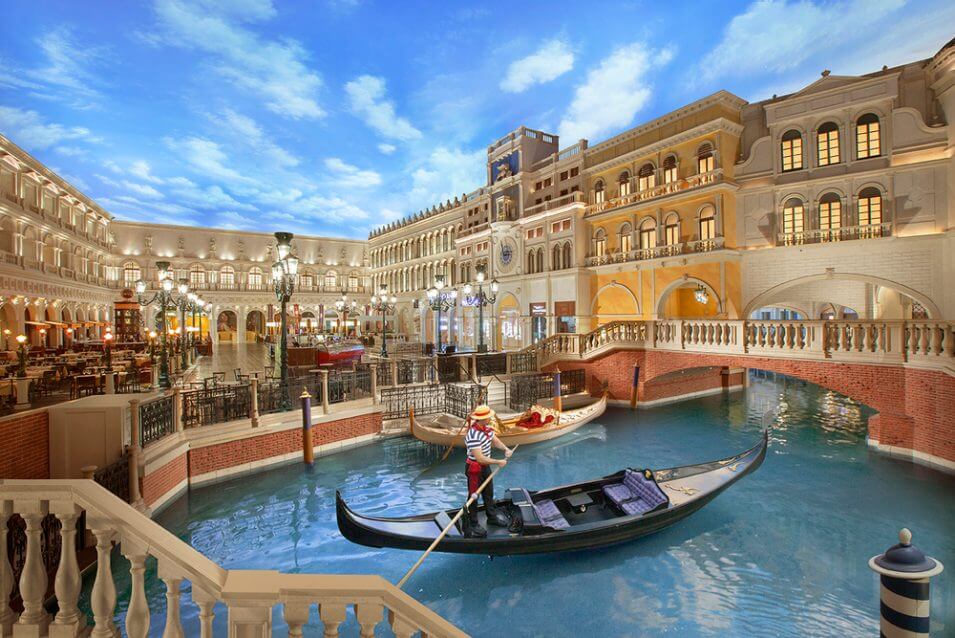
Opened in 1999, The Venetian was unlike anything seen on the Las Vegas Strip before. It was an all-suite hotel, offering spacious accommodations as standard, a revolutionary concept at the time. Its architectural details meticulously replicated iconic Venetian landmarks, from the Campanile to the Doge’s Palace, complete with canals and authentic gondola rides. The adjacent Sands Expo Convention Center, also part of the original vision, was designed to be a convention powerhouse, attracting millions of business travelers and setting the standard for meetings, incentives, conferences, and exhibitions (MICE) tourism. This strategic focus on conventions was a cornerstone of Adelson’s business model, providing a consistent stream of visitors even during slower tourist periods.
The success of The Venetian led to the development of its sister property, The Palazzo, which opened in 2007. Together, The Venetian, The Palazzo, and the Sands Expo Convention Center formed an immense complex, offering nearly 7,100 hotel suites, over 2.25 million square feet of convention and exhibition space, and the renowned Grand Canal Shoppes with their distinctive indoor canals and bustling atmosphere. For over two decades, this entire sprawling resort was owned and operated by Las Vegas Sands Corporation, firmly establishing it as a jewel in the crown of Las Vegas and a global leader in the integrated resort model. Under LVS, the property was synonymous with luxury travel, unparalleled amenities, and a commitment to creating memorable experiences for both leisure and business guests.
A Pivotal Transaction: Shifting Sands on the Strip
The landscape of Las Vegas hospitality is perpetually in motion, driven by market forces, corporate strategies, and global economic shifts. In 2021, a monumental transaction reshaped the ownership of The Venetian complex, marking the end of an era for Las Vegas Sands Corporation on the Las Vegas Strip.
The Strategic Sale of 2021
In March 2021, Las Vegas Sands Corporation announced a definitive agreement to sell its entire Las Vegas real estate and operations, including The Venetian Resort, The Palazzo, and the Sands Expo Convention Center, for approximately $6.25 billion. This landmark deal involved two distinct buyers:
- VICI Properties: A leading real estate investment trust (REIT) specializing in casino and entertainment properties, acquired the land and real estate assets for approximately $4.0 billion.
- Apollo Global Management: A prominent global alternative investment manager, acquired the operating company for approximately $2.25 billion.
The decision by LVS to divest its iconic Las Vegas properties was a strategic pivot with several key drivers. Primarily, the company aimed to sharpen its focus on its immensely profitable and rapidly expanding operations in Asia. Properties like Marina Bay Sands in Singapore and the various resorts under Sands China Limited in Macau had become the primary engines of the company’s growth and profitability. The Asia market offered substantially higher growth potential and returns compared to the more mature Las Vegas market.
Furthermore, the passing of Sheldon Adelson in January 2021 undoubtedly played a role in the timing of this strategic redirection. His successor, Robert Goldstein, affirmed the company’s commitment to its Asia strategy, emphasizing the immense opportunities for expansion and development in that region. The sale provided LVS with significant capital to reinvest in its Asia portfolio, pursue new development opportunities, and return capital to shareholders. It represented a strategic shift away from being a major player on the Las Vegas Strip to focusing almost exclusively on its international integrated resort ventures.
Decoding the Dual Ownership Model
Following the 2021 sale, the ownership structure of The Venetian Las Vegas became a two-tiered system, a common model in the modern hospitality industry, particularly for large-scale resort properties.
Currently, the real estate – the land and physical structures of The Venetian Resort, The Palazzo, and the Sands Expo Convention Center – is owned by VICI Properties. As a REIT, VICI specializes in owning high-quality experiential real estate assets. Their business model involves acquiring properties and then leasing them back to operating companies under long-term, triple-net lease agreements. This structure allows VICI to generate predictable rental income, while the operating company handles all property-level expenses, including maintenance, taxes, and insurance. This arrangement positions VICI as the landlord, a significant player in the broader Las Vegas market, owning a substantial portfolio of iconic properties.
The operational side – managing the day-to-day business, guest services, marketing, and all aspects that make The Venetian a world-class destination – is handled by an affiliate of Apollo Global Management. Apollo, a private equity giant, created a new operating company specifically for The Venetian and The Palazzo, effectively becoming the tenant. This operating company holds the gaming licenses and is responsible for all aspects of the resort’s performance, from booking luxurious suites and managing diverse restaurants to organizing major events in the convention center. For visitors, this means that while the underlying real estate ownership has changed hands, the daily experience of staying at, dining in, or exploring The Venetian is now guided by the operational philosophy and management expertise of the Apollo-managed entity. This dual-ownership model is prevalent across the hospitality industry, particularly for large resorts, as it allows real estate investors and operating companies to leverage their respective strengths and capital structures more efficiently.
The Venetian Experience Under New Stewardship
Despite the significant shift in ownership, The Venetian Resort continues to be one of Las Vegas’s premier destinations, attracting millions of visitors annually. The focus remains on delivering an exceptional guest experience.
Preserving a Legacy of Luxury and Innovation
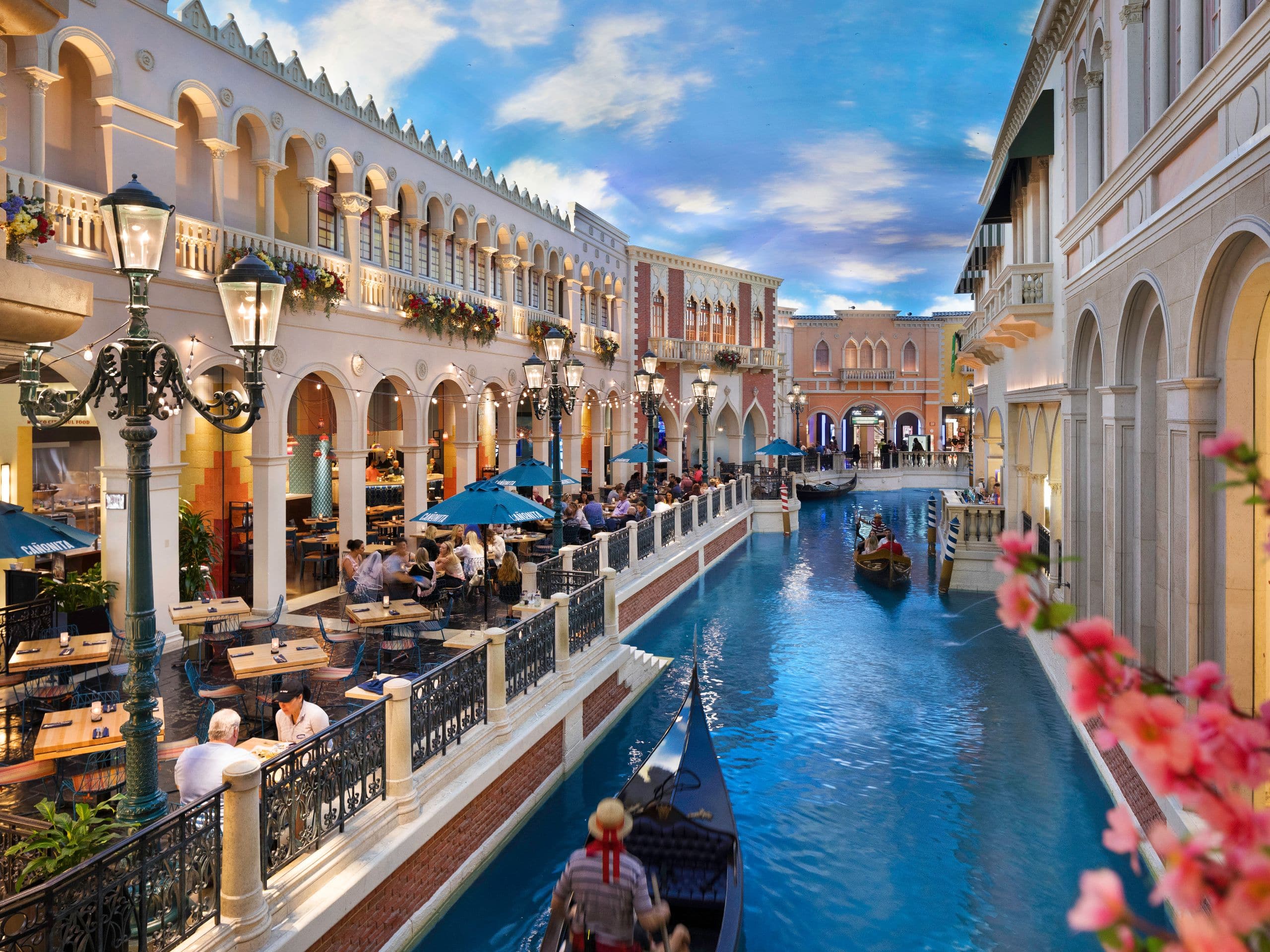
The Venetian has always been celebrated for its commitment to luxury, intricate design, and comprehensive offerings. This legacy is something the new operators, under Apollo Global Management, are keen to preserve and enhance. The resort’s distinct Venetian theme, with its faithful recreations of St. Mark’s Square, the Rialto Bridge, and, of course, the iconic gondola rides, remains a core part of its appeal. These architectural marvels and immersive experiences contribute significantly to its status as a global landmark, drawing travelers interested in unique attractions and rich cultural experiences right in the middle of the Nevada desert.
Guests continue to enjoy a vast array of amenities that cater to every desire, embodying the essence of luxury travel. The all-suite accommodations across The Venetian and The Palazzo provide unparalleled comfort and space, making them a top choice for those seeking premium hotels and resorts. The Grand Canal Shoppes offer a high-end retail experience, while the diverse culinary scene ranges from casual eateries to world-renowned fine dining restaurants. Entertainment options abound, from captivating shows to vibrant nightlife. Wellness is also a priority, with the expansive Canyon Ranch Spa + Fitness offering a sanctuary for relaxation and rejuvenation, integrating seamlessly into the lifestyle aspect of the resort.
Furthermore, the convention and exhibition facilities, now managed by Apollo affiliates, continue to be a cornerstone of the property’s business. The ability to host massive trade shows, conferences, and corporate events solidifies The Venetian’s role as a vital hub for global business tourism, offering state-of-the-art accommodation and services for business stays. The strategic importance of these facilities to the overall Las Vegas economy cannot be overstated.
The Future of a Las Vegas Icon
Under its new operational leadership, The Venetian is poised for continued evolution while maintaining its foundational appeal. Apollo Global Management’s expertise in optimizing businesses suggests that while the core identity of the resort will remain, there may be strategic enhancements aimed at improving efficiency, guest satisfaction, and competitive positioning. This could include targeted renovations, new dining concepts, updated entertainment offerings, or technological upgrades to further enhance the guest experience, from booking and reviews to in-room amenities.
The competition on the Las Vegas Strip is fierce, with properties like Caesars Palace, Bellagio, MGM Grand (from MGM Resorts International), Wynn Las Vegas, and Encore at Wynn Las Vegas (from Wynn Resorts) constantly innovating. Apollo’s management will need to ensure The Venetian not only keeps pace but continues to lead in areas of luxury, service, and integrated offerings. This involves a deep understanding of market trends, traveler preferences, and the unique allure that sets The Venetian apart. As a key player in Las Vegas’s tourism ecosystem, its continued success is vital for the city’s economy and its reputation as a global travel destination. The blend of a unique theme, expansive accommodation options, and a commitment to high-quality service ensures its place as a top choice for those seeking memorable experiences, whether for a family trip, a romantic getaway, or a crucial business conference.
In conclusion, the ownership of The Venetian Las Vegas is a testament to the complex and evolving nature of the global hospitality industry. While Sheldon Adelson’s Las Vegas Sands Corporation was its original visionary and long-term proprietor, the resort today stands under a dual ownership model. VICI Properties owns the impressive real estate, leasing it to an operating company managed by Apollo Global Management. This strategic divestiture by LVS underscores a broader trend of companies specializing their focus, and the rise of REITs and private equity in the leisure and accommodation sector. For guests, the enduring promise of The Venetian remains: an unparalleled luxury experience, a journey to Venice within Las Vegas, and a cornerstone of the vibrant Las Vegas Strip experience. The iconic resort continues to welcome millions, confident in its ability to deliver unforgettable travel experiences under its new stewardship.
LifeOutOfTheBox is a participant in the Amazon Services LLC Associates Program, an affiliate advertising program designed to provide a means for sites to earn advertising fees by advertising and linking to Amazon.com. Amazon, the Amazon logo, AmazonSupply, and the AmazonSupply logo are trademarks of Amazon.com, Inc. or its affiliates. As an Amazon Associate we earn affiliate commissions from qualifying purchases.