
The Boston Marathon bombing on April 15, 2013, was a tragic event that deeply impacted the city of Boston, the United States, and the world. While the physical scars have largely healed, the memory of that day and the lives irrevocably changed remain a poignant part of Boston’s history. When we ask “How many people died in the Boston Marathon bombing?”, the most direct answer refers to the lives tragically cut short at the scene of the explosions: three individuals. However, the full human cost extends beyond this initial number, encompassing those who died in the immediate aftermath due to related events and the hundreds more who suffered life-altering injuries. This horrific act of terrorism left an indelible mark, but it also catalyzed an extraordinary display of resilience, unity, and courage that became known as “Boston Strong.”
The Tragic Events of April 15, 2013
The day of April 15, 2013, began as a quintessential Patriots’ Day in Massachusetts, with thousands of runners from around the globe converging on Boston to participate in the legendary Boston Marathon. Spectators lined Boylston Street, cheering on athletes as they pushed towards the iconic finish line. It was a festive atmosphere, a celebration of athleticism, community, and the arrival of spring. The Boston Marathon, first run in 1897, is the world’s oldest annual marathon and a beloved tradition, attracting an estimated half-million spectators each year. For residents and visitors alike, it is a day imbued with profound local culture and civic pride, reflecting the vibrant spirit of this historic New England city.
A Day of Celebration Turned to Sorrow
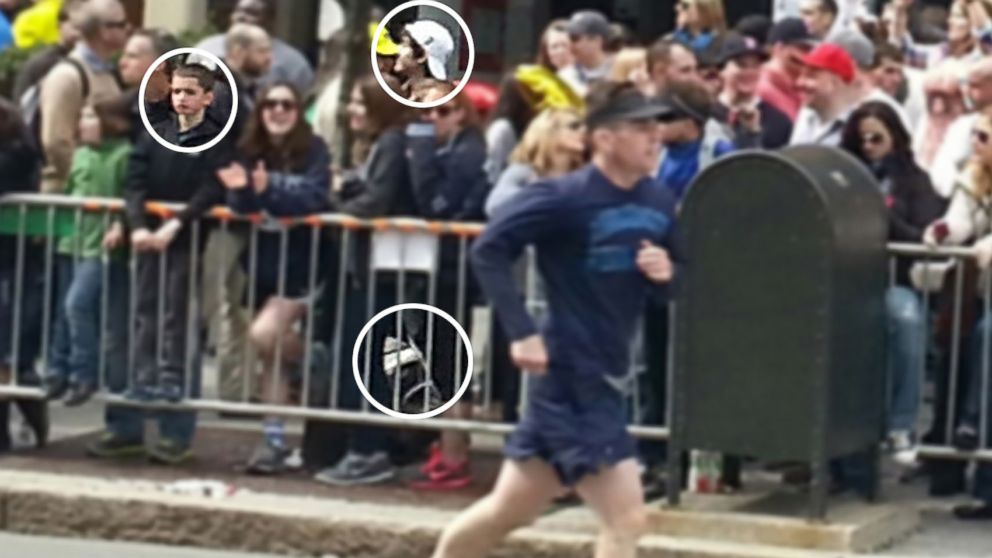
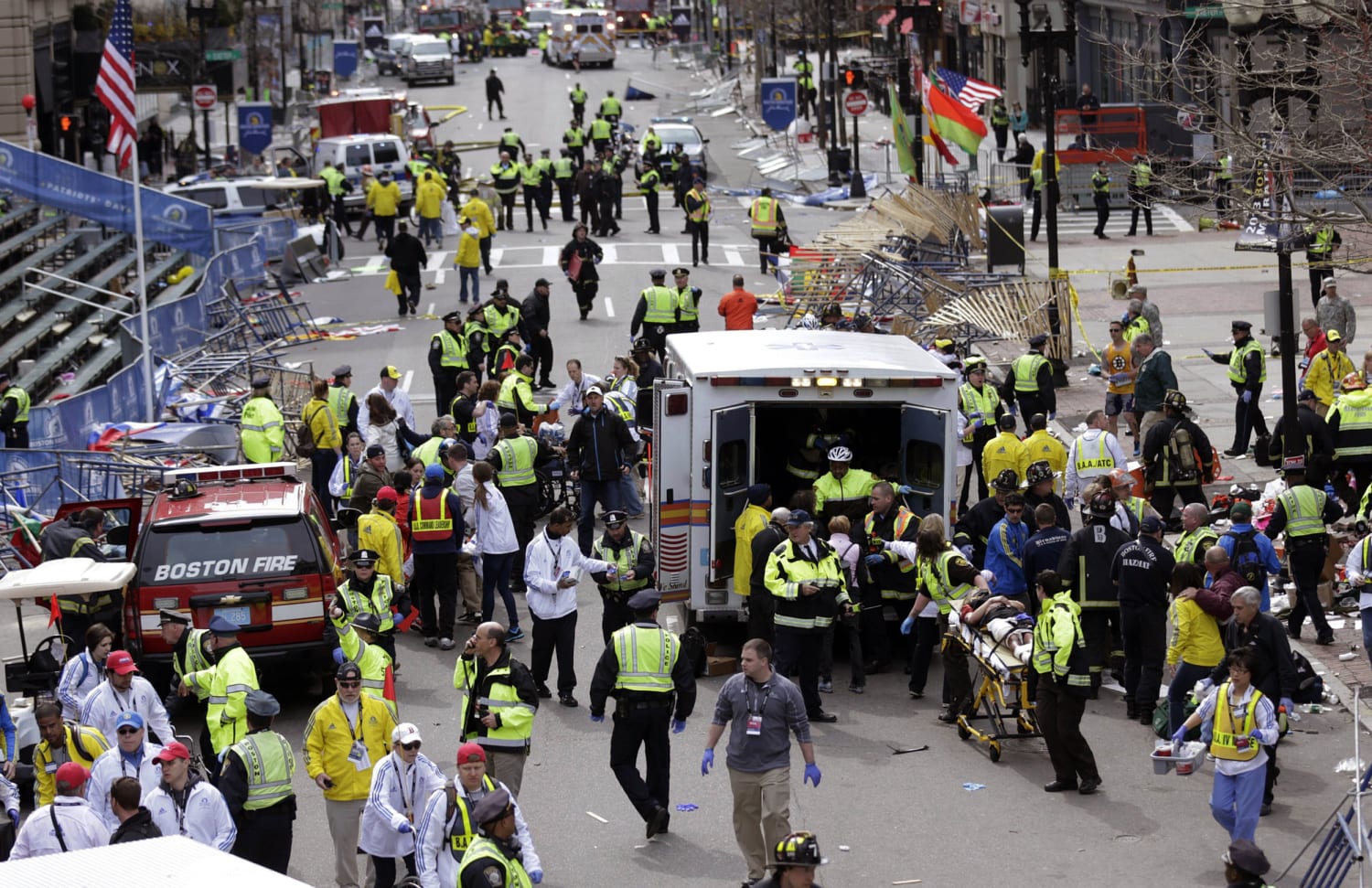
At approximately 2:49 PM EDT, just as many runners were crossing the finish line and thousands of spectators were still gathered, two pressure cooker bombs detonated within seconds of each other near the finish line on Boylston Street. The joyous cheers instantly transformed into screams of terror and confusion. Smoke billowed into the air, followed by the chilling sounds of emergency sirens. The area, a bustling hub moments before, became a scene of chaos and profound suffering, with shrapnel, shattered glass, and debris scattered everywhere. The sheer randomness of the attack, targeting innocent people at a public event, shocked the nation and reverberated across international borders. The images of first responders, medical personnel, and even fellow runners rushing to aid the injured became emblematic of the immediate human response to unimaginable horror.
The Immediate Aftermath and Global Response
In the immediate aftermath, law enforcement and emergency medical services swiftly moved to secure the area, treat the wounded, and evacuate the thousands of people still present. Hospitals across Boston and the surrounding region were inundated with casualties, many suffering from severe trauma, including shrapnel wounds, burns, and limb loss. The response from medical professionals, often working around the clock, was nothing short of heroic. The city went into lockdown, and a massive manhunt for the perpetrators began, involving federal, state, and local agencies. This tense period culminated in a dramatic four-day pursuit that captivated the nation, eventually leading to the identification of brothers Tamerlan and Dzhokhar Tsarnaev as the bombers. The chase saw one of the brothers, Tamerlan, killed in a shootout with police, and the other, Dzhokhar, captured after an extensive manhunt that effectively shut down the entire metropolitan area. The events highlighted the intense coordination and bravery of countless individuals, from civilians to seasoned law enforcement officers.
The Victims: Remembering Those Lost
The question of “How many people died in the Boston Marathon bombing?” is best answered by honoring the individuals whose lives were taken and acknowledging the broader scope of the tragedy. At the scene of the explosions, three vibrant lives were extinguished: a young girl, a restaurant manager, and a graduate student. Their deaths serve as a stark reminder of the indiscriminate nature of such attacks and the profound ripple effect they have on families, friends, and entire communities.
The Lives Claimed at the Finish Line
The three individuals who died directly as a result of the Boston Marathon bombing on April 15, 2013, were:
- Martin Richard: An 8-year-old boy from Dorchester, Massachusetts. Martin was at the finish line with his family to cheer on runners. His death, particularly poignant due to his young age, became a symbol of the innocent lives lost. His family, including his mother and sister, also suffered severe injuries.
- Krystle Campbell: A 29-year-old restaurant manager from Medford, Massachusetts. Krystle was at the finish line with a friend, waiting for her friend’s boyfriend to complete the race. She was known for her vibrant personality and dedication to her work and community.
- Lu Lingzi: A 23-year-old graduate student from China, attending Boston University. Lu was watching the race with a friend near the finish line. Her death underscored the international reach of the tragedy, as students and visitors from around the world frequently come to Boston for its prestigious educational institutions and cultural attractions.
In addition to these three, Sean Collier, a 27-year-old police officer at the Massachusetts Institute of Technology (MIT), was tragically killed by the bombers three days later during the manhunt. While not a direct casualty of the bombing itself, his death is inextricably linked to the events of that week. Years later, another police officer, Dennis Simmonds, who sustained a head injury during the Watertown shootout with the bombers, died in 2014, with his death later linked to complications from the incident. Thus, when considering the full human toll directly attributable to the bombing and its immediate aftermath, the number rises beyond the initial three.
The Enduring Impact of Injuries
Beyond those who perished, approximately 264 people were injured in the explosions, many critically. The nature of the injuries was severe, ranging from shrapnel wounds and hearing loss to extensive burns and the loss of limbs. More than a dozen individuals lost one or both legs, fundamentally altering the course of their lives. These survivors faced, and continue to face, long and arduous journeys of physical rehabilitation, emotional healing, and psychological recovery. The impact extended to countless others who witnessed the horror, the first responders, medical personnel, and the wider community, all of whom carried the burden of trauma and grief. The resilience shown by these survivors, often sharing their stories of courage and determination, became a powerful testament to the human spirit’s capacity to overcome adversity. Their ongoing struggles and triumphs remain a crucial part of the Boston Marathon bombing narrative.
Boston’s Resilient Spirit: “Boston Strong”
In the wake of such devastation, cities often face a choice: succumb to fear or rise with renewed determination. Boston chose the latter, demonstrating an extraordinary collective resilience that quickly became encapsulated in the rallying cry, “Boston Strong“. This phrase, initially scrawled on signs and shared on social media, rapidly grew into a powerful symbol of unity, defiance, and unwavering community spirit. It spoke to the grit and resolve deeply ingrained in the city’s historical identity, a city built on the foundations of revolution and perseverance. For tourists and locals exploring Boston today, this spirit is palpable, woven into the fabric of its vibrant neighborhoods, its historic landmarks, and the enduring passion of its people.
Uniting in the Face of Adversity
The days and weeks following the bombing saw an outpouring of support from across the city, the nation, and indeed, the world. Donations poured in for the victims’ families and survivors through organizations like The One Fund Boston. Volunteers offered assistance, neighbors checked on neighbors, and businesses reopened their doors, determined not to let fear dictate their lives. The city rallied around its injured, celebrated its heroes, and mourned its lost with a shared sense of purpose. This collective response showcased the deep bonds within the Boston community, transcending differences in background, ethnicity, or socioeconomic status. The unwavering support for law enforcement during the manhunt, the quiet bravery of those who aided the injured, and the refusal of citizens to be intimidated by terrorism painted a clear picture of a city united.
The Boston Marathon Memorial: A Place of Reflection
To honor those who died and were injured, and to commemorate the spirit of resilience, the Boston Marathon Memorial was dedicated in 2019. Located on Boylston Street, near the site of the explosions and the finish line, the memorial is a thoughtful and solemn space for reflection. Designed by landscape architect Sasaki Associates, it features two distinct sections that mark the precise locations of the bombings. Each section includes granite markers engraved with the names of the three victims who died at the scene, along with four bronze trees that represent the eternal spirit of those lost and the enduring strength of the survivors. The memorial also incorporates light and water features, symbolizing life, hope, and healing. Visiting this landmark offers a profound opportunity for contemplation, allowing individuals to pay their respects and absorb the powerful narrative of loss and recovery that defines this corner of Boston. It’s a testament to the fact that even in tragedy, beauty and remembrance can emerge.
The Boston Marathon Today: A Symbol of Hope
The Boston Marathon continues to be held annually, transforming from a mere race into a powerful symbol of defiance, remembrance, and the unyielding human spirit. Each year, thousands of runners cross that revered finish line, not just completing a physical challenge but also honoring the memory of those lost and celebrating the city’s incredible resilience. For many, participating in or watching the marathon has become an act of solidarity and hope, a poignant reminder that while darkness can strike, it cannot extinguish the light of human perseverance.
The Enduring Legacy and Community Spirit
The spirit of “Boston Strong” continues to resonate, not just during the marathon but throughout the city year-round. It has become a permanent part of Boston’s identity, influencing its community engagement, public safety initiatives, and even its cultural narratives. The marathon itself has implemented enhanced security measures, ensuring the safety of participants and spectators while maintaining the celebratory atmosphere. The outpouring of emotion and support witnessed each year at the finish line, with crowds cheering louder and spirits soaring higher, underscores a collective commitment to never forget and to always move forward. The event showcases the best of local culture – the camaraderie, the grit, and the unwavering sense of community that makes Boston unique. It is a powerful experience, whether one is running, volunteering, or simply observing, and is a key highlight in Boston’s annual calendar of activities.
Visiting Boston: Honoring Its Past, Embracing Its Future
For those planning to visit Boston, understanding the city’s history, including the events of 2013, provides a deeper appreciation for its character. Beyond the solemnity of the memorial, Boston offers a rich tapestry of experiences that blend its colonial past with its vibrant, modern present. Exploring the city means encountering landmarks that speak to centuries of history, from the Freedom Trail and Faneuil Hall to the Museum of Fine Arts and the cutting-edge innovation hubs of Cambridge. The city’s enduring spirit is reflected in its diverse neighborhoods, its world-class dining, and its welcoming atmosphere for travelers.
Beyond the Tragedy: Exploring Modern Boston
While the memory of the Boston Marathon bombing remains a significant part of Boston’s story, the city is far more than its moments of tragedy. Boston is a dynamic hub for travel, tourism, and lifestyle, offering a myriad of attractions for every type of visitor. From its historical landmarks to its thriving culinary scene and picturesque green spaces, Boston provides an enriching and unforgettable experience, allowing visitors to connect with its past while fully engaging with its vibrant present.
Key Landmarks and Cultural Experiences
Boston boasts an unparalleled collection of historical and cultural landmarks. A walk along the Freedom Trail guides visitors through revolutionary history, past iconic sites such as the Paul Revere House, the Old North Church, and the site of the Boston Massacre. For art enthusiasts, the Museum of Fine Arts and the Isabella Stewart Gardner Museum offer world-class collections. Sports fans can immerse themselves in the legacy of the Boston Red Sox at historic Fenway Park.
The city’s neighborhoods each have distinct characters. Beacon Hill charms with its cobblestone streets and gas lamps, while the North End entices with authentic Italian cuisine and a lively atmosphere. Back Bay, home to Boylston Street, offers elegant Victorian brownstones, high-end shopping on Newbury Street, and the serene Boston Public Garden. These diverse areas offer unique attractions, from architectural marvels to hidden culinary gems, reflecting the layers of Boston’s evolving identity. Embracing Boston’s local culture means enjoying its famous New England clam chowder, exploring its thriving craft beer scene, or catching a live performance in its vibrant theater district.

Accommodation and Lifestyle in the Historic City
When it comes to accommodation, Boston offers a spectrum of choices, from luxurious hotels like the Four Seasons Hotel Boston or the Omni Parker House, renowned for its historic charm, to boutique hotels and modern apartments catering to various budgets and preferences. Whether you’re seeking a lavish stay in a grand suite, a cozy room in a historic inn, or a convenient long-term stay apartment, Boston has options to suit every traveler. Reviews and comparison tools can help visitors find the perfect match for their travel style.
The city’s lifestyle also caters to a range of interests, from luxury travel experiences to budget-friendly adventures. Family trips can include visits to the New England Aquarium or the Boston Children’s Museum. Business travelers will find state-of-the-art facilities and convenient access to the city’s innovation districts. Boston’s robust public transportation system, including the “T” subway, makes navigating the city and reaching its many attractions relatively easy, enhancing the overall travel experience. Visiting Boston today is to experience a city that acknowledges its past, honors its resilience, and continues to thrive as a leading destination for history, culture, and innovation.
LifeOutOfTheBox is a participant in the Amazon Services LLC Associates Program, an affiliate advertising program designed to provide a means for sites to earn advertising fees by advertising and linking to Amazon.com. Amazon, the Amazon logo, AmazonSupply, and the AmazonSupply logo are trademarks of Amazon.com, Inc. or its affiliates. As an Amazon Associate we earn affiliate commissions from qualifying purchases.