
For many, the allure of the Sunshine State is irresistible. From the vibrant energy of Miami to the theme park wonders of Orlando and the tranquil beaches of the Florida Keys, Florida represents not just a travel destination but often a dream lifestyle. Whether you’re considering a move for retirement, seeking a warm haven from colder climates, or simply looking to establish a permanent base in a state renowned for its beauty and opportunity, understanding the financial landscape of property ownership is crucial. Among the most significant benefits for residents is the Florida Homestead Exemption. Far more than just a bureaucratic term, it’s a powerful tool that can significantly reduce your property tax burden and offer crucial asset protection, transforming your dream of owning a piece of Florida into a more affordable reality.
This exemption is not merely a technicality; it’s a cornerstone of property ownership in Florida that directly impacts your finances and lifestyle. For those transitioning from frequent visitors to permanent residents, or even those considering a major move to the United States, comprehending the intricacies of this benefit is paramount. It allows you to enjoy more of what Florida has to offer, from exploring Everglades National Park to relaxing on South Beach, knowing your home is secured with significant financial advantages.
Understanding the Foundation: What is Florida Homestead Exemption?
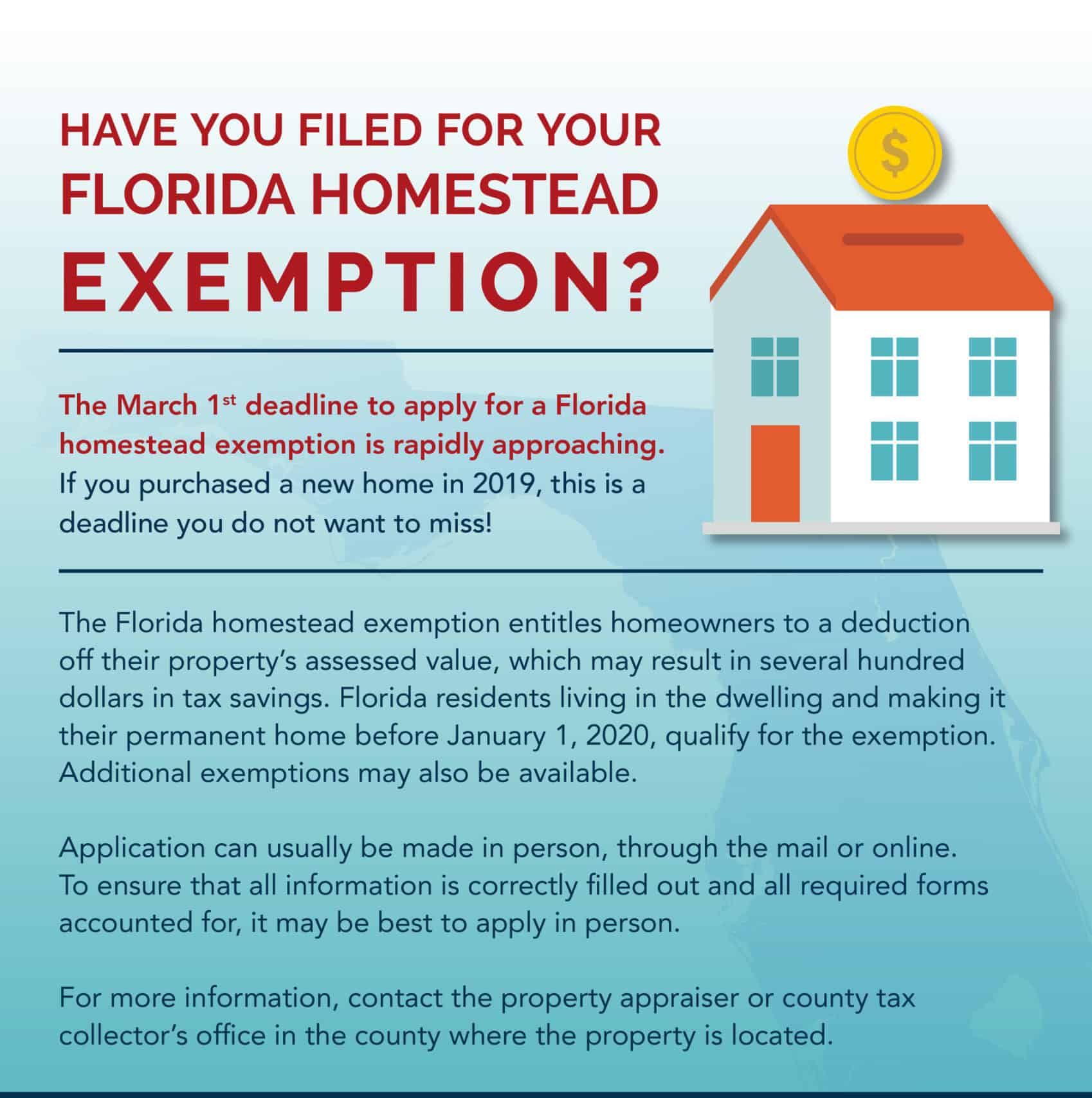
At its core, the Florida Homestead Exemption is a constitutional provision designed to provide financial relief and asset protection to permanent residents who own and occupy a home in the state. It’s a dual-purpose benefit that makes homeownership more accessible and secure, reflecting Florida’s commitment to its residents. For anyone looking to invest in a home, whether a luxurious villa overlooking the Atlantic Ocean or a cozy family residence near top schools, understanding these two pillars is fundamental.
The Core Benefit: Property Tax Savings
The most immediate and tangible advantage of the Florida Homestead Exemption is its ability to reduce your annual property tax bill. In essence, it exempts a portion of your home’s assessed value from property taxes. Currently, this exemption can reduce the taxable value of your primary residence by up to $50,000.
Here’s how it works:
- The First $25,000: This initial exemption applies to all taxing authorities, including school districts. If your home’s assessed value is, for example, $300,000, the first $25,000 is removed before taxes are calculated.
- The Additional $25,000: This second exemption applies to the assessed value between $50,000 and $75,000, but it does not apply to school district taxes. So, for a home assessed at $75,000 or more, you effectively receive a total exemption of $50,000 for non-school taxes and $25,000 for school taxes.
This reduction in taxable value can translate into hundreds, if not thousands, of dollars in annual savings. For a family planning vacations to Walt Disney World or a couple enjoying the fine dining in Naples, these savings can free up significant funds to enhance their lifestyle and travel experiences within and beyond Florida. It makes owning a home not just a possibility, but a more financially sustainable venture for long-term residents.
Asset Protection: A Shield for Your Home
Beyond tax relief, the Florida Homestead Exemption offers robust asset protection. This aspect is particularly appealing for professionals, business owners, and retirees seeking peace of mind. Under Florida law, your primary residence is largely protected from creditors.
Specifically, the homestead exemption shields your home from forced sale by most creditors, regardless of the property’s value, as long as the property meets certain size limitations (half an acre within a municipality or 160 acres outside a municipality). This protection is extensive, safeguarding your home from judgments, liens, and foreclosures arising from most forms of debt, such as credit card debt, medical bills, or personal loans.
However, it’s important to note that this protection isn’t absolute. It does not typically apply to:
- Property taxes and assessments on the homestead itself.
- Mortgages taken out on the property.
- Construction liens for work performed on the property.
- Liens for an owner’s failure to pay a homeowners’ association fee.
Despite these exceptions, the asset protection feature is a powerful incentive for establishing permanent residency in Florida. It ensures that your family’s primary accommodation remains secure, even in unforeseen financial challenges, allowing you to focus on enjoying the vibrant Florida lifestyle without constant worry about losing your home.

Who Qualifies? Eligibility Criteria for Your Florida Home
To unlock the benefits of the Florida Homestead Exemption, certain criteria must be met. These requirements are in place to ensure the exemption benefits genuine permanent residents of the state, not those merely using Florida as a temporary or secondary residence. Understanding these specifics is crucial for anyone planning to make the move and integrate into the local culture and community.
Residency Requirements: Making Florida Your Permanent Home
The cornerstone of eligibility is establishing Florida as your permanent legal residence. This is more than just owning property; it means demonstrating a clear intent to make your Florida home your domicile. The application process requires proof of residency, and authorities look for several indicators:
- Occupancy: You must physically reside in the property. It must be your actual primary home where you live, eat, and sleep.
- Intent: You need to show your intent to make Florida your permanent home. This is typically proven by:
- Florida Driver’s License or ID Card: Swapping your out-of-state license for a Florida one is a strong indicator.
- Voter Registration: Registering to vote in Florida.
- Vehicle Registration: Registering your vehicles in Florida.
- Utility Bills: Having utility accounts in your name at the homestead property.
- Bank Accounts: Moving your primary banking to a Florida institution.
- Employment: If applicable, demonstrating employment within Florida.
- Filing a Declaration of Domicile: While not always required, this formal declaration with the clerk of the court can further solidify your claim.
Crucially, you cannot claim homestead exemption in Florida if you are simultaneously claiming a residency-based exemption or benefit in another state or country. This stipulation prevents individuals from receiving dual benefits and underscores the requirement for Florida to be your sole permanent residence. For those who frequently travel, perhaps balancing a luxurious travel schedule with a home base, this means making a clear designation of their primary residence.
Ownership Details: What Kind of Property Qualifies?
In addition to residency, the property itself must meet specific criteria:
- Ownership: You must hold legal or equitable title to the property as of January 1st of the tax year for which you are applying. This typically means you are the recorded owner on the deed. Joint ownership is permissible, and each owner who meets the residency requirements can benefit from their share of the exemption.
- Property Type: The exemption applies to residential property, which can include single-family homes, condominiums, co-operative apartments, and even mobile homes, provided they are your permanent residence. It does not apply to commercial properties, vacant land, or investment properties from which you derive rental income unless it also serves as your primary abode.
- Size Limitations: While Florida is generous in protecting home value, there are limits on the land size:
- Inside a Municipality: Your homestead cannot exceed one-half acre of contiguous land.
- Outside a Municipality: Your homestead cannot exceed 160 acres of contiguous land.
Understanding these details is vital for anyone purchasing property in popular Florida destinations like Tampa or St. Augustine. It ensures that your chosen accommodation aligns with the requirements for securing this valuable tax and asset protection benefit.
The Application Process: Securing Your Homestead Status
Once you understand the “what” and “who” of the Florida Homestead Exemption, the next step is the “how” – the application process. While seemingly administrative, successfully filing your application is the gateway to significant savings and peace of mind. It’s a relatively straightforward process, but meticulous attention to detail and deadlines is essential.
Required Documentation: What You’ll Need
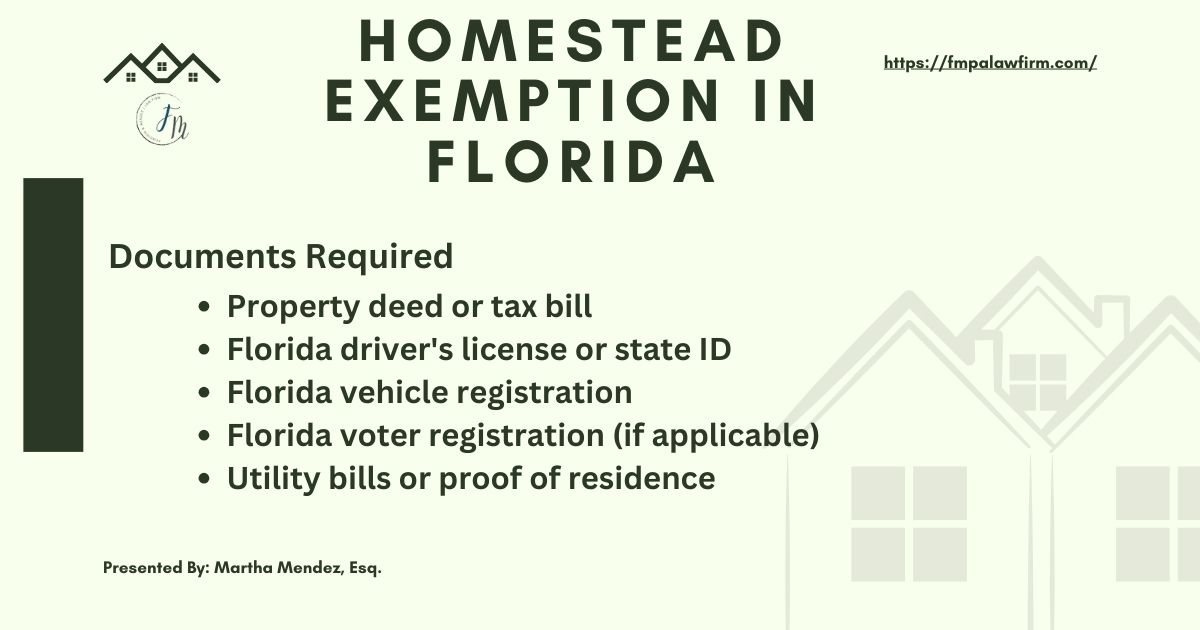
When you apply, you’ll need to provide documentation to prove your identity, ownership, and, most importantly, your permanent residency in Florida. The exact list can vary slightly by county, but generally, you should be prepared with:
- Proof of Ownership: A copy of your deed or another document demonstrating legal ownership of the property.
- Proof of Residency for All Owners: This is the most critical part and will require several items for each owner claiming the exemption. Gather as many of the following as possible:
- Florida Driver’s License or Florida ID Card (most important)
- Florida Voter Registration Card
- Florida Vehicle Registration (for all vehicles owned)
- Declaration of Domicile (if filed)
- Social Security Number(s) for all applicants.
- Federal income tax returns (e.g., Form 1040) from the previous year, showing your Florida address (the IRS does not require state income tax returns in Florida due to no state income tax, which is another benefit of living here).
- Proof that you are not claiming residency or a homestead exemption in another state (e.g., a statement or prior year’s tax forms showing no primary residence claimed elsewhere).
- Bank statements, utility bills, or employment verification showing your Florida address.
It’s advisable to contact your local county Property Appraiser’s Office website or visit in person to obtain the most up-to-date and specific list of required documents for their jurisdiction. Preparing these documents in advance will streamline your application experience, allowing you more time to enjoy the diverse attractions from Universal Orlando Resort to the tranquil Gulf of Mexico beaches.
When and Where to Apply: Deadlines and Offices
The application for homestead exemption must be filed with the Property Appraiser’s Office in the county where your property is located. For instance, if you own a condo in Miami, you’ll apply to the Miami-Dade County Property Appraiser. If your home is near Orlando, you’ll go to the Orange County office.
The crucial deadline to remember is March 1st of the tax year for which you are seeking the exemption. For example, if you purchased and moved into your home in 2023 and established permanent residency, you would need to file your application by March 1st, 2024, to receive the exemption for the 2024 tax year.
While the primary deadline is March 1st, Florida law does provide for a late filing period that typically extends until early September. However, it’s always best practice to file well before the March 1st deadline to avoid any potential issues or delays. Many counties also allow for online applications, making the process even more convenient.
Applying early and correctly ensures that your property tax bill reflects the exemption, contributing directly to a more affordable and enjoyable Florida lifestyle.
Beyond the Basics: Advanced Considerations for Property Owners in Florida
The Florida Homestead Exemption is multifaceted, offering more than just initial tax savings and asset protection. For long-term residents and those engaged in complex financial planning, understanding its advanced features can further enhance the benefits of owning property in the state. These aspects touch upon broader lifestyle choices, from relocation within Florida to considerations for how your property fits into your overall financial and family planning.
Portability: Transferring Your Savings
One of the most valuable, yet often overlooked, aspects of the Florida Homestead Exemption is its “portability” feature. This allows homeowners to transfer a significant portion of their accumulated Save Our Homes (SOH) benefit from one homestead property to a new one within Florida.
The Save Our Homes amendment limits the annual increase in the assessed value of homestead properties to 3% or the Consumer Price Index (CPI), whichever is less. Over time, this cap creates a substantial difference between the market value of your home and its assessed value. This accumulated difference is your “Save Our Homes benefit.”
When you sell your homestead and purchase a new one in Florida, you can “port” this SOH benefit, effectively reducing the assessed value of your new home. This can lead to considerable tax savings when moving to a new property, especially if you’re upsizing or relocating to a more expensive area. The portability rules can be complex, involving deadlines and specific calculation methods based on the values of the old and new homes. Generally, you must apply for portability within two years of vacating your previous homestead. This feature makes it easier for residents to move within Florida, perhaps from a vibrant city apartment to a quiet suburban family home, without losing all their accumulated tax benefits.
The Vacation Rental Dilemma: Homestead vs. Investment Property
For many, Florida is synonymous with vacation. The idea of owning a property that can also serve as a short-term rental is appealing. However, this creates a crucial distinction regarding the homestead exemption. Your property must be your permanent legal residence to qualify for the exemption.
If you list your property on a vacation rental platform and generate income from it for significant portions of the year, it may jeopardize your homestead status. While minor, occasional rentals (e.g., during a short trip) might be permissible, a consistent pattern of using your home as an income-producing short-term rental will likely disqualify it. The Property Appraiser’s Office often scrutinizes utility usage, mailing addresses, and other indicators to determine true residency.
This means property owners must choose: will their Florida property primarily be a homestead for personal use and benefit from tax savings and asset protection, or will it be an investment property focused on generating rental income? While both are valid strategies, they are generally mutually exclusive regarding homestead exemption benefits. This decision is fundamental to how one embraces the Florida lifestyle – as a full-time resident integrated into the community, or as an investor in the tourism economy.
Estate Planning and Your Florida Homestead
The protections offered by the Florida Homestead Exemption extend into estate planning. Florida has specific laws regarding how homestead property can be devised or inherited. Generally, if the homeowner is survived by a spouse or minor child, the homestead cannot be devised to anyone else. Instead, it typically passes to the surviving spouse or minor child, protecting the family’s residence.
This protection ensures that the home remains within the family, unburdened by most creditor claims against the deceased owner, providing a critical layer of security for dependents. Understanding these rules is essential when creating a will or trust in Florida, particularly for families who view their Florida home as a legacy. Seeking advice from an estate planning attorney familiar with Florida homestead law is highly recommended to ensure your wishes are legally sound and your family is protected.
Embracing the Florida Lifestyle with Homestead Benefits
The Florida Homestead Exemption is more than just a legal provision; it’s an invitation to a more secure and enjoyable life in one of the most desirable states in the United States. From the historic streets of St. Augustine to the modern marvels of Miami, owning a home in Florida offers unparalleled opportunities for travel, leisure, and community engagement.
The tax savings afforded by the exemption can translate directly into more disposable income, empowering residents to explore Florida’s diverse attractions. Imagine extra funds for a weekend getaway to the Florida Keys, a culinary tour through Tampa’s vibrant districts, or tickets to one of Orlando’s world-class theme parks. The asset protection aspect, meanwhile, provides invaluable peace of mind, allowing you to build your life and perhaps even your business in Florida with a greater sense of financial stability.
For those contemplating the transition from visitor to resident, understanding the homestead exemption is a crucial step towards making that dream a reality. It underscores Florida’s appeal not just as a vacation destination, but as a place to call home – a place where your investment in a property is met with significant financial advantages, enriching your overall lifestyle. By diligently applying for and maintaining your homestead status, you’re not just saving money; you’re securing your slice of paradise and fully embracing the vibrant, sun-drenched lifestyle that Florida so generously offers.
LifeOutOfTheBox is a participant in the Amazon Services LLC Associates Program, an affiliate advertising program designed to provide a means for sites to earn advertising fees by advertising and linking to Amazon.com. Amazon, the Amazon logo, AmazonSupply, and the AmazonSupply logo are trademarks of Amazon.com, Inc. or its affiliates. As an Amazon Associate we earn affiliate commissions from qualifying purchases.