
When the craving for succulent, fall-off-the-bone pulled pork strikes, the traditional, slow-and-low method of cooking a Boston butt can feel like an eternity. Thankfully, the culinary world offers ingenious techniques to accelerate this process without sacrificing flavor or tenderness. This guide delves into how to cook a Boston butt in the oven, focusing on speed and efficiency, allowing you to enjoy this Southern staple much sooner than you might expect. We’ll explore the key factors that contribute to faster cooking times, from preparation to the final resting phase, ensuring a delicious outcome that satisfies even the most discerning palates.
Understanding the Boston Butt and Accelerated Cooking Principles
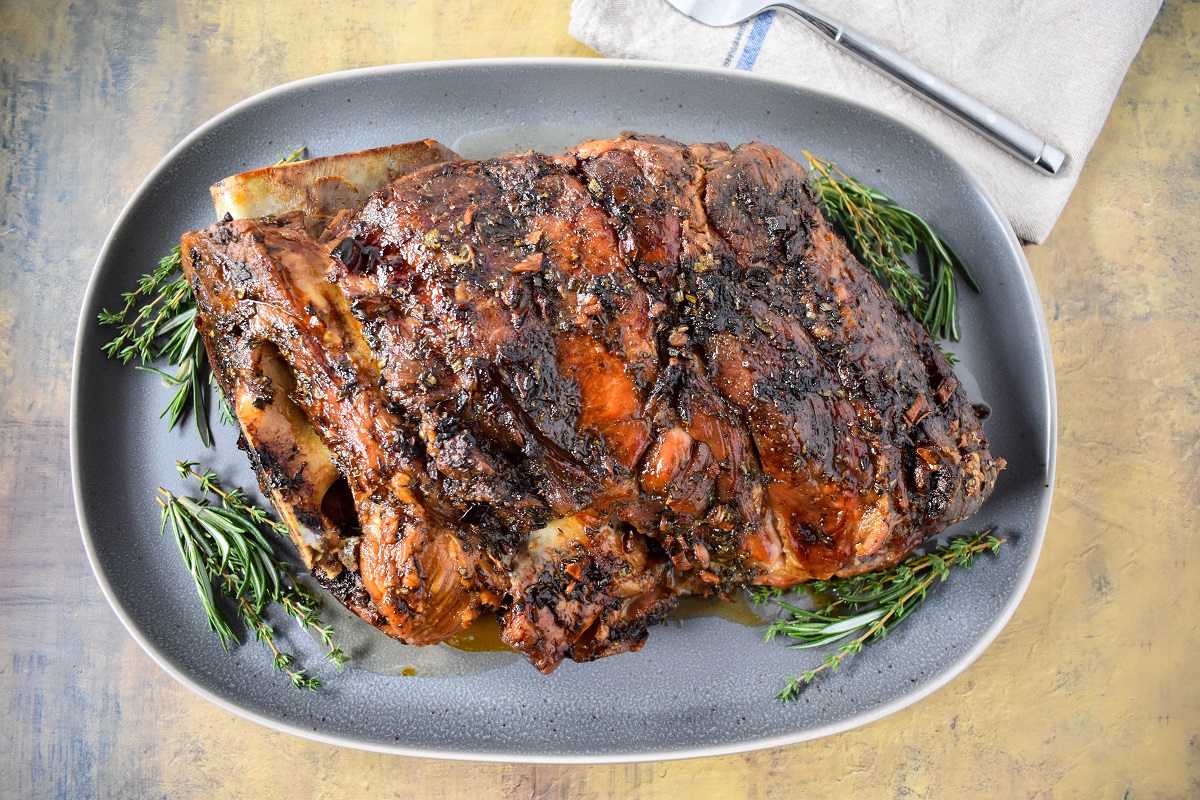
Before diving into the “how-to,” it’s essential to understand what a Boston butt is and the principles behind speeding up its cooking. A Boston butt, also known as a pork shoulder or pork butt, is a prime cut from the upper shoulder of the pig. It’s characterized by significant marbling and connective tissue, which, when cooked low and slow, break down to create incredibly tender and moist meat. While slow cooking is the classic approach, faster methods rely on maximizing heat transfer and optimizing the environment within your oven.
What is a Boston Butt?
The Boston butt is a thick, well-marbled cut, typically weighing between 4 to 8 pounds. Its rich fat content is crucial for imparting moisture and flavor during long cooking times. This cut is often sold bone-in or boneless. For oven cooking, especially when aiming for speed, the bone-in variety can sometimes offer more flavor and moisture, as the bone acts as a natural insulator. However, boneless versions also work perfectly well and can sometimes cook slightly faster due to more uniform thickness. Regardless of whether you choose bone-in or boneless, the key is its suitability for braising or roasting, making it ideal for oven preparation.
Principles of Fast Oven Cooking
Accelerated oven cooking for tougher cuts like Boston butt hinges on a few key principles. Firstly, increasing the oven temperature is paramount. While traditional methods might hover around 225-275°F (107-135°C), faster approaches often utilize higher temperatures, sometimes in stages, to penetrate the meat more quickly. Secondly, creating a moist environment is crucial to prevent the exterior from drying out at higher temperatures. This can be achieved through braising in liquid or tightly covering the roast. Thirdly, maximizing surface area exposed to heat can also aid in faster cooking. This might involve cutting the butt into larger sections, though this is less common for achieving pulled pork. Finally, understanding the concept of temperature probes and carryover cooking is vital for ensuring the meat is perfectly cooked without overdoing it. The internal temperature is the most reliable indicator of doneness, not just time.
Prepping Your Boston Butt for Speed
The preparation phase is critical for setting your Boston butt up for a rapid and successful cook. This involves trimming, seasoning, and potentially employing a brine or marinade to enhance moisture and flavor penetration. Proper prep ensures that the heat can work efficiently through the meat, leading to a faster breakdown of connective tissues and a more flavorful end product.
Trimming and Seasoning Strategies
Begin by inspecting your Boston butt. While some fat cap is desirable for moisture, excessively thick layers can sometimes hinder heat penetration. Trim any hard, thick fat to about ¼-inch thickness, leaving enough to render and baste the meat. For seasoning, a robust rub is essential. A classic combination of salt, black pepper, garlic powder, onion powder, paprika, and a touch of brown sugar works wonders. Apply the rub generously to all surfaces of the meat, ensuring good coverage. For a faster cook, consider a slightly finer grind for your salt and pepper, allowing them to adhere and begin their work more quickly.
The Role of Brining or Marinating (Optional but Recommended)
While not strictly necessary, a fast brining or marinating step can significantly contribute to a moist and flavorful Boston butt, especially when cooking at higher temperatures. A simple wet brine can be prepared by dissolving salt and sugar in water. A ratio of ¼ cup salt to ¼ cup sugar per quart of water is a good starting point. Submerge the Boston butt in the brine for 2-4 hours in the refrigerator. Pat the butt thoroughly dry after brining before applying your rub. Alternatively, a liquid marinade, such as a blend of apple cider vinegar, Worcestershire sauce, and your favorite spices, can be used to marinate the pork for 1-2 hours. The acidity in the marinade helps to tenderize the meat, while the liquid adds moisture.
Oven Cooking Techniques for Expedited Results
The core of cooking a Boston butt fast lies in the oven techniques employed. This section explores methods that leverage higher temperatures and clever use of moisture to achieve tender, pull-apart pork in a significantly reduced timeframe compared to traditional smoking or low-and-slow oven roasting.
The High-Heat Sear and Braise Method
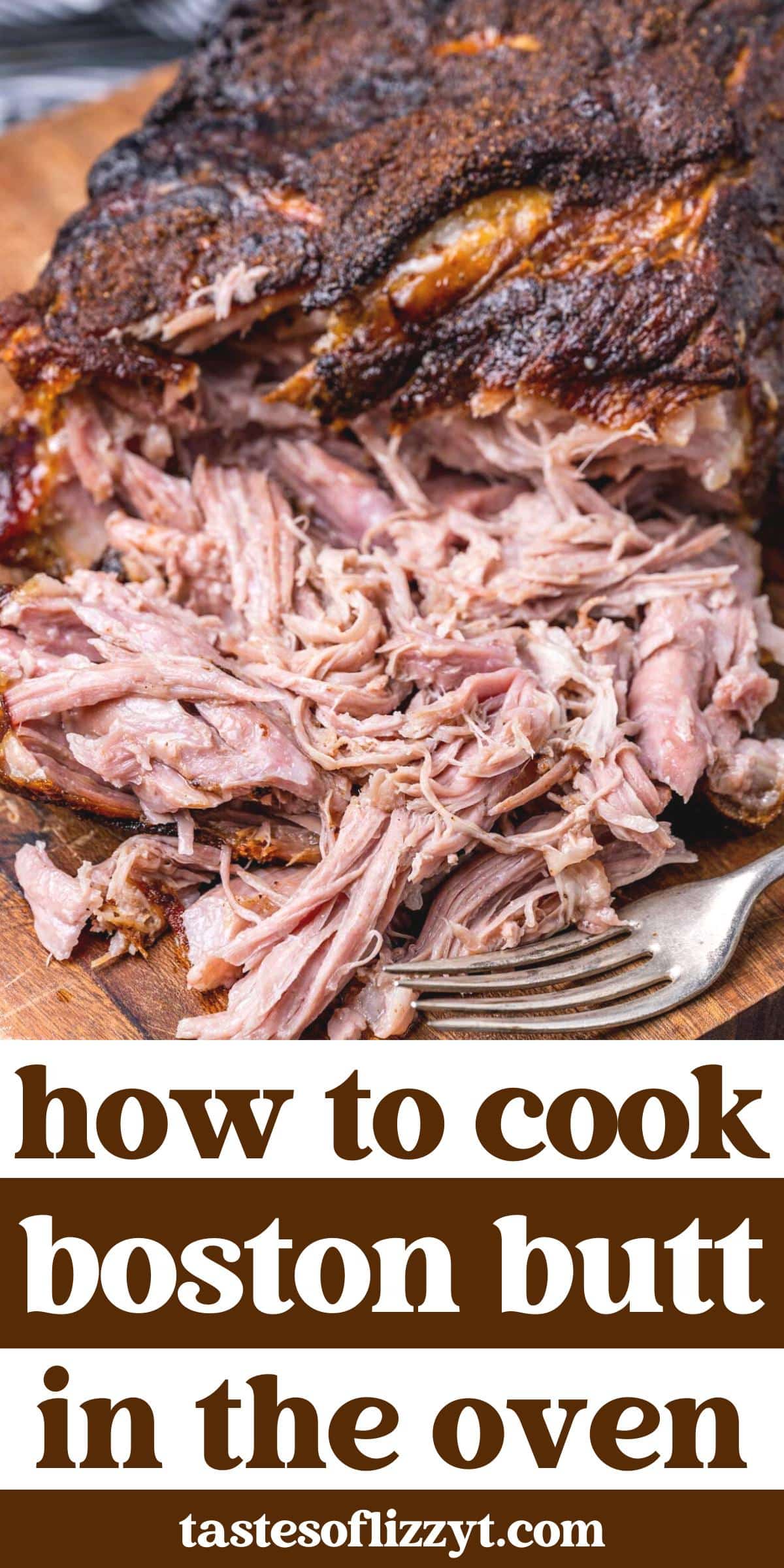
This is arguably the most effective method for achieving a fast and tender Boston butt in the oven. It combines an initial high-heat sear to develop a flavorful crust with a subsequent braising period to tenderize the meat.
H3: Achieving the Initial Sear
Preheat your oven to a high temperature, around 450-475°F (230-245°C). Place the seasoned Boston butt, fat-side up, in a sturdy roasting pan. Sear the roast for 20-30 minutes. This initial blast of heat helps to render some of the surface fat and create a beautiful, browned exterior. Keep an eye on it to prevent excessive charring.
H3: The Braising Phase for Tenderness
After the initial sear, reduce the oven temperature to 300-325°F (150-160°C). Add about 1-2 cups of liquid to the bottom of the roasting pan. This can be beef broth, chicken broth, apple cider, or even water. The liquid will create steam, keeping the meat moist and tender as it cooks through. Tightly cover the roasting pan with aluminum foil or a tight-fitting lid. This steam braising is key to breaking down the connective tissues quickly. Cook until the internal temperature reaches your desired level of doneness, typically 195-205°F (90-96°C) for easy shredding. The cooking time will vary depending on the size of the butt, but expect it to be significantly less than traditional methods, potentially 4-6 hours for a 5-pound butt.
The Foil-Wrapped “Oven Burner” Technique
Another effective strategy for speeding up the cooking of a Boston butt in the oven involves tightly wrapping the seasoned roast in foil. This traps moisture and heat, essentially creating a steam environment that accelerates the breakdown of collagen.
H3: Wrapping for Maximum Moisture Retention
After applying your rub, place the Boston butt in the center of a large piece of heavy-duty aluminum foil. Add a few tablespoons of liquid (apple cider, broth) directly onto the meat. Tightly wrap the foil around the butt, ensuring there are no gaps where steam can escape. You may want to double-wrap for extra security.
H3: Cooking at Elevated Temperatures
Place the foil-wrapped Boston butt directly on the oven rack or in a roasting pan. Preheat your oven to 325-350°F (160-175°C). The foil-wrapped environment will promote efficient cooking. The cooking time will again depend on the size, but this method typically reduces the overall time considerably, often bringing a 5-pound butt to tender perfection in around 4-5 hours. Once the internal temperature reaches 195-205°F (90-96°C), carefully unwrap the foil for the last 30-45 minutes to allow the exterior to crisp up slightly, if desired.
Ensuring Perfect Doneness and Resting for Optimal Results
Achieving a fast cook doesn’t mean compromising on the quality of the final product. Proper monitoring of internal temperature and an adequate resting period are crucial for ensuring your Boston butt is perfectly tender and juicy.
Monitoring Internal Temperature for Doneness
The most reliable indicator of a perfectly cooked Boston butt is its internal temperature. For pulled pork, you’re aiming for a temperature between 195°F and 205°F (90°C and 96°C). At these temperatures, the collagen within the meat has broken down sufficiently, making it incredibly tender and easy to shred. Use a reliable meat thermometer, inserting it into the thickest part of the roast, avoiding bone if present. Since faster cooking methods often involve higher temperatures, it’s especially important to monitor the temperature closely to prevent overcooking. Be prepared for the temperature to rise a few degrees after removing it from the oven.
The Importance of Resting
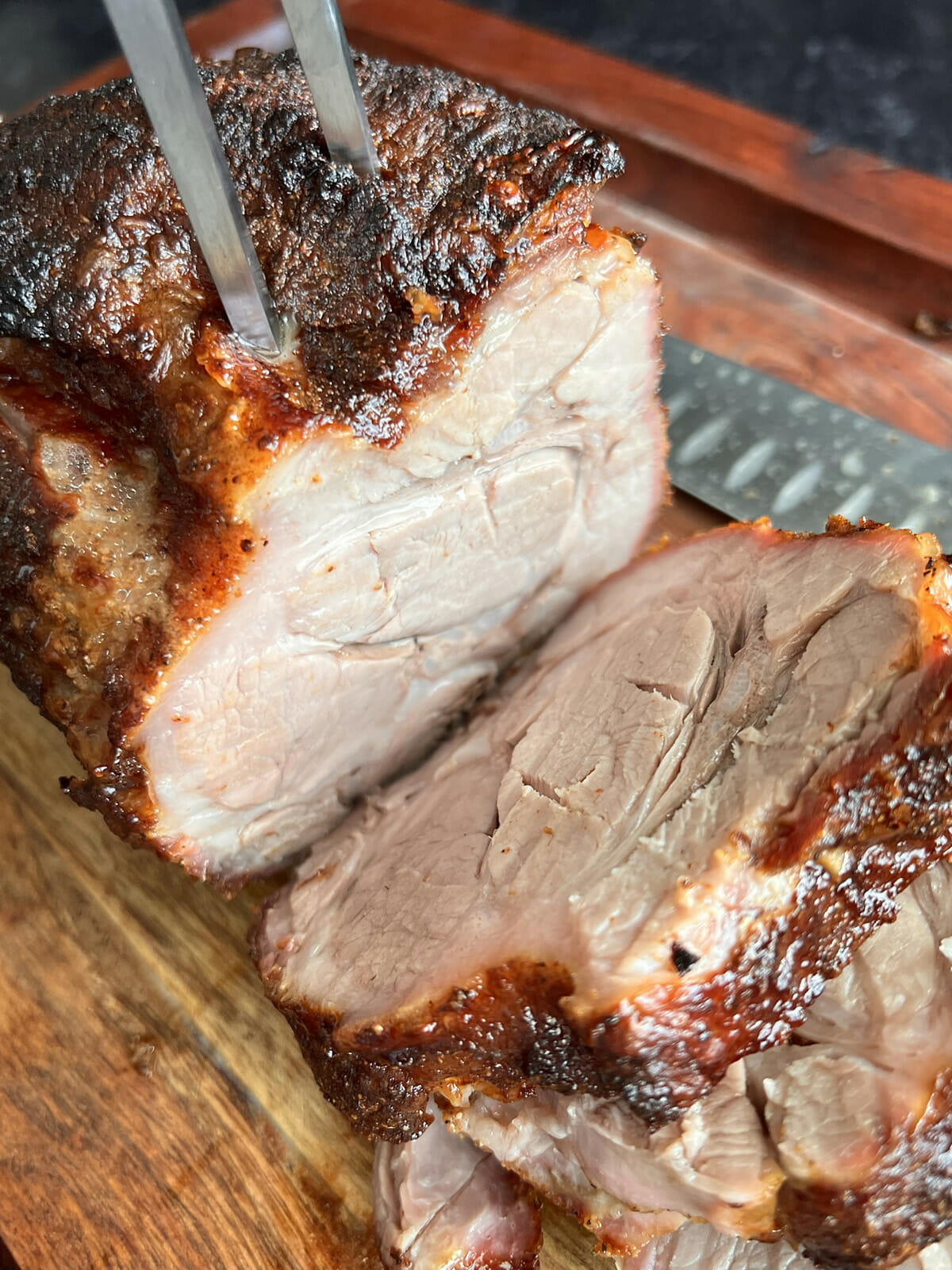
Once your Boston butt has reached the target internal temperature, resist the urge to pull it apart immediately. Resting is a critical step for allowing the juices to redistribute throughout the meat. If you cut into or shred the meat too soon, all the moisture will escape, resulting in dry pork. Tent the Boston butt loosely with foil and let it rest for at least 30 minutes, and up to an hour. This resting period allows the muscle fibers to relax, reabsorbing the juices and ensuring a moist and tender outcome. After resting, the meat should easily shred with two forks or even your fingers.
LifeOutOfTheBox is a participant in the Amazon Services LLC Associates Program, an affiliate advertising program designed to provide a means for sites to earn advertising fees by advertising and linking to Amazon.com. Amazon, the Amazon logo, AmazonSupply, and the AmazonSupply logo are trademarks of Amazon.com, Inc. or its affiliates. As an Amazon Associate we earn affiliate commissions from qualifying purchases.