
Navigating the economic landscape of any state, particularly one as rich in culture and tourism as Louisiana, often involves understanding various facets of its operational framework, including its labor laws. For travelers, potential residents, or anyone interested in the lifestyle and economy of the Bayou State, questions about the minimum wage are fundamental. Unlike many other states across the United States, Louisiana does not have its own state-mandated minimum wage law. This crucial detail means that employers in Louisiana are primarily bound by the federal minimum wage standards, as set forth by the Fair Labor Standards Act (FLSA).
This unique position profoundly impacts various aspects of life and business within the state, from the cost of services in vibrant tourist destinations like New Orleans to the budgeting considerations for those seeking accommodation or exploring long-term stays. Understanding this framework is not just an academic exercise; it offers practical insights into the economic realities that shape the hospitality industry, local culture, and the overall visitor experience in Louisiana.
The Federal Standard and Louisiana’s Approach to Wages
The bedrock of minimum wage in Louisiana is the federal standard. The FLSA, enacted in 1938, established a national minimum wage to protect workers and stimulate the economy during the Great Depression. This act mandates a minimum hourly wage for most employees engaged in interstate commerce or in the production of goods for interstate commerce. When a state does not have its own minimum wage, or if its state minimum wage is lower than the federal rate, the federal rate applies. This is precisely the situation in Louisiana.
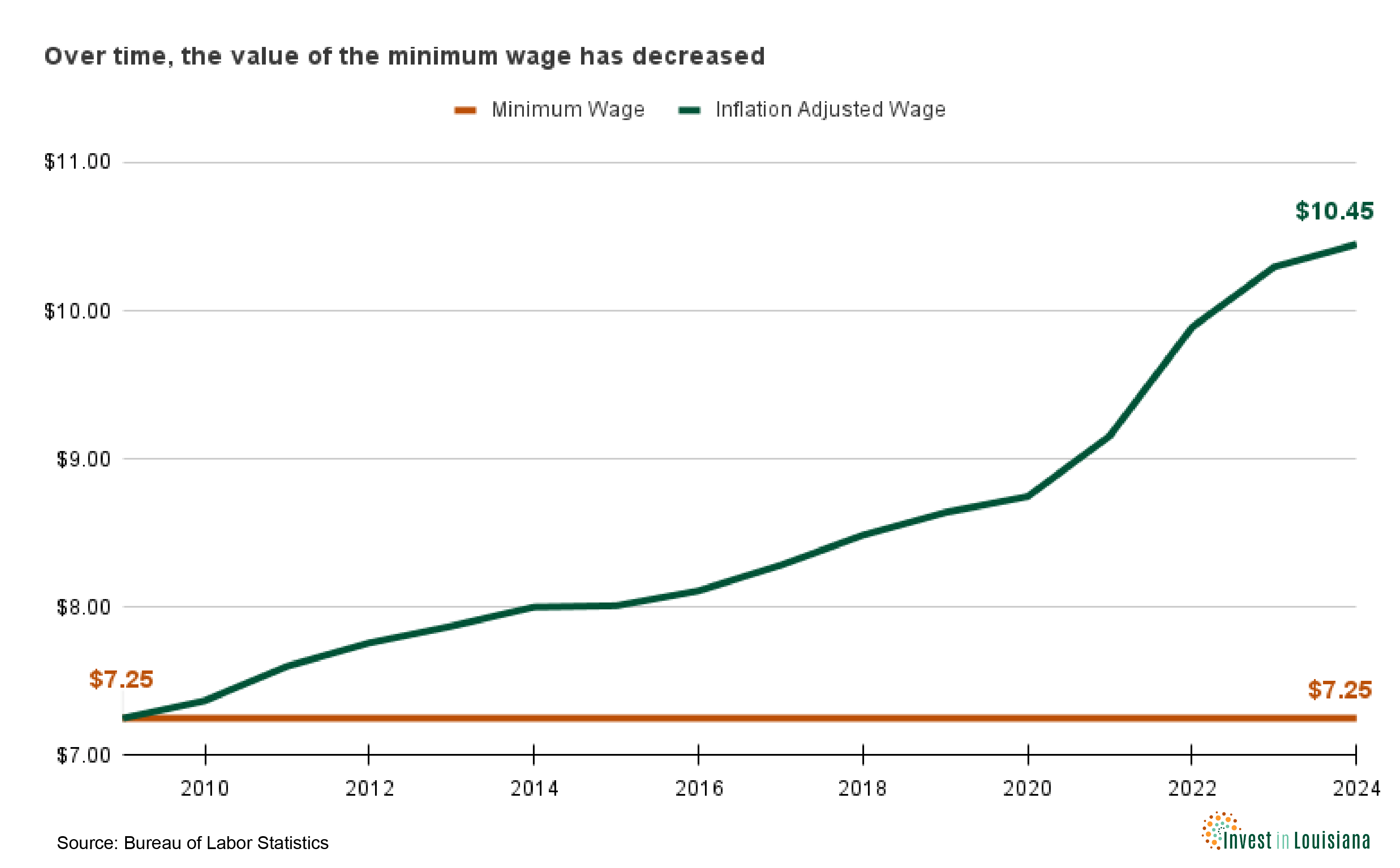
The federal minimum wage has seen several adjustments over the decades, reflecting economic changes and political debates. However, its current rate has remained static for a considerable period, leading to ongoing discussions about its adequacy in today’s economy. For workers in Louisiana, particularly those in the service and tourism sectors, this means their baseline earnings are tied directly to decisions made at the national level, rather than through state-specific legislation that might account for local economic conditions or the cost of living.
A Historical Perspective on Wage Laws in the U.S.
The concept of a minimum wage in the United States was a revolutionary idea in the early 20th century, emerging from the Progressive Era’s push for social and economic reforms. Before the FLSA, wage rates were largely unregulated, leading to widespread poverty and exploitation of workers. The passage of the FLSA marked a significant shift, establishing not only a minimum wage but also regulations for overtime pay, child labor, and record-keeping.
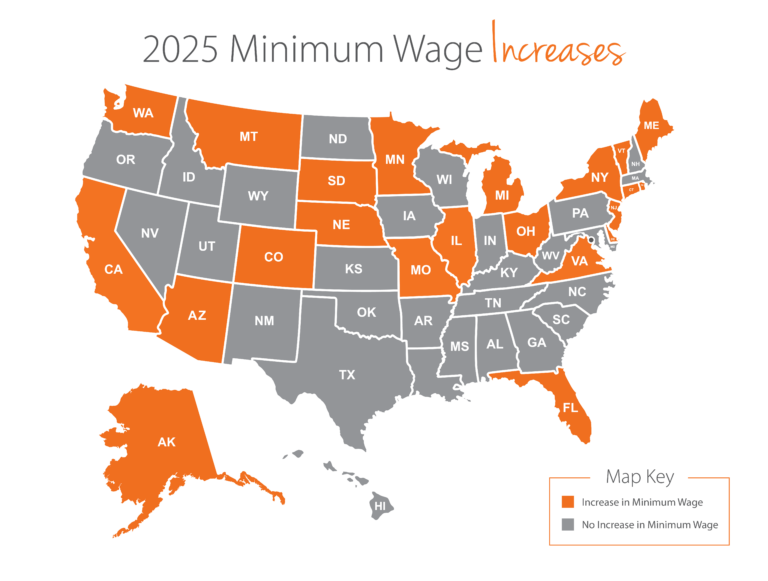
Over time, states were given the option to establish their own minimum wage laws, provided they were equal to or higher than the federal standard. This led to a patchwork of wage laws across the country. States like California and New York have proactively raised their minimum wages significantly above the federal level, often incorporating annual increases tied to inflation or cost of living indices. Other states, including Louisiana, have opted to remain solely under the federal umbrella, reflecting different political philosophies and economic priorities. This approach in Louisiana sparks continuous debate, particularly in discussions surrounding the state’s economic competitiveness and the welfare of its workforce.
The Nuances of the Federal Minimum Wage in Practice
While the federal minimum wage provides a baseline, there are specific exemptions and rules that can further complicate its application. For example, tipped employees, such as waiters and waitresses in New Orleans‘s bustling restaurant scene, can be paid a lower direct cash wage, provided their tips bring their total hourly earnings up to at least the federal minimum wage. This “tip credit” system is a common practice in the hospitality industry across the United States and is particularly relevant in Louisiana, where tourism and dining are cornerstone industries.
Understanding these nuances is essential for both employers and employees, as well as for those observing the state’s economic health. The reliance on tips can introduce income volatility for workers, which in turn can impact their lifestyle, ability to secure stable housing, or even their capacity to save for future travel. For visitors, a thriving, fairly compensated service industry often translates into better service and a more authentic experience, highlighting the interconnectedness of labor policy and tourism quality.
Implications for Louisiana’s Workforce and Economy
The absence of a state-specific minimum wage in Louisiana has significant implications for its workforce, businesses, and the broader economy, especially within its prominent tourism and hospitality sectors. While some argue that a lower minimum wage helps businesses, particularly small ones, by reducing labor costs, others contend that it can suppress wages, contribute to higher rates of poverty, and reduce consumer spending power, ultimately hindering economic growth.
Challenges for Low-Wage Workers in Tourism
Louisiana’s vibrant tourism industry, from the jazz clubs of New Orleans to the historic plantations near Baton Rouge and the casinos of Lake Charles, heavily relies on a dedicated workforce of hotel staff, restaurant employees, tour guides, and entertainment professionals. Many of these positions are hourly wage jobs, and without a state minimum wage above the federal standard, these workers often find themselves earning at or very near the federal rate.
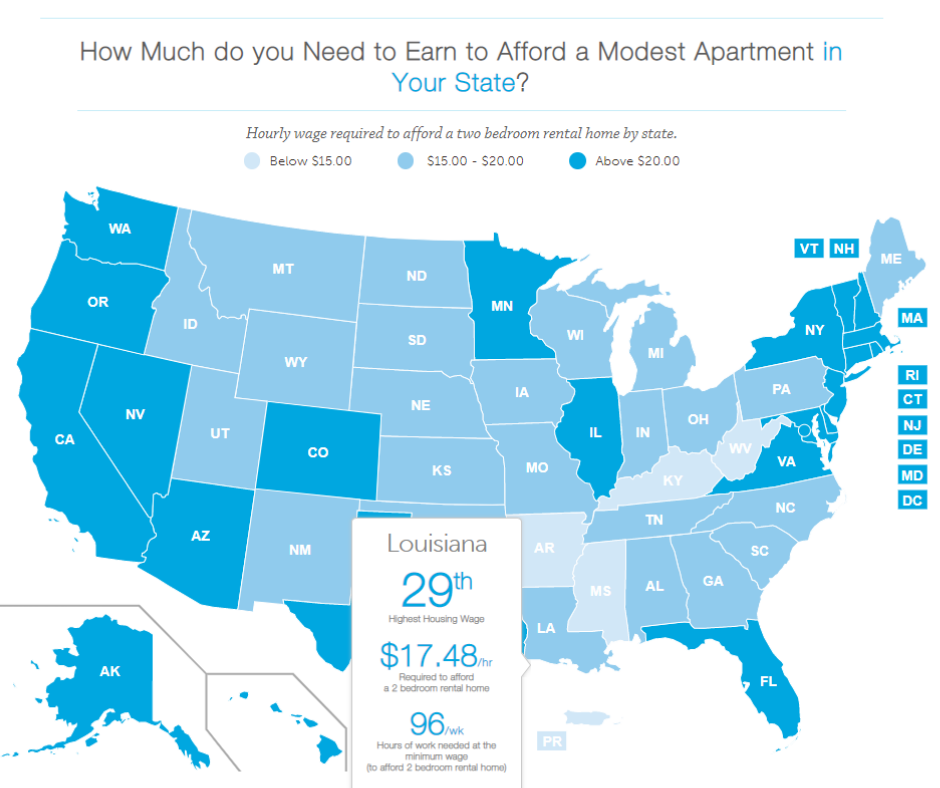
This can create significant challenges. The cost of living, even in states with a lower average cost than national hubs like California or New York, continues to rise. Housing, transportation, food, and healthcare costs can quickly consume a federal minimum wage income, making it difficult for individuals and families to achieve financial stability or pursue a comfortable lifestyle. This can lead to high turnover rates in crucial service industries, impacting the quality and consistency of services that visitors experience. A well-paid, stable workforce is often more engaged and provides a superior level of service, which is a key component of a memorable travel experience.
Economic Impact on Local Businesses
For local businesses, particularly small and medium-sized enterprises (SMEs) that are the backbone of Louisiana’s unique character, the minimum wage discussion presents a dichotomy. On one hand, maintaining wages at the federal minimum can help control operating costs, which is especially critical for new ventures or those operating on thin margins. This might allow them to offer more competitive prices, which could attract more tourists seeking budget-friendly travel options.
On the other hand, a low minimum wage can also have adverse effects. It can make it harder to attract and retain skilled labor, especially in areas with competing employers or industries. Businesses might find themselves in a constant cycle of training new staff, which is inefficient and costly. Furthermore, if workers have less disposable income, local consumer spending decreases, affecting other businesses in a ripple effect. This underscores the delicate balance businesses must strike between managing costs and fostering a healthy, productive workforce that can contribute to the local economy.
Navigating the Cost of Living as a Resident or Visitor
Understanding the minimum wage in Louisiana is directly linked to understanding the cost of living within the state. For those considering a move to [Louisiana](https://lifeoutofthebox.com/louisiana] for work in the travel or hospitality sector, or for digital nomads exploring long-term accommodation options, this knowledge is crucial for budgeting and planning a sustainable lifestyle. Similarly, for tourists, while direct wage concerns might seem distant, the economic realities faced by locals indirectly influence the cost and quality of their travel experiences.
Budgeting for a Louisiana Getaway
Travelers to Louisiana come for diverse experiences: the music of New Orleans, the Cajun culture of Lafayette, the outdoors near Shreveport, or the historic charm of Monroe and Alexandria. While the cost of flights and hotels (Suites, Resorts, Apartments, Villas) varies, everyday expenses like dining, local transportation, and attraction entry fees are often tied to the local economy. A lower minimum wage might, in theory, translate to lower labor costs for businesses, which could be passed on as slightly lower prices for some goods and services. However, this is not always a direct correlation, as market forces, supply and demand, and brand positioning play significant roles.
Savvy travelers looking for budget travel tips can often find great value in Louisiana, especially outside of peak tourist seasons or in cities beyond New Orleans. However, it’s also important to acknowledge that the low wages for some local workers mean that generous tipping in the service industry is often more critical, as it forms a significant portion of their income. This becomes a crucial ethical consideration for visitors who want to support the local economy and its people responsibly.
The Human Element: Quality of Life and Travel Experience
Ultimately, discussions about minimum wage extend beyond economic figures to encompass the quality of life for residents and the overall travel experience for visitors. A workforce struggling to make ends meet might experience higher stress levels, which can subtly impact their interactions with tourists. Conversely, a community where workers feel valued and adequately compensated is more likely to thrive, offering richer cultural experiences and more welcoming hospitality.
For instance, the local culture of [Louisiana](https://lifeoutofthebox.com/louisiana] is famous for its warmth, hospitality, and joie de vivre. Preserving and enhancing this unique lifestyle for locals ensures that visitors continue to experience an authentic and vibrant destination. The economic stability of the people who make Louisiana what it is—from the musicians and chefs to the hotel staff and tour guides—is intrinsically linked to the longevity and allure of the state as a premier travel destination.
Looking Ahead: Debates and Future Possibilities
The debate over the minimum wage in Louisiana is ongoing and multifaceted. Advocates for a higher state minimum wage often point to rising living costs, the need to reduce poverty, and the potential for increased consumer spending to boost the economy. They cite examples from states that have successfully implemented higher minimum wages without significant job losses, arguing that businesses adapt and innovate.
Opponents, conversely, express concerns about potential job losses, increased operating costs for businesses (especially small businesses), and the possibility of inflation. They argue that market forces should determine wages and that government intervention can distort the economic landscape. These are valid points that contribute to the complexity of the discussion.
Potential for Local Ordinances
One interesting development in states without a statewide minimum wage is the push for local ordinances. While Louisiana does not currently have cities or parishes that have successfully implemented their own minimum wage above the federal standard, the possibility always exists. In other states, major cities like Seattle or San Francisco have enacted significantly higher local minimum wages, tailored to their specific economic environments and higher costs of living.
Should such movements gain traction in [Louisiana](https://lifeoutofthebox.com/louisiana], perhaps in a metropolitan area like New Orleans or Baton Rouge, it could create a dynamic where wage standards vary within the state. This would add another layer of complexity for businesses and workers but could also provide a means for communities to address local economic challenges more directly. For visitors, this could translate to varying price points and service experiences depending on the city or even neighborhood they choose to explore.
The Broader Economic and Lifestyle Landscape
Ultimately, the question of “What Minimum Wage In Louisiana?” is not just about a number; it’s about the economic health, social equity, and the sustainability of the unique lifestyle that Louisiana offers. As the state continues to attract millions of tourists annually and seeks to foster a thriving local economy, the conversation around fair wages remains a critical component of its future.
For travelers, recognizing the economic realities of the places they visit enhances their understanding and appreciation of local culture and people. For those considering relocation or a long-term stay, it’s a vital piece of information for financial planning. And for Louisiana itself, finding the right balance between supporting businesses and ensuring a living wage for its residents will be key to preserving its charm, fostering its growth, and continuing to offer an unparalleled experience to all who visit. The interplay of federal policy, state inaction, and local economic needs creates a dynamic environment where the impact of minimum wage extends far beyond the paycheck, touching upon every aspect of life out of the box in the Pelican State.
LifeOutOfTheBox is a participant in the Amazon Services LLC Associates Program, an affiliate advertising program designed to provide a means for sites to earn advertising fees by advertising and linking to Amazon.com. Amazon, the Amazon logo, AmazonSupply, and the AmazonSupply logo are trademarks of Amazon.com, Inc. or its affiliates. As an Amazon Associate we earn affiliate commissions from qualifying purchases.