
For many, the mention of a Boston Butt evokes images of smoky summer evenings, lively backyard gatherings, and the unparalleled satisfaction of perfectly tender, melt-in-your-mouth pulled pork. This iconic cut, a staple of Southern Cuisine and a celebrated part of American barbecue culture, has become a culinary quest for both seasoned chefs and enthusiastic home cooks alike. But beyond the tantalizing aroma and the promise of a delicious meal, lies a critical question that dictates success or failure: what temperature is a Boston Butt truly done?
Beyond the simple act of cooking, understanding the nuances of achieving the perfect internal temperature for a Boston Butt is an entry point into a broader world of culinary exploration, regional traditions, and even enriching travel experiences. For those who love to travel, discovering local food cultures, attending food festivals, or even preparing meals in unique accommodations like vacation rentals with outdoor grills, mastering this fundamental technique opens up a universe of gastronomic possibilities. This article delves deep into the science and art behind cooking a flawless Boston Butt, connecting it to the broader themes of travel, lifestyle, and the unforgettable tastes that define our adventures.
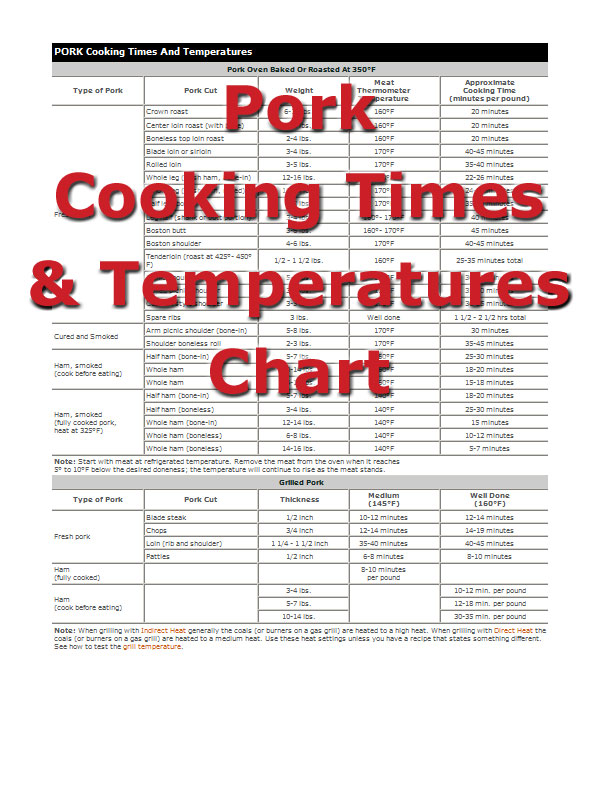
Understanding the Perfect Boston Butt: A Culinary Landmark
The quest for the ideal internal temperature for a Boston Butt is not merely about food safety; it’s about transforming a tough cut of meat into a succulent, shreddable masterpiece. This transformation is a culinary journey in itself, one that mirrors the rich tapestry of flavors and experiences we seek out in our travels.
What Exactly is a Boston Butt? A Culinary Journey
Despite its misleading name, the Boston Butt has no direct connection to Boston in the traditional sense, nor is it from the rear of the pig. In reality, it’s a bone-in pork shoulder cut from the upper part of the front leg, including the shoulder blade. The “butt” likely refers to the barrels or “butts” that pork used to be packed into for storage and transport in colonial New England. This rich, fatty cut is packed with connective tissue, making it ideal for low-and-slow cooking methods that break down these tough fibers into gelatin, resulting in that iconic tender texture.
For travelers, understanding the origins and characteristics of cuts like the Boston Butt offers a fascinating glimpse into regional culinary history. Exploring a destination’s food often means delving into its ingredients, and the Boston Butt stands as a monument to American barbecue tradition, particularly prevalent in the southeastern United States. It’s a foundational element of regional barbecue styles from the tangy vinegars of the Carolinas to the dry rubs of Memphis and the hearty traditions of Kansas City. Embracing these local delicacies is a core part of any authentic culinary tour and provides a deeper appreciation for the destinations themselves.
The Magic Number: Ideal Internal Temperature for Pulled Pork
The absolute sweet spot for a perfectly done, pull-apart Boston Butt typically falls between 200°F and 205°F (93°C-96°C). While some recipes might suggest lower temperatures, hitting this range ensures that the tough collagen and connective tissues have fully rendered into luscious gelatin, allowing the meat to shred effortlessly. This is often referred to as “probe tender,” where a thermometer or skewer slides into the meat with minimal resistance, feeling like it’s entering warm butter.
Why this specific range? Below 200°F, the connective tissues may not have fully broken down, resulting in a slightly chewier texture. Above 205°F, while still tender, you risk drying out the meat, sacrificing some of its succulence. It’s a delicate balance, much like planning a perfect itinerary – a few degrees either way can significantly impact the overall experience. Precision is key, and a reliable meat thermometer becomes an indispensable tool, guiding you through this intricate culinary dance. Just as you’d use a travel guide to navigate unfamiliar streets, a thermometer guides you to the heart of perfect pulled pork.
The Journey to Perfection: Methods and Monitoring
Achieving the ideal temperature for your Boston Butt is a slow and deliberate process, requiring patience, the right tools, and an understanding of the meat’s behavior. This journey mirrors the thoughtful planning that goes into a memorable trip, where each step contributes to the ultimate reward.
Smoking vs. Oven Roasting: A Flavorful Choice for Every Traveler
The method you choose for cooking your Boston Butt can significantly influence its flavor profile and texture, offering flexibility that can be tailored to various travel scenarios.
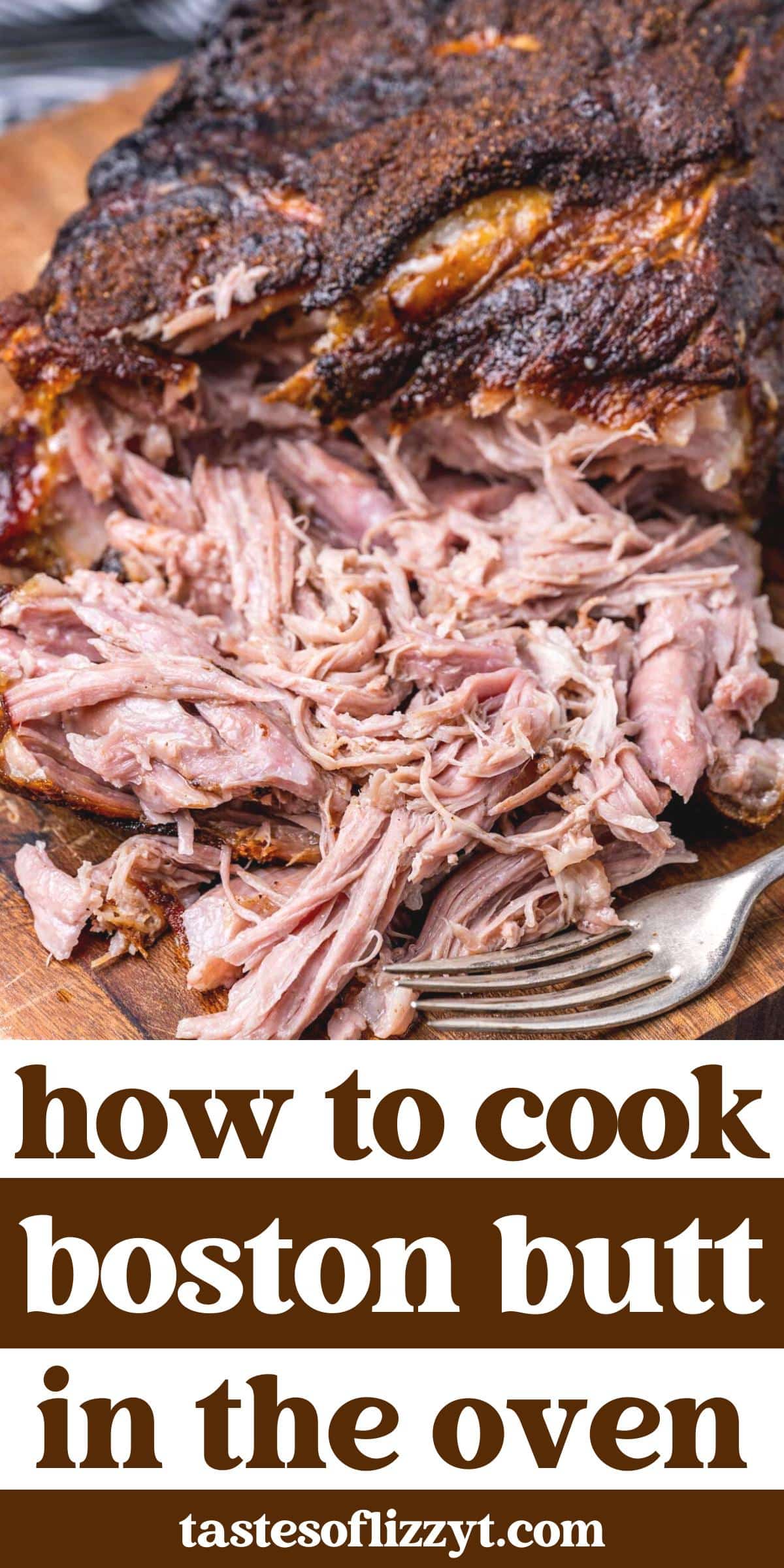
- Smoking: This is the traditional method, yielding the most authentic barbecue flavor infused with smoky notes from wood like hickory, oak, or apple. Using an offset smoker, a pellet grill, or even a basic charcoal grill with wood chips, involves maintaining a consistent low temperature (usually 225-275°F / 107-135°C) for many hours. This method is perfect for those staying in vacation rentals with outdoor grilling facilities, RV travel with portable smokers, or even for guests at certain luxury resorts that offer private outdoor kitchen amenities. It’s an immersive experience, akin to truly living like a local in a destination.
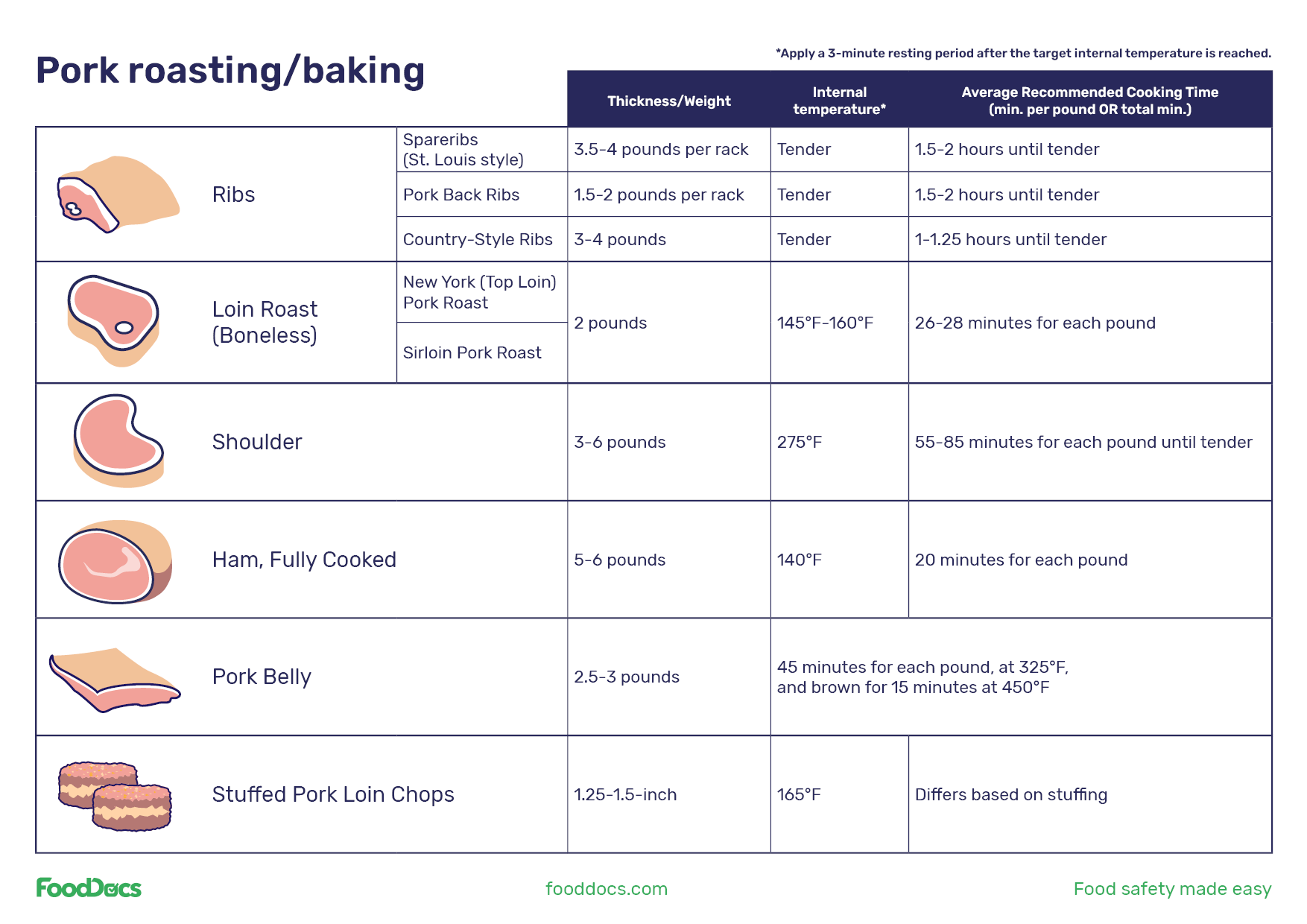
- Oven Roasting: While it won’t impart the smoky flavor, an oven can produce incredibly tender pulled pork. This method is ideal for those in apartments, hotel suites with full kitchens, or any accommodation where outdoor smoking isn isn’t feasible. Roasting at a low temperature (around 275-300°F / 135-149°C) still allows the connective tissue to break down slowly. You can add liquid smoke for a hint of barbecue flavor, or rely on a delicious rub to carry the taste. This offers a convenient option for travelers who wish to explore culinary endeavors even without specialized equipment.
- Alternative Methods: For the time-conscious traveler, modern appliances like a slow cooker or Instant Pot can also yield tender results, though often with a different texture and less bark development. These are great for whipping up a quick, comforting meal after a long day of sightseeing, allowing you to enjoy a taste of Southern comfort anywhere.
Regardless of the chosen method, an accurate, leave-in meat thermometer with an alarm function is your best friend. It allows you to monitor the internal temperature without constantly opening the smoker or oven, preserving heat and extending cooking time. This technology is as essential as a reliable GPS for navigating your culinary journey.
Navigating the Stall: Patience is a Virtue, Especially on Holiday
One of the most perplexing phenomena in cooking a Boston Butt is “the stall.” After several hours of steady temperature increase, the meat’s internal temperature can suddenly plateau, sometimes for hours on end, usually between 150°F and 170°F (65°C-77°C). This can be a source of frustration for the impatient, but it’s a natural part of the process, caused by evaporative cooling as moisture evaporates from the surface of the meat, similar to how sweating cools the human body.
For the traveling chef, encountering the stall is a lesson in patience and resilience, much like unexpected delays on a trip. The key is to resist the urge to crank up the heat significantly, which can lead to dry meat. Instead, trust the process. Some pitmasters “wrap” the meat in foil or butcher paper during the stall to push through it faster (the “Texas Crutch”), effectively steaming it past this phase while still retaining moisture. Others prefer to let it ride out, believing it contributes to a better bark. Either way, embracing the stall is an integral part of the Boston Butt journey, teaching a valuable lesson that good things come to those who wait – a mantra that applies equally to savoring a destination.
The Art of the Rest: Why Every Chef (and Traveler) Should Wait
Once your Boston Butt reaches its target internal temperature of 200-205°F and probes tender, the cooking isn’t quite finished. The most crucial step often overlooked is the rest. Removing the meat from the heat and allowing it to rest, loosely tented with foil, for at least one to two hours (or even longer, up to four hours in an insulated cooler), allows the muscle fibers to relax and reabsorb the juices that have been pushed to the center during cooking. Skipping this step means a significant loss of moisture and flavor when you shred the meat.
This resting period is akin to unwinding after a long day of exploring a new city. Just as you need time to process your experiences and recharge, the meat needs time to settle and become its best self. For the travel enthusiast who enjoys cooking, incorporating this rest into your meal preparation schedule, perhaps while enjoying an aperitif on the balcony of your hotel or catching up on travel plans, ensures a superior culinary outcome. It’s a moment of calm before the feast, a recognition that the journey itself is as important as the destination.
Beyond the Kitchen: Boston Butt as a Travel and Lifestyle Experience
The humble Boston Butt transcends its identity as a mere cut of pork; it becomes a gateway to cultural immersion, a focal point for social gatherings, and a skill that enhances the travel lifestyle.
Savoring Local Flavors: Boston Butt and Regional BBQ Tourism
For many, the allure of barbecue is synonymous with travel, especially across the United States. Each region boasts its distinct style, and the Boston Butt plays a starring role in many.
- In the Carolinas, particularly North Carolina and South Carolina, pulled pork is often served with a vinegar-based sauce or a Carolina Gold Sauce (a mustard-based sauce), a tangy counterpoint to the rich meat. The tradition of whole hog BBQ in this region is a culinary landmark in itself.
- Memphis, Tennessee, is famous for its wet and dry ribs, but also for succulent pulled pork, often characterized by a sweet and spicy Memphis Dry Rub and a tomato-based sauce.
- While Texas is often associated with Texas Brisket, its barbecue scene is diverse, and you can certainly find excellent pulled pork prepared with a hearty, peppery rub.
- Kansas City, Missouri, offers a wide variety of meats, often slathered in a thick, sweet, and smoky tomato and molasses-based sauce.
Embarking on a BBQ road trip is a fantastic way to experience these regional differences firsthand. Visiting renowned BBQ restaurants or attending local food festivals dedicated to barbecue can be a highlight of any trip. These experiences aren’t just about eating; they’re about engaging with local culture, meeting passionate pitmasters, and understanding the deep-rooted traditions that shape a community’s identity. It’s a culinary adventure that allows you to taste the history and soul of a place, far more profound than any typical tourist attraction.
Integrating BBQ into Your Travel Lifestyle: From Glamping to Gourmet Stays
The joy of cooking a perfect Boston Butt doesn’t have to be confined to your home kitchen. For those who embrace a travel lifestyle, this skill can enhance various types of trips:
- Vacation Rentals and Airbnb Escapes: Many vacation rentals come equipped with outdoor grills or full kitchens, offering the perfect opportunity to prepare a slow-cooked masterpiece for family and friends while away. Imagine a beach house gathering with homemade pulled pork sliders, or a cozy mountain cabin filled with the aroma of smoked meat.
- Luxury Resorts with Culinary Experiences: Some high-end resorts offer cooking classes, private chef services, or even fully equipped villas where you can hone your barbecue skills under expert guidance. This blend of luxury and hands-on experience creates a unique gourmet travel memory.
- Camping and Glamping: Portable smokers and grills make it possible to enjoy slow-cooked barbecue even in the great outdoors. Imagine the rich flavors of pulled pork after a day of hiking, a truly elevated camping meal.
- Culinary Skill Enhancement: Learning to perfectly cook a Boston Butt is a rewarding skill that adds depth to your lifestyle. It’s a topic of conversation, a source of pride, and a way to bring people together, whether at home or during a travel gathering.
This versatile skill embodies the spirit of exploration – not just of places, but of flavors and personal capabilities. It transforms cooking from a chore into an engaging activity, making every meal an experience to savor.
Mastering the art of cooking a Boston Butt to its ideal temperature of 200-205°F is a rewarding culinary achievement that extends far beyond the kitchen. It’s a journey of patience, precision, and a deep appreciation for the transformation of simple ingredients into extraordinary flavors. For the intrepid traveler and lifestyle enthusiast, this skill is a passport to discovering rich cultural traditions, engaging in unique culinary experiences, and creating unforgettable memories, whether you’re exploring the barbecue trails of the United States or simply enjoying a home-cooked meal in an exotic vacation rental. So, grab your meat thermometer, embrace the low-and-slow philosophy, and embark on your own delicious adventure, one perfectly tender shred of pork at a time.
LifeOutOfTheBox is a participant in the Amazon Services LLC Associates Program, an affiliate advertising program designed to provide a means for sites to earn advertising fees by advertising and linking to Amazon.com. Amazon, the Amazon logo, AmazonSupply, and the AmazonSupply logo are trademarks of Amazon.com, Inc. or its affiliates. As an Amazon Associate we earn affiliate commissions from qualifying purchases.