
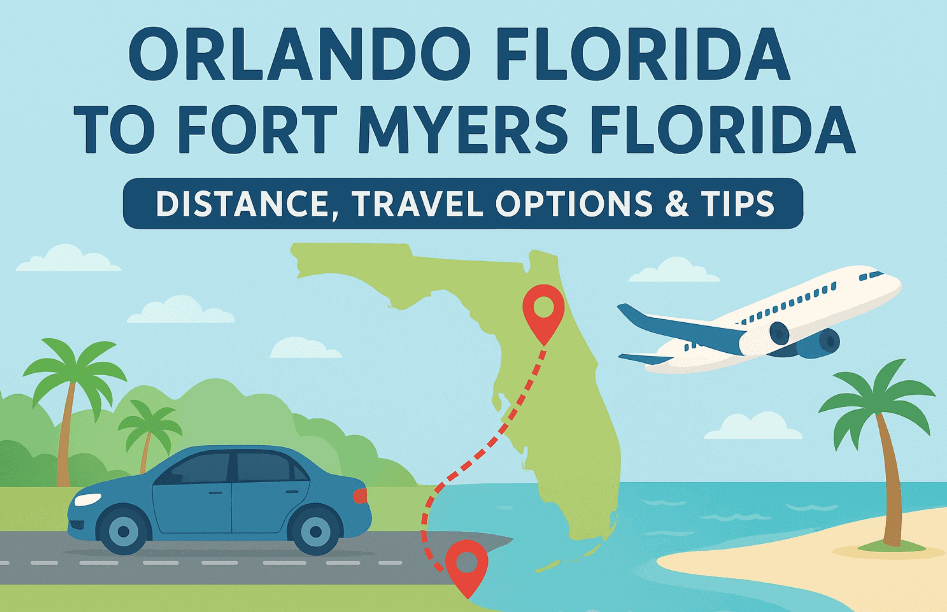
Embarking on a journey between two of Florida’s most popular destinations, Orlando and Fort Myers, offers a delightful contrast in experiences. While both cities bask in the sunshine and offer a wealth of attractions, understanding the distance between them is crucial for planning your Florida adventure. This guide delves into the specifics of the journey, helping you make informed decisions about how to travel, what to expect, and how to maximize your time exploring the diverse landscapes and vibrant cultures that lie between these two key locations.
The Driving Distance and Time: Navigating the Road Between Cities
The most common and often the most flexible way to travel between Orlando and [Fort Myers](https://lifeout Myers) is by car. The primary route involves a blend of interstate highways and state roads, offering a scenic drive through the heart of Florida.

Route Options and Considerations
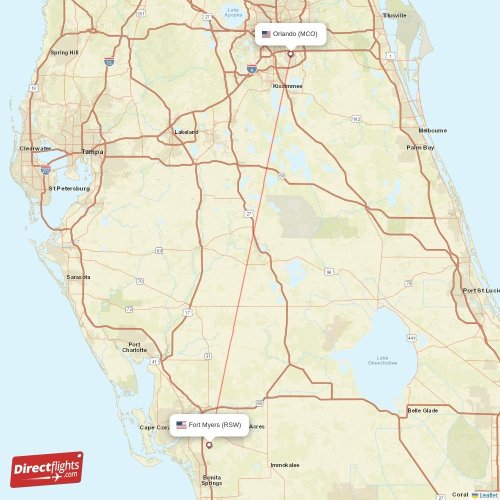
The most direct route typically utilizes Florida’s excellent highway system. Commencing from Orlando, drivers will generally head south or southwest, connecting with major arteries that lead towards the Gulf Coast. A common path involves taking the Florida’s Turnpike south, then merging onto State Road 528 West, which eventually leads to Interstate 4 (I-4) West. From I-4, the journey continues towards Tampa, where you’ll then transition onto I-75 South. Following I-75 South will bring you directly to the Fort Myers area.
The total driving distance is approximately 150 to 160 miles, depending on your exact starting and ending points within each city and the specific route taken. This distance translates to an estimated driving time of around 2.5 to 3 hours. However, this is a projection under ideal traffic conditions. Several factors can influence your actual travel time:
- Traffic Congestion: Both Orlando and the surrounding areas, especially as you approach Tampa and the I-75 corridor, can experience significant traffic. Commute times, particularly during peak hours on weekdays, can add considerable delays. Likewise, the approach to Fort Myers can also see increased volume, especially on weekends or during tourist seasons.
- Road Construction: Florida is continually undergoing infrastructure development. Road construction projects, especially along major interstates like I-75, can lead to lane closures and slowdowns, impacting travel times. It’s advisable to check real-time traffic updates before and during your journey.
- Stops and Detours: The beauty of a road trip is the ability to stop and explore. If you plan to make any sightseeing stops along the way, such as visiting attractions in the Tampa Bay area or smaller towns, your overall journey time will naturally extend.
For those who prefer a more direct route, some navigation systems might suggest routes that bypass some of the larger metropolitan areas, but these often involve more local roads and could potentially take longer. The I-75 South route is generally the most efficient for covering the distance between Orlando and Fort Myers.
Alternative Travel Options: Beyond the Driver’s Seat
While driving offers unparalleled flexibility, several other transportation methods can bridge the gap between Orlando and Fort Myers, catering to different preferences and budgets.
Flights: The Swift but Indirect Approach
Direct commercial flights between Orlando International Airport (MCO) and Southwest Florida International Airport (RSW) in Fort Myers are not typically a direct, common option. Most travel between these two cities is handled by ground transportation due to the relatively short distance.
However, if one were to consider flying, it would likely involve connecting flights, which would significantly increase the overall travel time and cost, making it a less practical choice for this specific journey. The time spent traveling to the airport, going through security, boarding, the flight itself (even with a direct flight if one were available), deplaning, and then collecting luggage, would likely rival or exceed the time spent driving, especially when factoring in travel to and from airports. Therefore, for most travelers, flying is not the recommended mode of transport for this particular route.
Bus Services: Budget-Friendly and Relaxed Journeys
For budget-conscious travelers or those who prefer not to drive, bus services offer a viable option. Several intercity bus companies operate routes that connect Orlando and Fort Myers. These services typically depart from designated bus terminals in Orlando and arrive at similar terminals in Fort Myers.
The journey by bus can take longer than driving, often ranging from 4 to 6 hours, depending on the number of stops and the specific route. While this is a less direct option than driving, it allows passengers to relax, read, or enjoy the scenery without the stress of navigating traffic. Bus companies often offer amenities such as Wi-Fi and comfortable seating, making the journey more enjoyable. It’s recommended to book tickets in advance, especially during peak travel seasons, to secure preferred seats and potentially better prices.
Ride-Sharing and Shuttles: Convenient but Potentially Costly
Ride-sharing services like Uber and Lyft can offer a convenient door-to-door experience for the journey between Orlando and Fort Myers. While this eliminates the need to rent a car or navigate public transport, the cost for such a long trip can be substantial. It is advisable to get a price estimate before booking.
Private shuttle services or shared vanpools may also be available, offering a middle ground between the cost of a private ride-share and the fixed schedule of a bus. These services often require advance booking and may have specific pick-up and drop-off points. Researching local shuttle companies operating between these two cities would be necessary to explore this option further.
Factors Influencing Your Journey: Planning a Smooth Transition
When planning your trip from Orlando to Fort Myers, several practical considerations can enhance your travel experience.
Best Times to Travel
The timing of your departure can significantly impact your travel experience. To avoid the heaviest traffic, it’s generally recommended to travel outside of peak rush hours. This means aiming for mid-morning departures (after 9:00 AM) or early afternoon (before 3:00 PM) on weekdays. Weekends can also experience higher traffic volumes as both locals and tourists travel for leisure. If you are traveling on a Friday afternoon or Sunday evening, be prepared for potentially longer travel times due to increased volume.
Preparing for the Drive
If you choose to drive, ensure your vehicle is in good condition. Check tire pressure, fluids, and brakes before setting off. Pack essentials such as water, snacks, a first-aid kit, and entertainment for the journey. A reliable GPS or navigation app is crucial for real-time traffic updates and route guidance. Consider downloading offline maps in case of spotty cell service. For longer drives, planning for a brief rest stop can help combat driver fatigue.
Connecting to Local Attractions
The distance between Orlando and Fort Myers also presents opportunities for exploration. The route along I-75 South passes near significant attractions. For instance, the Tampa Bay area offers numerous diversions, from theme parks like Busch Gardens Tampa Bay to the vibrant cultural scene of downtown Tampa and the historic charm of St. Petersburg. Further south, cities like Sarasota beckon with their beautiful beaches and artistic flair before you reach Fort Myers. Integrating a stop or two along this corridor can transform a simple transit into a more enriching travel experience.
Understanding the Destinations: Orlando vs. Fort Myers
The journey between Orlando and Fort Myers is not just about covering miles; it’s about transitioning between two distinct Florida experiences.
Orlando: The Entertainment Capital
Orlando is globally renowned as the theme park capital of the world. It is home to iconic attractions such as Walt Disney World Resort, Universal Orlando Resort, and SeaWorld Orlando. Beyond the thrill rides and magical experiences, Orlando offers a sophisticated dining scene, extensive shopping, and a growing number of cultural attractions, including museums and performing arts venues. It’s a destination that caters to families, thrill-seekers, and anyone looking for non-stop entertainment.
Fort Myers: The Gulf Coast Gem
In contrast, Fort Myers embodies the laid-back charm of Florida’s Gulf Coast. Known for its pristine beaches, abundant sunshine, and stunning natural beauty, it’s a haven for those seeking relaxation and outdoor adventures. Key attractions include the historic winter estates of Thomas Edison and Henry Ford, the vibrant downtown River District with its boutiques and restaurants, and the nearby islands like Sanibel Island and Captiva Island, famous for shelling and wildlife viewing. Fort Myers offers a more tranquil, nature-focused experience, perfect for unwinding and connecting with the coastal environment.
By understanding the distance and the various ways to travel, coupled with an appreciation for what each destination offers, you can effectively plan your transition between the energetic theme parks of Orlando and the serene beaches of Fort Myers, creating a truly memorable Florida itinerary.
LifeOutOfTheBox is a participant in the Amazon Services LLC Associates Program, an affiliate advertising program designed to provide a means for sites to earn advertising fees by advertising and linking to Amazon.com. Amazon, the Amazon logo, AmazonSupply, and the AmazonSupply logo are trademarks of Amazon.com, Inc. or its affiliates. As an Amazon Associate we earn affiliate commissions from qualifying purchases.