
The vibrant city of Boston, a beacon of American history and a thriving modern metropolis, holds a special place in the narrative of the United States. From its critical role in the American Revolution to its current status as a global hub for education, technology, and culture, Boston’s journey is fascinating. Travelers from around the world flock to this iconic destination to explore its rich past, savor its diverse culinary scene, and immerse themselves in its unique blend of old-world charm and contemporary sophistication. But before delving into its historical landmarks or navigating its bustling neighborhoods, a fundamental question often arises for visitors and history enthusiasts alike: When was the City of Boston founded?
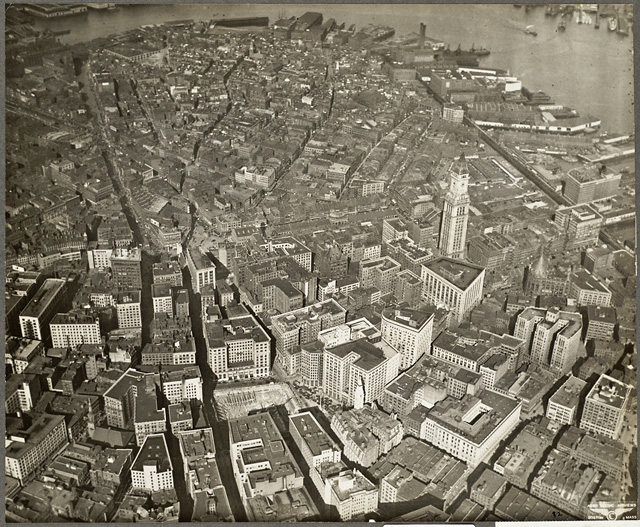
The official founding date of Boston is September 7, 1630. This seemingly precise date marks the official naming of the settlement by the leaders of the Massachusetts Bay Colony, laying the groundwork for what would become one of America’s most influential cities. However, the story of Boston’s genesis is far more nuanced than a single date, encompassing centuries of Indigenous habitation, the ambitious vision of Puritan settlers, and a series of pragmatic decisions that ultimately shaped its destiny. Understanding Boston’s founding is not just about a calendar date; it’s about appreciating the resilience, vision, and determination that characterized its early days, setting the stage for its enduring legacy as a premier travel destination and a living monument to American heritage.
The Dawn of a New Settlement: Puritan Beginnings
The story of Boston’s founding is intrinsically linked to the broader movement known as the Great Migration, an exodus of English Puritans seeking religious freedom and the opportunity to establish a “city upon a hill” – a model society based on their religious principles. These early settlers, disillusioned with the Church of England and the political climate of their homeland, embarked on a perilous journey across the Atlantic Ocean, carrying with them not only their belongings but also their hopes for a new beginning.
The Arrival of John Winthrop and the Great Migration
In the spring of 1630, a fleet of eleven ships, led by the flagship Arbella, arrived in what is now Massachusetts. Aboard these vessels were some 700 Puritan colonists, under the leadership of Governor John Winthrop. Winthrop, a lawyer and devout Puritan, was instrumental in shaping the vision and practicalities of the new colony. His famous sermon, “A Model of Christian Charity,” delivered aboard the Arbella, articulated the aspirational goal of the settlement: to create a virtuous community that would serve as an example to the rest of the world.
Upon their arrival, the initial landing points proved less than ideal. The first attempts to settle at places like Salem and Charlestown were met with harsh conditions, including a severe lack of fresh water and widespread disease. The challenging environment quickly necessitated a search for more suitable locations. It was during this period of exploration and hardship that the focus shifted to a small, pear-shaped peninsula known to the local Massachusett Native Americans as Shawmut, meaning “place where the canoes go.” This peninsula offered several critical advantages: a natural deep-water harbor, a defensible position, and, crucially, a source of fresh water from a spring known as Trimountain (now Beacon Hill).
The decision to move to Shawmut was heavily influenced by the advice of William Blaxton (also spelled Blackstone), an eccentric Anglican clergyman who had been living on the peninsula alone since 1625. Blaxton, who had emigrated earlier to escape religious persecution in England, had cultivated an orchard and found the essential fresh water supply that the new colonists desperately needed. He invited Winthrop and his company to settle on the western side of the peninsula, sharing his invaluable knowledge of the local environment. This act of generosity played a pivotal role in the survival and ultimate establishment of the Massachusetts Bay Colony’s primary settlement.
From Shawmut to Boston: The Official Naming
Following Blaxton’s invitation, a large number of the colonists, including Governor Winthrop himself, moved to the Shawmut Peninsula in September 1630. It was here, on this strategically vital piece of land, that the foundations of a permanent settlement began to take shape. The formal establishment of the settlement required a name, one that would honor their origins and signify their intentions.
On September 7, 1630, during a meeting of the Court of Assistants (the governing body of the Massachusetts Bay Colony), it was decreed that the settlement on the Shawmut Peninsula would officially be named Boston. This name was chosen in honor of Boston, Lincolnshire, a town in England from which many of the prominent early colonists, including John Winthrop, originated. The choice was a poignant nod to their English roots while simultaneously declaring their intention to build a new society distinct from the old. This act solidified the founding of the city, transitioning it from an unnamed Native American territory and a temporary Puritan encampment into a recognized English colonial settlement.
The naming marked the true beginning of the city as a planned colonial entity. From this point forward, the development of Boston accelerated, driven by the communal spirit and religious fervor of its Puritan inhabitants. The initial hardships were immense, with many succumbing to disease and starvation during the first harsh winter. Yet, the resolve of the settlers, coupled with the strategic advantages of the location, allowed Boston to not only survive but to quickly thrive as a significant port and the de facto capital of the Massachusetts Bay Colony.
Shaping a Colony: Early Growth and Resilience
Following its official founding, Boston rapidly transformed from a fledgling settlement into a bustling colonial center. Its strategic location on a natural harbor made it an ideal hub for trade and communication, while the intellectual fervor of its Puritan founders fostered a vibrant atmosphere of learning and political discourse. This period of early growth laid the groundwork for Boston’s future prominence, establishing its character as a resilient, innovative, and influential city.
A Hub of Commerce and Ideas
Boston’s natural deep-water harbor quickly propelled it to the forefront of colonial commerce. Ships laden with goods from Europe, the Caribbean, and other colonies regularly docked in its port, exchanging timber, furs, and fish for manufactured goods, rum, and molasses. This robust maritime trade fueled the city’s economic growth, attracting merchants, artisans, and laborers, and contributing to a diverse and dynamic population. The wharves and warehouses lining the waterfront became the lifeblood of Boston, shaping its urban landscape and defining its economic identity.
Beyond its commercial success, Boston also emerged as a vital intellectual and educational center in the colonies. The Puritan emphasis on literacy and education led to the establishment of the first public school in America, Boston Latin School, in 1635. Just a year later, in 1636, Harvard College was founded in nearby Cambridge, becoming the first institution of higher learning in the colonies. These foundational institutions cemented Boston’s reputation as a place where ideas flourished, drawing scholars and thinkers and fostering a climate of intellectual inquiry that would have profound implications for the nascent nation. Early printing presses further disseminated knowledge, making Boston a powerful voice in colonial discourse.
The architecture of early Boston reflected its Puritan values and practical needs, with simple, sturdy wooden structures, churches, and meeting houses dominating the landscape. As the city grew, more substantial brick buildings began to appear, especially near the bustling port. The layout, initially somewhat unplanned, gradually formalized, with key thoroughfares like Washington Street and Tremont Street forming the backbone of the city’s infrastructure.
Echoes of Revolution: Boston’s Pivotal Role
As the 18th century progressed, Boston’s economic prosperity and intellectual vibrancy also made it a hotbed of revolutionary sentiment. Its citizens, accustomed to self-governance and fiercely protective of their rights, became increasingly resentful of British colonial policies, particularly taxation without representation. Events like the Stamp Act Crisis and the Townshend Acts sparked widespread protests and resistance.
Boston became the epicenter of resistance against British rule, earning it the moniker “Cradle of Liberty.” Key events that ignited the American Revolution took place within its narrow streets and bustling harbor. The Boston Massacre in 1770, where British soldiers fired upon a crowd of Bostonians, and the Boston Tea Party in 1773, a daring act of defiance against British taxation, are just two examples of Boston’s pivotal role. Figures like Samuel Adams, John Hancock, and Paul Revere emerged from Boston to lead the charge for independence, their homes and meeting places becoming vital nodes in the revolutionary network.
The city bore the brunt of British retaliation, including the punitive Intolerable Acts, which closed its port and curtailed its self-governance. However, these measures only strengthened the resolve of Bostonians and galvanized support for independence across the colonies. The first shots of the American Revolution were fired near Boston in the battles of Lexington and Concord in April 1775, leading to the Siege of Boston and ultimately the British evacuation of the city in March 1776. Boston’s unyielding spirit and strategic importance during this era indelibly etched its place in American history, transforming it from a colonial outpost into a foundational city of a new nation.
Boston Today: A Timeless Destination
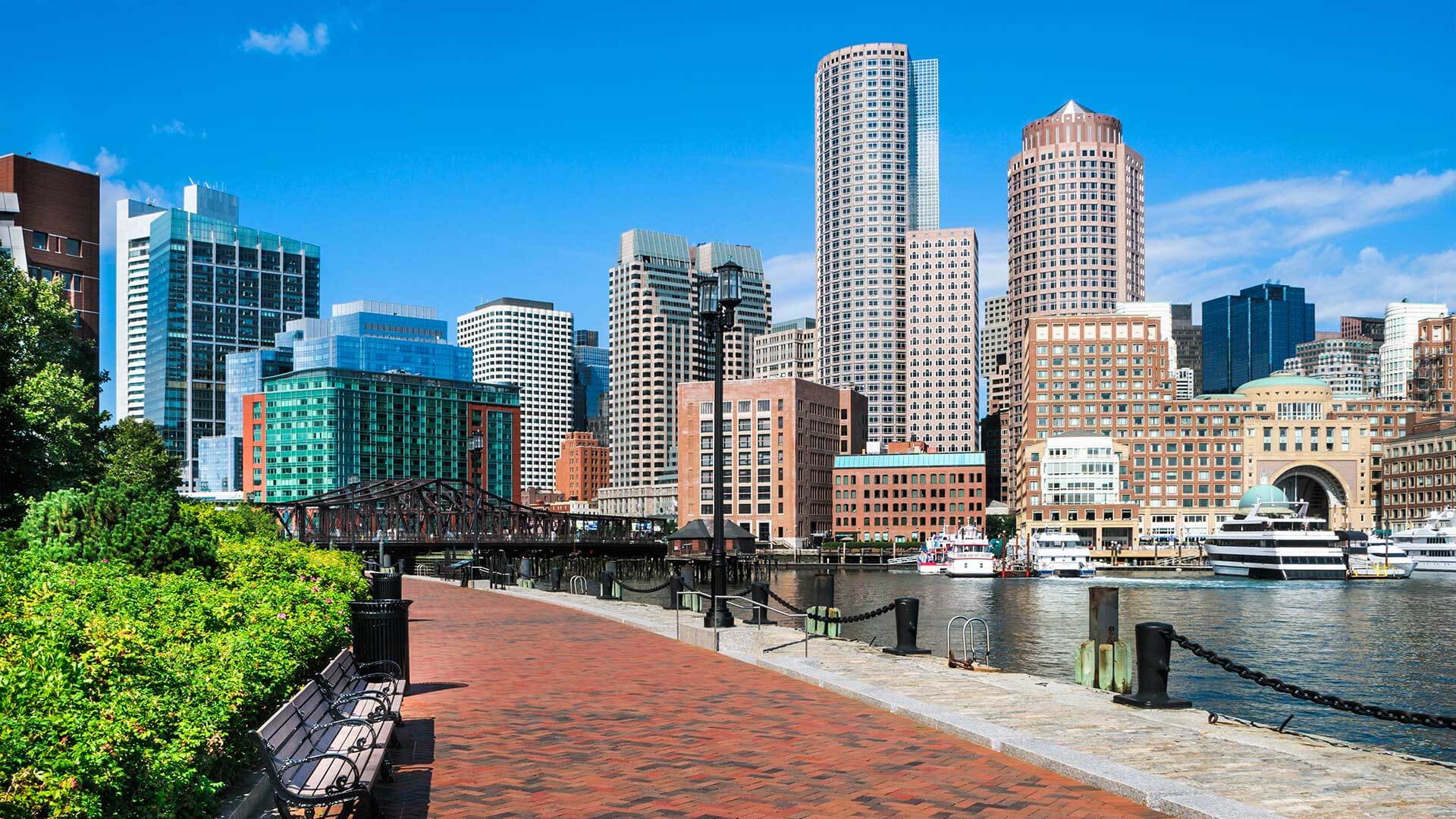
Today, Boston seamlessly weaves its rich historical tapestry with a dynamic modern identity. It is a city that respects its past while constantly innovating and evolving, making it an irresistible destination for travelers seeking diverse experiences. From the solemn weight of its revolutionary sites to the vibrant energy of its contemporary neighborhoods, Boston offers an unparalleled journey through time and culture.
Exploring Boston’s Historical Treasures
For history buffs, Boston is an open-air museum. The most famous route, the Freedom Trail, is a 2.5-mile red-lined path through downtown Boston that connects 16 historically significant sites. Walking the Freedom Trail is like stepping directly into the pages of American history. Visitors can explore the Massachusetts State House, the Old Granary Burying Ground (final resting place of many Revolutionary War figures), the Old South Meeting House where the Boston Tea Party was planned, and the site of the Boston Massacre Memorial.
Other iconic stops include Faneuil Hall, often called the “Cradle of Liberty” for its role as a meeting place for revolutionaries, which now buzzes with shops and eateries. Nearby, the Paul Revere House in the charming North End offers a glimpse into the life of the legendary patriot. Across the Charlestown Bridge, the majestic USS Constitution, the oldest commissioned warship afloat in the world, and the Bunker Hill Monument stand as enduring symbols of American courage. Each of these landmarks tells a vital part of the story of Boston’s journey from a nascent colony to a foundational city of the United States.
Modern Charms and Urban Exploration
Beyond its historical gravitas, modern Boston pulsates with contemporary energy, offering a wealth of attractions for every type of traveler. The aforementioned North End, Boston’s oldest residential neighborhood, remains a vibrant Little Italy renowned for its authentic Italian restaurants, bakeries, and charming streets. Beacon Hill, with its gas-lit lamps, cobblestone streets, and elegant federal-style row houses, exudes an old-world aristocratic charm, making it one of the most picturesque neighborhoods to explore.
Cultural institutions abound, catering to diverse interests. The Museum of Fine Arts houses an encyclopedic collection spanning centuries and continents, while the intimate and stunning Isabella Stewart Gardner Museum offers a unique art experience within a Venetian-palace-inspired setting. Science enthusiasts will enjoy the interactive exhibits at the Museum of Science, located on the Charles River Esplanade.
Green spaces provide tranquil retreats from the urban bustle. The Boston Common, America’s oldest public park, and the adjacent Public Garden, famous for its swan boats and vibrant floral displays, are perfect for leisurely strolls or picnics. The Rose Fitzgerald Kennedy Greenway, a series of parks built over the former elevated highway, offers a contemporary urban oasis with fountains, public art, and food trucks.
Boston’s culinary scene is a gastronomic delight, ranging from classic New England seafood (think clam chowder and lobster rolls) to innovative farm-to-table restaurants and diverse international cuisines reflective of its status as an international city. The Seaport District, a revitalized area, is particularly known for its trendy restaurants and vibrant nightlife.

Accommodation and Lifestyle in the Hub
As a major tourism destination, Boston offers a comprehensive range of accommodation options to suit every preference and budget. Luxury travelers can indulge in the opulent comfort of establishments like the Four Seasons Hotel Boston or the historic Omni Parker House, known for its literary history and traditional Boston cream pie. Boutique hotels like The Godfrey Hotel Boston offer personalized experiences and stylish design, often nestled in charming downtown districts.
For those seeking more budget-friendly options, numerous mid-range hotels and guesthouses are available, particularly in areas like the Theater District or near public transportation hubs. Families often opt for spacious suites or apartment-style accommodations, providing comfort and convenience for longer stays. Business travelers appreciate hotels with excellent amenities, meeting spaces, and proximity to the financial district or convention centers like the Boston Convention and Exhibition Center.
Many hotels leverage Boston’s unique character, offering packages that include historical tours, tickets to sporting events (especially for fans of the Boston Red Sox at Fenway Park), or culinary experiences. Booking accommodations well in advance is advisable, especially during peak tourist seasons (spring and fall) or major events. From upscale resorts overlooking the harbor to cozy B&Bs in historic neighborhoods, Boston’s lodging scene caters to a diverse array of lifestyles, ensuring that every visitor finds their perfect home away from home.
In conclusion, Boston’s official founding on September 7, 1630, marks a pivotal moment in American history. What began as a small Puritan settlement on the Shawmut Peninsula, chosen for its strategic location and fresh water, quickly grew into a bustling port, an intellectual beacon, and ultimately, the birthplace of the American Revolution. Today, Boston stands as a testament to this remarkable journey, offering an unforgettable blend of historical immersion, cultural richness, and modern urban appeal. Whether you’re tracing the steps of patriots along the Freedom Trail, savoring world-class cuisine, or simply enjoying the charm of its distinct neighborhoods, Boston promises an enriching travel experience that connects visitors deeply to the soul of America.
LifeOutOfTheBox is a participant in the Amazon Services LLC Associates Program, an affiliate advertising program designed to provide a means for sites to earn advertising fees by advertising and linking to Amazon.com. Amazon, the Amazon logo, AmazonSupply, and the AmazonSupply logo are trademarks of Amazon.com, Inc. or its affiliates. As an Amazon Associate we earn affiliate commissions from qualifying purchases.