
For many pet enthusiasts and prospective owners, the question of whether a specific animal is legal in their home state is paramount. This query becomes even more crucial when planning travel or considering relocation, especially to a state as diverse and ecologically sensitive as California. The Golden State, renowned for its stunning landscapes, vibrant cities, and strict environmental regulations, has a unique approach to exotic pet ownership. Among the many fascinating creatures that capture human interest, chinchillas often spark curiosity. These fluffy, endearing rodents are popular pets in many parts of the United States, but their legal status in California is a common point of confusion. This comprehensive guide will delve into the legality of owning chinchillas in California, explore the broader implications for pet travel and accommodation, and offer insights for responsible pet ownership within the state’s dynamic environment. Whether you’re a long-time chinchilla owner contemplating a move, a traveler hoping to bring your furry friend, or simply considering adding one of these unique creatures to your family, understanding the legal framework and practical considerations is essential for a smooth and enjoyable experience in California.

Navigating Pet Ownership Laws in the Golden State
California’s approach to animal welfare and wildlife conservation is among the most stringent in the nation. These regulations are designed to protect both the state’s delicate ecosystems from invasive species and to ensure the welfare of animals kept as pets. Understanding this framework is the first step in answering the question of chinchilla legality and navigating the broader landscape of exotic pet ownership in California.
The Legal Status of Chinchillas in California
Good news for chinchilla aficionados: chinchillas are indeed legal to own as pets in California without the need for a special permit. Unlike many other exotic animals that face strict regulations or outright bans, chinchillas are classified as domestic animals or non-restricted species under state law. This means that, from a legal standpoint, you can purchase, own, and care for a chinchilla in California much like you would a cat or a dog, though local ordinances may still apply, particularly regarding breeding or commercial sales.
The reason for their unrestricted status largely stems from their history and biological characteristics. Chinchillas (specifically Chinchilla lanigera and Chinchilla brevicaudata) originated in the Andes Mountains of Chile, Peru, Bolivia, and Argentina. While they are not native to California, they are not considered a significant threat as an invasive species due to their specific habitat requirements and relatively low risk of establishing wild populations in the state’s diverse climates. Their primary concern in the wild is their endangered status, due to historical fur hunting. Their domesticated counterparts have been selectively bred for generations, further distinguishing them from their wild relatives. The California Department of Fish and Wildlife (CDFW) maintains a comprehensive list of restricted and unrestricted animals, and chinchillas fall squarely into the latter category. This means prospective owners can breathe a sigh of relief, knowing their furry friends are welcome additions to Californian households.
Understanding California’s Exotic Pet Regulations
While chinchillas are legal, it’s crucial to understand that their status is an exception rather than the rule for many other non-native species. California maintains one of the most extensive lists of prohibited animals in the United States. These restrictions are in place for several compelling reasons:
- Protection of Native Wildlife: Non-native species can introduce diseases, compete for resources, or prey on native animals, disrupting delicate ecological balances.
- Public Safety: Certain animals pose inherent dangers to humans, such as venomous snakes, large predators, or primates.
- Agricultural Concerns: Some animals can transmit diseases to livestock or cause damage to crops.
- Animal Welfare: The state also aims to prevent the keeping of animals in conditions where their complex needs cannot be met, leading to neglect or suffering.
Examples of animals commonly restricted or requiring special permits include large felines, bears, wolves, non-native reptiles like iguanas and pythons, and certain birds. Importing any animal into California also typically requires health certificates from a licensed veterinarian and adherence to specific import regulations, often overseen by the California Department of Food and Agriculture (CDFA). Even for legal pets like chinchillas, basic common sense and ethical considerations dictate responsible ownership practices, ensuring they do not escape or are intentionally released into the wild, which could have unforeseen consequences.
Traveling with Your Chinchilla to California: What You Need to Know
Bringing a pet along for your travels, especially a unique companion like a chinchilla, adds an extra layer of planning to any trip. For those visiting or moving to California, knowing the specific requirements for your chinchilla’s journey and stay is key to a stress-free experience. From transportation logistics to finding suitable accommodation, thoughtful preparation ensures both you and your pet can enjoy the Golden State.
Planning Your Journey: Permits, Health Certificates, and Transportation
While chinchillas do not require special state permits for ownership in California, there are still important considerations when traveling with them, particularly if you’re crossing state lines or flying.
- Health Certificates: Many airlines and some states require a Certificate of Veterinary Inspection (CVI) or health certificate issued by a licensed veterinarian within a specific timeframe (usually 10-30 days) prior to travel. This document certifies that your chinchilla is healthy and free from contagious diseases. Always check with your chosen airline and destination state’s animal health department for the most current requirements.
- Airline Regulations: If flying, airlines have strict rules regarding pet transport. Small pets like chinchillas may be allowed in the cabin as carry-on luggage if they fit under the seat in an approved carrier, or they may need to travel in the cargo hold. Cabin travel is often preferred for chinchillas due to their sensitivity to temperature extremes and stress. The carrier must be well-ventilated, secure, and large enough for the chinchilla to stand up and turn around comfortably. Always book well in advance, as airlines often limit the number of pets allowed on each flight.
- Road Trips: Traveling by car offers more flexibility. Ensure your chinchilla’s carrier is secure and placed in a stable, temperate part of the vehicle, away from direct sunlight or extreme drafts. Regular breaks for hydration and a quiet environment are crucial. Remember that chinchillas are sensitive to heat, so never leave them unattended in a parked car, even for a short time, as temperatures can rise rapidly.
- Border Crossings: If traveling from Mexico or Canada, additional customs and animal import regulations apply. Always consult the appropriate governmental agencies (e.g., USDA for the United States) before attempting to cross international borders with any animal.
Thorough research into specific airline policies, current health requirements, and a visit to your veterinarian for a check-up and necessary documentation will make the journey much smoother for your chinchilla.
Finding Pet-Friendly Accommodation for Your Unique Companion
One of the biggest hurdles for travelers with pets is securing suitable accommodation. While many hotels advertise as “pet-friendly,” their policies often cater primarily to dogs and, to a lesser extent, cats. Owners of unique pets like chinchillas need to be more diligent in their search.
- Calling Ahead is Key: Never assume a hotel’s general pet policy applies to your chinchilla. Always call the specific hotel directly and speak with a manager or front desk staff member to confirm their policy regarding exotic or small caged animals. Be prepared to explain that chinchillas are small, quiet, caged rodents, similar to a hamster or guinea pig, to alleviate any concerns about potential damage or noise.
- Types of Accommodation:
- Hotels and Resorts: Many major hotel chains, such as Kimpton Hotels, are known for their exceptionally pet-friendly policies, often welcoming all types of pets without size or breed restrictions, though specific properties may vary. Luxury resorts like the Loews Coronado Bay Resort or urban havens like the Grand Hyatt San Francisco in major cities often have robust pet programs, but confirmation is still vital.
- Apartments and Villas: For longer stays, booking a pet-friendly apartment or villa through platforms like Airbnb or VRBO can offer more flexibility and a home-like environment. Again, direct communication with the host about your chinchilla is essential.
- Extended Stay Hotels: Brands focusing on longer stays often have more accommodating pet policies.
- Amenities and Considerations: When searching for accommodation, consider not only if they allow your chinchilla but also the amenities. Do they have quiet rooms away from high-traffic areas? Is there space in the room for your chinchilla’s cage? Are there any pet fees or deposits? Ensuring your chinchilla has a stable, quiet, and temperature-controlled environment within your accommodation is paramount for their well-being. Keeping their cage clean and ensuring they don’t chew on hotel property will help foster positive experiences for future pet owners.
Chinchillas as Companions: Care, Considerations, and Responsible Pet Ownership
Chinchillas are not your average pet. Their unique needs, long lifespan, and delicate nature require dedicated care and a significant commitment from their owners. When considering adding a chinchilla to your life in California, it’s essential to understand what responsible ownership entails, especially within the state’s diverse climate and lifestyle offerings.
The Allure of Chinchillas: What Makes Them Unique Pets
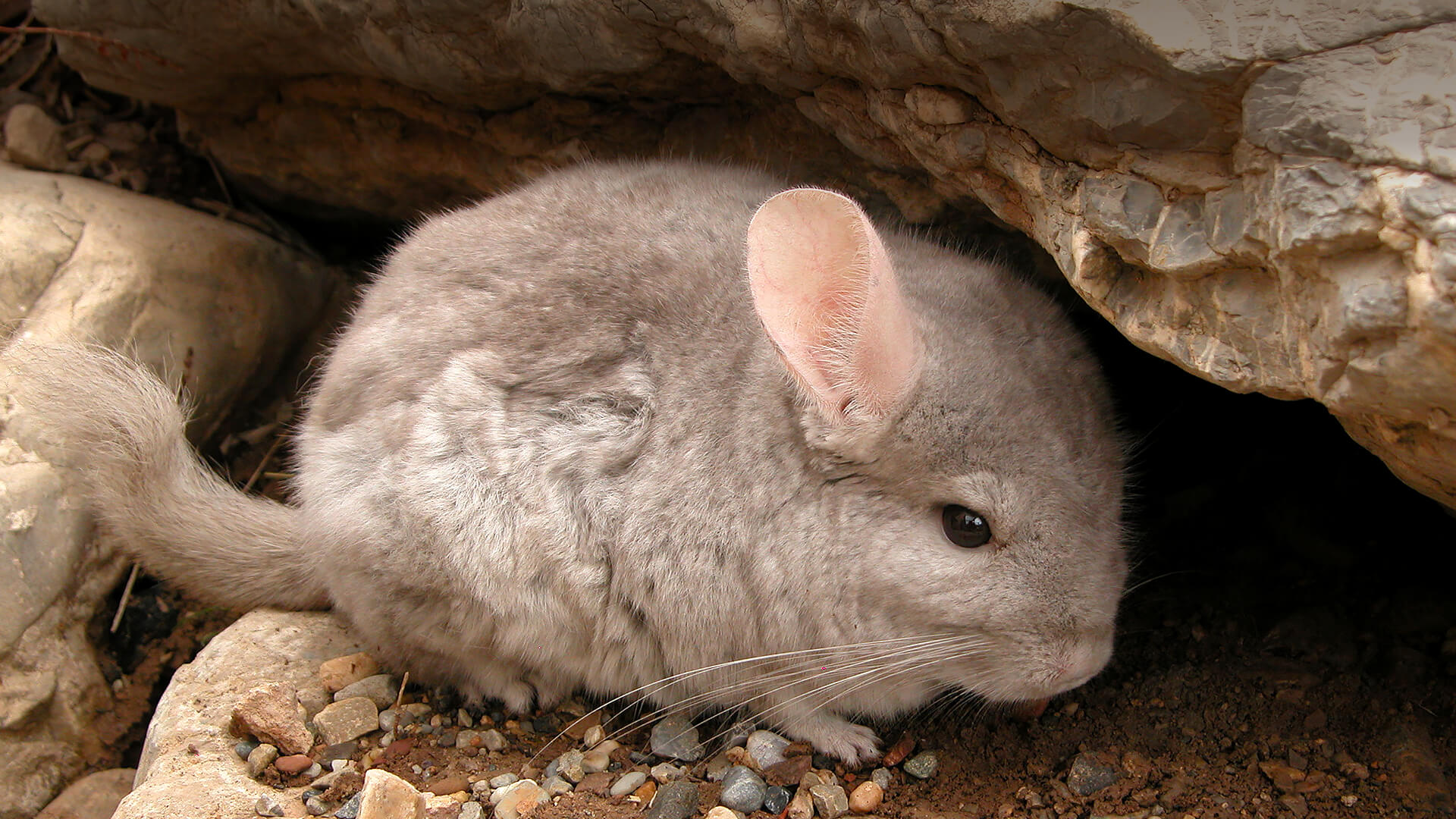
Chinchillas are renowned for their incredibly soft, dense fur, which is among the densest of any land mammal. This fur, which feels like velvet, is part of their natural defense mechanism against the cold, dry climate of the Andes Mountains. Beyond their luxurious coats, chinchillas are cherished for several reasons:
- Long Lifespan: With proper care, chinchillas can live for 10-20 years, making them a long-term commitment, comparable to a cat or small dog.
- Quiet and Clean: Unlike many pets, chinchillas are relatively quiet, making soft chirps and squeaks. They are also known for being very clean animals, primarily due to their dust bathing habits which keep their fur pristine and free of oils.
- Playful and Affectionate: While they may not be as overtly cuddly as some pets, chinchillas can be very playful and form strong bonds with their owners. They enjoy interactive play and will often “popcorn” (jump excitedly) when happy.
- Nocturnal Nature: As crepuscular animals, they are most active during dusk and dawn, which can suit owners with busy daytime schedules.
However, their unique physiology comes with specific care requirements. Their dense fur means they are highly susceptible to heatstroke; temperatures above 75°F (24°C) can be dangerous. They require a large cage with plenty of climbing opportunities, a specialized diet of high-quality chinchilla pellets and hay, and daily dust baths using chinchilla-specific dust (never water baths). Socialization is also key, as they are herd animals and thrive on companionship, whether from another chinchilla or consistent interaction with their human family.
Ensuring a Safe and Healthy Environment for Your Chinchilla in California
Bringing a chinchilla into a California home means adapting their care to the local environment and ensuring access to appropriate resources.
- Climate Control: California’s climate varies dramatically, from the cool coastal regions of San Francisco to the scorching deserts of Palm Springs. Air conditioning is often a necessity, especially during the warmer months, to keep your chinchilla’s environment below their critical temperature threshold. A dedicated room with consistent temperature control, away from direct sunlight and drafts, is ideal.
- Veterinary Care: Access to specialized veterinary care for exotic pets is crucial. While general veterinarians might treat common ailments, finding a vet experienced with chinchillas and other small rodents (exotics vet) is highly recommended. Major metropolitan areas like Los Angeles, San Diego, and Sacramento typically have several such specialists. Regular check-ups are important for preventive care, given their long lifespan.
- Habitat and Enrichment: A spacious, multi-level cage, ideally wire-mesh (not plastic, which they will chew through), is essential. It should be furnished with safe chew toys (untreated wood), a dust bath house, a hidey-house for security, and a solid-surface exercise wheel to prevent foot injuries. Enrichment is vital to prevent boredom and ensure mental stimulation for these intelligent creatures.
- Responsible Ownership: Even though chinchillas are legal, it is paramount for owners to prevent their escape. A loose chinchilla not only faces significant danger from predators and traffic but also, however unlikely, could theoretically establish a feral population, posing a risk to local ecosystems. Never release an unwanted pet into the wild. Instead, seek reputable rescues or rehoming options.
Exploring California with Pets: Beyond Chinchillas
While the focus has been on chinchillas, understanding the broader landscape of pet-friendly travel and activities in California is beneficial for any animal lover. The state offers a wealth of experiences for those who wish to include their furry family members in their adventures, whether it’s a dog, a cat, or even a smaller companion like a chinchilla (when appropriate and safe).
Pet-Friendly Destinations and Activities Across California
California is a diverse state, and while national parks like Yosemite National Park or landmarks like Hearst Castle and theme parks such as Disneyland, Universal Studios Hollywood, Legoland California, or SeaWorld San Diego typically have strict rules regarding pets (often only allowing service animals in certain areas), many other attractions and natural areas warmly welcome pets.
- Coastal Towns: Quaint seaside communities like Carmel-by-the-Sea are renowned for their dog-friendly beaches, shops, and restaurants, making them perfect for a leisurely stroll with your canine companion. Santa Monica and Laguna Beach also offer various pet-friendly spots, from boardwalks to outdoor cafes.
- Urban Adventures: Major cities like San Francisco, Los Angeles, and San Diego boast numerous dog parks, pet-friendly patios, and scenic trails. Walking the Golden Gate Bridge with your leashed dog is a memorable experience.
- Wine Regions: Areas like Napa Valley and Paso Robles are increasingly pet-friendly, with many wineries welcoming well-behaved dogs on their grounds and tasting patios.
- Nature Trails and Parks: Beyond the national parks, numerous state parks and local trails throughout California (e.g., in Santa Barbara, Ventura, or around Lake Tahoe and Monterey Bay) allow pets on leash. Always check specific park regulations, especially concerning wildlife protection areas, for example, at Joshua Tree National Park or along the Big Sur coast.
For chinchilla owners, outdoor excursions are generally not advisable due to their delicate health and high-stress levels in unfamiliar environments. However, understanding the pet-friendly culture of California can inform your choice of accommodations, ensuring a comfortable base for your pet while you explore.

Making the Most of Your California Adventure with Animal Companions
Integrating pets into your travel and lifestyle in California requires a blend of meticulous planning, flexibility, and a commitment to responsible pet ownership.
- Research is Paramount: Before booking any accommodation or planning an activity, always double-check pet policies directly with the establishment. Online listings can sometimes be outdated or generalize policies.
- Pack a Pet Travel Kit: Include essential items like food, water, bowls, any necessary medications, a first-aid kit, favorite toys, a leash/harness, waste bags, and bedding. For chinchillas, this includes their dust bath, specific hay, and pellets.
- Prioritize Pet Health and Safety: Ensure your pet is up-to-date on vaccinations and has identification tags or microchips. Never leave pets unattended in cars, especially in California’s often warm climates. Respect local leash laws and clean up after your pet promptly.
- Consider Pet Sitters or Daycare: For activities where your pet cannot join, research reputable pet sitting services or doggy daycares in your destination city. This provides a safe and stimulating environment for your pet while you enjoy non-pet-friendly attractions.
- Be a Responsible Tourist: By adhering to all regulations, being considerate of other travelers, and ensuring your pet is well-behaved, you contribute to a positive perception of pet owners, encouraging more establishments to welcome animal companions in the future.
In conclusion, chinchillas are indeed legal and welcome residents of California. While their unique needs require careful consideration for both daily life and travel, the Golden State offers a pet-friendly environment for a wide array of animal companions. By understanding the laws, planning ahead, and practicing responsible ownership, you can ensure a fulfilling and adventurous life for yourself and your beloved chinchilla, or any other pet, within the vibrant tapestry of California.
LifeOutOfTheBox is a participant in the Amazon Services LLC Associates Program, an affiliate advertising program designed to provide a means for sites to earn advertising fees by advertising and linking to Amazon.com. Amazon, the Amazon logo, AmazonSupply, and the AmazonSupply logo are trademarks of Amazon.com, Inc. or its affiliates. As an Amazon Associate we earn affiliate commissions from qualifying purchases.