
California, a state synonymous with golden beaches, towering redwoods, and the bustling metropolises of Los Angeles and San Francisco, might seem an unlikely place to find active volcanoes. Yet, beneath its picturesque facade, the Golden State harbors a dynamic geological secret: it is home to numerous volcanoes, many of which are considered active. Far from being a mere historical footnote, these volcanic landscapes offer some of the most dramatic scenery, unique outdoor adventures, and intriguing natural phenomena in the United States. From towering peaks that dominate the horizon to bubbling mud pots and steaming fumaroles, California’s volcanic heritage is a captivating draw for travelers, scientists, and anyone seeking to connect with the raw power of the Earth.
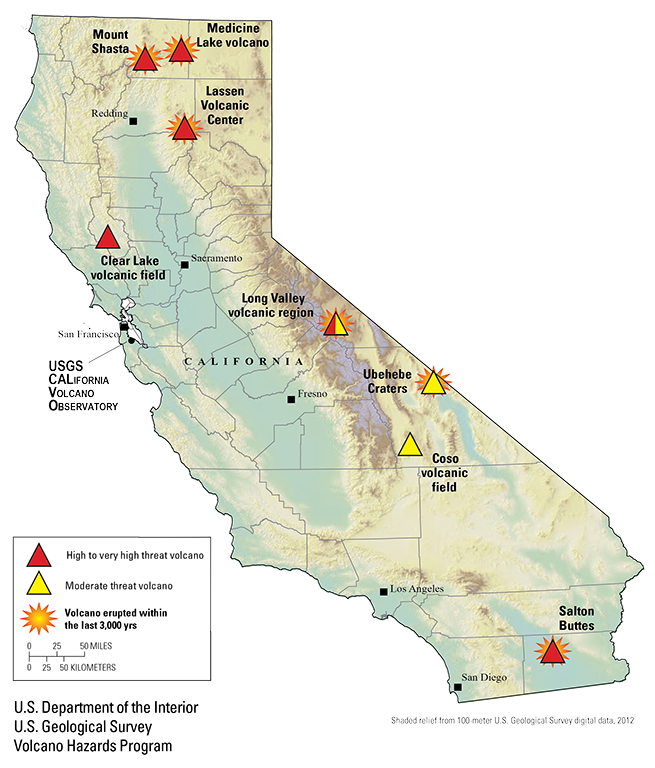
This article delves into the fascinating world of California’s volcanoes, exploring where they are, what makes them tick, and how you can experience their majesty and mystery. Whether you’re an avid hiker, a geology enthusiast, a spa-seeker looking for geothermal relaxation, or a family planning a unique road trip, California’s volcanic regions promise an unforgettable journey into the heart of the Earth’s fiery forces.
California’s Fiery Heart: An Introduction to its Volcanic Landscape
The presence of volcanoes in California is a direct consequence of its location on the infamous Pacific Ring of Fire, a horseshoe-shaped belt of volcanoes and seismic activity that encircles the Pacific Ocean. Here, tectonic plates collide, grind, and subduct, creating the conditions necessary for magma to rise to the surface. While the state is perhaps better known for the seismic activity along the San Andreas Fault, this same tectonic unrest also fuels its volcanic systems.
California’s volcanoes are primarily concentrated in two main geological provinces: the Cascade Range in the northern part of the state, which extends into Oregon and Washington, and the eastern Sierra Nevada Mountains, where extension and thinning of the Earth’s crust create different types of volcanic activity. These regions boast a diverse array of volcanic features, from towering stratovolcanoes and massive calderas to extensive lava flows, cinder cones, and geothermal hot springs. Many of these areas are actively monitored by geologists, reminding us that while picturesque, they remain dynamic forces of nature.
Understanding the history and geology of these sites adds a profound layer to any visit. These aren’t just mountains; they are living landscapes that tell a story millions of years in the making, shaping the local environment, culture, and even the available resources. From ancient eruptions that carved out vast valleys to subtle seismic rumblings that hint at future activity, the volcanoes of California offer a compelling glimpse into our planet’s fundamental processes.
Unveiling California’s Major Volcanic Regions
California boasts several significant volcanic regions, each with its unique character and attractions. These areas range from easily accessible national parks to more remote, rugged landscapes, providing a variety of experiences for every type of traveler.
Mount Shasta: The Majestic Sentinel
Standing at 14,179 feet (4,322 meters), Mount Shasta is arguably the most iconic volcano in California. This breathtaking stratovolcano, located in the northern part of the state, is not only a geological marvel but also a place steeped in spiritual significance and mystery. Its nearly perfect conical shape, often capped with snow, dominates the horizon for miles around, making it a prominent landmark for anyone traveling through the region.
Geologically, Mount Shasta is considered active, with its last known eruption occurring around 1786. While currently dormant, it shows signs of ongoing hydrothermal activity, particularly through its numerous hot springs and fumaroles. The mountain is actually a complex of several overlapping cones, and its slopes are home to seven glaciers, adding to its alpine grandeur.
Travel and Tourism near Mount Shasta:
The area surrounding Mount Shasta is a haven for outdoor enthusiasts. In winter, the Mount Shasta Ski Park offers excellent skiing and snowboarding. During warmer months, hiking trails abound, ranging from gentle walks around its base to challenging ascents for experienced mountaineers. Popular trails include those leading to Bunny Flat or the majestic McCloud Falls, a series of three distinct waterfalls. The nearby city of Mount Shasta City serves as a welcoming hub, offering a variety of accommodation options, from charming bed and breakfasts to standard hotels. Other charming towns like McCloud and Dunsmuir offer unique local culture and history, including the famous Hedge Creek Falls. For those seeking relaxation, resorts like Stewart Mineral Springs Resort provide a unique, rustic retreat with mineral baths nestled in the forest. You can find more upscale hotels such as the Shasta View Lodge for comfortable stays while exploring the region’s hiking trails, fishing opportunities in Shasta Lake, and scenic drives.
Lassen Volcanic National Park: A Geothermal Wonderland
For the most immersive and accessible volcanic experience in California, a visit to Lassen Volcanic National Park is essential. Located in Northeastern California, this park is a geothermal marvel, boasting all four major types of volcanoes: shield, composite (stratovolcano), cinder cone, and plug dome. Its namesake, Lassen Peak, is the southernmost active volcano in the Cascade Range and famously erupted violently between 1914 and 1921, shaping much of the landscape visitors see today.
The park is alive with hydrothermal features, a clear indication of ongoing volcanic activity beneath the surface. Highlights include Bumpass Hell, the largest hydrothermal area in the park, featuring bubbling mud pots, fumaroles, and boiling springs. The smell of sulfur hangs heavy in the air, creating an otherworldly atmosphere. Other notable areas include Sulphur Works, easily accessible near the park entrance, and the beautiful Manzanita Lake, which offers stunning reflections of Lassen Peak.
Travel and Tourism in Lassen Volcanic National Park:
The park offers a wide range of activities for all fitness levels. Hiking trails lead to volcanic peaks, serene lakes, and fascinating hydrothermal areas. The Lassen Peak Trail provides a challenging but rewarding climb to the summit, offering panoramic views. Skiing and snowshoeing are popular in winter, when the park transforms into a pristine snowy wilderness. Camping is available within the park at various campgrounds, including Manzanita Lake Campground. For those seeking more comfortable accommodation, nearby towns like Chester, Mineral, and Redding offer hotels, motels, and cabin rentals. The luxurious Highlands Ranch Resort near Lake Almanor provides an upscale stay, while the historic Drakesbad Guest Ranch, located within a secluded part of the park, offers a unique, rustic experience with its own thermal springs. For a more direct park experience, the Manzanita Lake Cabins provide cozy lodging. Remember that the park road is typically closed by snow from November to May or June, so planning your visit is key.
Long Valley Caldera: A Supervolcano’s Legacy
Further south, nestled in the eastern Sierra Nevada Mountains near Mammoth Lakes, lies the Long Valley Caldera, one of the Earth’s largest supervolcanoes. This colossal depression, measuring approximately 20 miles (32 km) long and 11 miles (18 km) wide, formed about 760,000 years ago during a cataclysmic eruption that spewed ash over much of the western United States. While the eruption itself was ancient, the caldera remains geologically active, characterized by ongoing seismic activity, uplift and subsidence of the caldera floor, and extensive geothermal features.
The town of Mammoth Lakes sits on the southwestern rim of the caldera, and the region is famed for its natural hot springs, evidence of the magma chamber still simmering beneath. The area is constantly monitored by the United States Geological Survey (USGS) due to its potential for future activity.
Travel and Tourism in the Long Valley Caldera region:
The Long Valley Caldera offers an incredible blend of natural beauty and outdoor adventure. Mammoth Lakes is a premier destination for skiing and snowboarding in winter at Mammoth Mountain Ski Area. In summer, it transforms into a paradise for hiking, mountain biking, fishing, and kayaking. Explore picturesque spots like Mono Lake with its distinctive tufa towers, the stunning basalt columns of Devils Postpile National Monument, and the scenic June Lake Loop.

For those seeking geothermal relaxation, numerous natural hot springs dot the landscape around Mammoth Lakes and Bishop, offering opportunities for a natural, rustic spa experience. Accommodation in Mammoth Lakes ranges from luxury resorts to budget-friendly motels and vacation rentals. Popular choices include the upscale The Westin Monache Resort, Mammoth, family-friendly options like Holiday Inn Express & Suites Mammoth Lakes, and the charming historic cabins of Tamarack Lodge and Resort. The area is also known for its vibrant culinary scene and events, especially centered around The Village at Mammoth. Golf enthusiasts can enjoy the greens at Sierra Star Golf Course with breathtaking mountain views.
Exploring Other Notable Volcanic Fields
Beyond these major sites, California is dotted with other intriguing volcanic areas:
- Medicine Lake Volcano: Located northeast of Mount Shasta, this vast shield volcano has a broad summit caldera and has erupted numerous times in the past 10,000 years, with lava flows reaching over 40 miles. It’s less visited but offers unique geological features like extensive lava tubes and a pristine lake.
- Clear Lake Volcanic Field: Situated north of San Francisco in Sonoma County, this area is best known for its significant geothermal power production. While no dramatic peaks remain, the ongoing heat beneath the surface is harnessed to generate electricity. This region also features numerous hot springs and spas, particularly around Calistoga in the nearby Napa Valley area, such as Indian Springs Resort & Spa and Fairmont Sonoma Mission Inn & Spa.
- Coso Volcanic Field: Located within the Naval Air Weapons Station China Lake in the Mojave Desert, this active geothermal area is a significant source of geothermal energy. Its remote location makes it less accessible for public tourism, but it represents another active facet of California’s volcanic geology.
Experiencing California’s Volcanic Attractions: Travel, Accommodation, and Activities
Visiting California’s volcanic regions offers a compelling blend of adventure, relaxation, and education. These destinations are perfect for travelers looking to explore beyond the usual coastal attractions and dive into the raw beauty of the state’s interior.
Planning Your Volcanic Adventure
When planning your trip, consider the season. Summer is ideal for hiking, camping, and water sports, but popular areas can be crowded. Spring and fall offer milder weather, fewer crowds, and stunning seasonal colors. Winter transforms many areas into snowy playgrounds for skiing, snowboarding, and snowshoeing, but road closures due to snow are common, particularly in Lassen Volcanic National Park and higher elevations around Mammoth Lakes.
Accessibility varies; Lassen Volcanic National Park has a scenic park highway, while some hot springs in Long Valley Caldera require dirt road travel. Always check local conditions and park alerts before heading out. National Park Service websites are excellent resources for trail conditions, road closures, and safety information.
Where to Stay: Hotels and Resorts Near California’s Volcanoes
Accommodation options are diverse, catering to various preferences and budgets:
- Mammoth Lakes: As a major resort town, Mammoth Lakes offers a wide array of hotels and resorts. From the luxury suites at The Westin Monache Resort, Mammoth and comfortable stays at Holiday Inn Express & Suites Mammoth Lakes to charming cabins at Tamarack Lodge and Resort, visitors have ample choice. Many properties offer amenities like pools, hot tubs (often geothermally heated), and shuttle services to ski areas or hiking trailheads.
- Mount Shasta City and Vicinity: This area provides a mix of quaint inns, motels, and boutique hotels like Shasta View Lodge. For a unique retreat, consider Stewart Mineral Springs Resort with its traditional Native American sweat lodges and mineral baths. Camping is also popular in the surrounding National Forests.
- Near Lassen Volcanic National Park: Inside the park, Manzanita Lake Cabins offer rustic comfort, and Drakesbad Guest Ranch provides a historic, secluded experience. Outside the park, towns like Chester and Mineral offer motels and vacation rentals. For a more luxurious option, Highlands Ranch Resort is located on the scenic Lake Almanor, providing access to both the park and lake activities.
- Geothermal Spa Towns: In regions like Sonoma County and Napa Valley, towns like Calistoga are renowned for their geothermal spas. Resorts such as Indian Springs Resort & Spa and Fairmont Sonoma Mission Inn & Spa offer mud baths, mineral pools, and a host of wellness experiences that leverage the Earth’s natural heat.
Lifestyle and Leisure in Volcanic California
Visiting California’s volcanoes isn’t just about geological exploration; it’s about embracing a unique lifestyle and leisure experience.
- Adventure Travel: For thrill-seekers, the challenging hikes up volcanic peaks, technical climbs, and backcountry skiing opportunities provide adrenaline-pumping experiences.
- Nature Retreats: The serene beauty of volcanic lakes, ancient forests, and high-altitude meadows offers perfect settings for relaxation, photography, and reconnecting with nature. Many visitors come for the tranquility and solitude these landscapes provide.
- Family-Friendly Trips: Parks like Lassen Volcanic National Park offer accessible trails and educational programs that make geology come alive for children. Camping under starry skies away from city lights is a classic family adventure.
- Wellness and Spa: The natural hot springs found throughout the volcanic regions provide therapeutic and rejuvenating experiences, from rustic, undeveloped pools to luxurious resort spas.
- Cultural Exploration: Many volcanic regions, especially around Mount Shasta, have unique local cultures, spiritual communities, and historical sites. The ghost town of Bodie State Historic Park, for instance, provides a glimpse into California’s mining past, influenced by the geology of the eastern Sierra Nevada Mountains.
- Culinary Delights: While not directly volcanic, the fertile soils around these regions often contribute to local agriculture. Towns like Mammoth Lakes and Mount Shasta City offer a range of dining options, from casual eateries to fine dining, often emphasizing local and seasonal ingredients.
The Science Behind the Scenery: Understanding California’s Volcanism
The scientific monitoring of California’s volcanoes is a testament to their dynamic nature. The USGS California Volcano Observatory (CalVO) diligently monitors seismic activity, ground deformation (using GPS and satellite radar), gas emissions, and thermal changes at the state’s most active volcanic centers, including Long Valley Caldera, Mammoth Mountain, Lassen Volcanic National Park, and Mount Shasta.
This constant vigilance allows scientists to detect early warning signs of potential unrest, providing crucial information for public safety. While eruptions are infrequent, understanding the underlying geological processes—such as the subduction of the Gorda and Juan de Fuca plates beneath northern California, which feeds the Cascade Range volcanoes, and the crustal extension in the eastern Sierra Nevada Mountains—enriches the experience of visiting these powerful landmarks. It reminds us that these stunning landscapes are not static backdrops but living parts of our planet, constantly evolving.
Educational centers and ranger programs within National Parks often provide excellent opportunities to learn more about volcanology, geological history, and the ecology of these unique environments. This blend of scientific insight and natural beauty makes California’s volcanic regions truly exceptional destinations.

Conclusion: Embracing California’s Dynamic Earth
So, are there volcanoes in California? The answer is an emphatic yes – and they are spectacular. Far from being a mere footnote in geological texts, California’s volcanic landscapes offer some of the most dramatic, beautiful, and active natural attractions in the state. From the spiritual majesty of Mount Shasta to the bubbling mud pots of Lassen Volcanic National Park and the vast geothermal energies of the Long Valley Caldera, these regions are a testament to the Earth’s enduring power.
Visiting these areas provides an unparalleled opportunity for travel, adventure, and reflection. They invite us to hike ancient lava flows, soak in therapeutic hot springs, ski on volcanic slopes, and witness the raw forces that continue to shape our world. Whether you’re seeking a thrilling outdoor challenge, a serene retreat, or a deeper understanding of our planet, California’s volcanoes are waiting to be explored. Plan your journey to these fiery frontiers and discover a side of the Golden State that is as powerful as it is breathtaking.
LifeOutOfTheBox is a participant in the Amazon Services LLC Associates Program, an affiliate advertising program designed to provide a means for sites to earn advertising fees by advertising and linking to Amazon.com. Amazon, the Amazon logo, AmazonSupply, and the AmazonSupply logo are trademarks of Amazon.com, Inc. or its affiliates. As an Amazon Associate we earn affiliate commissions from qualifying purchases.