
The question of whether wildfires are still burning in California is not a simple yes or no. The Golden State, a land of stunning natural beauty encompassing rugged coastlines, towering Sierra Nevada mountains, and vast deserts, is inherently susceptible to fire. While the peak fire season typically aligns with warmer, drier months, the reality of wildfire activity is far more nuanced, influenced by a complex interplay of climate, weather patterns, and land management. Therefore, understanding the current wildfire situation requires a deeper dive into the ongoing vigilance, the contributing factors, and how this impacts the state’s vibrant tourism landscape.

The Dynamic Nature of California Wildfires
Wildfires are a natural, albeit often destructive, part of California’s ecosystem. Historically, indigenous peoples used fire as a tool for land management, promoting healthy forest growth and reducing fuel loads. However, modern factors have amplified the intensity and frequency of these events. Climate change, characterized by prolonged droughts, higher temperatures, and increased wind speeds, has created a tinderbox environment. This means that even seemingly small ignition sources can rapidly escalate into large, uncontrollable infernos.
Seasonal Shifts and Year-Round Threats
While the traditional fire season in California is often associated with late summer and fall, the lines have blurred. Increasingly, fire activity is being observed throughout the year. This is a direct consequence of the persistent drought conditions and the accumulation of dry vegetation that can fuel fires at any time. Even in the winter months, unusual weather patterns can create conditions ripe for ignition. This constant threat necessitates a state-wide approach to fire preparedness and response, moving beyond a purely seasonal mindset.
The Role of Fuel and Ignition Sources
The landscape of California is diverse, and so are the types of fuels that contribute to wildfire spread. Dense forests in the north, chaparral in the south, and grasslands across the state all present unique challenges. Over the decades, fire suppression policies have led to an unnatural buildup of vegetation, creating more intense fires when they do ignite. Human activities remain a significant source of ignitions, ranging from carelessly discarded cigarettes to faulty electrical equipment and arson. Understanding these factors is crucial for effective prevention and mitigation efforts.
Monitoring and Current Status
The question “Are wildfires still burning in California?” necessitates an examination of how such events are monitored and what the current status typically entails. Agencies like the California Department of Forestry and Fire Protection (CAL FIRE) and the U.S. Forest Service are constantly tracking fire activity. They utilize a sophisticated network of lookouts, aerial patrols, satellite imagery, and weather monitoring systems to detect and assess fires as they emerge.
Real-Time Fire Information and Alerts
For travelers and residents alike, staying informed about active wildfires is paramount. Official sources provide real-time updates on fire perimeters, containment levels, and evacuation orders. Websites and apps dedicated to wildfire tracking offer crucial information, allowing individuals to make informed decisions about travel plans and safety. It is important to consult these official resources rather than relying on anecdotal information, as fire behavior can change rapidly.
Factors Influencing Fire Persistence
When a wildfire ignites in California, its persistence is determined by several factors. The availability of fuel, weather conditions (wind speed, humidity, temperature), and the terrain all play a significant role. Firefighters work tirelessly to establish containment lines, utilizing strategies such as backburning and creating firebreaks to control the spread. The success of these efforts, combined with changing weather, dictates whether a fire continues to burn or is brought under control. Even when a fire is largely contained, hot spots can smolder for days or weeks, posing ongoing risks.
Impact on Travel and Tourism
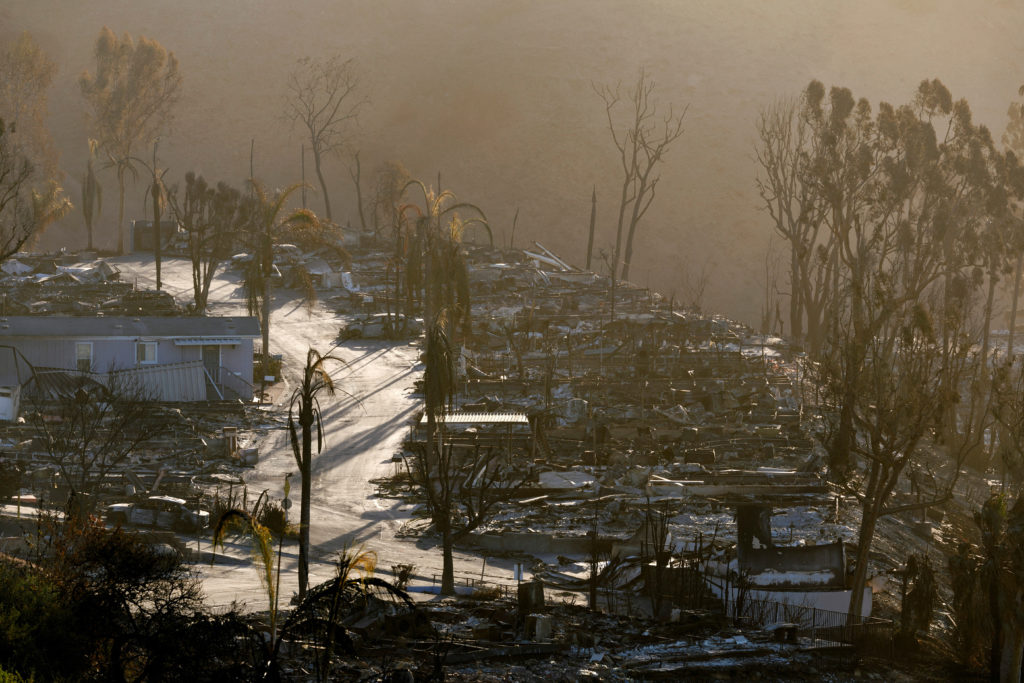
The presence of wildfires, whether active or smoldering, can have a profound impact on California’s vital tourism industry. The state’s allure lies in its diverse landscapes and attractions, from the iconic Golden Gate Bridge in San Francisco to the serene beaches of Southern California and the natural wonders of Yosemite National Park.
Air Quality and Visibility Concerns
One of the most immediate impacts of wildfires on tourism is the degradation of air quality. Smoke plumes can travel hundreds of miles, leading to hazy skies, reduced visibility, and respiratory health concerns. This can significantly diminish the experience of visiting outdoor attractions, impacting activities such as hiking in the Santa Monica Mountains or enjoying scenic drives through regions like the Big Sur coast. Many visitors come to California for its breathtaking vistas, and smoke can obscure these views, leading to disappointment.
Road Closures and Access Restrictions
Active wildfires often necessitate the closure of major roadways and access routes, particularly in and around the affected areas. This can disrupt travel plans, forcing detours or even cancellations. National parks and state forests may temporarily shut down to the public for safety reasons, preventing access to popular landmarks and recreational areas. For instance, a wildfire near Lake Tahoe could impact travel to and from ski resorts or prevent access to hiking trails around the lake. Planning trips during fire season requires flexibility and a constant awareness of potential disruptions.
Economic Repercussions and Resilience
The economic impact of wildfires on California’s tourism sector can be substantial. Reduced visitor numbers can lead to losses for hotels, restaurants, tour operators, and local businesses. However, the state’s tourism industry is also remarkably resilient. Many businesses have implemented contingency plans, and visitors often adapt their itineraries to explore unaffected regions. Moreover, the allure of California remains strong, and once fires are extinguished and areas are safe, tourism often rebounds, sometimes even with increased visitor numbers as people seek to support affected communities.
Preparing for a Fire-Prone Future
Given the ongoing nature of wildfire threats in California, a proactive approach to preparedness and adaptation is essential for both residents and visitors. This involves understanding the risks, taking necessary precautions, and supporting initiatives aimed at mitigating future fire events.
Staying Informed and Making Safe Travel Choices
The primary recommendation for anyone planning to travel to or within California is to stay informed. Before embarking on any journey, check official sources like CAL FIRE for the latest fire information, air quality reports, and any road closures or advisories. If you encounter smoke or are in an area with active fires, it is crucial to follow the guidance of local authorities and emergency responders. This might mean altering your route, postponing your visit, or taking precautions to protect your health, such as staying indoors and using air purifiers.

Supporting Mitigation and Sustainable Tourism
Beyond immediate safety concerns, there is a broader conversation about supporting efforts to mitigate wildfire risks and promote sustainable tourism practices. This includes advocating for responsible land management, investing in forest health initiatives, and supporting communities that are actively working to reduce their fire vulnerability. For travelers, choosing eco-friendly accommodations and supporting local businesses that demonstrate a commitment to sustainability can also contribute to a more resilient future for California. The state’s natural beauty is a precious resource, and its preservation is a shared responsibility.
In conclusion, while the question of whether wildfires are still burning in California may elicit a simple “yes” or “no” at any given moment, the reality is that wildfire is a persistent and evolving challenge. The state is committed to continuous monitoring, aggressive suppression efforts, and long-term strategies to adapt to a fire-prone environment. For those who wish to experience the wonders of California, informed planning, a spirit of adaptability, and a mindful approach to travel are key to navigating its magnificent, yet dynamic, landscapes.
LifeOutOfTheBox is a participant in the Amazon Services LLC Associates Program, an affiliate advertising program designed to provide a means for sites to earn advertising fees by advertising and linking to Amazon.com. Amazon, the Amazon logo, AmazonSupply, and the AmazonSupply logo are trademarks of Amazon.com, Inc. or its affiliates. As an Amazon Associate we earn affiliate commissions from qualifying purchases.