
Navigating the intricacies of vehicle ownership can be a complex affair, especially when relocating or embarking on an extended stay in a new state. For those considering a lifestyle change, a long-term California adventure, or even purchasing a recreational vehicle for cross-country travel, understanding local regulations is paramount. While many aspects of travel and accommodation, from selecting the perfect resort to exploring local culture, are often at the forefront of planning, administrative details like car title transfers can often be overlooked. Yet, a smooth transition or an uninterrupted journey hinges on these seemingly minor but critical requirements.
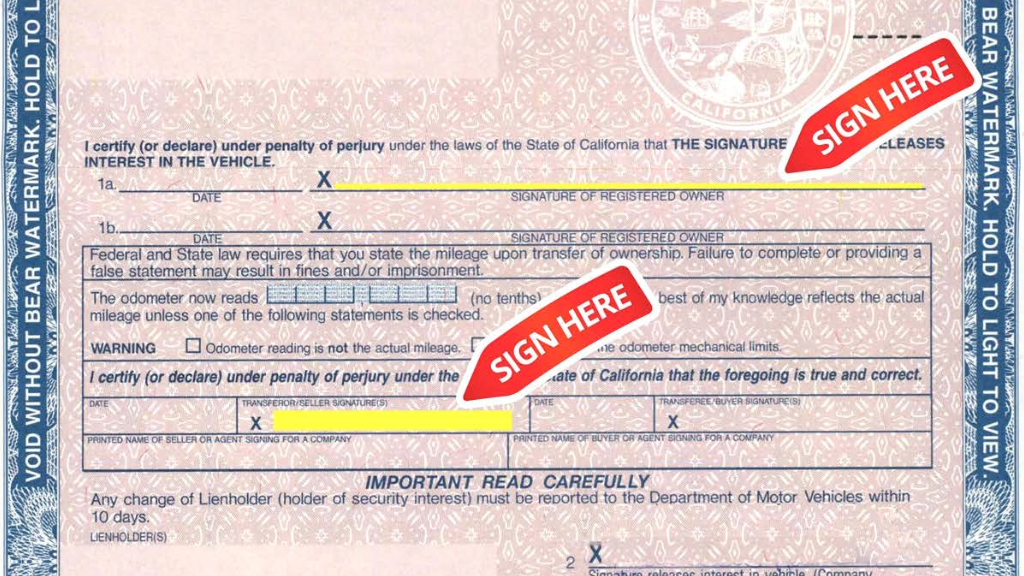
One question that frequently arises for individuals new to the Golden State or those dealing with vehicle transactions is: “Do California car titles have to be notarized?” The answer, in most standard circumstances, is a straightforward no. Unlike some other states that mandate notarization for vehicle title transfers to ensure authenticity and prevent fraud, California’s Department of Motor Vehicles (DMV) generally does not require a notary public’s seal for the sale or transfer of a vehicle title between private parties. However, as with many legal processes, there are nuances and specific situations where notarization might be necessary or highly recommended. This comprehensive guide aims to demystify the process, providing clarity for travelers, new residents, and anyone managing vehicle assets in California.
Understanding California DMV Requirements for Vehicle Titles
The California DMV is the primary authority governing vehicle registration, titling, and transfers within the state. Their regulations are designed to facilitate efficient transactions while maintaining legal integrity. For those envisioning a new lifestyle chapter in a California villa or exploring the vast landscapes with a newly acquired vehicle, understanding these foundational rules is essential to avoid delays and complications.
The General Rule: Notarization and Car Title Transfers in California
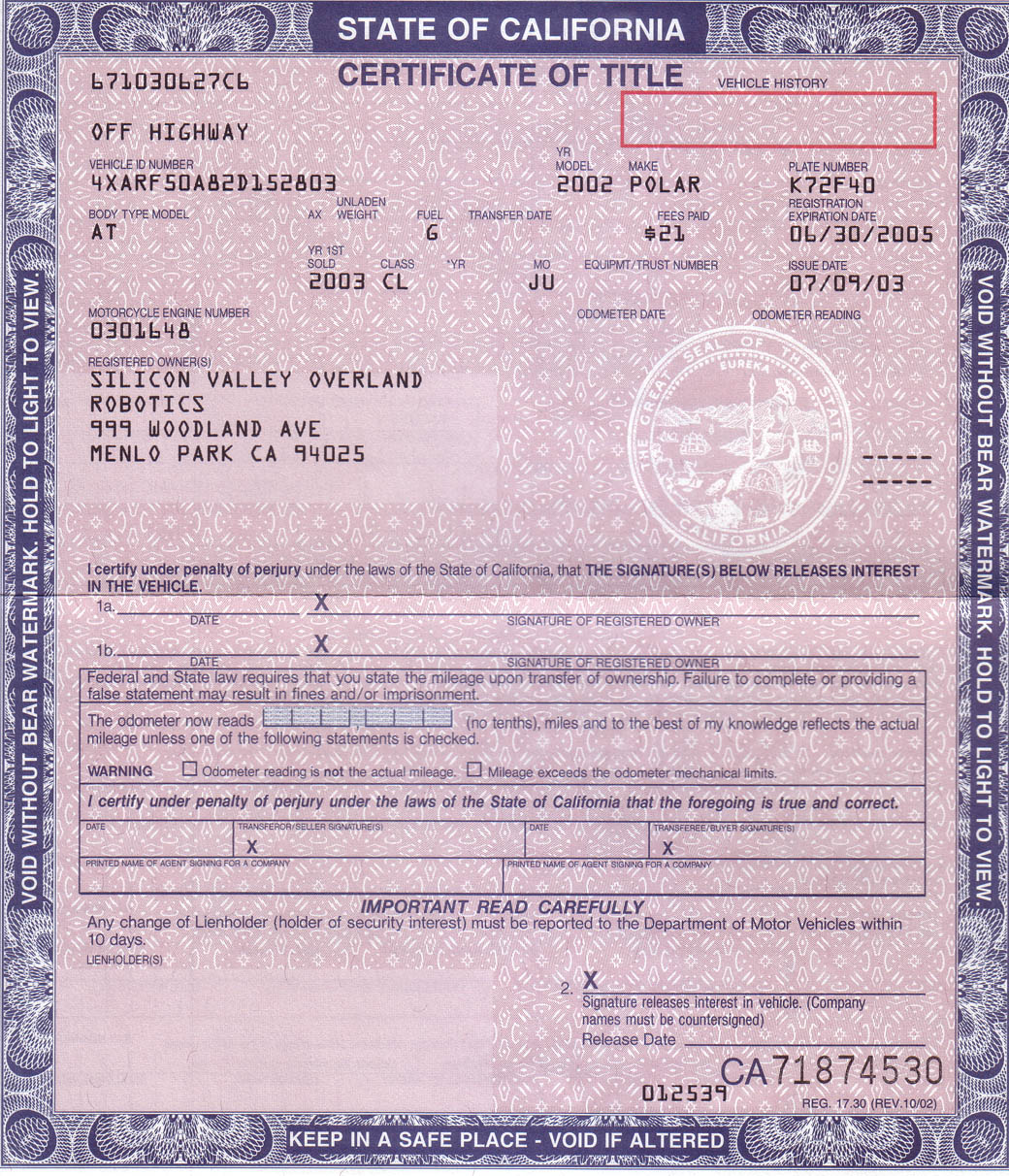
For the vast majority of private party vehicle sales or transfers within California, notarization of the vehicle title is not a requirement. When you sell or transfer ownership of a vehicle, the process typically involves the seller signing and dating the “Release of Liability” section on the pink slip (Certificate of Title) and the buyer signing the “New Owner Information” section. Both parties usually complete a Bill of Sale (DMV Form REG 262) and the seller is required to submit a Notice of Transfer and Release of Liability (REG 138) to the DMV within five days of the sale. This critical step protects the seller from any liability for parking violations or accidents incurred by the buyer after the sale date.
The buyer then takes the signed title, Bill of Sale, and other necessary documents to a local DMV office to complete the transfer of ownership and register the vehicle in their name. The absence of a notarization requirement simplifies the process, making it quicker and less burdensome for individuals. This approach acknowledges the high volume of vehicle transactions in a populous state like California, aiming for efficiency while relying on other forms of identification and documentation to verify identities and ensure legitimate transfers. For those who frequently travel or relocate, this streamlined process can be a significant advantage, reducing the administrative hurdles associated with settling into a new destination.
When Notarization Might Be Required (or Recommended)
While the general rule in California is that car titles do not need to be notarized, there are specific scenarios where a notary’s stamp might become necessary or advisable. Understanding these exceptions is crucial for anyone engaging in more complex vehicle transactions or dealing with specific financial arrangements.
One common instance where notarization comes into play is with certain financial documents related to the vehicle, rather than the title itself. For example, if there is a lien on the vehicle (meaning it was financed and a lender holds an interest), the release of that lien might require a notarized signature from the lienholder once the loan is paid off. This is particularly relevant for individuals purchasing a used vehicle, where confirming a clear title is paramount for a secure investment. Similarly, certain affidavits or declarations submitted to the DMV in unusual circumstances, such as a lost title application (REG 227), might require notarization to attest to the truthfulness of the statements made.
Furthermore, if you are transferring a vehicle from out-of-state, especially from a state that does require notarization on its titles for transfer, you might encounter situations where the originating state’s requirements impact the paperwork you bring into California. While the California DMV primarily focuses on its own regulations for the final transfer, having all documentation correctly handled according to the previous state’s laws can prevent delays. This is particularly important for individuals moving to California from states like Arizona or Nevada, where notarization rules might differ. Always verify the specific requirements with the DMV or a reputable auto registration service, especially if your situation involves multiple states or unique circumstances. For those who enjoy the flexibility of long-term stays or frequent transitions between locales, understanding these inter-state variances is a key component of seamless travel and living.
Key Documentation for a Smooth Transfer
Beyond the notarization question, a successful vehicle title transfer in California relies on having all the correct documentation in order. Whether you’re settling into an apartment in Los Angeles or embarking on a road trip from San Francisco, proper paperwork ensures your vehicle is legally yours.
The essential documents generally include:
- California Certificate of Title (Pink Slip): The original title, properly signed and dated by the seller(s) in the designated areas. If the title is lost or damaged, a duplicate title application (REG 227) will be needed, which may require notarization under specific conditions.
- Bill of Sale: While not strictly required by the DMV for every transfer, a Bill of Sale (REG 262) is highly recommended. It serves as a record of the transaction, including the sale price, date, and signatures of both buyer and seller. This protects both parties and helps determine sales tax.
- Smog Certification: For most vehicles, a valid smog inspection certification is required for title transfer. The seller is typically responsible for providing this to the buyer, ensuring the vehicle meets California’s strict emissions standards. There are some exemptions based on vehicle age and type.
- Odometer Disclosure: For vehicles less than ten years old, the odometer reading must be accurately recorded on the title or a separate Odometer Disclosure Statement (REG 262) at the time of sale. This is crucial for consumer protection.
- Application for Title or Registration (REG 343): The buyer completes this form to officially apply for new registration and title in their name.
- Proof of Identity and Residency: The buyer will need valid identification (e.g., California driver’s license or ID card) and proof of residency if applying for a new California driver’s license or ID.
Ensuring all these documents are accurately completed and presented to the DMV can make the title transfer process swift and seamless, allowing you to focus on enjoying your new lifestyle or travel adventures without bureaucratic headaches.
Navigating Vehicle Transactions as a New Resident or Long-Term Visitor
For many, California represents a dream destination, whether for a permanent move, an extended work assignment, or a prolonged travel experience. Dealing with vehicle registration and ownership in this context requires a specific understanding of California’s regulations, which can differ significantly from other states.
Relocating to California: Registering Your Out-of-State Vehicle
If you’re making the exciting move to California and bringing your vehicle with you, you generally have 20 days from the date you establish residency to register your vehicle with the DMV. Establishing residency can be defined by various actions, such as gaining employment, renting an apartment or villa, or sending your children to school in California. This deadline is important to avoid penalties.
The process for registering an out-of-state vehicle typically involves:
- Application for Title or Registration (REG 343).
- Verification of Vehicle (REG 31): This form is completed by a DMV employee or an authorized verifier (e.g., a licensed registration service, auto club, or law enforcement officer) to confirm the vehicle’s identity (VIN, odometer reading).
- Out-of-State Title and Registration: You’ll need your original out-of-state title. If there’s a lienholder, they might hold the title, in which case you’ll need the most recent registration card.
- Smog Certification: Most vehicles require a California smog check, even if they passed one recently in another state. This must be performed by a licensed California smog station.
- Proof of Insurance: California requires specific minimum liability coverage.
- Payment of Fees: This includes registration fees, sales tax (if you’ve owned the vehicle for less than 12 months when you move to California), and any other applicable charges.
Understanding these requirements upfront can save considerable time and stress, allowing new residents to quickly settle into their California lifestyle, whether they’ve chosen the bustling city life of San Francisco or the more relaxed pace of Bakersfield.
Temporary Stays and Vehicle Management: A Traveler’s Perspective
For long-term travelers, digital nomads, or individuals on extended business trips, the question of vehicle registration can be a bit more ambiguous. If you maintain your permanent residency in another state or country and are simply visiting California for an extended period (e.g., staying in a long-term hotel suite or a rented villa for several months), your vehicle may not immediately need to be registered in California.
However, if your stay extends beyond what is considered a temporary visit, or if you begin to establish elements of residency (such as opening bank accounts, getting a California driver’s license, or accepting employment), you will likely be expected to register your vehicle. The “20-day rule” mentioned earlier applies to when you establish residency. The key is to genuinely assess your intent and actions. If you’re truly just visiting and plan to return to your home state/country, your out-of-state plates might be acceptable for longer. But if your travel plans evolve into a more permanent presence, taking proactive steps to understand and comply with California’s vehicle laws is critical. This foresight prevents potential fines and legal complications, ensuring your travel experiences remain positive and hassle-free.
Purchasing a Vehicle in California: What Travelers and Newcomers Need to Know
Whether you’re moving to California and need a vehicle, or you’re a traveler considering purchasing an RV for an epic cross-country adventure starting from the Golden State, the purchase process involves specific steps.
When buying from a licensed California dealership, they will typically handle all the registration and title transfer paperwork for you, including collecting sales tax and fees. This is often the simplest route for newcomers. If you buy from a private party, however, you’ll be responsible for submitting the necessary documents to the DMV yourself. As discussed, for private party sales, the title itself generally does not need to be notarized.
Key considerations for purchasers:
- Vehicle History Report: Always get a vehicle history report (e.g., CarFax) to check for accident history, odometer discrepancies, and salvage titles.
- Pre-Purchase Inspection: Have an independent mechanic inspect the vehicle, especially if it’s a used car or RV intended for extensive travel.
- Smog Check: Ensure the seller provides a valid smog certificate (or understand your responsibilities if it’s an exempt vehicle or a dealer purchase).
- Sales Tax: Be prepared to pay California sales tax on the purchase price of the vehicle, even if you plan to register it out of state immediately, unless specific exemptions apply.
Understanding these steps ensures a smooth transaction and allows you to integrate your new vehicle seamlessly into your California lifestyle or travel plans, whether you’re commuting to a hotel for a business stay or venturing out to explore the state’s iconic landmarks.
The Broader Context: Why Understanding Vehicle Regulations Matters for a Seamless Lifestyle
Beyond the specific question of notarization, grasping the full scope of California’s vehicle regulations is a cornerstone of a stress-free lifestyle, particularly for those whose lives involve travel, relocation, or managing valuable assets. Just as you would research the best hotels or local culture tips before a trip, understanding the administrative landscape prevents unexpected roadblocks.
Beyond the Title: Insurance, Emissions, and Other California Must-Dos
A car title is just one piece of the puzzle. To truly operate a vehicle legally and without interruption in California, several other requirements must be met:
- Mandatory Auto Insurance: California law requires all drivers to carry specific minimum liability insurance coverage. Driving without it can lead to severe penalties, including fines, license suspension, and vehicle impoundment. For travelers, ensuring your out-of-state insurance is valid in California or obtaining a California policy if you become a resident is paramount.
- Smog Certification: As mentioned, California’s commitment to air quality means most vehicles must pass a smog check every two years and upon change of ownership. This is a recurring requirement that residents and long-term visitors need to factor into their vehicle maintenance schedule.
- Vehicle Maintenance and Safety: Adhering to regular vehicle maintenance is not just about longevity; it’s also about safety. California roads can be challenging, from mountain passes to dense city traffic in Sacramento or Los Angeles. Regular checks ensure your vehicle meets safety standards and keeps you and your passengers safe during your travels or daily commutes.
- Registration Renewal: Vehicle registration must be renewed annually in California. The DMV typically sends renewal notices, but it’s ultimately the owner’s responsibility to ensure timely renewal to avoid late fees and potential citations.
For those embracing the California lifestyle, whether through permanent residency, an extended stay in a serviced apartment, or frequent road trips, staying on top of these requirements ensures a seamless and enjoyable experience. It allows you to fully immerse yourself in the local culture, explore attractions, and indulge in various experiences without the constant worry of administrative oversights.
Where to Find Official Information and Assistance
When in doubt, always refer to the most reliable sources. The California DMV website is an invaluable resource, offering detailed information on all aspects of vehicle registration, titling, and transfers. Their online portals allow you to complete many transactions, download forms, and find answers to frequently asked questions. Visiting a local DMV office in person is also an option, though appointments are often recommended for efficiency.
Additionally, numerous licensed auto registration services throughout California can assist with complex transactions, especially for those new to the state or with limited time. While they charge a fee, their expertise can be worth the investment for a smooth and error-free process, allowing you to focus on your travel itinerary, hotel bookings, and other lifestyle pursuits.
In conclusion, while the question “Do California car titles have to be notarized?” generally yields a negative answer for standard transfers, the broader landscape of vehicle ownership in the Golden State is rich with specific regulations. For travelers, new residents, or anyone navigating the dynamic environment of California, understanding these nuances is crucial. By being informed about title transfers, registration for out-of-state vehicles, and ongoing compliance requirements like smog checks and insurance, you ensure that your journey, whether it’s a cross-state relocation or a scenic drive along the coast, remains as smooth and enjoyable as the state itself. Prioritizing these administrative details allows you to fully embrace the unparalleled travel, tourism, and lifestyle opportunities that California has to offer.
LifeOutOfTheBox is a participant in the Amazon Services LLC Associates Program, an affiliate advertising program designed to provide a means for sites to earn advertising fees by advertising and linking to Amazon.com. Amazon, the Amazon logo, AmazonSupply, and the AmazonSupply logo are trademarks of Amazon.com, Inc. or its affiliates. As an Amazon Associate we earn affiliate commissions from qualifying purchases.