
California, a land of unparalleled natural beauty, diverse landscapes, and vibrant urban centers, is a dream destination for travelers worldwide. From the sun-drenched beaches of [Southern California] to the towering redwoods of the north, and from the arid expanse of [Death Valley National Park] to the snow-capped peaks of the [Sierra Nevada Mountains], the Golden State offers an endless array of experiences. However, alongside its allure, [California] also faces significant environmental challenges, among the most prominent being wildfires. The question “How big are the fires in California?” is more than a simple query about acreage; it’s a deep dive into an ecological phenomenon that profoundly impacts travel, tourism, lifestyle, and the very fabric of local communities. Understanding the scope, impact, and responsible navigation of these events is crucial for anyone planning a visit or considering [California] as a place to explore.
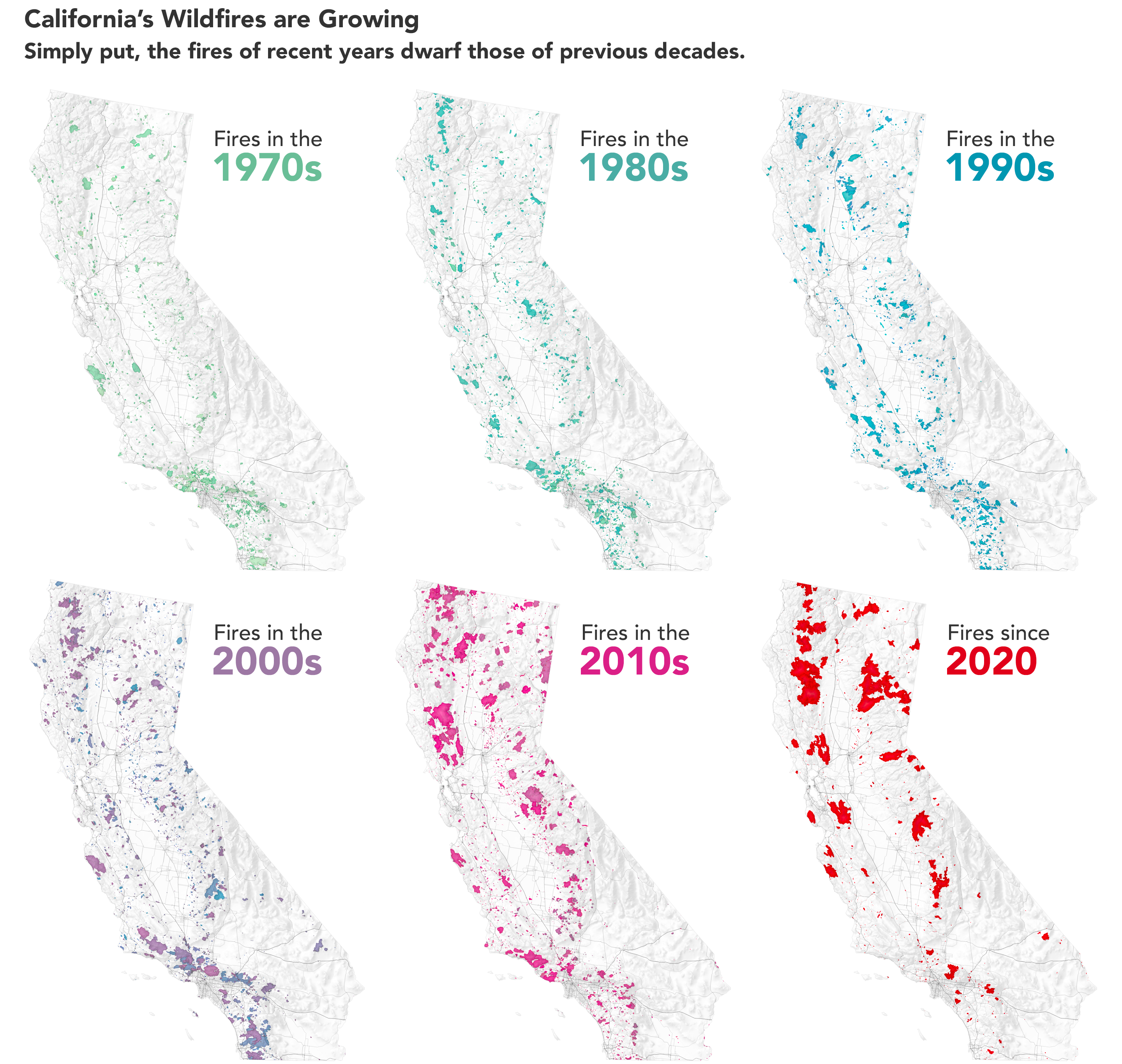
Wildfires in [California] are not a new occurrence; they are a natural, albeit increasingly intense, part of the state’s ecosystem. Shaped by a Mediterranean climate characterized by hot, dry summers and chaparral vegetation, the land has always experienced fire. What has changed in recent decades is the frequency, size, and intensity of these blazes, driven by factors like climate change, prolonged droughts, and historical fire suppression practices that have led to an accumulation of fuel. For the avid traveler, discerning the true impact of these fires means looking beyond sensational headlines and understanding the vast geography of the state, realizing that a fire burning in one region does not necessarily mean the entire state is inaccessible or unsafe.
Understanding the Scope: The Scale of California Wildfires
The sheer scale of [California] is often underestimated, and this vastness is key to comprehending the impact of its wildfires. With an area of over 163,000 square miles, larger than many countries, the state encompasses an incredible diversity of ecosystems. Fires can range from relatively small, quickly contained blazes to megafires that consume hundreds of thousands of acres, leaving a visible scar on the landscape for miles.
The Geography of Fire: From Northern to Southern California
Wildfires can erupt across the entire state, but certain regions are historically more susceptible. [Northern California], with its dense forests and wildland-urban interface, often sees significant fires, particularly in areas like [Napa Valley] and [Sonoma County], known for their world-class [wine country] tourism, as well as the forested expanses near [Redding] and the [Shasta-Trinity National Forest]. These regions, while breathtaking, feature extensive dry vegetation that can ignite rapidly. Further south, the dry chaparral and canyon systems of [Southern California], particularly around [Los Angeles], [San Diego], and [Orange County], are also prone to fast-moving, wind-driven fires. The notorious Santa Ana winds, funneling dry air through mountain passes, can turn small embers into raging infernos overnight. Understanding these geographical patterns helps travelers gauge risk and plan routes more effectively, realizing that a fire in the [Sierra Nevada Mountains] might have no bearing on a coastal trip to [Santa Barbara] or [Monterey].
Measuring the Blaze: Acres, Containment, and Impact Zones
When reports detail fire sizes, they typically refer to acres burned. A “big” fire might be tens of thousands of acres, while “megafires” can exceed 100,000 or even 500,000 acres. This number, however, doesn’t always translate directly to human impact or travel disruption. Crucially, firefighters track “containment,” which refers to the percentage of the fire perimeter that has been successfully controlled and is no longer expected to spread. A fire that has burned a large area but is 90% contained poses a much lower risk to surrounding communities and infrastructure than a smaller, uncontained blaze.
Impact zones are also critical. While a fire might cover a vast area, much of that might be remote wilderness. The concern for travelers usually revolves around areas close to populated regions, tourist attractions, major highways, or the immediate vicinity of [hotels] and [resorts]. Agencies like [CAL FIRE] provide real-time updates on active incidents, including maps, containment levels, and evacuation orders, which are invaluable resources for anyone planning a visit. These maps often show the precise footprint of the fire, allowing travelers to visualize safe distances and alternative routes, ensuring their [accommodation] choices are well outside any potential danger zones.
Ecological Role and Human Impact
It’s important to remember that fire, in moderation, plays a natural role in many [California] ecosystems, clearing underbrush and promoting new growth. However, the current intensity and frequency of fires disrupt this natural cycle, leading to long-term ecological damage, soil erosion, and habitat loss. For humans, the immediate impact includes property destruction, air quality degradation, and significant disruptions to daily life and, by extension, tourism. Businesses in affected areas, from quaint bed-and-breakfasts in [Sonoma] to boutique [hotels] in [Malibu], can suffer immense losses even if their physical structures remain untouched, due to evacuation orders or a simple drop in visitor numbers. This emphasizes the need for responsible tourism that considers the long-term well-being of the destinations.
Impact on Travel and Tourism: Navigating California’s Landscapes
The immediate concern for any traveler when faced with news of wildfires is how it will affect their plans. [California]’s vastness means that while one region might be battling a blaze, countless others remain open, beautiful, and welcoming. Yet, even distant fires can have ripple effects, impacting air quality or causing precautionary road closures. Understanding these potential disruptions is essential for seamless and enjoyable travel.
Air Quality and Health Considerations for Travelers
Perhaps the most widespread impact of wildfires, even far from the actual flames, is on air quality. Smoke plumes can travel hundreds of miles, causing hazy skies and elevated levels of fine particulate matter ([PM2.5]). For travelers, particularly those with respiratory conditions or young children, this is a significant health consideration. Monitoring resources like [AirNow.gov] or local air quality agencies provides real-time data on air quality index ([AQI]) levels. If the [AQI] is high, particularly above 150 (unhealthy for all), outdoor activities might need to be limited, and plans for hiking in [Yosemite National Park] or exploring the outdoor [attractions] of [San Francisco] might need to be adjusted. Many [hotels] and [resorts] in affected areas are equipped with advanced air filtration systems, and checking these amenities can be a prudent step when booking [accommodation]. This highlights a key aspect of responsible travel: prioritizing health and safety above all else.
Road Closures and Rerouting: Navigating California’s Highways
Wildfires can lead to immediate and dynamic road closures, essential for public safety and to allow emergency services access. Major arteries like [Highway 1] (the iconic [Pacific Coast Highway]), [Interstate 5], or scenic routes through [national parks] can be affected. Travelers relying on GPS systems should always cross-reference information with official sources like [Caltrans] ([California Department of Transportation]) or [CAL FIRE] for real-time updates on road conditions. Having alternative routes planned, especially when venturing into more remote areas, is a wise precaution. Sometimes, a planned itinerary might need a complete overhaul, pivoting from a mountain adventure to a coastal escape, or vice versa, demonstrating the need for flexibility in travel planning. Exploring different regions like the [Palm Springs] desert or the urban vibrancy of [Sacramento] can offer excellent alternatives when other areas are impacted.
Protecting National Parks and State Parks: Access and Closures
[California]’s unparalleled collection of [national parks] and [state parks] are often at the front lines of wildfire impact. Iconic destinations such as [Yosemite National Park], [Sequoia National Park], [Kings Canyon National Park], [Lassen Volcanic National Park], and [Redwood National and State Parks] are critical natural [landmarks] that attract millions. Park authorities prioritize visitor and staff safety, often implementing partial or full closures during active fire events or when air quality becomes dangerous. For instance, sections of [Yosemite] might close due to smoke, or entire parks might be evacuated. Before embarking on a wilderness adventure, it is imperative to check the official park websites for the latest alerts and closures. These closures, though disruptive, are vital for protecting both human life and the delicate ecosystems within these treasured landscapes. Travelers often shift their focus to other stunning natural [attractions] that remain open, such as the coastal beauty of [Big Sur] (when [Highway 1] is open) or the unique landscapes of [Joshua Tree National Park].Economic Ripple Effects on Local Communities
Beyond direct damage, wildfires can devastate the local economies that rely heavily on tourism. A small town near a popular [state park], whose [hotels], restaurants, and souvenir shops thrive on visitor traffic, can experience severe financial hardship even if the fire itself doesn’t reach them. The perception of danger, road closures, or poor air quality can deter visitors for weeks or even months. Supporting these communities, once it is safe and advisable to do so, becomes a vital part of responsible tourism. Choosing to stay at local [accommodation] options, dining at local eateries, and purchasing goods from local artisans directly contributes to their recovery and resilience.
Planning Your Trip: Safe Accommodation and Responsible Exploration
Responsible travel in [California] today means being informed, adaptable, and safety-conscious, especially concerning wildfires. While the allure of its [destinations] is undeniable, a proactive approach to planning can ensure a safe and enjoyable journey, allowing visitors to experience the state’s beauty without undue risk.

Real-time Information: Essential Resources for Travelers
The cornerstone of safe travel during fire season is access to real-time, reliable information. Key resources include:
- [CAL FIRE]: The official state fire agency, providing incident maps, statistics, and press releases.
- [AirNow.gov]: A federal website offering current air quality data across the nation, including [California].
- [Caltrans]: For up-to-the-minute road closure and traffic information.
- National Park Service and State Park websites: Specific park pages will have alerts and closures.
- Local Emergency Services: Many counties have their own emergency alert systems or public information pages.
Always cross-reference information from multiple sources. It’s advisable to check these resources daily, or even hourly, if you are traveling near an active fire zone. Staying informed allows travelers to make quick, well-informed decisions regarding their itinerary and [accommodation].
Choosing Safe Accommodation: What to look for
When selecting [hotels], [resorts], or [villas] in [California], particularly during fire season, consider these aspects:
- Location: Is the property in a historically fire-prone area? While beauty often coexists with risk, understanding the local geography can help. Ensure your chosen [destination] is well outside any current or predicted fire perimeters.
- Evacuation Plans: While you don’t need to quiz every [hotel] on its specific plan, reputable [accommodation] providers in fire-prone areas will have established emergency protocols. Check reviews or their website for mentions of safety and preparedness.
- Amenities: As mentioned, some modern [hotels] offer advanced air filtration systems. If air quality is a concern, this could be a valuable amenity.
- Flexibility: Look for [booking] options with flexible cancellation policies. This provides peace of mind if unforeseen circumstances (like a nearby fire or deteriorating air quality) necessitate a change of plans. Many platforms now highlight these flexible [booking] options, making [comparison] easier.
Travel Insurance: A Vital Consideration
Travel insurance, often overlooked, becomes a vital safety net when visiting areas prone to natural disasters. Policies vary, but comprehensive travel insurance can cover non-refundable costs for canceled flights, prepaid [accommodation], or tour expenses if your trip is disrupted due to wildfires, mandatory evacuations, or medical emergencies related to smoke exposure. It’s crucial to read the policy details carefully to understand what is covered, especially concerning natural disasters, and when the policy needs to be purchased (often before a fire event becomes widely known). This investment contributes to a worry-free travel [lifestyle], even when facing uncertainties.
Responsible Exploration: Leave No Trace, Fire Safety Practices
Beyond personal safety, travelers have a significant role to play in preventing new fires and supporting the environment.
- Fire Safety: Always adhere to local fire restrictions. This includes rules about campfires, barbecues, smoking, and even parking vehicles on dry grass where hot catalytic converters can ignite vegetation.
- Leave No Trace: Practice the Leave No Trace principles, especially in natural areas. Pack out all trash, stay on marked trails, and minimize your impact.
- Support Local: When it’s safe to visit an area post-fire, consider spending your tourism dollars locally. Stay at locally owned [hotels], eat at local restaurants, and buy from local shops. This directly aids the community’s recovery, fostering a more sustainable tourism model. From exploring the historic downtown of [Nevada City] to enjoying the vineyards of [Lodi], conscious spending makes a difference.
Beyond the Flames: California’s Resilient Spirit and Enduring Attractions
Despite the challenges posed by wildfires, the spirit of [California] and its unparalleled beauty remain undiminished across vast stretches of the state. It’s a testament to its resilience and the sheer diversity of its landscape that even during active fire seasons, countless [destinations] continue to welcome visitors, offering enriching [experiences] from vibrant city life to tranquil natural escapes.
Unspoiled Wonders: Coastal Regions, Wine Country, and Desert Oases
Much of [California] remains untouched and unaffected by wildfires. The iconic [coastal regions] stretching along the [Pacific Ocean], from the rugged cliffs of [Big Sur] to the picturesque beaches of [Malibu], often offer a refreshing escape, benefiting from ocean breezes that can disperse smoke. [Wine Country], while sometimes impacted, boasts numerous regions beyond [Napa] and [Sonoma] that are equally enchanting, such as [Paso Robles] on the [Central Coast] or the emerging vineyards of [Temecula Valley] in [Southern California]. These areas continue to host tastings, tours, and culinary [experiences] that draw visitors globally.
[California]’s desert oases, including [Palm Springs], [Joshua Tree National Park], and the vast [Mojave Desert], offer a starkly different yet equally captivating landscape. These regions, with their unique flora and fauna, often experience different fire regimes and can be ideal alternatives during periods when forested areas might be affected. The [Anza-Borrego Desert State Park] also provides stunning vistas and opportunities for exploration. From luxury [resorts] in [Palm Springs] to adventurous [camping] in [Joshua Tree], these areas offer diverse [accommodation] and [lifestyle] choices.Urban Adventures: Los Angeles, San Francisco, San Diego, Sacramento
[California]’s major cities are vibrant hubs of culture, entertainment, and history, and are generally far less susceptible to direct fire impact. [Los Angeles], with its iconic [Hollywood] sign, world-class museums, and diverse culinary scene, remains a global magnet. [San Francisco], famous for the [Golden Gate Bridge], [Alcatraz Island], and its historic cable cars, continues to charm visitors with its unique blend of Victorian charm and modern innovation. [San Diego], with its beautiful beaches, [Balboa Park], and lively Gaslamp Quarter, offers a laid-back yet engaging urban experience. Even the state capital, [Sacramento], offers a rich historical experience with its [Old Sacramento State Historic Park] and burgeoning farm-to-fork culinary scene. These urban [landmarks] and cultural [attractions] offer consistent entertainment and are typically safe havens during wildfire events, providing a robust tourism infrastructure with countless [hotels], [suites], and [apartments] available for [booking].Resilience and Rebuilding: Supporting Affected Areas
Post-fire, the story shifts from immediate crisis to long-term recovery. Many communities demonstrate incredible resilience, rebuilding infrastructure and restoring natural areas. Traveling to these areas once they are deemed safe and open can be a powerful way to support their recovery. [Tourism] dollars directly infuse life back into local economies, helping businesses recover and communities thrive. This can involve visiting a rebuilt [lodge] in a [national forest], sampling wines from a winery that has recovered from a fire, or simply exploring a town that is slowly but surely returning to its former vibrancy. These experiences often offer a deeper connection to the local culture and the enduring human spirit.
A Traveler’s Role: Supporting Recovery and Sustainable Tourism
The question of “How big are the fires in California?” extends beyond statistics to encompass how travelers can consciously engage with a beautiful state facing environmental challenges. [California]’s tourism sector is intrinsically linked to its natural environment, and the fires serve as a stark reminder of the need for sustainable practices and supportive community engagement from visitors.
Voluntourism and Community Support
For those with a desire to contribute actively, voluntourism offers a meaningful way to engage. Organizations dedicated to reforestation, habitat restoration, or community rebuilding efforts often welcome volunteers. While direct fire line volunteering is restricted to trained professionals, post-fire recovery efforts, such as tree planting in areas like the [Angeles National Forest] or assisting in community clean-up, can provide a profound and rewarding [experience]. Even without direct volunteering, simply making informed decisions about where and how you spend your money can be a significant form of support, funneling funds into local businesses and services that are striving to rebuild and recover. This mindful approach to travel elevates it beyond a mere vacation, transforming it into a journey with purpose.
Sustainable Practices for the Future
Looking forward, sustainable [tourism] is not just a trend but a necessity for [California]. This involves a collective commitment from both visitors and the industry to minimize environmental impact and foster long-term resilience. For travelers, this means:
- Reducing Carbon Footprint: Opting for public transport where available, choosing eco-friendly [accommodation], and minimizing waste.
- Supporting Green Businesses: Prioritizing [hotels], [resorts], and tour operators that demonstrate strong environmental stewardship and sustainable practices. Many [accommodation] options now proudly display their green certifications.
- Educating Yourself: Understanding the local environment, its challenges, and how your actions can help preserve it. This includes knowing fire season protocols and respecting natural areas.
- Advocating for Change: Supporting policies and initiatives that promote forest health, fire prevention, and climate change mitigation.
By embracing these principles, travelers can not only enjoy the unparalleled beauty and [experiences] [California] has to offer but also contribute positively to its future. The fires in [California] are indeed a significant challenge, but they do not diminish the state’s allure. Instead, they call for a more informed, responsible, and empathetic approach to travel, ensuring that the Golden State’s natural [landmarks] and vibrant [destinations] can be enjoyed by generations to come. From a luxurious stay in a [Beverly Hills] [hotel] to an adventurous trek through [Sequoia National Park], every journey offers an opportunity to travel with purpose and contribute to the enduring spirit of [California].
LifeOutOfTheBox is a participant in the Amazon Services LLC Associates Program, an affiliate advertising program designed to provide a means for sites to earn advertising fees by advertising and linking to Amazon.com. Amazon, the Amazon logo, AmazonSupply, and the AmazonSupply logo are trademarks of Amazon.com, Inc. or its affiliates. As an Amazon Associate we earn affiliate commissions from qualifying purchases.