
Arizona, often affectionately known as the Grand Canyon State, is a land of breathtaking contrasts, where towering saguaros meet snow-capped peaks and vibrant red rock formations give way to lush desert oases. This incredible topographical diversity directly translates into a widely varied climate, making the question “What is the temperature in Arizona?” far more complex than it might seem. It’s not just a single temperature; it’s a spectrum that shifts dramatically with elevation, geography, and season. For travelers, understanding this climatic mosaic is paramount to planning the perfect Arizona adventure, whether you’re seeking a sun-drenched escape, a cool mountain retreat, or an immersive cultural experience.

The state’s unique position, straddling both desert lowlands and high mountain plateaus, means you can golf in the sunshine in Phoenix in the morning and be skiing in Flagstaff by the afternoon, all within the same day during winter months. This incredible versatility makes Arizona a year-round destination, appealing to a diverse range of lifestyles, from luxury travelers seeking opulent resorts with world-class amenities to budget-conscious adventurers exploring its vast natural wonders. Knowing what to expect regarding temperatures, precipitation, and general weather patterns is the first step in unlocking an unforgettable journey across this captivating Southwestern gem.
A State of Climatic Contrasts: Understanding Arizona’s Diverse Zones
To truly grasp Arizona’s temperature variations, it’s essential to segment the state into its primary climatic and geographical zones. Each region offers a distinct experience shaped by its elevation and topography, influencing everything from the local flora and fauna to the types of activities and accommodations available. From the scorching depths of the Sonoran Desert to the refreshing heights of the Mogollon Rim, Arizona presents a fascinating lesson in microclimates, offering something for every traveler’s preference and every season’s whim.
The Sizzling Sonoran Desert Lowlands
Encompassing the southern and western portions of the state, including major metropolitan areas like Phoenix, Tucson, and Yuma, this region is characterized by its iconic saguaro cacti and its famously hot, arid climate. Summers here are intense, with daily temperatures frequently exceeding 100°F (38°C) and often soaring into the 110s°F (43°C-46°C) from June through September. While the heat is dry, it demands respect, and travelers during these months typically gravitate towards indoor attractions, early morning outdoor activities, or resort-style accommodations with expansive pools and refreshing amenities.
However, the desert lowlands truly shine during their mild, sunny winters. From November to April, temperatures comfortably range from the 50s to 70s°F (10-25°C), creating an idyllic environment for outdoor pursuits. This is peak season for “snowbirds” – visitors escaping colder northern climates – who flock to Arizona for its abundant sunshine and pleasant warmth. Golf courses in areas like Scottsdale flourish, hiking trails through desert landscapes like those at Camelback Mountain become popular, and vibrant outdoor patios buzz with activity. Lifestyle here often revolves around wellness, relaxation, and embracing the desert’s unique beauty. Accommodation options range from ultra-luxury resorts like The Phoenician and the historic Arizona Biltmore to charming boutique hotels and family-friendly suites, all designed to maximize comfort in this sun-drenched environment. Tourism thrives with attractions ranging from desert botanical gardens to Native American cultural centers, offering a deep dive into local heritage and the resilient desert ecosystem.
The Mild Central Highlands and Red Rock Country
Moving north and east from the desert lowlands, the elevation gradually increases, leading to Arizona’s central highlands. This region, home to picturesque towns such as Sedona, Prescott, and Payson, offers a welcome reprieve from the desert heat, particularly during the summer months. Here, temperatures are noticeably milder, with summer highs typically in the 80s to low 90s°F (27-35°C), providing a comfortable climate for outdoor exploration. The air feels crisper, and the presence of pine forests and unique red rock formations creates a stunning backdrop for adventure.
Winters in the central highlands are cooler than the desert, with daytime temperatures generally ranging from the 30s to 50s°F (0-15°C). Snowfall is common, especially at higher elevations, transforming the landscape into a winter wonderland perfect for cozy retreats. This region boasts a year-round appeal, attracting hikers, mountain bikers, and those seeking spiritual solace amidst Sedona’s famous vortexes. Prescott, with its historic downtown and cooler temperatures, offers a charming escape, while Payson serves as a gateway to mountain lakes and forests. Tourism here focuses on outdoor activities, arts and culture, and wellness. Accommodation options are diverse, from the luxurious resorts and unique spa experiences found in Sedona to the charming historic hotels in Prescott and rustic cabins nestled in the pines, catering to a lifestyle that values nature, tranquility, and outdoor recreation.
The Cool Northern Plateaus and Mountain Peaks
The highest elevations in Arizona are found in the northern part of the state, including the expansive Colorado Plateau and its prominent mountain ranges. Destinations like Flagstaff, the Grand Canyon National Park, and regions near Monument Valley experience a significantly different climate from the rest of the state. Summers are pleasantly cool, with average daytime temperatures in the 70s and 80s°F (21-27°C), making it an ideal escape from the heat of the lower elevations. Evenings can be quite chilly, especially at the Grand Canyon’s rim, often dropping into the 40s or 50s°F (4-15°C).
Winters in the northern plateaus are cold and snowy, with temperatures frequently falling below freezing. Flagstaff is one of the snowiest cities in the U.S., becoming a hub for winter sports enthusiasts heading to Arizona Snowbowl for skiing and snowboarding. Visiting the Grand Canyon in winter offers a stark, beautiful, and less crowded experience, though some roads and trails may be closed due to snow. This region is a paradise for nature lovers, adventure tourists, and those seeking awe-inspiring landmarks. Beyond the Grand Canyon, other natural wonders like Petrified Forest National Park offer unique geological landscapes. Accommodation ranges from hotels near the Grand Canyon South Rim to ski resorts and rustic lodges in Flagstaff, catering to a lifestyle focused on exploration, outdoor adventure, and breathtaking scenic beauty.
Seasonal Climate Guide: When to Visit Arizona for Your Ideal Experience
Understanding Arizona’s diverse microclimates is one thing, but knowing how these climates shift through the seasons is crucial for tailoring your travel plans. Each season presents a unique set of temperatures and opportunities, dictating the best time to explore specific regions and enjoy certain activities. Whether you’re chasing spring blooms, summer cool-downs, autumn colors, or winter sunshine, Arizona delivers distinct experiences year-round.
Spring (March – May): The Desert Blooms and Mild Adventures
Spring is arguably one of the most delightful times to visit much of Arizona. The desert lowlands, having shaken off their winter chill, become wonderfully pleasant with temperatures ranging from the 70s to 90s°F (21-35°C). This is when the desert truly comes alive, transforming into a vibrant tapestry of wildflowers, from golden poppies to bright purple lupines, particularly after a wet winter. Hiking, golfing, and exploring urban attractions in Phoenix and Tucson are at their prime.
Further north, the central highlands and northern plateaus are also shedding their winter coats, offering increasingly mild conditions. Sedona’s red rock trails are perfect for hiking, and the Grand Canyon’s North Rim typically opens in mid-May, while the South Rim is fully accessible. Temperatures in Flagstaff and the Grand Canyon usually hover in the 50s to 70s°F (10-25°C). Tourism reaches a peak during these months due to the comfortable temperatures statewide, making it essential to book accommodations and popular tours well in advance. This is an ideal season for those seeking a balance of outdoor activities, scenic beauty, and comfortable travel, appealing to families, couples, and solo adventurers alike.
Summer (June – August): Desert Heat and Mountain Escapes
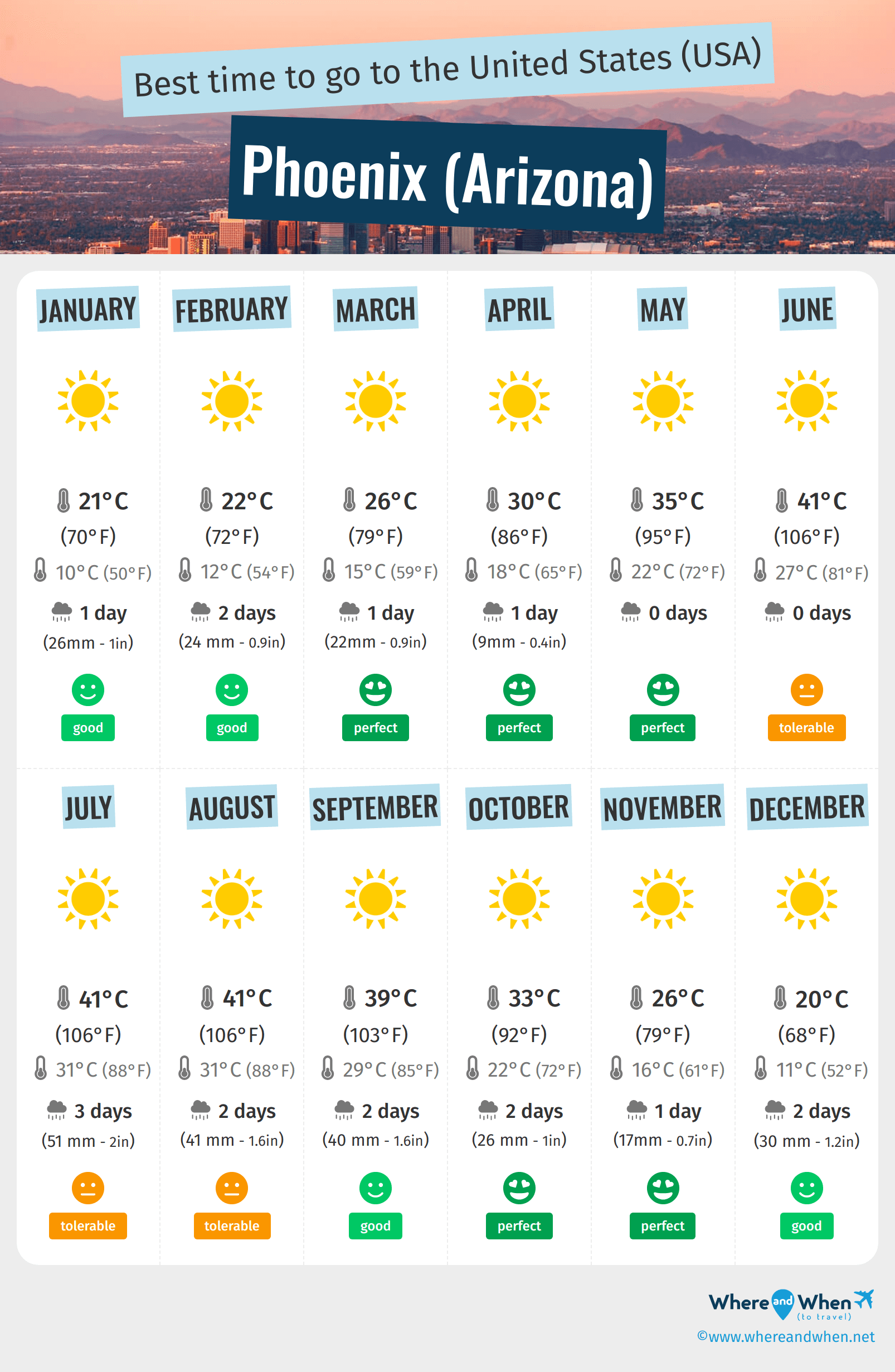
Arizona summers are a tale of two states. In the desert lowlands, temperatures soar, consistently exceeding 100°F (38°C), with monsoon season often bringing afternoon thunderstorms and increased humidity in July and August. While the intense heat makes midday outdoor activities challenging, it’s an excellent time for early morning hikes, exploring air-conditioned museums, or indulging in the many water parks and luxurious resort pools. Many resorts offer attractive deals during these months, catering to a lifestyle of relaxation and indoor/poolside enjoyment.
However, summer is prime time for escaping to Arizona’s cooler northern regions. The central highlands, with towns like Sedona and Prescott, offer pleasant temperatures in the 80s to low 90s°F (27-35°C), perfect for hiking, mountain biking, and exploring national forests. Flagstaff and the Grand Canyon are particularly popular, with comfortable daytime temperatures in the 70s and 80s°F (21-27°C). This is an excellent season for camping, scenic drives, and exploring the vast wilderness of the high country. Accommodation prices in the north may be higher due to demand, while the desert cities often see lower rates, presenting opportunities for budget-conscious travelers seeking luxury for less.
Fall (September – November): Golden Hues and Perfect Hiking Weather
As the summer heat gradually recedes, fall brings some of the most pleasant weather to Arizona, making it another peak travel season. In the desert lowlands, temperatures slowly cool from the 90s°F (30s°C) in September to comfortable 70s°F (20s°C) by November, creating ideal conditions for all outdoor activities without the intensity of spring crowds. This transition period is perfect for leisurely walks, desert botanical garden visits, and enjoying outdoor dining.
In the central highlands and northern plateaus, fall transforms the landscape into a canvas of vibrant autumn colors, particularly along routes like Oak Creek Canyon near Sedona. Temperatures are crisp and invigorating, ranging from the 50s to 70s°F (10-25°C), perfect for scenic drives, photography, and extended hiking trips. The Grand Canyon offers stunning views with fewer crowds than summer, and the cooler air makes rim-to-river hikes more feasible. Tourism remains strong, especially in the south as temperatures become more agreeable. This season attracts nature photographers, hikers, and those seeking a serene, aesthetically pleasing travel experience, with accommodations seeing moderate to high demand.
Winter (December – February): Sunshine for Snowbirds and Snowy Slopes
Arizona’s winter is a season of delightful contrasts, offering both warmth and winter sports. The desert lowlands experience their most pleasant weather, with abundant sunshine and average daytime temperatures in the 60s and 70s°F (15-25°C). This makes it a premier destination for “snowbirds” and anyone seeking an escape from harsh winter climates. Golf, tennis, outdoor festivals, and leisurely strolls through desert preserves are daily delights. Luxury resorts offer heated pools and a full array of amenities, creating an opulent lifestyle for those escaping the cold.
Meanwhile, the central highlands and northern plateaus embrace winter wholeheartedly. Flagstaff becomes a popular destination for skiing and snowboarding at Arizona Snowbowl, with temperatures often below freezing and significant snowfall. The Grand Canyon, while cold and potentially snowy, offers dramatic, pristine views that are truly unforgettable for the adventurous traveler. Accommodation in the desert regions is in high demand and often commands premium prices, reflecting the popularity of this warm-weather escape. Conversely, ski resorts in the north also see bustling activity. This season caters to a diverse range of travel lifestyles, from those seeking ultimate relaxation in the sun to thrill-seekers chasing powder on the slopes.
Planning Your Arizona Adventure: Tips for Every Climate
Navigating Arizona’s diverse temperatures and seasonal shifts requires a thoughtful approach to planning. From packing essentials to choosing the right accommodation, a little foresight ensures your trip is comfortable, safe, and truly enjoyable, regardless of where or when you visit.
What to Pack and When to Go
Given the state’s dramatic temperature swings, layering is always a smart strategy for Arizona. Even in the desert, evenings can cool down significantly.
- Summer Desert Travel (June-August): Focus on lightweight, light-colored, breathable clothing (cotton, linen). Wide-brimmed hats, sunglasses, and high-SPF sunscreen are non-negotiable. Hydration is key, so carry a reusable water bottle. Activities like hiking are best done at sunrise or sunset. For city exploration and resort stays, light casual wear is perfect.
- Winter Desert Travel (December-February): Pack layers. While daytime might call for short sleeves, evenings necessitate a light jacket or sweater. If venturing out for early morning hikes, a warmer layer is advised. This is the prime time for outdoor activities, from golf in Scottsdale to exploring Tucson’s desert museums.
- Northern Arizona & Highlands (Year-Round): Always bring layers. Even in summer, evenings at the Grand Canyon or in Flagstaff can be chilly. In winter, expect cold temperatures, snow gear, waterproof outerwear, warm hats, gloves, and sturdy, waterproof boots if you plan on skiing or exploring snowy trails. For spring and fall, expect pleasant days but cool evenings.
- Best Time for Specific Activities:
- Hiking (Desert): Fall, Winter, Spring. Avoid midday summer.
- Hiking (Highlands/North): Spring, Summer, Fall. Winter for snowshoeing.
- Golfing: Fall, Winter, Spring in the desert; Summer in the highlands/north.
- Grand Canyon Visits: Spring and Fall offer best weather; Summer is popular but hot; Winter is less crowded but cold.
- Skiing/Snowboarding: Winter, exclusively in northern areas like Arizona Snowbowl.
Accommodation Choices & Lifestyle Considerations
Arizona’s climate significantly influences its accommodation landscape. The website’s themes of Hotels, Accommodation, and Lifestyle are deeply intertwined with the state’s temperature patterns.
- Desert Resorts: During summer, these offer fantastic deals. Their amenities – massive pools, indoor activities, air-conditioned spaces – are designed to beat the heat. In winter, they’re in high demand by “snowbirds” and luxury travelers seeking warm weather. Many offer suites and villas ideal for longer stays or family trips.
- Mountain Lodges & Cabins: These are popular during summer as a cool escape and in winter for ski access. They cater to a more rustic or adventure-focused lifestyle, offering proximity to hiking trails and natural landmarks.
- Boutique Hotels: Found in cities like Sedona and Prescott, these often provide unique local experiences, emphasizing culture and charm, suitable for travelers seeking more intimate experiences.
- Budget-Friendly Options: Motels and campgrounds are plentiful, especially in proximity to national parks and forests, offering accessible accommodation for those on a tighter budget, particularly during shoulder seasons or in areas where climate allows for camping.
- Booking Tips: Peak seasons (winter in the desert, summer in the mountains, and statewide spring/fall) necessitate booking well in advance, often months ahead for popular resorts or Grand Canyon hotels. Comparison sites are useful for finding the best deals outside these windows.

Navigating Arizona’s Climate for a Seamless Trip
Beyond packing, being aware of local conditions is critical. Always check specific weather forecasts for the exact locations you plan to visit, as temperatures can vary widely even within a short distance.
- Staying Safe in the Heat: During warmer months, especially in the desert, drink plenty of water, even if you don’t feel thirsty. Avoid strenuous outdoor activities between 10 AM and 4 PM. Recognize the signs of heat exhaustion and heatstroke.
- Preparing for Cold: In northern Arizona winters, be prepared for snow and icy conditions. Check road closures and chain requirements before driving, especially on mountain passes. Dress in layers to stay warm and dry.
- Sun Protection: Regardless of the temperature, Arizona’s sun is intense year-round. Consistent use of sunscreen, hats, and sunglasses is advised for everyone.
In conclusion, understanding “What is the temperature in Arizona?” requires appreciating its geographical and seasonal nuances. This state offers a phenomenal diversity of climates, from scorching desert summers to snowy mountain winters, each providing a distinct backdrop for travel, tourism, and accommodation. Whether you’re drawn to the vibrant lifestyle of its cities, the serene beauty of its red rock country, or the majestic grandeur of its canyons, Arizona promises a captivating journey. By aligning your travel dates and expectations with its unique climatic patterns, you can ensure a comfortable, memorable, and truly spectacular experience in this extraordinary state.
LifeOutOfTheBox is a participant in the Amazon Services LLC Associates Program, an affiliate advertising program designed to provide a means for sites to earn advertising fees by advertising and linking to Amazon.com. Amazon, the Amazon logo, AmazonSupply, and the AmazonSupply logo are trademarks of Amazon.com, Inc. or its affiliates. As an Amazon Associate we earn affiliate commissions from qualifying purchases.