
California, a land of unparalleled natural beauty, vibrant cities, and a diverse landscape, annually faces a devastating challenge: wildfires. These blazes, often sprawling across vast tracts of land, not only threaten homes and lives but also cast a long shadow over the state’s thriving tourism industry, impacting travel plans, iconic landmarks, and local economies. Understanding “how California fire started?” is not merely an exercise in forensic analysis but a crucial step in comprehending the multifaceted risks that visitors and residents alike navigate, and how the state continually adapts to protect its cherished destinations and ensure safe, enjoyable experiences for all. From the sun-drenched beaches of Malibu to the towering redwoods of the north, the question of wildfire origins shapes everything from local governance to the very nature of adventure travel in the Golden State.
Unraveling the Causes: A Multifaceted Challenge
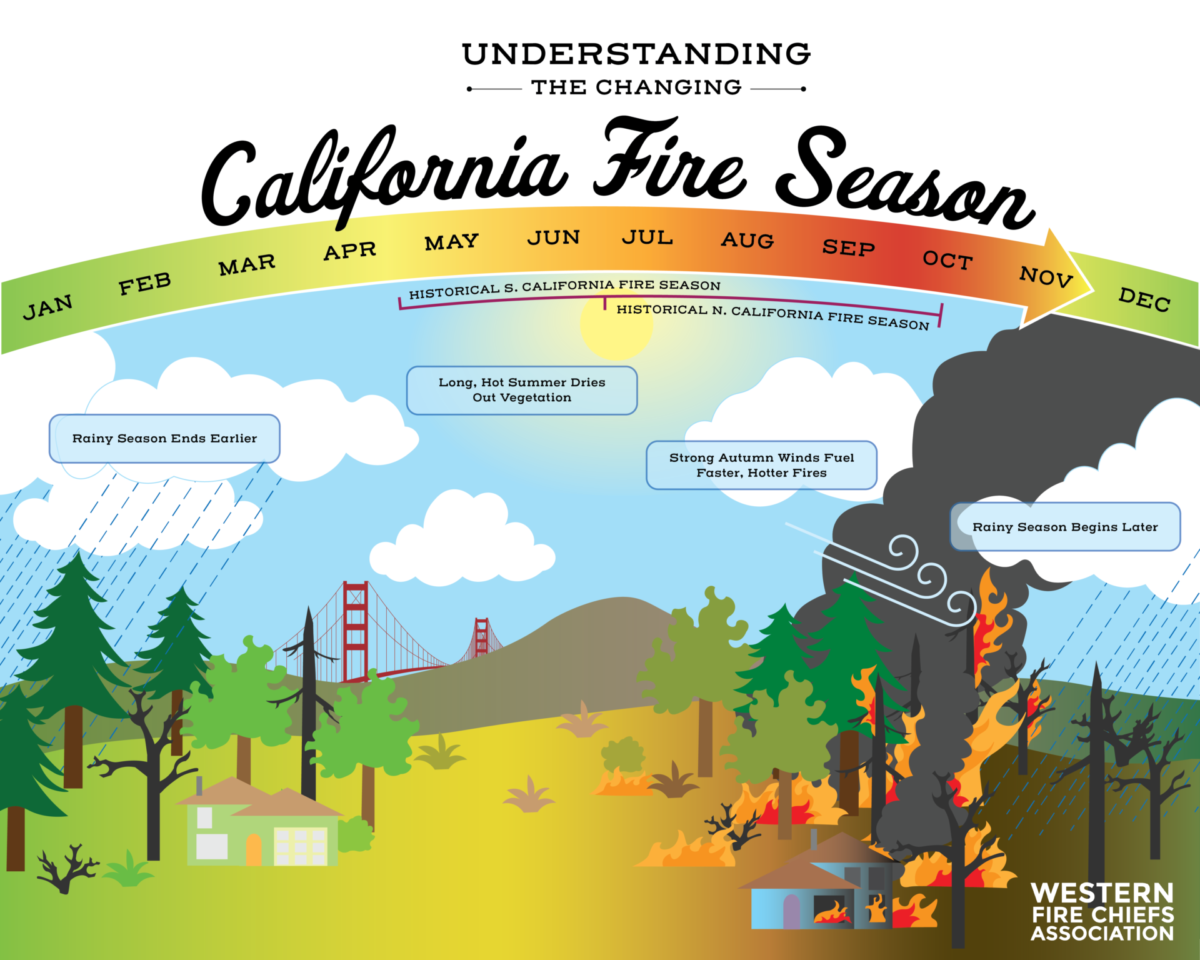
The origins of California’s wildfires are rarely simple, often emerging from a complex interplay of natural phenomena and human activity. This intricate web of causes makes prevention and mitigation an ongoing, monumental task. For travelers planning a visit to California, understanding these factors can offer valuable insights into seasonal risks and responsible travel practices, especially when exploring the state’s extensive natural parks and wilderness areas.
Natural Ignitions: The Role of Weather and Climate
While often overshadowed by human-caused incidents, natural ignitions play a significant role in sparking wildfires, particularly in remote and pristine wilderness areas. The dominant natural culprit is lightning. During late summer and early fall, dry lightning storms — where thunder and lightning occur without significant rainfall — can strike parched vegetation, instantly igniting fires. These events are exacerbated by California’s Mediterranean climate, characterized by hot, dry summers and mild, wet winters. Prolonged periods of drought, which have become increasingly common and severe, leave forests and grasslands overloaded with dry fuel, making them highly susceptible to ignition.
Furthermore, the state’s notorious Santa Ana winds, a natural phenomenon originating from high-pressure systems in the Great Basin, play a critical role in fanning initial sparks into infernos. These hot, dry winds, typically occurring from fall through spring, accelerate fire spread, making containment incredibly challenging. They effectively dry out vegetation, increase oxygen supply to fires, and carry embers long distances, creating new spot fires far from the main blaze. Regions like Southern California, including the hills around Los Angeles and San Diego, are particularly vulnerable to these wind-driven events. Iconic destinations such as Yosemite National Park and the surrounding Sierra Nevada mountain range, while magnificent for hiking and camping, are also areas where natural ignitions can quickly escalate due to challenging terrain and abundant fuel sources. Understanding these natural triggers is crucial for any adventurer planning a trip through these awe-inspiring, yet occasionally volatile, landscapes.
Human Factors: Unintentional and Intentional Sparks
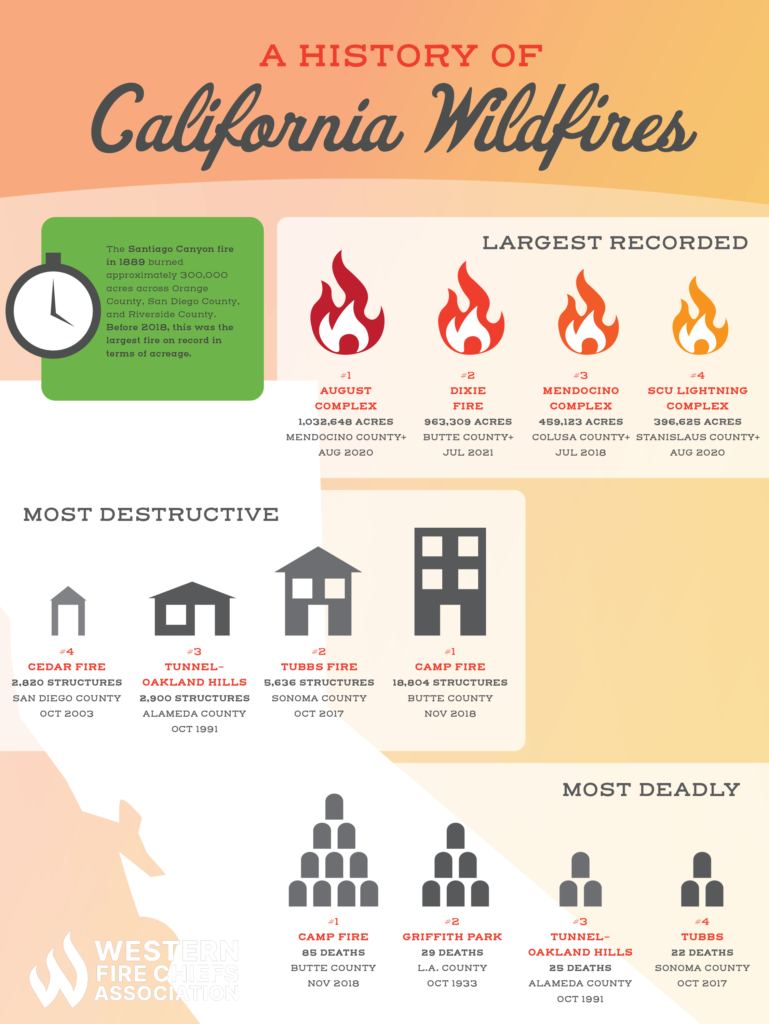
Despite the natural causes, a staggering majority of California wildfires are attributed to human activity, often unintentionally. These incidents underscore the critical need for vigilance and responsibility, especially for travelers exploring the state’s natural wonders. One of the most significant sources of human-caused fires involves utility infrastructure. Downed power lines, often caused by strong winds or falling trees, can spark dry vegetation. The sheer scale of California’s electrical grid, spanning vast rural and urban interfaces, presents a constant challenge, leading to incidents that have devastated communities like Paradise. Power line safety regulations, preventative maintenance, and public awareness campaigns have become paramount in reducing these risks.
Other common unintentional human ignitions include escaped campfires, discarded cigarettes, sparks from vehicles (such as catalytic converters igniting dry grass), target shooting, and agricultural burning that gets out of control. A simple, forgotten ember or an unextinguished cigarette butt can have catastrophic consequences, transforming a scenic overlook or a peaceful campground into a danger zone. Travelers embarking on outdoor adventures, whether it’s camping in Big Sur or exploring the vineyards of Napa Valley, are consistently reminded of fire safety protocols. This includes checking fire restrictions, properly extinguishing campfires, and avoiding activities that could generate sparks during high-risk periods.
On the darker side, arson also contributes to the wildfire problem, though it accounts for a smaller percentage of total ignitions. Intentional fires, while less frequent, are particularly malicious and difficult to predict or prevent. Law enforcement and fire investigators work tirelessly to identify and prosecute those responsible, but the damage inflicted on communities and natural habitats can be irreversible. Regardless of intent, the profound impact of human-caused fires on tourism, local economies, and the overall lifestyle in California cannot be overstated. From the bustling streets of San Francisco to the serene shores of Lake Tahoe, every Californian, and indeed every visitor, plays a role in preventing the next major blaze.
The Far-Reaching Impact on California’s Tourism Landscape
Wildfires are more than just environmental catastrophes; they have a profound and often immediate impact on California’s robust tourism industry. From altering travel itineraries to affecting the viability of once-thriving resorts, the ripple effects are felt across the state, prompting hotels, travel operators, and local communities to adapt and innovate.
Safety and Preparedness for Travelers
For anyone planning a visit to California, especially during the traditional fire season (typically summer through late fall), safety and preparedness become paramount considerations. Wildfires can lead to sudden road closures, affecting access to popular tourist destinations, national parks, and even major metropolitan areas. For instance, a fire near Interstate 5 could impact travel between Los Angeles and San Francisco, rerouting journeys or causing significant delays. Travelers are advised to consistently check local news, the CAL FIRE website, and road condition reports before and during their trips. Many hotels and resorts in fire-prone areas, such as the Four Seasons Resort The Biltmore Santa Barbara or boutique stays in the Napa Valley wine country, have robust emergency plans in place, including evacuation procedures and communication systems to keep guests informed.
Air quality is another significant concern. Smoke from distant fires can travel hundreds of miles, causing unhealthy air conditions even in areas far from the active burn zones. This can affect outdoor activities, impacting everything from beach visits in Santa Monica to hiking in regional parks near Oakland. Travelers with respiratory sensitivities are particularly urged to monitor air quality indexes (AQI) and carry necessary medications. Many accommodations, especially luxury resorts like the Ritz-Carlton, Laguna Niguel, are equipped with advanced air filtration systems to ensure guest comfort indoors, even when outdoor air quality is compromised. Ensuring one’s travel insurance covers fire-related disruptions is also a wise precaution, offering peace of mind amidst the unpredictability of natural disasters.
Preserving Iconic Landmarks and Natural Wonders
California’s appeal as a global tourist destination is intrinsically linked to its iconic landmarks and unparalleled natural wonders. Wildfires pose an existential threat to these treasures, impacting visitor experiences and the long-term sustainability of the state’s tourism. The ancient giant sequoias of Sequoia National Park and Kings Canyon National Park, some of the largest and oldest living organisms on Earth, have been directly threatened by recent blazes, requiring heroic efforts from firefighters and conservationists. Similarly, sections of the majestic Redwood National Park in Northern California have faced peril, underscoring the fragility of these irreplaceable ecosystems.
Beyond the majestic forests, fires can devastate coastal landscapes, as seen in the rugged beauty of Big Sur, where fires have repeatedly forced closures of Highway 1 and threatened renowned properties like the Post Ranch Inn and Ventana Big Sur, An Alila Resort. The wine regions of Napa Valley and Sonoma County, celebrated for their vineyards, wineries, and luxurious accommodation options such as the Bardessono Hotel & Spa, have also repeatedly suffered significant damage, impacting vintages and tourism revenue. Even seemingly distant fires can lead to closures of hiking trails, camping grounds, and recreational areas in national forests and state parks, limiting access for outdoor enthusiasts.
The long-term impact on these sites extends beyond immediate damage. The loss of vegetation can lead to increased risk of mudslides and erosion, particularly in coastal and mountainous regions, further threatening infrastructure and natural habitats. The ongoing challenge is not only to fight fires but also to implement strategies for ecosystem restoration, fire-resistant landscaping, and controlled burns to protect these invaluable assets. Travel and tourism play a vital role in supporting these conservation efforts, as visitor fees and local spending contribute to the resources needed for maintenance and recovery, ensuring that future generations can continue to marvel at California’s natural and architectural wonders.
Adapting and Rebuilding: A Resilient Spirit
Despite the recurring threat of wildfires, California demonstrates remarkable resilience. Its communities, government, and tourism industry consistently adapt, rebuild, and innovate, turning challenges into opportunities for sustainable growth and enhanced safety. This spirit of perseverance is a testament to the state’s enduring appeal and the determination of its people.
Supporting Local Economies and Sustainable Tourism
Following a wildfire, the path to recovery for affected communities is arduous but vital. Tourism often plays a crucial role in this rebuilding phase. By encouraging travelers to visit areas once they are deemed safe, visitors contribute directly to the local economy, supporting small businesses, hotels, restaurants, and attractions that have been impacted. For instance, after the devastating fires in Sonoma County or areas surrounding Lake Tahoe, campaigns have urged tourists to return, emphasizing that many businesses were untouched or quickly rebuilt. Staying at a local hotel like The Lodge at Sonoma Resort, Autograph Collection or dining at a family-owned restaurant in a recovering town provides essential revenue streams that help residents get back on their feet.
Sustainable tourism practices are becoming increasingly integrated into California’s recovery efforts. This includes promoting responsible travel behaviors such as adhering to fire restrictions, disposing of waste properly, and choosing eco-friendly accommodations. Many tourism operators and hotels, such as the eco-conscious Cavallo Point Lodge near San Francisco, actively engage in conservation projects, community support, and sustainable land management initiatives, encouraging guests to participate or learn more about these efforts. By choosing to visit and support these resilient communities, travelers become part of the solution, fostering long-term recovery and helping to build a more fire-adapted landscape for future generations. This mindful approach to travel ensures that the unique character and natural beauty of destinations like Santa Barbara and the coastal towns of Mendocino County continue to thrive.
Innovations in Fire Management and Future Travel
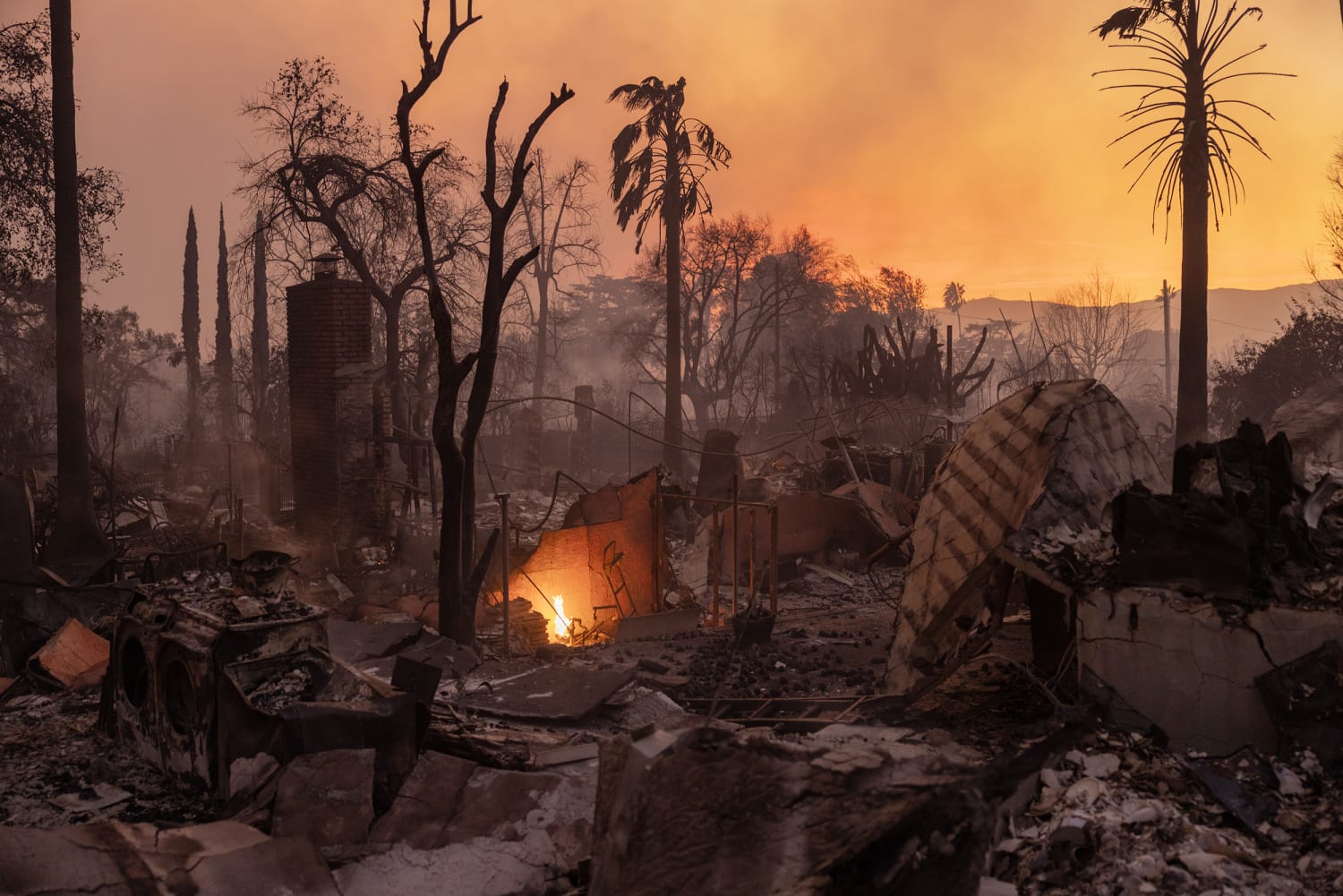
The recurring nature of wildfires has spurred significant innovation in fire management, prevention, and response strategies across California. These advancements are not only crucial for safeguarding lives and property but also for ensuring the long-term viability and safety of travel within the state. Technologies like AI-powered fire detection systems using networks of cameras and sensors, advanced satellite monitoring, and drone surveillance are now being deployed to identify ignitions much faster, allowing for quicker response times before fires can escalate. Researchers at universities like the University of California, Berkeley and the University of California, Davis are at the forefront of developing these groundbreaking tools.
Furthermore, a greater emphasis is being placed on proactive land management, including prescribed burns, forest thinning, and creating defensible spaces around communities. These strategies aim to reduce the fuel load, making forests healthier and less prone to catastrophic fires. For travelers, this means a future where outdoor recreation areas might be managed differently, with clearer guidelines and perhaps even pre-booking systems for wilderness access during peak seasons to manage visitor impact. The lifestyle of Californians, particularly those who embrace outdoor activities, is continuously adapting, with increased awareness of fire danger and a commitment to prevention.
Architectural innovations in fire-resistant building materials and design are also transforming residential areas and even hotels in high-risk zones. Many new accommodations, especially luxury villas and boutique hotels nestled in scenic, wildland-urban interface areas, are incorporating these fire-safe designs, offering guests not only comfort but also enhanced security. The commitment to rebuilding stronger and smarter extends to infrastructure, ensuring that once fire-damaged roads and utilities are restored, they are more resilient to future events. These ongoing innovations in fire management reflect California’s deep commitment to protecting its people, its incredible natural heritage, and its vibrant tourism economy, ensuring that the Golden State remains a premier destination for generations to come.
Understanding how California wildfires start reveals a complex tapestry of natural conditions and human actions. From the lightning strikes that ignite dry forests to the downed power lines that spark destructive blazes, each fire has a unique origin story. However, what remains consistent is the profound impact on the state’s travel and tourism sectors, affecting everything from safety protocols for guests at the Waldorf Astoria Beverly Hills to the accessibility of trails in Joshua Tree National Park. Yet, through robust adaptation, pioneering innovations in fire management, and an unwavering commitment to sustainable tourism, California continues to demonstrate a powerful resilience. For travelers, an informed approach, adherence to safety guidelines, and a conscious effort to support local economies contribute significantly to this ongoing saga of recovery and preservation, ensuring that the allure of the Golden State endures.
LifeOutOfTheBox is a participant in the Amazon Services LLC Associates Program, an affiliate advertising program designed to provide a means for sites to earn advertising fees by advertising and linking to Amazon.com. Amazon, the Amazon logo, AmazonSupply, and the AmazonSupply logo are trademarks of Amazon.com, Inc. or its affiliates. As an Amazon Associate we earn affiliate commissions from qualifying purchases.