
Embarking on a journey of personal transformation often involves significant milestones, and for many, legally changing one’s name is a pivotal step. In the dynamic landscape of California, a state synonymous with innovation and personal freedom, the process of legally adopting a new identity is a structured yet accessible path. Whether driven by marriage, divorce, a desire for a fresh start, gender affirmation, or simply a preference for a name that better reflects your true self, understanding the legal intricacies is crucial. This guide is designed not just as a legal walkthrough, but as a lifestyle companion, helping you navigate this profound change and smoothly integrate your new identity into all facets of your life, from everyday interactions to planning your next grand adventure.
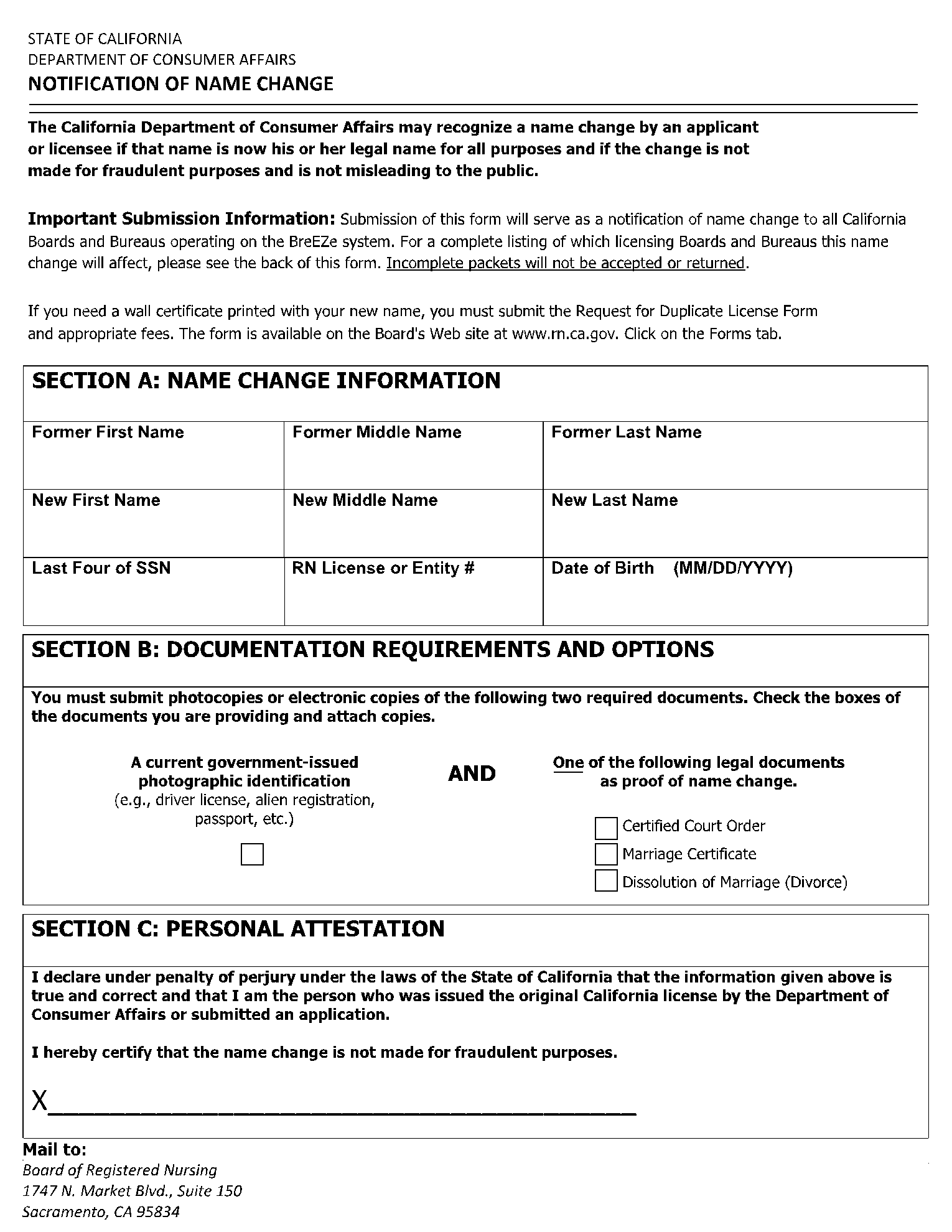
A name change in California isn’t merely about personal preference; it’s a legal declaration that impacts everything from your official documents to how you book travel and secure accommodations. For those who cherish travel, explore diverse destinations, and revel in unique experiences, ensuring your new name is consistently reflected across all forms of identification is paramount to avoid potential headaches when crossing borders or checking into a resort. This guide delves into the specifics of the process, ensuring your transition is as seamless as a meticulously planned itinerary, allowing you to focus on the exciting new chapters ahead, whether they involve exploring local culture, visiting iconic landmarks, or simply enjoying the comfort of a newly booked villa under your chosen name.
Embarking on Your Personal Rebranding Journey in California
A name change represents more than just a different combination of letters; it’s an assertion of identity, a personal rebranding that resonates deeply within one’s lifestyle. California, with its diverse population and progressive legal framework, offers a clear pathway for individuals seeking this transformation. Understanding the underlying motivations and the different avenues available is the first crucial step in this significant life journey.
Understanding the “Why”: Reasons for a Name Change
People choose to change their name for a myriad of deeply personal and practical reasons, each reflecting a unique story and a desire for alignment between their inner self and their public identity.
- Marriage and Divorce: This is perhaps the most common reason. Traditionally, individuals adopt a spouse’s surname upon marriage or revert to a maiden name (or a new name entirely) after a divorce. While often straightforward through marriage certificates or divorce decrees, a formal court petition may be necessary for more complex changes or for updating a minor’s name.
- Personal Preference and Fresh Start: For many, a name may carry negative connotations from the past, or simply no longer resonate with who they are. Adopting a new name can symbolize a fresh beginning, a break from prior associations, and an embrace of a desired future. This is a powerful lifestyle choice, akin to moving to a new city or discovering a new passion.
- Gender Affirmation: For transgender and gender non-conforming individuals, changing their legal name to match their affirmed gender identity is a vital step in their transition. California provides supportive legal pathways for this, recognizing the profound impact of aligning one’s legal identity with their true self.
- Cultural or Religious Reasons: Some individuals opt for a name change to honor cultural heritage, religious conversions, or spiritual awakenings. This reflects a deep connection to their roots or a new community, shaping their personal narrative.
- Correction of Errors: Occasionally, errors exist on birth certificates or other legal documents. A name change petition can rectify these inaccuracies, ensuring all official records are correct.
- Safety and Protection: In cases of domestic violence, harassment, or witness protection, changing a name can be a critical step to ensure personal safety and a fresh start away from threats.
Each of these reasons underscores the profound impact a name has on one’s identity and life trajectory. The decision to change it is often deeply considered and represents a significant life transition.
The Different Paths: Adult vs. Minor Name Changes
The legal procedures for changing a name in California vary primarily depending on the age of the individual involved.
- Adult Name Changes (Over 18): For individuals 18 years or older, the process generally involves filing a “Petition for Change of Name” with the Superior Court in their county of residence. This is a relatively direct process, requiring publication of the intent to change the name, followed by a court hearing. There are some exceptions, such as name changes due to marriage or divorce, which can often be completed with less formal court intervention, using the marriage certificate or divorce decree directly for updating documents like a driver’s license or Social Security card.
- Minor Name Changes (Under 18): Changing a minor’s name is more complex due to the child’s best interests being the primary consideration. It requires a “Petition for Change of Name of Minor” and typically the consent of both parents (or legal guardians). If one parent objects, the court will hold a hearing to determine if the name change is in the child’s best interest, considering factors like the child’s wishes (if old enough), the bond with each parent, and any potential disruption to the child’s life. This process underscores the legal system’s commitment to protecting children during significant life changes.
Understanding these distinctions is essential for correctly initiating the process and preparing for the legal requirements unique to each situation.
Navigating the Legal Landscape: A Step-by-Step Guide
The formal process of changing your name in California involves a series of legal steps designed to ensure transparency and proper record-keeping. While it might seem daunting, breaking it down into manageable stages makes the journey much clearer. Think of it as mapping out a detailed travel itinerary for your new identity.
Step 1: Preparing Your Petitions and Forms
The initial phase involves gathering and accurately completing the necessary legal documents. These forms are typically available through the California Courts Self-Help Center website or at your local Superior Court clerk’s office.
- Identify the Correct Forms: For adults, the primary form is “Petition for Change of Name” (NC-100). For minors, it’s “Petition for Change of Name of Minor” (NC-100/GC-220). You’ll also need “Order to Show Cause for Change of Name” (NC-120), “Civil Case Cover Sheet” (CM-010), and “Decree Changing Name” (NC-130), among others. It’s crucial to ensure you have the most current versions.
- Fill Out Forms Accurately: Provide all requested information, including your current full name, proposed new full name, date of birth, place of birth, and reason for the name change. Be precise, as errors can cause delays.
- Attach Necessary Documents: Depending on your situation, you might need to attach copies of birth certificates, marriage certificates, divorce decrees, or guardianship papers. Ensure you have originals for verification at the courthouse, but file only copies unless otherwise instructed.
- Review and Make Copies: Before filing, thoroughly review all forms for completeness and accuracy. Make at least two copies of everything: one for your records and one for potential service to interested parties if required.
This preparation stage is akin to ensuring all your travel documents are in order before a major international trip – meticulous attention to detail prevents future complications.
Step 2: Filing and Publishing Your Intent
Once your forms are prepared, the next steps involve official submission and public notification.
- File Your Petition: Take your completed forms to the clerk’s office at the Superior Court in the county where you reside. You will pay a filing fee, which can be substantial (check current fees on the California Courts website). If you cannot afford the fee, you can apply for a fee waiver by filing an “Application for Waiver of Court Fees and Costs” (FW-001).
- Obtain Your Hearing Date: The court clerk will provide you with a case number and a date for your court hearing.
- Publish the “Order to Show Cause”: This is a critical step. With very limited exceptions (e.g., cases involving domestic violence where privacy is essential), California law requires you to publish the “Order to Show Cause for Change of Name” (NC-120) in a newspaper of general circulation in your county. This publication must occur once a week for four consecutive weeks prior to your hearing date. This requirement ensures public notice of your intended name change, allowing anyone with a valid objection to come forward. The newspaper will typically provide you with an “Affidavit of Publication” once completed, which you must file with the court before your hearing. Many newspapers offer a service to handle this process and file the affidavit directly with the court.
- Serve Interested Parties (Minor Name Changes): If you are changing a minor’s name, both parents (or legal guardians) must be served with the petition and order to show cause, even if they are the petitioners. This ensures all legal parties are aware of the proceedings.
This publication requirement can be thought of as announcing your travel plans publicly – ensuring everyone is aware of your new destination (identity).
Step 3: The Court Hearing and Final Decree
The culmination of the filing process is your court hearing, where a judge will review your petition and make a final decision.
- Attend the Hearing: On your scheduled date, appear in court. Bring all your original documents, including the “Affidavit of Publication” and any other supporting paperwork. The judge will typically ask you a few questions to confirm your identity, your reasons for the name change, and that all legal requirements have been met. Unless there’s a valid objection or a legal impediment, the judge will usually grant the name change.
- Obtain Your “Decree Changing Name”: If the judge approves your petition, they will sign the “Decree Changing Name” (NC-130). This is your official legal document confirming your new name. It is imperative to obtain several certified copies of this decree from the court clerk. These certified copies will be your golden tickets for updating all your identification and financial records. Treat them with the same care you would a passport – they are invaluable.
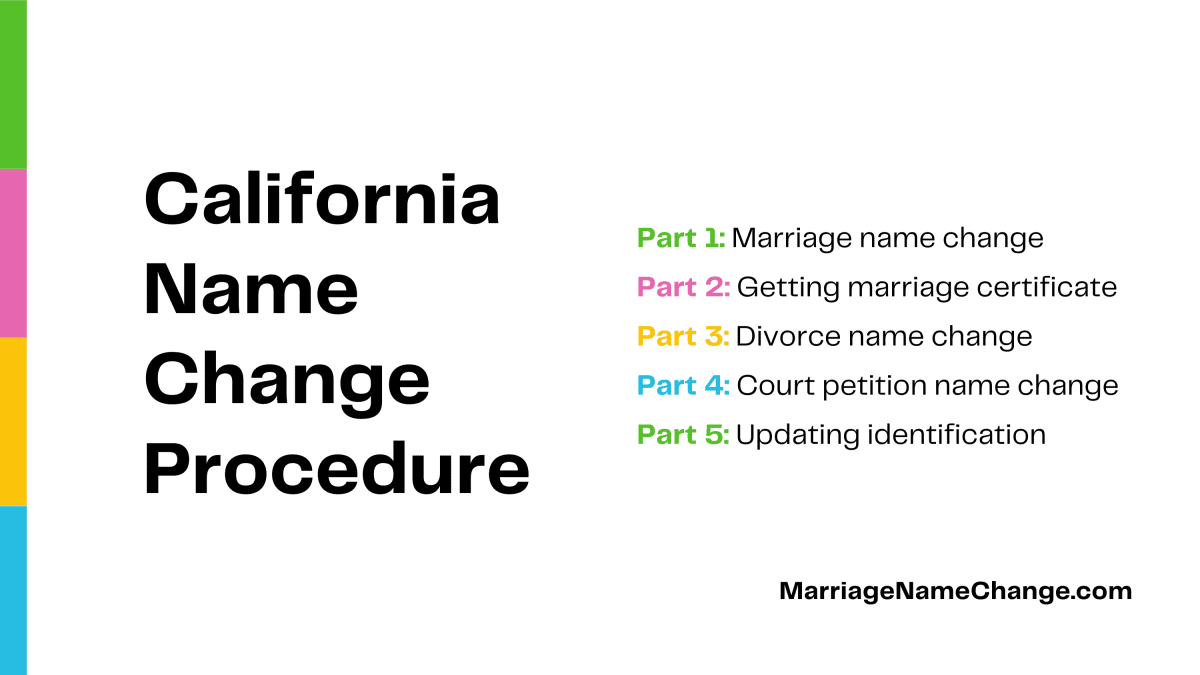
This decree is your new identity confirmed, marking the official start of your new life chapter, much like a confirmed booking for a dream destination.
Beyond the Courtroom: Updating Your World for Seamless Travel and Living
Receiving your “Decree Changing Name” is a momentous occasion, but the journey doesn’t end there. To fully embrace your new identity and ensure a smooth transition in all aspects of your life, especially for travel and official transactions, you must update all your personal and financial documents. This is a crucial “post-trip checklist” to prevent any future inconveniences.
Essential Document Updates: Passport, Driver’s License, and Social Security
These are the foundational documents that authenticate your identity and are indispensable for both daily life and international travel. Updating them promptly is critical.
- Social Security Administration (SSA): This should often be your first stop. Present your certified “Decree Changing Name” and proof of identity to the Social Security Administration to update your record and receive a new Social Security card. Your Social Security record must reflect your current legal name to ensure accurate earnings reporting and future benefits. This is a fundamental step for your financial and employment history.
- Department of Motor Vehicles (DMV): Next, visit the California Department of Motor Vehicles to update your driver’s license or state ID card. You’ll need your certified “Decree Changing Name,” your old ID, and potentially other identity verification documents. Having an updated driver’s license is essential for driving privileges and as a primary form of identification within the United States.
- U.S. Passport: For anyone planning international travel, updating your U.S. passport is non-negotiable. The process involves submitting Form DS-11 (for new passports or name changes within a year of issue) or DS-82 (for renewals), your certified “Decree Changing Name,” your old passport, and new passport photos. The U.S. Department of State website provides detailed instructions. It’s vital that your passport reflects your current legal name to avoid issues with airlines, immigration, and booking accommodations abroad.
Travel Considerations with Your New Identity
For the avid traveler, an official name change requires careful planning to ensure your journeys remain seamless and stress-free.
- Booking Flights and Accommodations: Always book flights, hotels, and other travel-related services under your new legal name. Discrepancies between your travel documents (passport, driver’s license) and your booking name can lead to denial of boarding or check-in, even cancellation, resulting in significant financial loss and travel disruption. Many airlines and booking platforms have strict policies on matching names.
- TSA PreCheck and Global Entry: If you are enrolled in expedited travel programs like TSA PreCheck or Global Entry, you must update your name with these programs. Failing to do so will invalidate your trusted traveler status, and you will not be able to utilize the expedited lanes. Check the respective program websites for specific instructions on how to submit a name change request, which typically involves providing your certified court order.
- Frequent Flyer Programs and Loyalty Accounts: Don’t forget to update your name on all your frequent flyer programs, hotel loyalty programs, and credit card rewards accounts. This ensures that you continue to accrue points and access benefits under your correct name, and that future bookings made with points or miles match your new identification.
- Travel Insurance: If you have travel insurance policies, inform your provider of your name change. This ensures that any claims you might need to make while traveling are processed without issue.
The Lifestyle Impact: Embracing Your New Self
Beyond the administrative steps, a name change has a profound impact on your lifestyle and how you present yourself to the world.
- Financial Institutions: Update your name with banks, credit card companies, investment firms, and lenders. This ensures all your financial accounts are consistent with your legal identity and helps maintain your credit history.
- Employment Records: Inform your employer and HR department of your new legal name. This impacts payroll, benefits, and official company records.
- Utilities and Services: Update your name on utility bills, insurance policies (health, auto, home), subscriptions, and any other services you use.
- Personal and Professional Networks: While not a legal requirement, gradually informing friends, family, and professional contacts about your new name can ease the social transition.
- Voting Registration: Update your voter registration with your new name to ensure your right to vote remains uninterrupted.
Embracing a new name is akin to curating a new personal brand, a “luxury lifestyle” upgrade for your identity. It’s about ensuring every facet of your existence reflects the person you truly are or aspire to be, making your life’s journey, whether to a new destination or a new personal chapter, as authentic and rewarding as possible.
Overcoming Hurdles and Planning for the Future
While the name change process in California is well-defined, it’s not without its potential challenges. Being prepared for these hurdles and understanding the financial implications will contribute to a smoother transition, allowing you to fully focus on the exciting future that awaits under your new identity.
Common Challenges and How to Address Them
Anticipating potential issues can save a significant amount of stress and time during your name change journey.
- Missing or Incorrect Information on Forms: Double-checking every detail before filing is paramount. Any discrepancies can lead to the court rejecting your petition or requiring you to refile, causing significant delays. Utilize the resources provided by the California Courts Self-Help Center and consider reviewing their guides or attending a court self-help workshop if available.
- Publication Issues: The newspaper publication requirement is a frequent point of error. Ensure you choose a newspaper of general circulation in your county, that the publication runs for the full four weeks, and that you file the “Affidavit of Publication” with the court before your hearing. If the publication is late or incorrect, you might need to reschedule your hearing.
- Objections to Name Change: While rare for adult name changes, objections can arise, especially in minor name change cases where a non-petitioning parent might disagree. If an objection is filed, the court will likely schedule a contested hearing where both sides can present their arguments. In such situations, consulting with an attorney is highly advisable.
- Updating All Documents: The sheer volume of documents and accounts to update can be overwhelming. Create a comprehensive checklist of all identification, financial accounts, memberships, and subscriptions. Tackle them systematically, perhaps starting with the most critical (Social Security, DMV, passport) and then moving to others. Patience and persistence are key.
- Discrepancies in Travel Bookings: If you have existing travel bookings made under your old name, contact the airline, hotel, or travel agency immediately. Most will allow a name correction, especially if you provide your court order, but some may charge a fee or require cancellation and rebooking. It’s always best to reconcile these before your travel date.
Financial Considerations: Fees and Waivers
The cost associated with a legal name change in California is an important consideration.
- Court Filing Fees: The initial filing fee for a name change petition can be several hundred dollars. These fees are set by each county’s Superior Court and can change, so always verify the current amount with your specific court.
- Publication Fees: Newspaper publication fees can also range from a few dozen to several hundred dollars, depending on the newspaper and county. Shop around for approved newspapers; some may offer more competitive rates.
- Certified Copies: Obtaining certified copies of your “Decree Changing Name” will incur a small fee per copy. It’s wise to get at least 3-5 certified copies to begin with, as many agencies will require an original certified copy (which they may or may not return).
- Fee Waivers: If you cannot afford the court filing fees, you can apply for a fee waiver. This involves submitting an “Application for Waiver of Court Fees and Costs” (FW-001) and potentially an “Order on Application for Waiver of Court Fees and Costs” (FW-003). The court will review your income and expenses to determine eligibility. While the fee waiver covers court costs, it generally does not cover newspaper publication fees, so budget for that separately.
Careful budgeting and an understanding of potential costs will prevent any financial surprises during this process.
Your New Chapter: Future Adventures and Experiences
With your new name officially established and all your documents updated, you are now fully equipped to embark on new adventures, both personal and global. This name change is a powerful statement of self-determination, a foundation for a life lived authentically.
Imagine booking that dream trip to San Francisco or a luxurious stay at a resort in Napa Valley under your new, chosen identity. Your updated passport will whisk you through international airports, allowing you to explore new destinations and immerse yourself in diverse local cultures without a second thought about your identification. Whether it’s enjoying the vibrant food scene of Los Angeles, discovering hidden gems off the beaten path, or simply enjoying the comfort and amenities of a premium hotel, your new name is now seamlessly integrated into your travel lifestyle.
This process, while bureaucratic, culminates in a profound personal freedom. It empowers you to navigate the world, from booking a flight to Paris to simply signing a document, as the person you truly are. Embrace this new chapter with confidence, knowing that you have meticulously laid the groundwork for a future filled with authentic living and unforgettable experiences. Your name is now truly your own, a perfect reflection of your unique journey.
LifeOutOfTheBox is a participant in the Amazon Services LLC Associates Program, an affiliate advertising program designed to provide a means for sites to earn advertising fees by advertising and linking to Amazon.com. Amazon, the Amazon logo, AmazonSupply, and the AmazonSupply logo are trademarks of Amazon.com, Inc. or its affiliates. As an Amazon Associate we earn affiliate commissions from qualifying purchases.