
California, often hailed as the Golden State, is synonymous with innovation, stunning natural beauty, and a lifestyle that draws millions globally. From the sun-drenched beaches of San Diego to the iconic urban landscapes of San Francisco and the glamorous allure of Los Angeles, it’s a premier destination for travel, tourism, and even long-term stays. But beyond the captivating attractions and vibrant culture, California is also known for its distinct and often complex labor laws. For anyone considering working in the state – whether as a temporary tourism employee, a business traveler extending their stay, or a digital nomad exploring long-term accommodation options – understanding how overtime works in California is not just a legal formality; it’s a crucial aspect of managing one’s lifestyle, finances, and overall experience in this dynamic state.
Navigating the nuances of California’s overtime regulations can significantly impact your earnings, work-life balance, and even your travel plans if work is part of the agenda. These laws are designed to protect employees, ensuring fair compensation for hours worked beyond the standard workday or workweek. For the myriad hotels, resorts, and tourism-related businesses thriving across regions like Napa Valley, Orange County, and Lake Tahoe, compliance is paramount. For individuals, knowing your rights can empower better decision-making, whether you’re booking a business stay in Silicon Valley or contemplating a seasonal job near Yosemite National Park. This comprehensive guide delves into the specifics of California’s overtime rules, offering insights relevant to both employers and employees within the state’s bustling travel and lifestyle sectors.
Understanding California’s Overtime Landscape: The Basics
California’s overtime laws are among the most protective in the United States, often exceeding federal requirements. The core principle is straightforward: employees must be compensated at a premium rate for working beyond a certain number of hours. However, the exact thresholds and rates can vary, making it essential to grasp the fundamental rules. These regulations are vital for anyone working in or managing businesses related to hotels, resorts, tours, and other hospitality services, ensuring that the unique demands of these industries are met without compromising worker protections.
Daily and Weekly Overtime Rules
Unlike federal law, which primarily focuses on a 40-hour workweek, California mandates overtime pay based on both daily and weekly thresholds. This dual approach provides robust protection for employees, especially those in sectors like accommodation and tourism where shifts can be long or irregular.
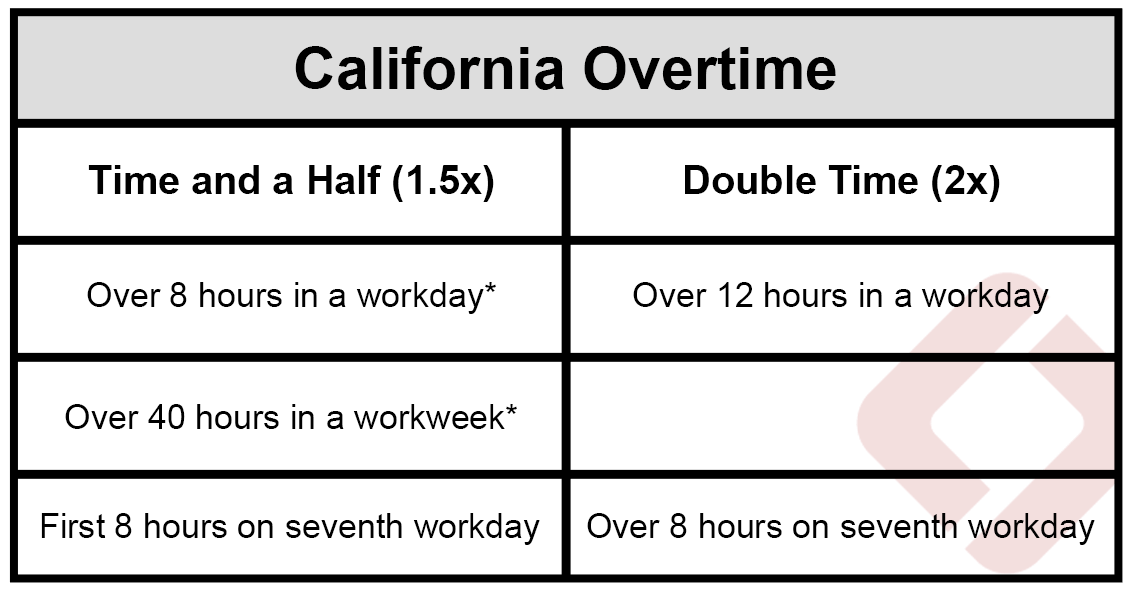
- Daily Overtime: An employee must be paid overtime at one and one-half times (1.5x) their regular rate of pay for all hours worked over eight (8) hours and up to twelve (12) hours in any workday.
- Weekly Overtime: An employee must also be paid overtime at one and one-half times (1.5x) their regular rate of pay for the first eight (8) hours worked on the seventh consecutive day of work in a workweek.
- Double Time: The concept of double time is a distinctive feature of California law. An employee must be paid double their regular rate of pay for all hours worked in excess of twelve (12) hours in any workday. Additionally, double time is required for all hours worked in excess of eight (8) hours on the seventh consecutive day of work in a workweek.
Consider a hotel concierge in Beverly Hills during peak season, working a 10-hour shift. Those two hours beyond the standard eight would qualify for 1.5x overtime. If that same concierge works a 14-hour shift, the first four hours over eight would be 1.5x, and the two hours over twelve would be 2x, significantly impacting their earnings and reflecting the state’s commitment to fair compensation for demanding roles.
The “Seventh Consecutive Day” Rule
This rule is a particularly strong protection for employees and is unique to California in its strictness. It’s designed to ensure employees receive adequate rest and are heavily compensated if they forgo their weekly day off. For sectors like hospitality, where continuous service is often required, understanding and scheduling around this rule is critical.
- Definition: The seventh consecutive day rule applies when an employee works seven days in a row within a single workweek. The first eight hours worked on that seventh day must be paid at one and one-half times their regular rate.
- Double Time on the Seventh Day: Any hours worked beyond eight on that seventh consecutive day must be paid at double the employee’s regular rate.
Imagine a tour guide operating daily excursions in Santa Monica for a full week. If their employer schedules them for a seventh consecutive day, those hours immediately trigger premium pay. This rule encourages businesses, whether a boutique hotel in Carmel-by-the-Sea or a major resort in Palm Springs, to schedule their staff with regular days off, contributing to a healthier work-life balance for employees and preventing burnout in demanding roles.
Different Overtime Rates
To reiterate and clarify, California employs three distinct pay rates:
- Regular Rate of Pay: The standard hourly wage.
- Time and a Half (1.5x): Applies to hours worked over 8 up to 12 in a workday, or the first 8 hours on the seventh consecutive day.
- Double Time (2x): Applies to hours worked over 12 in a workday, or hours over 8 on the seventh consecutive day.
These tiered rates ensure that the more an employee works beyond standard expectations, the higher their compensation rate becomes, reflecting the increased physical and mental toll.
Overtime for Specific Industries: A Focus on Travel and Hospitality
The travel and hospitality industries in California are uniquely affected by these robust labor laws. These sectors, known for their often non-traditional hours, seasonal peaks, and customer-facing demands, must meticulously adhere to overtime rules to avoid costly penalties and ensure employee satisfaction. For employees considering positions in these vibrant industries, understanding how these laws apply to their specific roles is paramount for financial planning and career management, especially for those who travel to California for work or extended stays.
Hotel Staff and Accommodation Providers
From luxury resorts in Malibu to budget-friendly motels in Sacramento, accommodation providers represent a significant portion of California’s tourism economy. Roles such as front desk agents, housekeepers, concierges, bellhops, and restaurant staff often work irregular hours, including nights, weekends, and holidays. These roles are almost universally non-exempt, meaning they are entitled to overtime pay.

- Impact of Peak Seasons: During high tourism seasons, such as summer in Santa Barbara or winter around Mammoth Lakes, hotels frequently extend employee hours to meet demand. Without careful scheduling, these increased hours can quickly trigger daily, weekly, or even seventh-day overtime and double-time rates. This directly impacts operational costs for hotels and the overall budgeting for travel businesses.
- Benefits for Employees: For individuals seeking seasonal work or considering a career in California’s hotel industry, understanding these overtime provisions means potentially higher earnings during busy periods. This can be particularly appealing for those on extended work-and-travel visas or those looking to save money during a long-term stay.
- Challenges for Management: Hotel management teams must implement sophisticated scheduling software and practices to track hours diligently, forecast demand, and allocate staff efficiently to balance service quality with compliance and cost control. Overtime costs can quickly erode profit margins if not managed effectively.
Tourism Operators and Guides
California’s diverse attractions, from the beaches of Huntington Beach to the towering redwoods of Redwood National Park, necessitate a vast network of tour operators, guides, and activity coordinators. These roles are inherently variable, often dictated by tourist flow, weather, and specific event schedules.
- Excursions and Day Trips: Guides leading excursions to places like Joshua Tree National Park or wine tours in Sonoma County might have irregular start and end times, with tour lengths often exceeding eight hours. Those additional hours would be subject to overtime. The “seventh consecutive day” rule is especially relevant for guides who might be booked for back-to-back tours during peak visitor periods, such as around Disneyland or Universal Studios Hollywood.
- Event Staff: Individuals working for major events, festivals, or conferences in cities like San Jose or Long Beach might find themselves working intense, multi-day schedules that quickly accumulate overtime hours.
- Seasonal Employment: Many tourism jobs are seasonal. For those who travel to California for short-term employment, understanding their overtime rights ensures they are fairly compensated for their intensive work during these temporary stints. This knowledge can also factor into their overall budget planning for their travel and accommodation.
Business Travelers and Remote Workers
While not typically thought of as “overtime” situations in the traditional sense, California’s robust labor laws can still have implications for business travelers and remote workers who establish a temporary or permanent presence in the state.
- “Working While Traveling”: If a business traveler is an employee of a California-based company and performs work activities while traveling, their time spent working (and sometimes traveling itself) could be subject to California’s rules. This is crucial for understanding how their employer tracks and compensates for work performed during a business stay.
- Temporary Relocation or Extended Stays: For professionals considering a temporary relocation to California for a project or as part of a digital nomad lifestyle, understanding the state’s employment laws becomes critical. Even if their primary employer is out-of-state, if they are working in California, they may be afforded California labor protections, including overtime, depending on the specifics of their employment relationship and duration of stay.
- Importance of Classification: For companies with employees temporarily or permanently based in California, correct classification (employee vs. independent contractor, exempt vs. non-exempt) is vital to avoid missteps regarding overtime pay. Incorrect classification can lead to significant liabilities, impacting a company’s ability to operate smoothly within the state’s vibrant business and tourism landscape.
Exemptions and Special Considerations for a Golden State Lifestyle
While California’s overtime laws are broad, certain exemptions exist. Understanding these exceptions is as important as knowing the general rules, particularly for individuals in management roles, specialized professions, or those planning their long-term stay and financial well-being in the Golden State. These exemptions primarily revolve around the nature of the work performed, salary levels, and the employee’s responsibilities.
Who is Exempt from Overtime?
Not all employees in California are entitled to overtime pay. Generally, exemptions fall into several categories, commonly referred to as “white-collar exemptions.” To qualify for an exemption, an employee must meet specific criteria regarding their duties and salary level. These are strict tests, and employers must ensure all requirements are met.
- Executive Exemption: Applies to employees whose primary duties involve managing the enterprise or a recognized department/subdivision, customarily and regularly directing the work of two or more other employees, having the authority to hire/fire or make recommendations, and who are paid a salary meeting a certain threshold (at least twice the state minimum wage for full-time employment). For example, a general manager of a San Francisco hotel would likely fall under this category.
- Administrative Exemption: Applies to employees whose primary duties involve office or non-manual work directly related to the management or general business operations of the employer or its customers, customarily and regularly exercising discretion and independent judgment, and who are paid a salary meeting the same threshold as executives. This might include a high-level marketing director for a tourism board.
- Professional Exemption: Applies to employees primarily engaged in learned or artistic professions (e.g., doctors, lawyers, certified public accountants, or highly skilled creative professionals). They must be paid a salary meeting the minimum threshold and their work must require advanced knowledge. A chef at a Michelin-starred restaurant in Yountville might fall here if their role meets the strict artistic professional criteria.
- Computer Software Exemption: Highly skilled computer professionals meeting specific wage and duty requirements can also be exempt.
- Outside Salesperson Exemption: Individuals whose primary duties involve selling products or services away from the employer’s place of business and who customarily and regularly work more than half their working time away from the employer’s place of business are exempt. This is crucial for sales teams for travel agencies or destination marketing organizations.
It’s vital for employers not to assume an employee is exempt based solely on their title or salary. The actual duties performed are the determining factor. For employees considering managerial roles or specialized positions, understanding these exemptions helps manage expectations regarding potential overtime earnings and overall compensation structures.
Meal and Rest Breaks: A Related Consideration
While not directly part of overtime calculations, California’s strict meal and rest break laws are inextricably linked to employee well-being and overall compliance. Employers must provide:
- Meal Periods: A non-waivable, unpaid 30-minute meal period for work periods of more than five hours (unless the total work period is six hours or less and both employer and employee agree to waive it). A second meal period is required for work periods of more than ten hours.
- Rest Periods: A paid 10-minute rest period for every four hours worked, or major fraction thereof.
Failure to provide these breaks can result in “premium pay” – an hour of pay at the employee’s regular rate for each missed meal or rest period. This can quickly add up and is often a point of contention in labor disputes. For businesses in the hospitality sector, where shifts can be long and customer demands high, diligent tracking and enforcement of break policies are crucial for compliance and employee morale. For employees, knowing your rights regarding breaks contributes significantly to a balanced work day, especially in high-stress roles common in luxury travel or busy tourist attractions.
Impact on Budgeting for Long-Term Stays and Luxury Travel
Understanding California’s overtime laws extends beyond mere compliance; it’s a strategic component for both businesses and individuals operating within the state’s vibrant economy, especially in the context of lifestyle and financial planning.
- For Businesses: Hotels, resorts, tour operators, and other tourism-related enterprises must factor in potential overtime costs when budgeting for staffing, especially during peak seasons or for special events (e.g., a major convention in Anaheim or a film festival in Hollywood). Strategic scheduling, effective time-tracking systems, and a clear understanding of exemptions are vital to maintain profitability while adhering to labor standards.
- For Employees and Travelers: For someone planning an extended stay in California – perhaps combining work with exploring landmarks like the Golden Gate Bridge or embarking on a Big Sur road trip – understanding potential overtime earnings can significantly impact their budget. Temporary or seasonal roles, particularly in the tourism and hospitality sectors, can offer attractive earning potential due to California’s premium pay rates for extended hours. This can make a working holiday or a period of remote work in the state more financially viable, potentially allowing for more luxury travel experiences or a longer stay in premium accommodation.
- Lifestyle Choices: The robust nature of California’s labor laws also influences lifestyle choices. For many, the guarantee of premium pay for extra hours or the enforcement of rest breaks contributes to a better work-life balance, allowing more time to enjoy the state’s incredible offerings, whether it’s exploring Monterey‘s coastline or enjoying the vibrant culture of Death Valley National Park (perhaps not too vibrant, but still). This commitment to worker welfare helps sustain the “Golden State” dream for those who choose to live and work there.
In conclusion, California’s overtime laws are a cornerstone of its labor protections, designed to ensure fair compensation and promote employee well-being. For anyone engaged with the state’s travel, tourism, and lifestyle industries, whether as an employer crafting strategic schedules or an employee planning a working adventure, a thorough understanding of these regulations is not just prudent but essential. It empowers better decision-making, fosters a fairer workplace, and ultimately contributes to a more sustainable and equitable experience in one of the world’s most desired destinations.
LifeOutOfTheBox is a participant in the Amazon Services LLC Associates Program, an affiliate advertising program designed to provide a means for sites to earn advertising fees by advertising and linking to Amazon.com. Amazon, the Amazon logo, AmazonSupply, and the AmazonSupply logo are trademarks of Amazon.com, Inc. or its affiliates. As an Amazon Associate we earn affiliate commissions from qualifying purchases.