
The question “How Far Is Florida From California?” immediately conjures images of vast American landscapes, epic road trips, and the stark contrast between two of the United States’ most iconic and geographically distant states. Separated by thousands of miles, the journey between the Sunshine State and the Golden State is more than just a matter of distance; it’s a testament to the diverse geography, cultures, and travel experiences that define the American continent. For anyone contemplating a move, a cross-country adventure, or simply curious about the sheer scale of the United States, understanding this distance is the first step in planning an unforgettable journey.

Both Florida and California are premier destinations, each boasting unique appeals that draw millions of visitors annually. Florida is renowned for its pristine beaches, world-famous theme parks like Walt Disney World Resort and Universal Orlando Resort, and vibrant cities such as Miami and Orlando. California, on the other hand, offers a dramatic coastline, iconic cities like Los Angeles and San Francisco, majestic national parks including Yosemite and Redwood, and the glitz and glamour of Hollywood. Connecting these two vibrant hubs requires significant planning, whether you choose to traverse the skies or embark on a multi-day road adventure.
The Vast Geographic Divide: Unpacking the Miles
When we talk about the distance between Florida and California, we’re discussing a truly continental scale. These two states represent the southeasternmost and southwesternmost points of the contiguous United States, respectively. The mileage can vary slightly depending on the specific starting and ending points within each state, but generally, the journey spans thousands of miles.
Understanding the Sheer Vastness
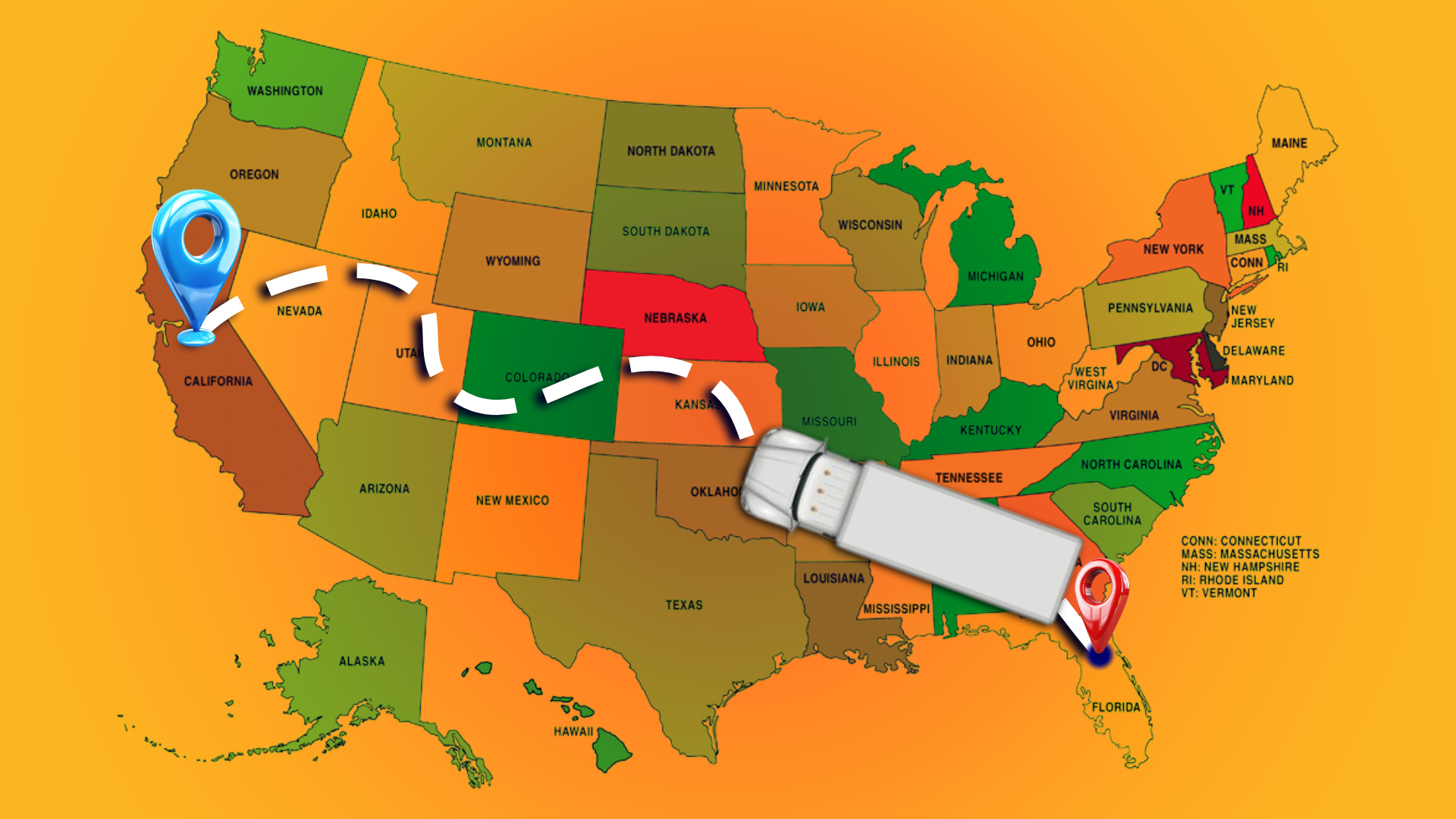
The direct, as-the-crow-flies distance between the most central points of Florida and California is approximately 2,200 to 2,500 miles (around 3,500 to 4,000 kilometers). However, for practical travel purposes, one must consider drivable routes, which naturally add more mileage due to road networks and geographical barriers.
For example, a common route from a major city like Miami, Florida to Los Angeles, California typically covers around 2,700 to 3,000 miles (4,345 to 4,828 kilometers). This massive distance means that a journey between these two states is not a quick hop but a substantial undertaking, demanding careful consideration of time, cost, and logistics. It’s a cross-country trek that touches numerous states, climates, and time zones, offering a unique opportunity to experience the diverse fabric of the United States.
Key Cities and Their Distances
To illustrate the range of distances, let’s consider a few popular city pairs:
- Miami, Florida to Los Angeles, California: This is one of the longest major city-to-city routes, typically around 2,750 miles (4,426 km) by road.
- Orlando, Florida to San Francisco, California: This route can stretch to approximately 2,800-3,000 miles (4,500-4,828 km), depending on the specific roads taken.
- Jacksonville, Florida to San Diego, California: A slightly shorter, but still significant, distance of around 2,400-2,600 miles (3,862-4,184 km).
These distances underscore the need for meticulous planning, especially for road travelers who will spend days crossing multiple states and potentially encountering varied weather conditions and local attractions.
Navigating the Distance: Modes of Transportation and Travel Time
The choice of transportation is paramount when traveling between Florida and California, dictating not only the duration of your journey but also the overall experience and cost. Each mode offers a distinct perspective on the cross-country adventure, catering to different budgets, time constraints, and preferences for exploration.
By Air: The Fastest Route
For those prioritizing speed and efficiency, flying is undoubtedly the best option. Direct flights significantly cut down travel time, transforming a multi-day road trip into a matter of hours.
- Flight Duration: A direct flight from major Florida airports like Miami International Airport (MIA) or Orlando International Airport (MCO) to California hubs such as Los Angeles International Airport (LAX) or San Francisco International Airport (SFO) typically ranges from 5 to 6 hours. This travel time only accounts for the in-air portion; remember to factor in airport check-in, security, boarding, and deplaning, which can add another 2-3 hours to your total journey.
- Major Airports and Connectivity: Both states boast excellent air connectivity. In Florida, beyond MIA and MCO, you have Fort Lauderdale-Hollywood International Airport (FLL) and Tampa International Airport (TPA). In California, alongside LAX and SFO, key airports include San Diego International Airport (SAN) and Oakland International Airport (OAK). Many airlines offer routes connecting these cities, making air travel a convenient option for business travelers, those on a tight schedule, or families seeking to minimize travel fatigue.
- Booking and Comparison: Utilizing flight comparison websites and setting up price alerts can help secure the best deals. Fares can fluctuate widely based on seasonality, booking lead time, and demand. For seamless accommodation upon arrival, consider booking hotels or resorts in advance, especially if traveling during peak tourism seasons.
The Epic Cross-Country Road Trip
For many, the appeal of a Florida to California journey lies in the road trip itself. This option offers unparalleled flexibility, opportunities for sightseeing, and a truly immersive experience of the United States.
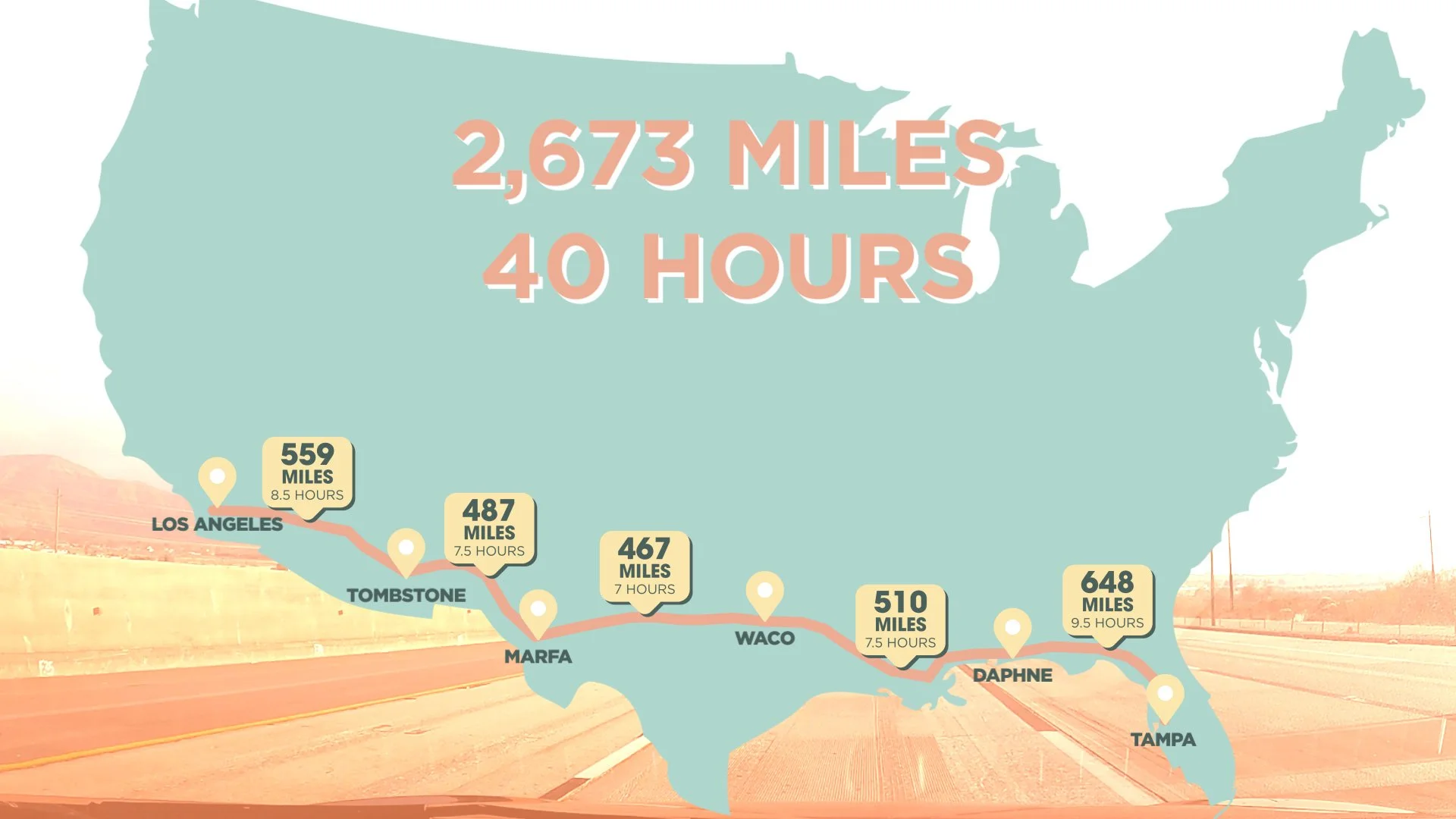
- Driving Distance and Time: As mentioned, the drivable distance ranges from 2,700 to 3,000 miles. At an average driving speed, this translates to approximately 40-50 hours of pure driving time. To complete this journey safely and enjoyably, it’s recommended to break it up over 4 to 7 days, allowing for 8-10 hours of driving per day, interspersed with stops for rest, meals, and exploring points of interest.
- Popular Routes: The most common routes typically involve interstates like I-10 (which spans from Jacksonville, Florida to Santa Monica, California) or a combination including I-40 further north. These routes pass through diverse landscapes, from the bayous of Louisiana and Texas to the deserts of Arizona and New Mexico.
- Overnight Stops and Accommodation: Planning overnight stops is crucial. Travelers can choose from a range of accommodation options, from budget-friendly motels and extended stay hotels to more luxurious boutique hotels or unique Airbnbs in charming towns along the way. Booking in advance, especially during peak travel seasons, is highly advisable. Many families opt for resorts or suites with amenities like pools or complimentary breakfast to enhance their journey.
- Road Trip Planning: A successful cross-country road trip requires careful preparation. This includes vehicle maintenance, mapping out your route and potential detours to landmarks or attractions, packing essentials, and planning for fuel stops. Consider investing in a good GPS and having offline maps, especially when traversing remote areas. Don’t forget to research local culture and cuisine in the states you’ll pass through to enrich your travel experience.
Other Transportation Options
While less common for the entire journey, other modes of transport exist:
- Train (Amtrak): Amtrak offers cross-country routes, though none are direct between Florida and California. Travelers would typically need multiple transfers, making the journey significantly longer than driving (e.g., 3-4 days) and often comparable in cost to flying. It offers a scenic, relaxed pace for those who enjoy rail travel.
- Bus (Greyhound): Greyhound provides the most budget-friendly option but is also the longest and most physically demanding. A bus journey can take 2.5 to 3 days, with numerous stops and transfers. This mode of transport is best suited for budget travelers with ample time and a high tolerance for extended travel.
Planning Your Journey: Beyond the Miles
Beyond simply calculating distance and travel time, a trip between Florida and California presents a wealth of opportunities for comprehensive travel planning. This includes selecting the right accommodation, exploring diverse landmarks and attractions, and tailoring the experience to your specific lifestyle and budget.
Accommodation Along the Way and at Your Destination
Whether you’re flying directly or driving across the country, accommodation will be a significant part of your travel budget and experience.
- Road Trip Stopovers: For road trippers, strategic placement of overnight stays can transform a tiring drive into a series of mini-vacations. Consider stopping in cities like New Orleans, Houston, San Antonio, Phoenix, or Tucson. Each offers unique cultural experiences, dining options, and a variety of hotels, from national chains to charming local inns. Utilize websites that allow for comparison of prices and amenities, reading reviews to ensure a comfortable stay.
- Destination Stays: Upon reaching Florida or California, your accommodation choices are boundless.
- In Florida, options range from luxury resorts in South Beach Miami, family-friendly suites near Walt Disney World in Orlando, to serene beachfront villas on the Gulf Coast.
- California offers everything from glamorous Hollywood hotels, sophisticated boutique hotels in San Francisco, apartments for long-term stays in Silicon Valley, to cozy cabins near national parks.
Consider what type of experience you seek – relaxation, adventure, or urban exploration – and choose your lodging accordingly.
Exploring Diverse Landmarks and Attractions
The journey between these two states is an opportunity to explore some of America’s most treasured landmarks and attractions.
- Across the Country: A road trip allows for stops at diverse points of interest, such as the Space Center Houston in Texas, the Grand Canyon National Park in Arizona, or the historic French Quarter in New Orleans. These detours enrich the travel experience and provide a deeper understanding of regional local culture.
- In Florida: Upon arrival, immerse yourself in Florida’s diverse offerings. Beyond the theme parks, visit the Kennedy Space Center Visitor Complex, explore the Everglades National Park, or relax on the stunning beaches of Siesta Key or Clearwater. The Keys offer a unique Caribbean-like atmosphere.
- In California: California boasts an equally impressive array of attractions. From the iconic Golden Gate Bridge and Alcatraz Island in San Francisco to the vibrant walk of fame and Santa Monica Pier in Los Angeles, there’s endless exploration. Nature lovers can hike in Yosemite National Park or explore the dramatic Big Sur coastline.
Tailoring Your Travel Style and Budget
The journey can be customized to fit various lifestyles and budgets.
- Luxury Travel: For those seeking luxury travel, private jets can reduce travel time even further, while five-star resorts and gourmet dining experiences await in both states. Consider concierge services for seamless planning.
- Budget Travel: On the other end, budget travel involves flying with low-cost carriers, staying in more affordable motels or hostels, and packing your own snacks for a road trip. The flexibility of self-driving allows for cost savings on food and accommodation.
- Family Trips: For family trips, flying can minimize stress, but a road trip offers bonding opportunities and flexibility for kids’ needs. Look for hotels with family-friendly amenities like pools and complimentary breakfasts.
- Business Stays: Business travelers will likely opt for flights for efficiency. Focus on hotels with good business centers, Wi-Fi, and convenient access to corporate hubs. Long-term stay apartments or suites might be suitable for extended assignments.
Making the Most of Your Cross-Country Adventure
Embarking on a journey from Florida to California is more than just covering distance; it’s about embracing the adventure, soaking in diverse experiences, and leveraging smart tourism tips to make every mile count. The sheer scale of the journey offers an incredible canvas for creating lasting memories, whether you’re a first-time cross-country traveler or a seasoned explorer.
Tourism Tips and Local Culture
To truly enrich your travel experience, delve into the local culture of the regions you traverse and your final destinations.
- Embrace Regional Flavors: The journey crosses various culinary landscapes. In Florida, savor Cuban cuisine in Miami or fresh seafood along the coast. As you drive west, you might encounter spicy Cajun dishes in Louisiana, authentic Tex-Mex in Texas, and flavorful Southwestern fare in Arizona and New Mexico. Upon reaching California, indulge in farm-to-table dining, diverse ethnic cuisines, and world-class wine tasting in regions like Napa Valley or Sonoma.
- Engage with Local Communities: Take time to explore smaller towns off the main highway during a road trip. These often hide charming local attractions, unique shops, and genuine hospitality. Engage with locals, visit farmers’ markets, or attend local festivals if your timing aligns. This offers a more authentic glimpse into the United States beyond its major cities.
- Consider Seasonal Travel: Both Florida and California experience distinct seasons, which can impact your travel. Florida summers are hot and humid with hurricane risks, while California summers can be very hot inland and pleasant along the coast. Winter in Florida is pleasant, attracting many snowbirds, while California offers skiing in the mountains and mild weather on the coast. Plan your trip to align with your preferred climate and activities.
Booking and Comparison Strategies
Smart booking and comparison strategies are essential for a smooth and cost-effective journey.
- Flights: For air travel, use online travel agencies and airline websites to compare prices. Be flexible with your travel dates if possible, as mid-week flights are often cheaper. Consider flying into or out of smaller, regional airports if they offer significant savings and work with your itinerary.
- Rental Cars: If flying into one state and driving around, or for a one-way road trip, rental car booking requires attention. One-way rentals can incur significant drop-off fees, so factor this into your budget. Compare prices from various companies and consider loyalty programs.
- Accommodation: When booking accommodation, always compare rates across different platforms. Look for deals, package offers, or loyalty discounts. If planning a long-term stay in California or Florida, consider serviced apartments or villas, which can offer better value and more amenities than traditional hotels. Reading recent reviews is crucial for managing expectations regarding amenities, service, and location.
- Travel Insurance: Given the long distances and potential for unforeseen events, consider purchasing travel insurance. This can cover trip cancellations, medical emergencies, or lost luggage, providing peace of mind for such an extensive journey.
In conclusion, the distance between Florida and California is substantial, defining a journey that can be undertaken swiftly by air or as a grand, multi-day adventure on the road. Whichever mode you choose, careful planning, an openness to diverse experiences, and strategic booking will ensure a memorable and fulfilling traverse of the United States from one vibrant coast to the other. It’s not just about how far it is, but how richly you experience every mile in between.
LifeOutOfTheBox is a participant in the Amazon Services LLC Associates Program, an affiliate advertising program designed to provide a means for sites to earn advertising fees by advertising and linking to Amazon.com. Amazon, the Amazon logo, AmazonSupply, and the AmazonSupply logo are trademarks of Amazon.com, Inc. or its affiliates. As an Amazon Associate we earn affiliate commissions from qualifying purchases.