
For anyone planning a trip to California, especially those with a penchant for world-class wines, breathtaking scenery, and culinary delights, the question of proximity between the vibrant city of San Francisco and the serene vineyards of Napa Valley is a common one. These two iconic California destinations offer vastly different yet equally captivating experiences, making them a perfect pairing for an unforgettable getaway. Whether you’re a seasoned traveler or embarking on your first United States adventure, understanding the distance, travel options, and what each region has to offer is key to maximizing your itinerary.

The journey from the bustling urban landscape of San Francisco to the verdant expanse of Napa Valley is not just a change in geography but a transition in atmosphere. One moment you’re navigating the city’s iconic hills and diverse neighborhoods, and the next you’re enveloped by rolling vineyards and the promise of exquisite wine tastings. This article delves into the practicalities of making this journey, exploring the best ways to travel, and highlighting the myriad attractions, accommodations, and lifestyle experiences that await in both locations. From luxury escapes to budget-friendly adventures, and from family trips to romantic getaways, we’ll cover everything you need to know to plan your perfect California experience.
The Journey: Distance, Travel Time, and Transportation Options
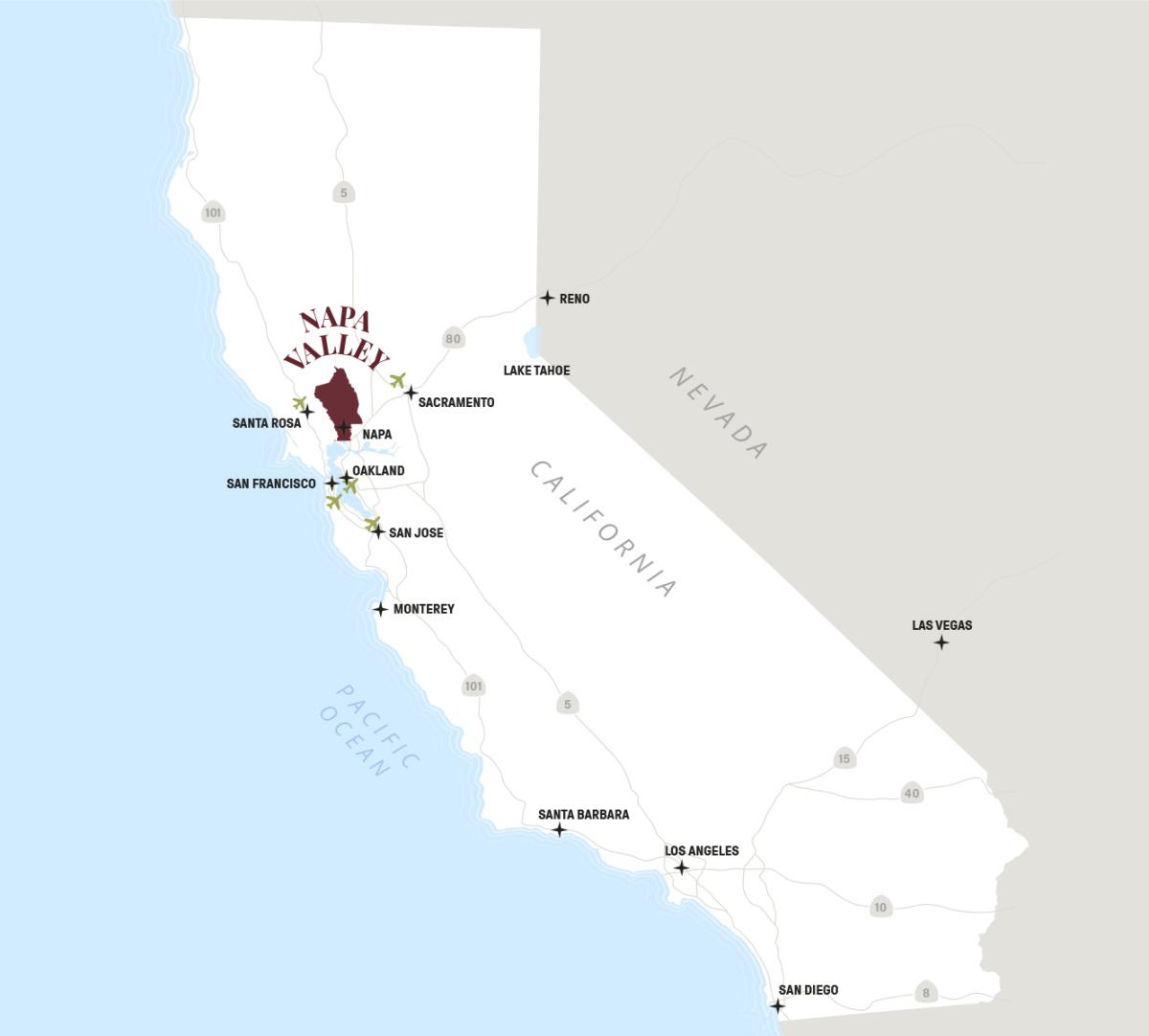
Understanding the actual distance and estimated travel time between San Francisco and Napa Valley is the first step in planning your trip. The exact mileage can vary slightly depending on your specific starting point in San Francisco and your intended destination within Napa Valley – a region that stretches approximately 30 miles north-to-south, encompassing charming towns like Napa, Yountville, St. Helena, and Calistoga.
Generally, the heart of Napa Valley, particularly the city of Napa (which serves as the southern gateway to the wine region), is about 50 to 60 miles northeast of downtown San Francisco. This relatively short distance makes it an ideal day trip or a multi-day excursion from the city.
Driving to Wine Country
Driving is by far the most popular and flexible way to travel from San Francisco to Napa Valley. The journey typically takes between 1 hour and 15 minutes to 1 hour and 45 minutes, without significant traffic. However, it’s crucial to factor in potential traffic delays, especially during peak commute times (morning and late afternoon on weekdays) or during weekends and holidays when many visitors head to wine country.
The primary route involves crossing the iconic Golden Gate Bridge or the Bay Bridge (if coming from East Bay), and then continuing north on Highway 101 before transitioning to Highway 37 East, and finally merging onto Highway 29 North or Silverado Trail, which are the main arteries of Napa Valley. Renting a car offers the freedom to explore at your own pace, stop at various wineries, and discover hidden gems. However, if you plan on indulging in wine tastings, designating a sober driver or arranging for a car service is highly recommended for safety and compliance with local laws. Many visitors opt to rent a car for the entire duration of their California trip, allowing them to easily combine city exploration with wine country adventures and even extend their journey to other nearby destinations like Sonoma Valley or coastal towns.
Public Transportation and Tour Services
While driving offers maximum flexibility, several other transportation options cater to different preferences and budgets, especially for those who prefer not to drive or wish to enjoy wine tastings without concern.
- Shuttle and Private Car Services: Numerous companies offer private car services or shared shuttles that can pick you up directly from your San Francisco hotel and transport you to Napa Valley and between wineries. This is a convenient, albeit more expensive, option that ensures comfort and safety. Companies like Napa Valley Shuttle Services (a fictional example for demonstration) specialize in this route.
- Organized Tours: For a hassle-free experience, consider booking an all-inclusive guided tour. Many tour operators in San Francisco offer day trips to Napa Valley (often combined with Sonoma Valley), which typically include round-trip transportation, visits to a selection of wineries, and sometimes lunch. These tours are excellent for first-time visitors who want a structured introduction to the region and don’t want to worry about logistics.
- Public Transit (Less Direct): While not as direct or convenient as driving or a tour, it is technically possible to reach Napa Valley using a combination of public transportation. This would typically involve taking Bay Area Rapid Transit (BART) from San Francisco to a station in the East Bay (like El Cerrito del Norte), and then connecting to a regional bus service like the Vine Transit into Napa. This option is significantly more time-consuming and less practical for a wine-tasting excursion, best suited for budget travelers with ample time and minimal luggage.
- Ferry and Bus: Another scenic, though indirect, route involves taking a ferry from San Francisco (e.g., from the Ferry Building) to Vallejo, and then connecting to a Vine Transit bus service to Napa. This option adds a unique maritime experience to your journey, but also extends travel time.
Exploring Napa Valley: Beyond the Vineyards
While wine is undoubtedly the star attraction of Napa Valley, the region offers a rich tapestry of experiences that extend far beyond vineyard tours and tasting rooms. It’s a destination that perfectly blends gourmet food, stunning landscapes, artistic endeavors, and luxurious relaxation, making it an ideal choice for various travel lifestyles.
Top Attractions and Experiences
- World-Class Wineries: With over 400 wineries, Napa Valley caters to every palate and preference. From grand estates like Castello di Amorosa and Beringer Vineyards offering historical tours and opulent tasting rooms, to boutique, family-owned operations specializing in small-batch productions, there’s an endless array of options. Many offer unique experiences such as cave tours, food and wine pairings, and educational seminars. Prestigious names like Opus One Winery or Robert Mondavi Winery are must-visits for serious connoisseurs. Remember to make reservations, especially for popular wineries, as most tastings are by appointment only.
- Culinary Excellence: Napa Valley is a gastronomic paradise, home to numerous Michelin-starred restaurants and farm-to-table eateries. Towns like Yountville are renowned for their culinary scene, boasting establishments like The French Laundry (for those seeking an ultimate luxury dining experience) and more casual yet equally delicious options. The Oxbow Public Market in the city of Napa is a vibrant hub featuring local vendors, artisanal foods, and diverse eateries, perfect for a casual lunch or picking up gourmet souvenirs.
- Scenic Drives and Hot Air Balloons: Beyond the wine, the landscape itself is a major attraction. Take a leisurely drive along Silverado Trail for breathtaking views of vineyards and mountains, often less crowded than Highway 29. For a truly unforgettable perspective, consider a hot air balloon ride at sunrise. Floating silently above the valley as the sun paints the sky in vibrant hues is an unparalleled experience, offering panoramic views of the entire region.
- Relaxation and Wellness: Calistoga at the northern end of the valley is famous for its natural hot springs and mud baths, offering a perfect opportunity for relaxation and rejuvenation. Many resorts in the area boast world-class spas, providing a luxurious escape.
- Napa Valley Wine Train: For a unique way to experience the valley, hop aboard the Napa Valley Wine Train. This vintage train offers gourmet meals and scenic journeys through the heart of wine country, with various tour options that include stops at select wineries. It’s a fantastic way to immerse yourself in the ambiance without the worry of driving.
Accommodation Choices in Napa Valley
Napa Valley provides a diverse range of accommodation options to suit every budget and style, from luxurious resorts to charming boutique hotels and cozy bed & breakfasts.
- Luxury Resorts and Hotels: For those seeking an indulgent lifestyle experience, Napa Valley is home to several opulent resorts. Examples include The Meritage Resort and Spa with its underground wine cave and spa, Silverado Resort and Spa offering golf courses and multiple pools, and Meadowood Napa Valley, known for its exclusive services and serene setting. These establishments often come with extensive amenities, including fine dining, spa treatments, and concierge services that can arrange private tours and tastings.
- Boutique Hotels and Inns: Charming towns like Yountville and St. Helena feature exquisite boutique hotels and historic inns that offer personalized service and a more intimate atmosphere. Archer Hotel Napa in downtown Napa offers a chic urban experience with a rooftop bar, while properties like Hotel Yountville blend luxury with local charm.
- Budget-Friendly Options: While Napa Valley can be a pricey destination, budget travel is possible, especially if you plan carefully. Consider staying in the city of Napa or just outside the main valley in nearby towns like Fairfield or Vallejo where hotels are typically more affordable. Booking during the off-season (winter months, excluding holidays) can also yield better rates. Vacation rentals and apartments are another great option for families or groups, offering more space and the flexibility to cook some of your own meals, which can significantly cut down on expenses.
Making the Most of Your San Francisco Base
Before or after your journey to wine country, San Francisco itself offers an incredible wealth of attractions, diverse neighborhoods, and unique urban experiences. Many travelers choose to base themselves in San Francisco for a few days to explore the city’s iconic landmarks and vibrant culture before or after their wine country excursion.
Iconic Landmarks and Urban Adventures
San Francisco is a city teeming with famous places, rich history, and stunning natural beauty.
- Golden Gate Bridge: No visit to San Francisco is complete without seeing, walking, or biking across the magnificent Golden Gate Bridge. The views of the city, the bay, and the Pacific Ocean are simply spectacular.
- Alcatraz Island: Take a ferry to Alcatraz Island, the notorious former prison. The audio tour provides a chilling and fascinating insight into the lives of its infamous inmates and guards. Be sure to book tickets well in advance, as they sell out quickly.
- Fisherman’s Wharf and Pier 39: Immerse yourself in the lively atmosphere of Fisherman’s Wharf, famous for its fresh seafood, street performers, and the barking sea lions at Pier 39. Nearby, Ghirardelli Square offers delicious chocolate and charming shops.
- Cable Cars and Lombard Street: Experience the city’s iconic cable cars, a historic mode of transport that offers fantastic views as it clambers up and down the steep hills. Don’t miss the chance to see (or drive down) Lombard Street, “the crookedest street in the world.”
- Cultural Exploration: Explore diverse neighborhoods like Chinatown (the oldest in North America), the colorful Victorian houses of Alamo Square (the “Painted Ladies”), the bohemian charm of Haight-Ashbury, and the vibrant Mission District with its beautiful murals and delicious taquerias. San Francisco’s architecture, from the historic to the modern, tells a compelling story of its past and present.
San Francisco Accommodation and Lifestyle
San Francisco offers an extensive range of accommodation options, from luxury hotels to budget-friendly hostels, catering to all travel styles and needs.
- Luxury and Business Stays: For those seeking luxury travel or on a business trip, hotels like The Ritz-Carlton, San Francisco in Nob Hill, the historic Palace Hotel, San Francisco, or the contemporary Four Seasons Hotel San Francisco offer impeccable service, upscale amenities, and prime locations. Many luxury hotels provide concierge services to assist with tour bookings, restaurant reservations, and transportation to Napa Valley.
- Boutique and Mid-Range Options: San Francisco excels in boutique hotels, often located in lively neighborhoods. Hotel Zeppelin San Francisco offers a rock-and-roll vibe near Union Square, while numerous other hotels provide comfortable stays across various price points in areas like Union Square, Fisherman’s Wharf, and the Civic Center.
- Budget and Long-term Stays: Budget-conscious travelers can find hostels and motels, especially near Fisherman’s Wharf or in the Tenderloin area. For longer visits, consider serviced apartments or vacation rentals through platforms like Airbnb, which offer more space and kitchen facilities, ideal for family trips or those seeking a local experience. Comparison websites are invaluable for finding the best deals and reading reviews before booking.
Planning Your Perfect Getaway: Tips and Considerations
Merging a dynamic city experience with a serene wine country escape requires thoughtful planning to ensure a seamless and enjoyable trip.
Budgeting and Lifestyle Choices
- Luxury Travel vs. Budget Travel: Both San Francisco and Napa Valley can be expensive, but careful planning allows for budget travel as well. For luxury travelers, indulge in private car services, stay at 5-star resorts, dine at Michelin-starred restaurants, and book exclusive winery experiences. For budget travelers, opt for public transportation or organized group tours, seek out more affordable accommodations, pack picnics for lunch, and look for wineries with lower tasting fees or special promotions. Many wineries offer waived tasting fees with bottle purchases.
- Family Trips vs. Romantic Getaways: San Francisco is fantastic for family trips with attractions like the California Academy of Sciences, Exploratorium, and the San Francisco Zoo. Napa Valley, while primarily adult-oriented, does have some family-friendly options such as Gotts Roadside for burgers or the Safari West wildlife preserve nearby. For a romantic getaway, both destinations shine, with San Francisco offering intimate dinners and scenic strolls, and Napa Valley providing a picturesque backdrop for wine tasting, spa treatments, and gourmet dining for two.
- Business Stays: If combining a business trip in San Francisco with a leisure extension to Napa Valley, consider staying in hotels that offer business amenities and easy access to transportation hubs. Many luxury hotels double as excellent venues for business meetings and conferences.

Best Time to Visit and Travel Tips
- Best Time to Visit: Each season offers a unique charm. Spring (March-May) brings blooming mustard fields to Napa Valley and pleasant weather in San Francisco. Summer (June-August) is popular but can be crowded; San Francisco is often foggy in the mornings, while Napa Valley is warm and sunny. Fall (September-November) is harvest season in Napa Valley, a truly magical and bustling time, but also the most expensive and crowded. Winter (December-February) offers fewer crowds and potentially lower prices, though some wineries might have reduced hours.
- Book in Advance: Regardless of the season, popular attractions, winery tours, and top restaurants, especially in Napa Valley, require advance booking. This applies to accommodation as well, particularly during peak seasons.
- Layer Up: San Francisco’s weather is notoriously unpredictable, often experiencing “microclimates.” Always dress in layers, even in summer. Napa Valley can be much warmer during the day but cools down significantly in the evenings.
- Stay Hydrated and Eat: When wine tasting, remember to drink plenty of water and eat regularly. Many wineries offer food pairings, or you can bring snacks.
- Designated Driver: If driving yourself, ensure a designated driver is part of your group, or utilize shuttle services and tours to responsibly enjoy the wine.
In conclusion, the distance from San Francisco to Napa Valley is easily manageable, opening up a world of diverse travel experiences. Whether you’re drawn by the allure of urban landmarks and culture or the tranquil beauty of wine country, this California pairing promises a memorable journey for every type of traveler. By understanding the logistics and planning ahead, you can seamlessly transition from the vibrant energy of the city to the relaxed elegance of the vineyards, creating an unforgettable California adventure tailored to your desires.
LifeOutOfTheBox is a participant in the Amazon Services LLC Associates Program, an affiliate advertising program designed to provide a means for sites to earn advertising fees by advertising and linking to Amazon.com. Amazon, the Amazon logo, AmazonSupply, and the AmazonSupply logo are trademarks of Amazon.com, Inc. or its affiliates. As an Amazon Associate we earn affiliate commissions from qualifying purchases.