
Embarking on a California adventure often means balancing the vibrant urban energy of Los Angeles with the serene, sun-drenched escape of Palm Springs. For many travelers, the quintessential question isn’t whether to visit these iconic destinations, but rather how to seamlessly transition between them. The distance between Los Angeles, a sprawling metropolis, and Palm Springs, a chic desert oasis, is a key consideration for planning an unforgettable Southern California itinerary. This article will delve into the specifics of this journey, offering insights into travel times, routes, transportation options, and what awaits you in the captivating Coachella Valley.

The Journey: Distance, Driving Time, and Routes
Understanding the physical distance and estimated travel time is the first step in planning your trip from Los Angeles to Palm Springs. While it’s a relatively straightforward route, various factors can influence your travel experience, from traffic congestion to your chosen mode of transport.
The Straight Answer: Miles and Kilometers
The approximate driving distance from downtown Los Angeles to downtown Palm Springs is about 100 to 120 miles (160 to 193 kilometers), depending on your exact starting point in Los Angeles and your destination within Palm Springs. As the crow flies, the distance is slightly less, but for practical travel purposes, the driving distance is what truly matters. This makes it an ideal distance for a day trip, a weekend getaway, or a longer vacation, offering enough separation from city life without an arduous journey.
Driving Routes and Estimated Travel Times
The primary and most direct route between Los Angeles and Palm Springs is via Interstate 10 East. This major highway stretches across the United States and serves as the main artery connecting these two California gems.
- Estimated Driving Time: Under ideal conditions, with light traffic, the drive typically takes 1 hour and 45 minutes to 2 hours.
- Traffic Considerations: However, anyone familiar with Southern California knows that “light traffic” can be a rare commodity. Peak travel times, particularly Friday afternoons/evenings, Sunday afternoons, and holiday weekends, can significantly extend this journey. It’s not uncommon for the drive to stretch to 3 hours or even longer during heavy congestion.
- Best Times to Travel: To minimize traffic woes, consider departing Los Angeles early in the morning on a weekday, or later in the evening. Returning to Los Angeles on a Monday morning or a mid-week afternoon usually offers the smoothest ride.
- Scenic Elements: As you drive along Interstate 10 East, you’ll pass through the San Gorgonio Pass, a notable geographic feature flanked by the towering San Gorgonio Mountain and Mount San Jacinto. This area is often windy, home to numerous wind farms, creating a unique visual landscape as you transition from urban sprawl to the vast Sonoran Desert. Small towns like Banning and Cabazon (known for its famous Cabazon Dinosaurs and outlet shopping) provide brief points of interest along the way.
Alternative Transportation Options
While driving is the most popular choice, especially for those who want flexibility to explore the greater Coachella Valley, other options are available for travelers without a car or those preferring not to drive.
- Bus Services: Several bus companies, such as FlixBus and Greyhound, offer routes from various Los Angeles locations to Palm Springs. These services are generally more affordable but take longer, typically ranging from 2.5 to 4 hours, depending on the number of stops.
- Train Travel: While there isn’t a direct Amtrak route directly to downtown Palm Springs, the Sunset Limited and Texas Eagle lines stop in the nearby town of Palm Desert or Cabazon, which would require an additional taxi or ride-share to reach Palm Springs itself. This is often a longer and less convenient option compared to driving or bus.
- Ride-Sharing and Taxis: Services like Uber and Lyft are readily available in both cities, offering a comfortable, door-to-door experience. However, the cost for such a long-distance trip can be substantial.
- Flights: For those truly pressed for time, Palm Springs International Airport (PSP) offers direct flights from major Los Angeles airports like LAX or Hollywood Burbank Airport (BUR). The flight itself is short, around 30-45 minutes, but when factoring in airport check-in, security, and travel to/from airports, it often totals a similar amount of time to driving, with a significantly higher cost.
Why Make the Trip? Exploring Palm Springs
Once you’ve navigated the journey, Palm Springs unveils itself as a distinct and captivating destination, a stark contrast to the urban sprawl of Los Angeles. It’s a place where the allure of the desert meets sophisticated culture and leisure.
A Desert Oasis of Culture and Relaxation
Palm Springs rose to prominence in the mid-20th century as a playground for Hollywood stars, and its legacy of glamour and relaxation endures. The city is world-renowned for its stunning Mid-Century Modern Architecture, with numerous iconic homes and buildings that make it an open-air museum for design enthusiasts. Beyond architecture, Palm Springs offers:
- Relaxation: A haven for wellness, with countless spas and resorts offering rejuvenating treatments. The year-round sunshine is perfect for lounging by a pool.
- Art and Culture: A thriving art scene, with numerous galleries, public art installations, and the acclaimed Palm Springs Art Museum.
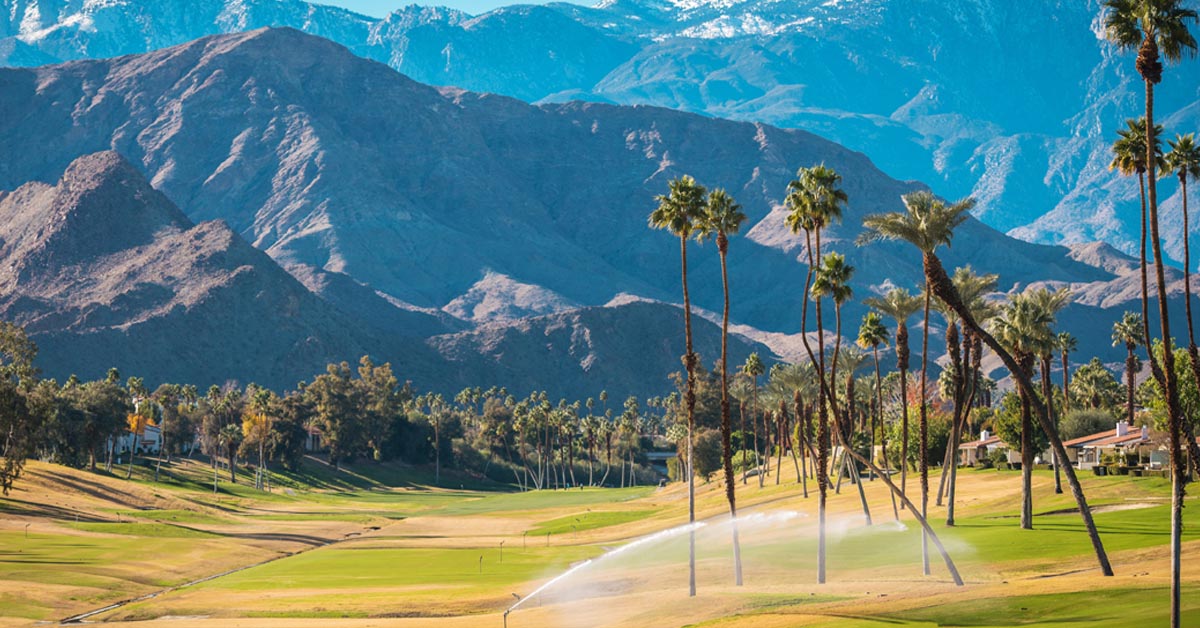
- Outdoor Activities: Surrounded by dramatic desert landscapes and mountains, it’s a paradise for hikers, golfers, and nature lovers.
Must-See Attractions and Activities
The appeal of Palm Springs lies in its diverse array of attractions and experiences.
- Palm Springs Aerial Tramway: A truly unforgettable experience, this rotating tramcar ascends over 8,500 feet up the sheer cliffs of the San Jacinto Mountains. At the top, you’ll find panoramic views, hiking trails in Mount San Jacinto State Park, a restaurant, and significantly cooler temperatures—a welcome respite from the desert heat.
- Indian Canyons: Owned and operated by the Agua Caliente Band of Cahuilla Indians, these canyons (Palm Canyon, Andreas Canyon, and Murray Canyon) offer stunning hikes through lush palm oases, ancient rock formations, and seasonal waterfalls. It’s a fantastic place to connect with nature and explore the region’s indigenous history.
- Moorten Botanical Garden & Cactarium: A unique “cactarium” featuring an impressive collection of cacti and desert plants from around the world. It’s a delightful, whimsical, and educational stop.
- Palm Springs Art Museum: Housing diverse collections of Western, contemporary, and Native American art, as well as a sculpture garden.
- The Living Desert Zoo and Gardens: Located just outside Palm Springs in Palm Desert, this accredited zoo and botanical garden is dedicated to the deserts of the world, with a focus on conservation. It’s an excellent family-friendly attraction.
- Mid-Century Modern Architecture Tours: Numerous guided and self-guided tours allow visitors to admire the iconic homes and buildings that define Palm Springs’ unique aesthetic.
- Golf: Palm Springs and the surrounding Coachella Valley are a golfer’s paradise, boasting dozens of world-class golf courses designed by legendary architects.
- Festivals and Events: The region is home to world-renowned events such as the Coachella Valley Music and Arts Festival (often referred to simply as Coachella) and the Stagecoach Festival, drawing crowds from around the globe. While these occur further east in Indio, Palm Springs serves as a popular base for festival-goers.
Dining and Nightlife
The Palm Springs culinary scene offers everything from casual diners to upscale fine dining. Many restaurants feature outdoor patios perfect for enjoying the warm evenings. The city also has a vibrant nightlife, with chic cocktail lounges, piano bars, and venues featuring live music. For a quintessential Palm Springs experience, consider visiting the famed Parker Palm Springs for its legendary brunch or the Colony Palms Hotel for its sophisticated ambiance.

Planning Your Stay: Accommodation and Lifestyle in Palm Springs
After a refreshing journey, settling into the perfect accommodation is key to a memorable Palm Springs experience. The city caters to a wide spectrum of tastes and budgets, ensuring every traveler finds their ideal desert retreat.
Finding Your Perfect Retreat: Hotels and Resorts
Palm Springs is synonymous with stylish hotels and luxurious resorts, many boasting unique Mid-Century Modern Architecture and a distinct desert vibe.
- Luxury Resorts: For an indulgent escape, consider properties like the iconic Parker Palm Springs, known for its eclectic design and lush grounds, or the elegant Colony Palms Hotel, offering a blend of vintage glamour and modern comfort. The Kimpton Rowan Palm Springs Hotel provides a contemporary, upscale experience with a stunning rooftop pool and panoramic views of the city and mountains.
- Boutique Hotels: Palm Springs excels in unique boutique hotels that often embrace the city’s design heritage. Options like The Saguaro Palm Springs (known for its vibrant colors) or Ace Hotel & Swim Club (a hip, lively spot with live music) cater to a trendier crowd looking for a distinctive atmosphere.
- Vacation Rentals: For longer stays, family trips, or those seeking more privacy, vacation rentals are incredibly popular. Platforms like Airbnb and VRBO offer a vast selection of homes, from quaint bungalows to sprawling estates, many with private pools and stunning desert views. This is an excellent option for experiencing the local lifestyle and self-catering.
- Budget-Friendly Options: While Palm Springs has a reputation for luxury, there are also more affordable hotels and motels, especially slightly outside the main downtown area. Booking in advance and traveling during the off-season (summer) can also help secure better rates.
Many accommodations offer exceptional amenities, including inviting pools (essential for the desert climate), spa services, and gourmet dining, making the hotel itself a destination. For those looking to explore beyond Palm Springs proper, nearby cities like Rancho Mirage, Indian Wells, and La Quinta also offer a range of high-end resorts and family-friendly hotels, each with its own character.
Lifestyle: Luxury, Budget, and Family Travel
Palm Springs caters to diverse lifestyle preferences, making it an adaptable destination for various types of travelers.
- Luxury Travel: For those seeking an opulent experience, Palm Springs delivers with its high-end resorts, exclusive golf clubs, private spa treatments, and designer boutiques. The city offers an effortless blend of sophistication and laid-back desert charm, perfect for a romantic getaway or a high-end solo retreat.
- Budget Travel: While not traditionally a budget destination, savvy travelers can enjoy Palm Springs without breaking the bank. Opt for a budget-friendly motel, pack your own snacks, explore free attractions like downtown window shopping, and take advantage of hiking trails. Traveling during the hotter summer months often yields lower hotel rates.
- Family Trips: Palm Springs is surprisingly family-friendly. Attractions like the Living Desert Zoo and Gardens, the Palm Springs Aerial Tramway, and the numerous resort pools provide endless entertainment for children. Vacation rentals with private pools are particularly appealing for families. Many local restaurants are also accommodating for children.
- Business Stays and Conferences: The Palm Springs Convention Center and several large resorts host numerous conferences and events throughout the year. The pleasant climate and array of leisure activities make it an attractive location for business travelers looking to blend work with relaxation.
Regardless of your travel style, Palm Springs provides a unique backdrop for creating lasting memories, whether you’re soaking up the sun by a pool, exploring the rugged beauty of the desert, or indulging in its vibrant cultural scene.
Making the Most of Your Journey: Tips for Travelers
To ensure a smooth and enjoyable trip from Los Angeles to Palm Springs and a fantastic stay in the desert, here are some essential travel tips:
Best Time to Visit
The ideal time to visit Palm Springs depends largely on your tolerance for heat and what activities you plan to do.
- Fall (October – November) and Spring (March – May): These are generally considered the best seasons. Temperatures are pleasantly warm, ranging from the 70s to 90s Fahrenheit (20s to 30s Celsius), perfect for outdoor activities like hiking and golfing. This is also peak season, so expect higher prices and larger crowds.
- Winter (December – February): Mild and sunny, with daytime temperatures typically in the 60s and 70s Fahrenheit (15-25 Celsius). Evenings can be cool. It’s a popular escape for those fleeing colder climates, but also part of the peak season.
- Summer (June – September): Extremely hot, with daily temperatures often exceeding 100-110°F (38-43°C). While some travelers might find this unbearable, it’s an excellent time for budget-conscious travelers as hotel rates drop significantly. Many resorts offer misters, shaded pools, and indoor activities to beat the heat. If you plan to spend most of your time by the pool or indoors, summer can be a viable, more affordable option.
What to Pack
Given the desert climate, what you pack is crucial for comfort.
- Lightweight Clothing: Breathable fabrics like cotton and linen are essential.
- Swimsuit: A must for enjoying the numerous pools.
- Sun Protection: Sunscreen (high SPF!), a wide-brimmed hat, and sunglasses are non-negotiable, even in winter.
- Hydration: Bring a reusable water bottle. Staying hydrated is paramount in the desert.
- Layers: Evenings, especially in winter and spring/fall, can be surprisingly cool, so pack a light jacket or sweater.
- Comfortable Walking Shoes: For exploring downtown, museums, or light hiking.
- Hiking Gear: If you plan on serious hiking in places like Joshua Tree National Park (about an hour’s drive away) or the Indian Canyons, bring sturdy hiking boots, extra water, and a backpack.
Essential Travel Considerations
A few extra tips can enhance your overall travel experience:
- Book in Advance: Especially during peak season or for popular events like Modernism Week, accommodations and popular restaurant reservations should be made well in advance.
- Car Rental: While you can get to Palm Springs without a car, having one offers the most flexibility to explore the wider Coachella Valley, visit nearby landmarks like Joshua Tree National Park, or venture to neighboring towns like Desert Hot Springs (known for its mineral spas).
- Stay Hydrated: This cannot be stressed enough in the desert environment. Drink water constantly, even if you don’t feel thirsty.
- Be Mindful of Wildlife: While rare in urban areas, keep an eye out for desert wildlife, especially when hiking.
The journey from Los Angeles to Palm Springs is not merely a change of location, but a transition into a distinctly different California experience. It’s a journey from the bustling Pacific coast to the tranquil, sun-drenched heart of the Sonoran Desert, offering a refreshing escape and a wealth of unique attractions and accommodations for every type of traveler.
In conclusion, the distance between Los Angeles and Palm Springs is a manageable 100-120 miles, typically a 2-hour drive without heavy traffic. This proximity makes Palm Springs an accessible and appealing destination for those seeking a respite from city life. Whether you’re drawn by the iconic Mid-Century Modern Architecture, the rejuvenating spas, the challenging golf courses, or the breathtaking desert landscapes, Palm Springs promises a memorable travel experience. With careful planning regarding travel times and accommodation, your journey from Los Angeles to this desert paradise will be as enjoyable as the destination itself. So, pack your bags, hit the road, and prepare to discover the unique charm of Palm Springs.
LifeOutOfTheBox is a participant in the Amazon Services LLC Associates Program, an affiliate advertising program designed to provide a means for sites to earn advertising fees by advertising and linking to Amazon.com. Amazon, the Amazon logo, AmazonSupply, and the AmazonSupply logo are trademarks of Amazon.com, Inc. or its affiliates. As an Amazon Associate we earn affiliate commissions from qualifying purchases.