
Life is an extraordinary journey, full of unexpected turns, breathtaking destinations, and moments that redefine our existence. Sometimes, these moments are joyous celebrations of travel and discovery, while other times, they are trials that test the very limits of human endurance. Over four decades ago, on a brutally cold winter’s day, the lives of a handful of individuals were irrevocably altered in one of aviation history’s most harrowing incidents: the crash of Air Florida Flight 90. This tragedy, which saw a Boeing 737 plummet into the frozen Potomac River mere minutes after takeoff from Washington National Airport (now Ronald Reagan Washington National Airport) in Washington D.C., captivated a nation and showcased incredible heroism amidst unimaginable devastation.
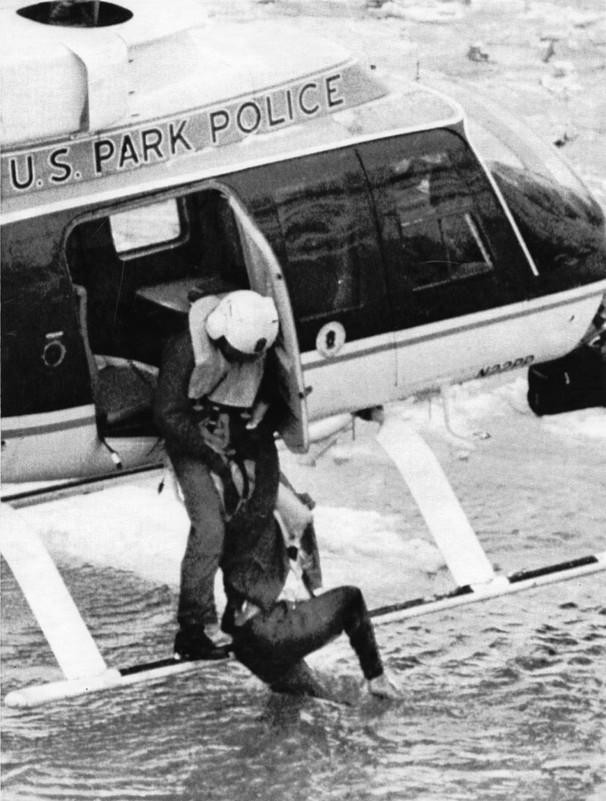
Of the 79 people on board, including crew, only five survived the initial impact and the subsequent icy waters. Their stories became emblems of resilience, courage, and the sheer will to live. As time marches on, leaving its indelible mark, many wonder about the fates of these extraordinary individuals. How did their lives unfold after such a profound brush with death? Did this traumatic event reshape their outlook on life, travel, or the simple act of experiencing the world? This article delves into the lives of the survivors of Air Florida Flight 90, exploring their enduring journeys and the powerful legacies they carry, offering a unique perspective on lifestyle and the human spirit.
The Unforgettable Day: A Tragedy That Defined Lives
January 13, 1982, was a day etched into the collective memory of the United States. A severe snowstorm had blanketed Washington D.C., causing significant delays and treacherous conditions. Air Florida Flight 90, bound for Fort Lauderdale and Tampa, Florida, was cleared for takeoff. However, due to a combination of factors – critically, ice on the wings and erroneous engine thrust settings – the aircraft struggled to gain altitude. Just seconds after lifting off the runway, it struck the 14th Street Bridge, tearing through vehicles, and then plunged into the freezing Potomac River, just a few miles from the White House.
The immediate aftermath was chaotic and chilling. The plane broke apart on impact, with the tail section, remarkably, remaining somewhat intact. Survivors found themselves in the frigid water, battling hypothermia, shock, and the current. The sight of the aircraft wreckage in the heart of the capital city, framed against the backdrop of the Lincoln Memorial, was surreal and devastating. Onlookers on the bridge and the riverbanks watched in horror, quickly realizing the magnitude of the disaster.
Amidst this chaos, extraordinary acts of heroism emerged. Bystanders, emergency responders, and even an ordinary citizen displayed incredible bravery. Perhaps most famously, Lenny Skutnik, a congressional office assistant, dived into the icy water to rescue a stranded passenger. The incident brought into sharp focus not only the fragility of life but also the profound human capacity for compassion and self-sacrifice. The courage displayed that day, both by rescuers and the survivors clinging to life, became a testament to the indomitable spirit in the face of overwhelming adversity. This event, so sudden and catastrophic, served as a stark reminder of life’s unpredictability, a lesson that would profoundly shape the paths of those who lived through it.
The Icy Grip of the Potomac: A Miraculous Survival
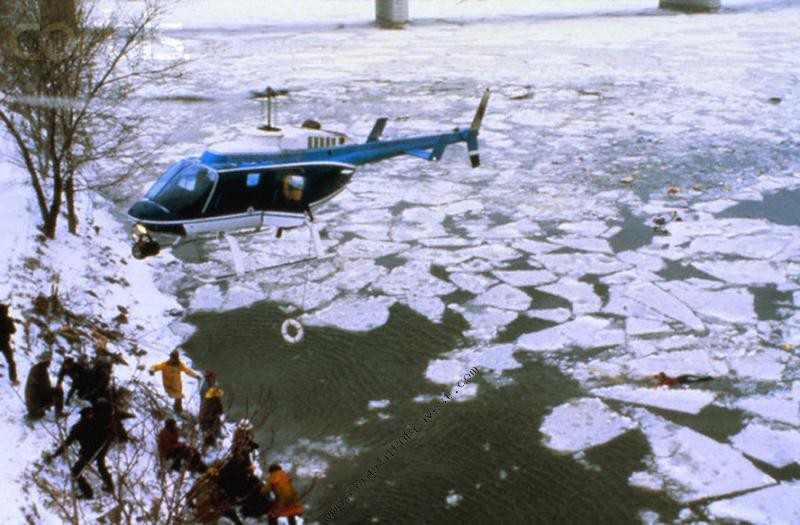
The conditions in the Potomac River that day were nothing short of lethal. Temperatures hovered just above freezing, and the water itself was a chilling 34 degrees Fahrenheit (1 degree Celsius), creating an immediate and severe threat of hypothermia. For those fortunate enough to survive the initial impact, the subsequent minutes and hours were a desperate struggle against the elements and the clock. Emergency services, including helicopters and divers, quickly mobilized, but the brutal weather and the rapidly sinking wreckage presented enormous challenges.
The six survivors of the initial crash were Bert Hamilton, Joe Stiley, Kelly Duncan, Patricia “Nikki” Felch (a flight attendant), Priscilla Tirado (an infant), and Arland D. Williams Jr.. Tragically, Arland D. Williams Jr. selflessly passed the lifeline to other survivors multiple times before succumbing to the cold and sinking below the surface just as rescuers returned for him. His incredible act of altruism, giving his own life so others might live, cemented his place as an American hero.
The sheer improbability of anyone surviving such an event, especially in those conditions, underscored the miraculous nature of their escape. Each survivor had a story of extraordinary fortune: a seat that remained relatively intact, a quick decision, or the timely intervention of a rescuer. The experience was a profound, immediate baptism by fire and ice, leaving them with physical injuries, certainly, but also with deep psychological scars and an altered perception of life itself. For those who emerged from the Potomac, their individual journeys of recovery and reintegration would become a testament to the resilience of the human spirit, profoundly influencing their perspectives on everything from daily routines to the very essence of human connection and the desire to live a full life, perhaps even shaping future travel experiences.
Paths to Recovery: A Journey Beyond Survival
For the survivors of Air Florida Flight 90, the journey back to normalcy was long and arduous. It was not merely about healing physical wounds, though those were significant and required extensive medical care. It was also about confronting the psychological trauma of the event, the vivid flashbacks, the survivor’s guilt, and the fear that often accompanies such a close encounter with death. Their recovery took place under the intense scrutiny of a nation, with their stories becoming powerful narratives of hope and perseverance.
Each survivor navigated their path uniquely. Many found solace in therapy and support groups, working to process the overwhelming emotions and memories. The experience often instilled a profound sense of purpose and a renewed appreciation for life. Everyday moments, once taken for granted, gained new significance. This shift in perspective often influenced their life choices, career paths, and even their approach to personal relationships and leisure. The ordeal taught them, perhaps more acutely than anyone else, the preciousness of time and the importance of living each day to its fullest.
Their stories offer valuable lessons for all of us, reminding us to cherish our moments, embrace unexpected journeys, and find beauty even in the aftermath of hardship. The courage they demonstrated in the icy Potomac was matched only by the courage they showed in rebuilding their lives, facing their fears, and ultimately, choosing to thrive. Their experiences highlight the remarkable capacity of humans to adapt, heal, and find new meaning, transforming trauma into a catalyst for profound personal growth and a deeper engagement with the world around them.
Rebuilding Lives and Redefining Travel
The impact of the Air Florida Flight 90 crash extended far beyond the immediate physical and emotional wounds. For the survivors, it fundamentally reshaped their entire outlook on life, including their relationship with travel and accommodation. For many, the idea of stepping onto an airplane again was terrifying, a stark reminder of the trauma. Yet, paradoxically, for others, the event instilled a desire to live life without fear, to embrace new experiences and explore the world that they almost lost.

Some survivors may have initially avoided air travel, opting for road trips or train journeys, seeking different forms of accommodation that felt more grounded and secure, like cozy boutique hotels or tranquil resorts rather than bustling airport hotels. Over time, for those who eventually conquered their fear of flying, travel took on a deeper meaning. It wasn’t just about reaching a destination; it was about the journey itself, about embracing spontaneity, and about making memories with loved ones.
Their redefined approach to travel often reflected a newfound appreciation for simplicity and authenticity. They might have sought out local cultures, quiet landmarks, or tourism experiences that offered peace and reflection, rather than extravagant luxury travel. Perhaps a tranquil villa overlooking a serene landscape became more appealing than a high-rise hotel suite. Many prioritized family trips, understanding the irreplaceable value of shared moments. The crash served as a poignant reminder that life is finite, prompting a greater urgency to explore, learn, and connect with the world and its people, making every trip a conscious celebration of their second chance. This profound shift in perspective continues to influence how they choose their journeys and what they seek from each new horizon.
Where Are They Now? Legacies of Resilience
Over forty years have passed since the disaster, and the survivors of Air Florida Flight 90 have built new lives, each carrying the indelible mark of their experience. While many have chosen to live private lives away from the public eye, their stories continue to inspire and remind us of the incredible strength of the human spirit.
One of the most recognized survivors is Priscilla Tirado, the infant who became a symbol of hope. Pulled from the wreckage by Lenny Skutnik and taken to safety, her survival was miraculous. She grew up largely out of the spotlight, seeking a normal life away from the constant reminders of the tragedy. Her journey has been about quiet resilience, navigating life with the knowledge of her extraordinary beginning. While specific details of her adult life are private, it’s understood that she, like many others, has found ways to live a full and meaningful existence. Her story often resurfaces as a powerful emblem of pure survival and the compassion that emerged from chaos.
Joe Stiley, a stockbroker from Virginia at the time, was lauded for his efforts to help other survivors in the water, including Patricia “Nikki” Felch. Post-crash, Stiley became a motivational speaker, sharing his experiences and insights on survival, resilience, and the importance of living with purpose. His career took a turn towards inspiring others, often traveling to share his powerful message. His choice of lifestyle became one of advocacy and education, using his platform to help people overcome their own challenges. He has spoken about his continued appreciation for life and the profound shifts in his personal values after the crash, perhaps influencing his choices of destinations for relaxation or tourism during his travels.
Kelly Duncan, a twenty-year-old student from Miami, was another survivor. She faced significant physical injuries, including broken legs, but eventually made a remarkable recovery. Like Priscilla, Kelly largely chose to live a private life, focusing on her education and personal growth. Her journey speaks to the quiet strength required to overcome immense trauma and reclaim one’s future. It highlights the deeply personal nature of healing and the pursuit of a peaceful existence away from the public gaze, a form of personal journey distinct from the public eye of luxury travel or high-profile destinations.
Patricia “Nikki” Felch, a flight attendant, was one of the crew members to survive. Her story is particularly poignant as she was literally clinging to a piece of the plane’s tail section alongside other survivors. Her experience as a crew member added another layer of complexity to her recovery, likely affecting her relationship with aviation and her career. Her courage and determination to survive, even while performing her duties, exemplified true professionalism. While her post-crash life has also been private, it is understood that she, like the others, embarked on a profound healing process, redefining her priorities and embracing life with renewed vigor, possibly seeking solace in serene accommodations or restorative travel experiences.
Bert Hamilton, a former college football player, was another survivor whose story of resilience has been shared. He sustained injuries and endured the freezing waters, but managed to survive. His physical strength undoubtedly played a role, but it was his mental fortitude that saw him through the long recovery. Hamilton also chose a largely private life, a common theme among survivors of such high-profile tragedies. His journey underscores the quiet heroism found in simply moving forward, finding peace, and embracing the second chance at life.
These individuals, now decades removed from the event, stand as living testaments to human endurance. Their lives, whether lived publicly or privately, are legacies of resilience, reminding us that even after facing the most profound challenges, it is possible to not only survive but to thrive, to redefine one’s lifestyle, and to embrace every moment of the journey.
Enduring Spirit: Lessons for Every Traveler
The stories of the Air Florida Flight 90 survivors offer profound lessons that resonate deeply with anyone who cherishes life and the spirit of exploration. Beyond the specific details of their personal journeys, their collective experience speaks to universal truths about resilience, gratitude, and the enduring human capacity to find hope in the face of despair. For enthusiasts of travel and lifestyle, these narratives take on a special significance.
Firstly, their survival underscores the fragility of life and the importance of living each day to its fullest. This translates into a philosophy of appreciating every moment of a trip, from the mundane aspects of accommodation booking to the awe-inspiring experience of standing before a historical landmark. It encourages travelers to truly immerse themselves in local culture, savor unique food, and engage with new activities, understanding that these moments are precious and fleeting.
Secondly, their journeys highlight the power of perspective. After such a traumatic event, trivial inconveniences fade, and what truly matters comes into sharp focus. This can inspire a more mindful approach to travel – focusing on meaningful experiences rather than just checking off popular attractions. Whether it’s choosing a serene retreat over a bustling city hotel, or embarking on a budget travel adventure that prioritizes connection over luxury, the survivors’ stories encourage us to seek out what truly enriches our souls. They remind us that the greatest destinations are not always the most famous, but those that offer a sense of peace, renewal, and profound personal connection.
Finally, their enduring spirit is a testament to hope. Even after facing unimaginable tragedy, these individuals found ways to rebuild, adapt, and live meaningful lives. This message of hope is vital for all travelers, encouraging us to embrace the unexpected twists and turns of any journey, to learn from challenges, and to always look forward to the next horizon. The courage of the Air Florida Flight 90 survivors serves as a powerful guide for every adventurer, reminding us to live bravely, travel mindfully, and cherish every precious moment along life’s incredible path.
The crash of Air Florida Flight 90 remains a somber chapter in aviation history, meticulously studied by organizations like the National Transportation Safety Board (NTSB) to enhance air safety. However, the lasting legacy is found not only in improved regulations but also in the quiet, profound lives of its survivors. Their stories are a testament to the indomitable human spirit, a beacon of hope that reminds us of the fragility and preciousness of every single day. While they may live scattered across different destinations and pursue varied lifestyles, their shared experience forged an unbreakable bond of resilience.
For those of us who navigate the grand journey of life, exploring new landmarks, seeking comfortable accommodation, and embracing diverse tourism experiences, the survivors of Air Florida Flight 90 offer a powerful, unspoken guide. They teach us to appreciate the simple act of existing, to cherish our loved ones, and to approach every new destination with gratitude and wonder. Their journeys, beyond the icy Potomac, serve as an eternal reminder that life is the ultimate adventure, and every moment, a gift to be treasured.
LifeOutOfTheBox is a participant in the Amazon Services LLC Associates Program, an affiliate advertising program designed to provide a means for sites to earn advertising fees by advertising and linking to Amazon.com. Amazon, the Amazon logo, AmazonSupply, and the AmazonSupply logo are trademarks of Amazon.com, Inc. or its affiliates. As an Amazon Associate we earn affiliate commissions from qualifying purchases.