
The University of Arizona stands as a beacon of academic excellence and a vibrant cultural hub, centrally located in the heart of Tucson, Arizona, in the southwestern United States. More than just an educational institution, the university is a cornerstone of a city renowned for its stunning natural landscapes, rich cultural heritage, and a unique blend of desert charm and urban sophistication. For travelers, prospective students, and those simply curious about exploring one of America’s most intriguing regions, understanding the University of Arizona’s precise location and its broader context within Tucson unlocks a world of travel possibilities and unforgettable experiences.
The university’s prime placement offers unparalleled access to the best of what Tucson has to offer, from world-class research facilities and historic landmarks to breathtaking desert vistas and a burgeoning culinary scene. Whether you’re planning a visit for academic purposes, attending a sporting event, exploring the surrounding natural wonders, or simply seeking a unique travel destination, the University of Arizona’s location serves as an ideal starting point for a memorable journey.
Unveiling the University of Arizona’s Geographic Heart
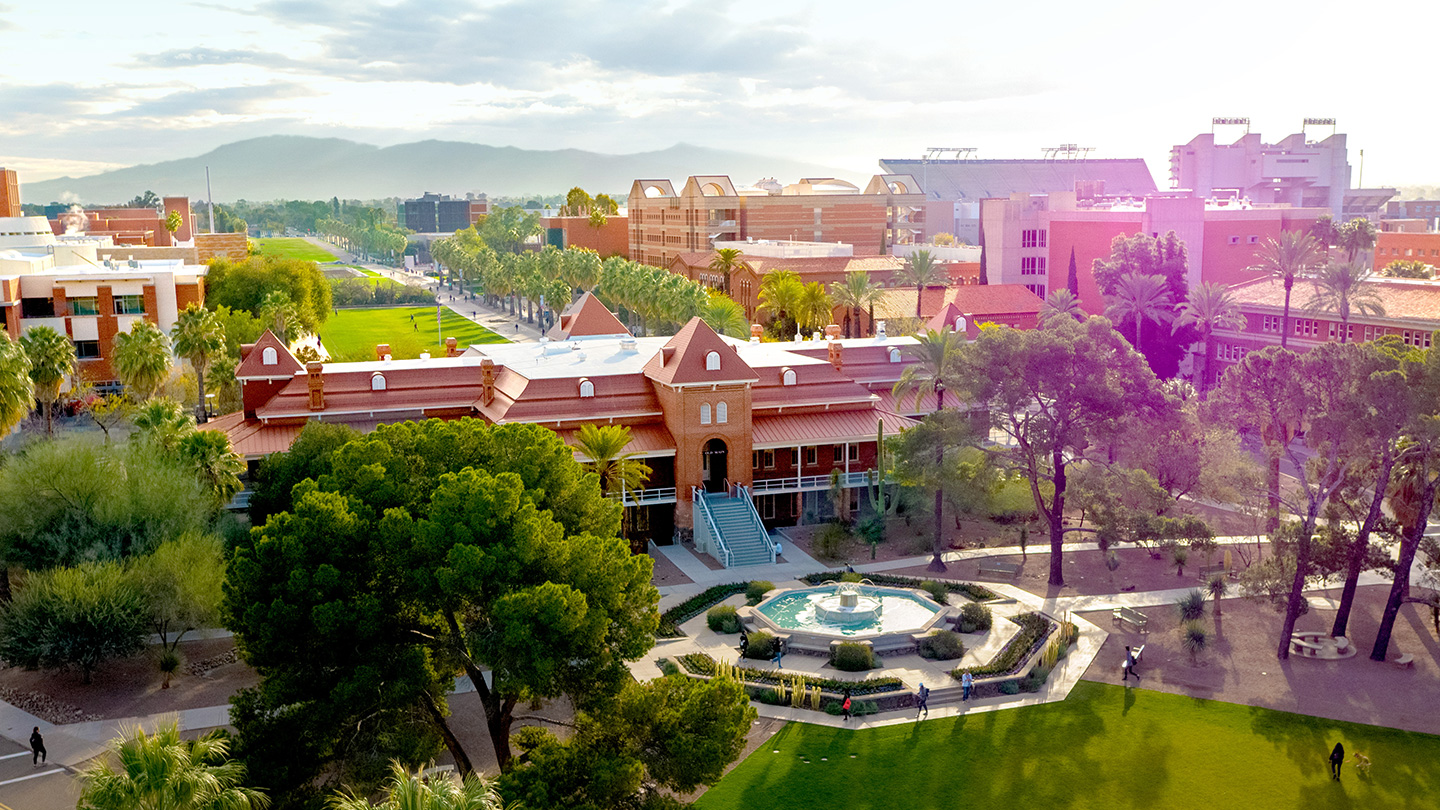
The physical address of the University of Arizona is 1401 E University Blvd, Tucson, AZ 85721. This places it strategically within Tucson, a city that boasts a unique character shaped by its Sonoran Desert environment and a deep history rooted in Native American, Spanish, Mexican, and American influences. The campus itself is an expansive, thoughtfully designed space that seamlessly blends historic architecture with modern facilities, all set against the dramatic backdrop of nearby mountain ranges.
A Jewel in the Sonoran Desert
Tucson, the city hosting the University of Arizona, is nestled in the Sonoran Desert, renowned for its biodiversity and iconic Saguaro cacti. This desert setting provides a stunning natural environment, with the city embraced by several mountain ranges: the Santa Catalina Mountains to the north, the Rincon Mountains to the east, and the Tucson Mountains to the west. This geographical positioning offers not only picturesque views but also a wealth of outdoor activities just a stone’s throw from the university.
The climate of Tucson is characterized by hot summers and mild winters, making it an attractive destination for those seeking sunshine and outdoor adventures for much of the year. The dry desert air and abundant clear days contribute to a distinctive lifestyle that integrates nature into daily living. For visitors, this means year-round opportunities for hiking, biking, and exploring the unique desert ecosystem.
The Vibrant Campus: A Microcosm of Discovery
The University of Arizona campus itself is a landmark destination worth exploring. It’s a sprawling, vibrant community that serves as the historic heart of Tucson. Walking through its tree-lined malls, visitors can appreciate a blend of traditional Arizona brick architecture and contemporary designs.
Key landmarks within the campus include:
- Old Main: The university’s first building, a stunning architectural gem that embodies the institution’s rich history. It’s a popular spot for photography and offers a glimpse into the university’s past.
- Centennial Hall: A historic performance venue that hosts a wide array of cultural events, Broadway shows, concerts, and lectures, enriching the cultural landscape of both the university and Tucson.
- Arizona Stadium and McKale Center: These iconic sports venues are home to the Arizona Wildcats’ athletic teams, drawing passionate fans and creating an electric atmosphere during game days. Attending a game is a quintessential Tucson experience for sports enthusiasts.
- Flandrau Science Center & Planetarium: Offering engaging exhibits, a stunning planetarium, and a public observatory, Flandrau is a fantastic destination for families and anyone interested in astronomy and natural sciences.
- Center for Creative Photography: Housing one of the world’s most extensive archives of American photography, this center is a must-visit for art lovers and scholars, featuring rotating exhibitions that showcase the depth and breadth of its collection.
- Arizona State Museum: The oldest and largest anthropological research museum in the Southwest United States, it offers fascinating insights into the indigenous cultures of the region, making it a pivotal landmark for understanding local history and heritage.
- Biosphere 2: Although located a short drive north of the main campus in Oracle, Arizona, Biosphere 2 is a remarkable research facility operated by the University of Arizona. It’s an iconic scientific landmark where visitors can explore a monumental enclosed ecological system, providing a unique educational tourism experience.

The university’s academic reputation as a research powerhouse, coupled with its diverse programs, attracts a global community of scholars and visitors. Its energetic, diverse, and community-focused student life creates a welcoming atmosphere that permeates the entire area surrounding the campus, making it an engaging place to visit whether you’re there for a day or an extended stay.
Beyond the Campus Gates: Exploring Tucson’s Rich Tapestry
The University of Arizona’s location in Tucson provides a gateway to a city brimming with cultural attractions, historical sites, and unparalleled natural beauty, making it a prime destination for various types of tourism. The immediate vicinity of the campus buzzes with student life, offering a plethora of dining options, cafes, and shops, but venturing further reveals the true depth of Tucson’s appeal.
Natural Wonders and Outdoor Adventures
For nature enthusiasts and adventure seekers, Tucson is an outdoor paradise. The Sonoran Desert environment offers unique landscapes and ecosystems ripe for exploration.
- Saguaro National Park: Divided into two districts flanking Tucson, this park is dedicated to protecting the majestic Saguaro cactus, a symbol of the American Southwest. Visitors can hike, bike, or drive through scenic loops, marveling at the towering cacti and diverse desert flora and fauna. It’s an essential landmark for anyone experiencing Tucson.
- Sabino Canyon: Located in the Santa Catalina Mountains just a short drive from campus, Sabino Canyon offers stunning riparian areas, seasonal waterfalls, and numerous hiking trails. Electric shuttle buses provide easy access into the canyon, allowing visitors of all fitness levels to enjoy its beauty. This natural attraction is perfect for a refreshing escape into nature.
- Hiking and Mountain Biking: The surrounding mountain ranges — the Santa Catalina, Rincon, and Tucson Mountains — offer countless trails for hiking and mountain biking, ranging from easy strolls to challenging climbs, each offering panoramic views of the desert landscape.
These natural landmarks provide endless opportunities for outdoor activities, making Tucson a premier destination for ecotourism and adventure travel.
Cultural Immersion and Historical Echoes
Tucson is a city steeped in history and vibrant culture, recognized as a UNESCO City of Gastronomy for its rich culinary traditions and agricultural heritage.
- Mission San Xavier del Bac: Often called the “White Dove of the Desert,” this historic Spanish Catholic mission, located just south of Tucson, is an exquisite example of Spanish colonial architecture and a functioning church. Its stunning frescoes and intricate details make it a profoundly moving cultural landmark.
- Pima Air & Space Museum: One of the largest non-government funded aviation and space museums in the world, the Pima Air & Space Museum showcases an incredible collection of aircraft and artifacts, appealing to history buffs and aviation enthusiasts alike.
- Old Tucson Studios: This legendary movie set and theme park offers a step back into the Old West. Visitors can explore historic buildings, watch live stunt shows, and experience the charm of a bygone era. It’s a fun and interactive historical landmark.
- Culinary Scene: As a UNESCO City of Gastronomy, Tucson boasts an incredible food scene, blending Sonoran flavors with innovative cuisine. From authentic Mexican eateries to upscale farm-to-table restaurants, foodies will find a diverse array of options to savor. Exploring the local food culture is a significant part of the Tucson experience.
- Local Events: Tucson hosts several acclaimed events throughout the year. The Tucson Gem & Mineral Show, held annually, is an internationally recognized event drawing collectors and enthusiasts from around the globe. Dillinger Days, commemorating the infamous gangster’s capture in Tucson, offers a unique historical reenactment and celebration. These events provide cultural activities and unique experiences for visitors.

Planning Your Visit: Travel, Accommodation, and Lifestyle
Visiting the University of Arizona and exploring Tucson is made convenient by excellent travel infrastructure and a wide range of accommodation options designed to suit every preference and budget. Whether you’re coming for an academic conference, a family vacation, or a solo adventure, Tucson offers a welcoming environment for all travelers.
Seamless Travel and Gateway Access
Accessing Tucson is straightforward, primarily via Tucson International Airport (TUS), which offers numerous direct flights and connections across the United States. The airport is conveniently located just a short drive from the University of Arizona campus and Downtown Tucson, making arrivals and departures hassle-free. Rental car services are readily available at the airport, providing the best way to explore the region’s scattered attractions and natural parks at your own pace. Public transportation, including buses, also serves the campus area, connecting visitors to various parts of the city. For those preferring not to drive, ride-sharing services and taxis are also abundant.
When planning your travel, considering the time of year can enhance your experience. Spring and fall offer the most pleasant weather for outdoor activities, while summer brings intense heat but also the lush monsoon season, transforming the desert landscape. Winter is mild and popular for those escaping colder climates, especially for events like the Tucson Gem & Mineral Show.
Where to Stay: Hotels and Resorts for Every Preference
Tucson’s accommodation landscape is as diverse as its scenery, catering to luxury travelers, budget-conscious explorers, and everyone in between. From opulent resorts to charming boutique hotels and practical extended-stay options, visitors will find the perfect place to unwind after a day of exploration.
For those seeking an indulgent escape, luxury resorts in and around Tucson offer world-class amenities, stunning views, and exceptional service.
- The Arizona Inn, a historic and elegant resort close to the University of Arizona, provides a timeless and sophisticated experience with lush gardens and classic architecture. It’s a true landmark among Tucson hotels.
- Loews Ventana Canyon Resort, nestled in the Santa Catalina Mountains, offers breathtaking views, championship golf, and a serene desert oasis ambiance.
- For the pinnacle of luxury and an unforgettable desert escape, the Ritz-Carlton, Dove Mountain provides an exquisite experience with its unparalleled service, spa, and golf course, set against the dramatic backdrop of Dove Mountain.
Boutique hotels in Downtown Tucson offer a more intimate and localized experience, often featuring unique design, personalized service, and easy access to the city’s burgeoning arts, dining, and nightlife scene. Staying Downtown puts you in the heart of urban Tucson’s cultural pulse.
For visitors prioritizing convenience and value, numerous budget-friendly hotels are located near the University of Arizona campus and along major thoroughfares, providing comfortable stays without breaking the bank. These options are ideal for families, students, or those on business trips seeking practical accommodation solutions. Many offer essential amenities like complimentary breakfast, Wi-Fi, and pools, ensuring a comfortable base for exploring.
When considering accommodation, reviews and comparisons are invaluable. Researching options based on proximity to the university, desired amenities (suites, resorts, apartments, villas), and overall guest experiences can help in making the perfect choice for your Tucson visit. Whether you’re looking for a short-term stay or considering a longer visit, the wide array of hotels and resorts ensures that every travel lifestyle, from luxury to budget, is well catered for in Tucson.
In conclusion, the University of Arizona is strategically situated in Tucson, Arizona, a city that offers an incredible blend of academic prestige, natural wonder, and cultural richness. Its location provides an ideal launchpad for exploring the Sonoran Desert’s unique beauty, immersing oneself in vibrant local culture, and enjoying diverse travel and accommodation experiences. From the historic buildings on campus to the majestic Saguaro National Park and the culinary delights of a UNESCO City of Gastronomy, the area surrounding the University of Arizona promises a truly unforgettable destination for any traveler.
LifeOutOfTheBox is a participant in the Amazon Services LLC Associates Program, an affiliate advertising program designed to provide a means for sites to earn advertising fees by advertising and linking to Amazon.com. Amazon, the Amazon logo, AmazonSupply, and the AmazonSupply logo are trademarks of Amazon.com, Inc. or its affiliates. As an Amazon Associate we earn affiliate commissions from qualifying purchases.