
For any traveler planning a trip to the Emerald City, one of the fundamental pieces of information to gather is the local time. Beyond mere curiosity, understanding the current time in Seattle, USA, is crucial for coordinating flights, booking accommodations, scheduling tours, and generally ensuring a smooth and enjoyable travel experience. Seattle, a vibrant hub in the Pacific Northwest, operates on a specific time zone that dictates its daily rhythm, affecting everything from morning coffee runs to evening cruises on Puget Sound. This comprehensive guide will not only answer the immediate question of Seattle’s current time but also delve into how time zones impact travel, how to maximize your itinerary, and what to expect during different hours in this dynamic city. Whether you’re a first-time visitor or a seasoned explorer, grasping the nuances of Seattle’s clock will help you unlock the best of what this destination has to offer.
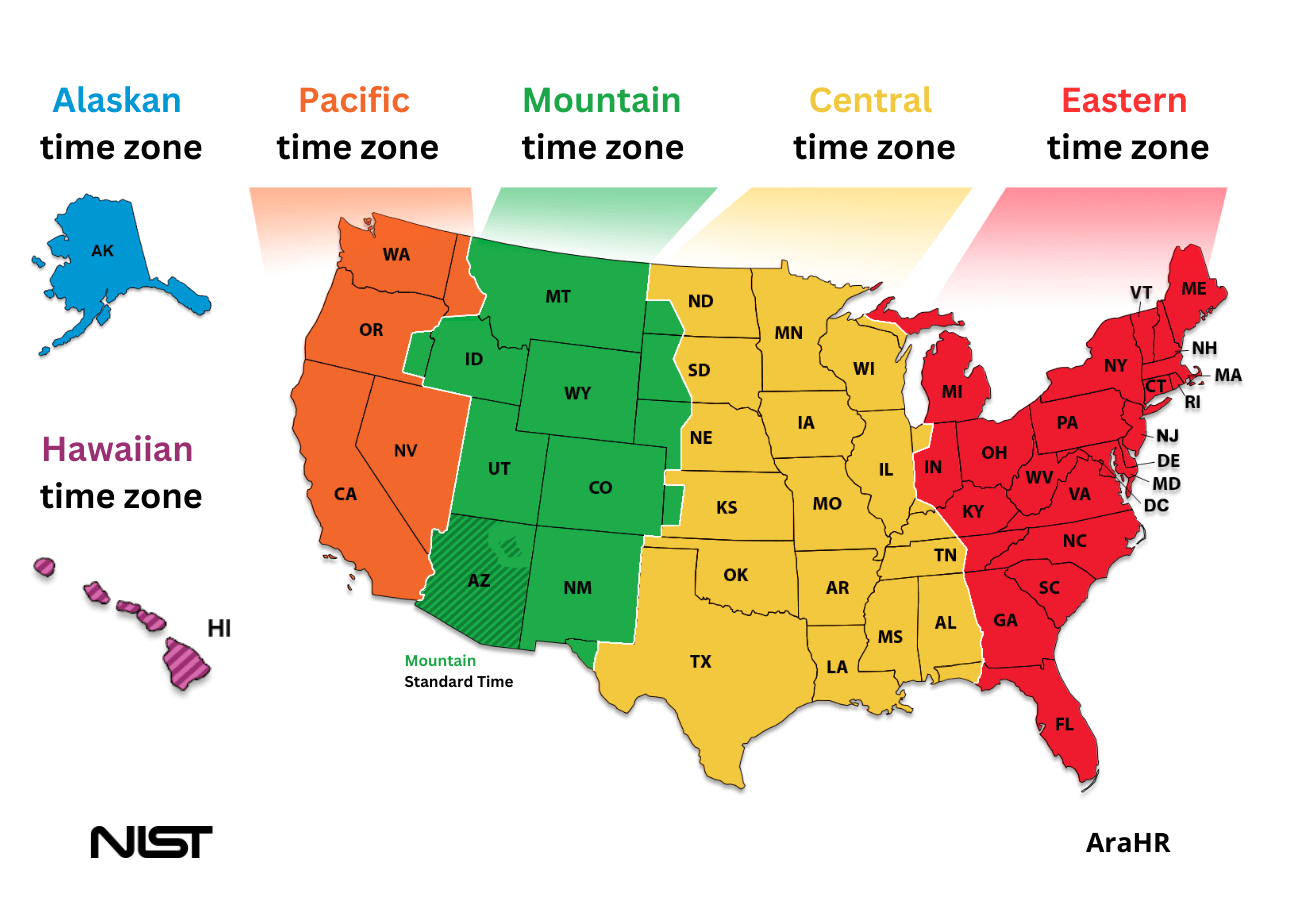
Understanding Seattle’s Time Zone: Pacific Standard Time (PST) and Pacific Daylight Time (PDT)
Seattle observes the Pacific Time Zone. Like many regions across the globe, it switches between two designations throughout the year: Pacific Standard Time (PST) and Pacific Daylight Time (PDT). This biannual change is primarily driven by Daylight Saving Time, a practice designed to make better use of daylight and conserve energy.
During the fall and winter months, from early November to mid-March, Seattle is on Pacific Standard Time (PST). PST is 8 hours behind Coordinated Universal Time (UTC) (or GMT-8). This means that when it’s noon UTC, it’s 4:00 AM in Seattle.
As spring arrives, typically on the second Sunday in March, clocks “spring forward” by one hour, initiating Pacific Daylight Time (PDT). PDT is 7 hours behind Coordinated Universal Time (UTC-7) (or GMT-7). This shift provides more daylight in the evenings, a welcome change for locals and visitors alike, extending opportunities for outdoor activities and evening exploration. The transition back to PST occurs on the first Sunday in November, when clocks “fall back” by one hour.
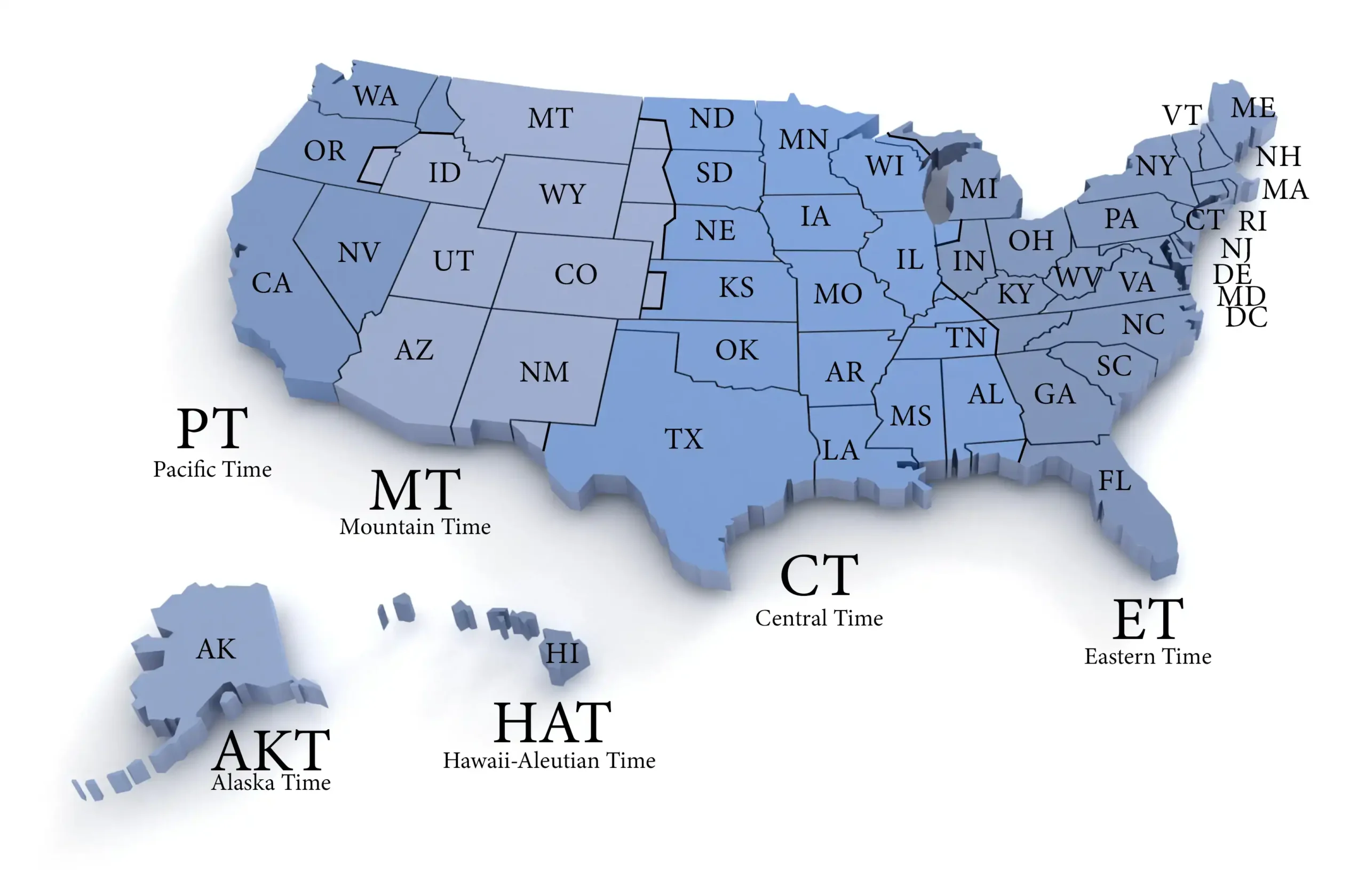
Current Time Zone Status and Daylight Saving
To determine the current time in Seattle at any given moment, you simply need to know if Daylight Saving Time is in effect. Most modern devices, from smartphones to computers, automatically adjust to the correct local time, eliminating the need for manual calculations. However, for those making international calls, planning virtual meetings, or simply curious, remembering the UTC offset (UTC-8 for PST and UTC-7 for PDT) is key. For travelers, understanding this distinction is more than just an academic exercise; it’s a practical necessity for ensuring your travel plans align with local operating hours and appointments. For instance, an early morning flight out of Seattle-Tacoma International Airport will necessitate an even earlier wake-up call, potentially compounded by jet lag if you’re arriving from a vastly different time zone like New York or London.
How Time Zones Impact Your Travel Plans
The difference in time zones can significantly impact your travel experience, particularly if you’re arriving from a distant location. Jet lag, a temporary sleep problem caused by rapid travel across multiple time zones, is a common issue that travelers to Seattle from places like Europe or the East Coast of the USA might face. For example, if you’re traveling from New York (Eastern Time Zone, UTC-5/UTC-4), Seattle will be three hours behind. This means that a 9 AM flight departure from New York will land in Seattle at approximately 12 PM local time, accounting for a five to six-hour flight duration. If you’re coming from London (GMT/UTC+0 or BST/UTC+1), the time difference is even more substantial, typically eight or nine hours, depending on Daylight Saving Time.
Understanding this time differential is crucial for scheduling everything from airport transfers to dinner reservations. Many attractions and businesses in Seattle have specific operating hours, and missing them due to miscalculating the local time can lead to missed opportunities. For business travelers, being aware of the time difference is paramount for coordinating meetings and presentations with colleagues in other time zones. Planning your arrival to allow for adjustment to the local time can make a world of difference in your comfort and ability to fully enjoy your trip.
Navigating Seattle’s Rhythms: Activities by Time of Day
Seattle is a city that buzzes with activity from dawn till dusk, and even into the night. Understanding what time it is, combined with an awareness of typical operating hours, allows travelers to craft an itinerary that makes the most of every moment. From iconic landmarks to hidden gems, the city offers diverse experiences tailored to different times of the day.
Morning in the Emerald City: Coffee, Markets, and Waterfront Views
Mornings in Seattle are synonymous with coffee, and for good reason. As the birthplace of many major coffee chains and home to an innumerable collection of independent roasters, the city wakes up to the aroma of freshly brewed beans. Many cafes open as early as 6:00 AM or 7:00 AM, perfect for those adjusting to the time zone or eager to start their day. A quintessential Seattle morning involves a visit to Pike Place Market. While some vendors begin setting up earlier, the market truly comes alive around 9:00 AM, with fishmongers tossing their wares, flower stands brimming with vibrant bouquets, and artisanal shops opening their doors. Arriving early allows for a more relaxed experience before the midday crowds.
After grabbing a coffee and exploring the market’s initial buzz, consider a stroll along the Seattle Waterfront. The crisp morning air, coupled with views of Puget Sound and the distant Olympic Mountains, offers a serene start to the day. You might even catch the ferries departing for nearby islands, a truly Pacific Northwest sight. For a more active start, Discovery Park, Seattle’s largest urban park, offers miles of trails with stunning vistas, perfect for an early morning hike or run. Many breakfast spots, from cozy diners to upscale brunch locations, also begin serving between 7:00 AM and 8:00 AM, catering to both early risers and those enjoying a leisurely morning.
Afternoon Adventures: Iconic Landmarks and Cultural Immersion
As the morning transitions into afternoon, Seattle’s iconic landmarks and cultural institutions beckon. Most major attractions, such as the Space Needle, Chihuly Garden and Glass, and the Museum of Pop Culture (MoPOP), typically open between 10:00 AM and 11:00 AM and remain accessible until late afternoon or early evening. This mid-day window is ideal for diving into the city’s rich history and innovative spirit. The Seattle Art Museum (SAM) and the Olympic Sculpture Park also offer engaging experiences, with hours usually extending through 5:00 PM or 6:00 PM.
The afternoon is also a great time to explore Seattle’s diverse neighborhoods. Pioneer Square, with its historic architecture and underground tours, offers a glimpse into the city’s past. Capitol Hill buzzes with independent boutiques, vibrant street art, and eclectic eateries, perfect for an afternoon of casual exploration and perhaps a coffee break or an early happy hour drink. For a different perspective, consider a cruise on Lake Union or Puget Sound, with many tour operators offering departures throughout the afternoon. These tours often provide stunning views of the city skyline, the Space Needle, and the surrounding natural beauty.
Evening Experiences: Dining, Entertainment, and Nightlife
As the sun begins to set over Puget Sound, Seattle transforms, offering a plethora of evening experiences. Dinner reservations typically start around 5:00 PM or 6:00 PM, with peak dining hours from 7:00 PM to 9:00 PM. Seattle’s culinary scene is renowned for its fresh seafood, farm-to-table restaurants, and diverse international flavors. From upscale dining in Belltown to casual eateries in Fremont or Ballard, there’s something to satisfy every palate.
Post-dinner entertainment options are plentiful. Catch a live music performance at one of the city’s many venues, ranging from intimate clubs to larger concert halls. The Seattle Symphony at Benaroya Hall offers world-class classical performances, while numerous theaters host Broadway shows and local productions. Sports enthusiasts might catch a game at T-Mobile Park (baseball) or Lumen Field (football or soccer), with evening games often starting between 6:00 PM and 7:00 PM. For those seeking nightlife, neighborhoods like Capitol Hill and Pioneer Square boast a vibrant array of bars, pubs, and dance clubs that stay open well past midnight. Even simple pleasures, like watching the sunset from Kerry Park with its panoramic skyline views, become magical evening experiences in Seattle.
Planning Your Seattle Stay: Accommodation and Logistics
Effective trip planning involves more than just knowing what time it is; it requires careful consideration of accommodation, managing travel fatigue, and optimizing your itinerary to make the most of your time in Seattle. Given the city’s popularity as a tourist and business destination, strategic planning is key to a seamless experience.
Choosing the Right Accommodation: Hotels, Resorts, and Unique Stays
Seattle offers a vast array of accommodation options to suit every budget and travel style. From luxurious downtown hotels like the Four Seasons Hotel Seattle or the Grand Hyatt Seattle, offering stunning views and premium amenities, to boutique hotels in vibrant neighborhoods such as Hotel Ballard or The State Hotel near Pike Place Market, you’ll find plenty of choices. Business travelers might prefer hotels close to the Washington State Convention Center or the financial district, while families might seek out properties with pools or easy access to attractions like the Seattle Center.
For longer stays or those seeking a more local experience, serviced apartments or unique Airbnb rentals in residential areas like Fremont or Queen Anne can provide a home-away-from-home feel. When booking, always check the check-in and check-out times, as these are based on local Seattle time and can significantly impact your arrival and departure day logistics. Many hotels offer luggage storage for early arrivals or late departures, allowing you to explore the city without being weighed down. Reading reviews and comparing prices on platforms like LifeOutTheBox can help you find the perfect match for your travel needs and preferences, ensuring a comfortable base for your Seattle adventures.
Bridging the Time Gap: Tips for Battling Jet Lag
Dealing with jet lag is an inevitable part of traveling across multiple time zones. However, there are several strategies you can employ to minimize its effects and quickly adjust to Seattle’s time.
- Adjust Before You Arrive: If possible, start shifting your sleep schedule a few days before your trip. For example, if traveling west, try to go to bed an hour or two later than usual.
- Hydrate and Avoid Alcohol/Caffeine: Drink plenty of water before, during, and after your flight. Alcohol and excessive caffeine can disrupt your sleep patterns and exacerbate dehydration.
- Embrace Daylight: Upon arrival in Seattle, expose yourself to natural light as much as possible, especially in the morning. This helps reset your body’s internal clock. Take a walk around Gas Works Park or visit the Waterfront.
- Stick to the Local Schedule: Try to eat meals and sleep according to Seattle’s local time, even if you don’t feel hungry or tired.
- Short Naps Only: If you must nap, keep it short (20-30 minutes) to avoid falling into a deep sleep that makes it harder to sleep at night.
- Stay Active: Gentle exercise, like walking, can help you feel more alert during the day and promote better sleep at night.
Optimizing Your Itinerary: Making the Most of Every Hour
With a clear understanding of Seattle’s time and your internal clock, you can craft an itinerary that maximizes your enjoyment.
- Group Activities Geographically: Plan your days by grouping attractions that are close to each other. For example, dedicate one morning to the Seattle Center (Space Needle, MoPOP, Chihuly Garden and Glass), and another afternoon to Pike Place Market and the Waterfront.
- Factor in Travel Time: Seattle traffic can be unpredictable, especially during peak hours (7:00 AM–9:00 AM and 4:00 PM–6:00 PM). Use public transportation or ride-sharing apps, and always factor in buffer time when moving between destinations.
- Book in Advance: For popular attractions, specific tours, or highly-rated restaurants, booking tickets or making reservations in advance, aligned with Seattle time, is highly recommended to avoid long waits or disappointment.
- Flexibility is Key: While a well-planned itinerary is valuable, allow for some flexibility. Seattle’s weather can change quickly, and spontaneous discoveries are often the most memorable. Don’t be afraid to adjust your plans based on the weather or a local recommendation.
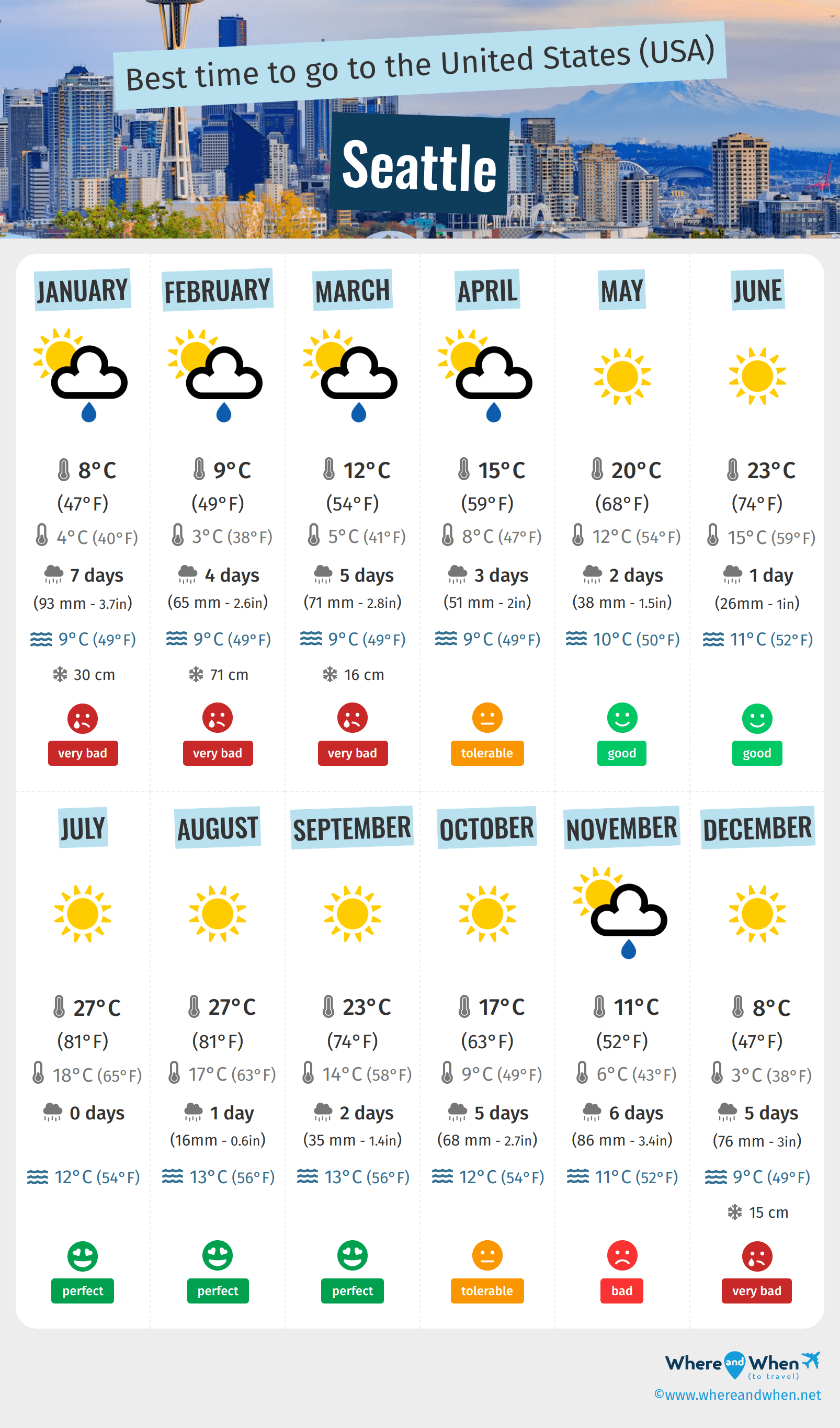
- Consider Seasonal Daylight: Remember that Seattle experiences significant variations in daylight hours throughout the year. Summers offer very long daylight hours (sunsets past 9:00 PM), while winters have much shorter days (sunsets before 5:00 PM). Adjust your activity planning accordingly to make the most of the available light.
Seattle Beyond the Clock: Embracing the Local Lifestyle
While knowing the exact time is essential for logistics, truly experiencing Seattle means embracing its unique lifestyle, which is influenced not only by the clock but also by its seasons, culture, and community spirit.
Seasonal Considerations: Time of Year vs. Time of Day
The “time” in Seattle extends beyond the hours on a clock; it encompasses the time of year, which profoundly shapes the city’s ambiance and available activities.
- Summer (June-August): This is prime tourist season, characterized by warm, sunny days and exceptionally long daylight hours (often extending past 9:00 PM). This is the best time for outdoor activities like hiking in the nearby Cascades or Olympic National Park, exploring the islands of Puget Sound on a ferry, or enjoying waterfront dining. Festivals and outdoor concerts are abundant, often running into the late evening.
- Fall (September-November): The weather begins to cool, and the city takes on a golden hue as leaves change color. Daylight hours shorten, but the “shoulder season” often brings pleasant temperatures and fewer crowds. This is an excellent time for cultural events, museum visits, and exploring Seattle’s vibrant food scene. The shift back to Pacific Standard Time in early November marks the beginning of shorter days.
- Winter (December-February): Characterized by cooler temperatures, frequent rain, and the shortest daylight hours (sunset can be as early as 4:30 PM). While perhaps not ideal for extensive outdoor exploration, winter in Seattle offers a cozy charm. It’s perfect for enjoying indoor attractions like the Chihuly Garden and Glass, MoPOP, or indulging in the city’s renowned coffee culture and diverse culinary offerings. Holiday markets and festive lights add to the allure.
- Spring (March-May): As clocks “spring forward” into Pacific Daylight Time, days lengthen, and the city blossoms with vibrant flowers. The weather can be unpredictable, with a mix of sun and showers, but it’s a beautiful time to visit. Outdoor markets revive, and parks like Washington Park Arboretum burst with color, signaling the return of longer, brighter evenings.
The Local Pulse: Food, Culture, and Community Events
Seattle’s lifestyle is deeply intertwined with its local pulse, which beats to a rhythm of innovation, environmental consciousness, and a strong sense of community. The city’s food scene, for example, is not just about eating but about celebrating fresh, local ingredients, sustainable practices, and diverse culinary traditions. From the bustling vendors at Pike Place Market to the cutting-edge restaurants in South Lake Union, food is an experience to be savored, often reflecting the time of year and the bounty of the Pacific Northwest.
Culturally, Seattle thrives on creativity. Whether it’s the grunge music legacy honored at MoPOP, the thriving arts scene in Pioneer Square, or the independent film houses, there’s always something stimulating happening. Community events, often tied to specific times of the year, further enrich the local experience. Consider planning your visit around events like Seafair in the summer or the Northwest Folklife Festival in the spring, which offer unique insights into the city’s character. Engaging with the local lifestyle means more than just ticking off attractions; it means slowing down to enjoy a ferry ride across Puget Sound, lingering over a locally roasted coffee, or striking up a conversation with a vendor at a neighborhood market. This deeper engagement allows you to truly feel the rhythm of Seattle, regardless of what time the clock says.
In conclusion, knowing what time it is in Seattle, USA, right now is the starting point for any well-planned trip. From understanding the Pacific Time Zone and its Daylight Saving shifts to strategizing against jet lag, every aspect of time management contributes to a smoother journey. By aligning your itinerary with the city’s daily rhythms and embracing its seasonal variations and rich cultural pulse, you can ensure your visit to the Emerald City is not only punctual but also deeply fulfilling and memorable. Enjoy every moment of your Seattle adventure!
LifeOutOfTheBox is a participant in the Amazon Services LLC Associates Program, an affiliate advertising program designed to provide a means for sites to earn advertising fees by advertising and linking to Amazon.com. Amazon, the Amazon logo, AmazonSupply, and the AmazonSupply logo are trademarks of Amazon.com, Inc. or its affiliates. As an Amazon Associate we earn affiliate commissions from qualifying purchases.