
California, the Golden State, conjures images of sun-drenched beaches, towering redwoods, vibrant cities, and innovative spirit. It’s a land of dreams, attracting millions of visitors seeking unforgettable experiences, luxurious resorts, and a distinct lifestyle. From the iconic Golden Gate Bridge in San Francisco to the glamorous boulevards of Los Angeles and the pristine coastline of San Diego, its destinations offer a myriad of attractions for every type of traveler. Yet, beneath this glittering facade, California grapples with a complex and challenging issue: homelessness. For anyone considering a visit, a long-term stay, or even contemplating moving here, understanding the scale and nuances of homelessness is essential to truly grasp the state’s intricate social fabric. It’s a reality that touches nearly every major urban center and even some rural areas, prompting questions about the well-being of its residents and the broader implications for tourism and community life.
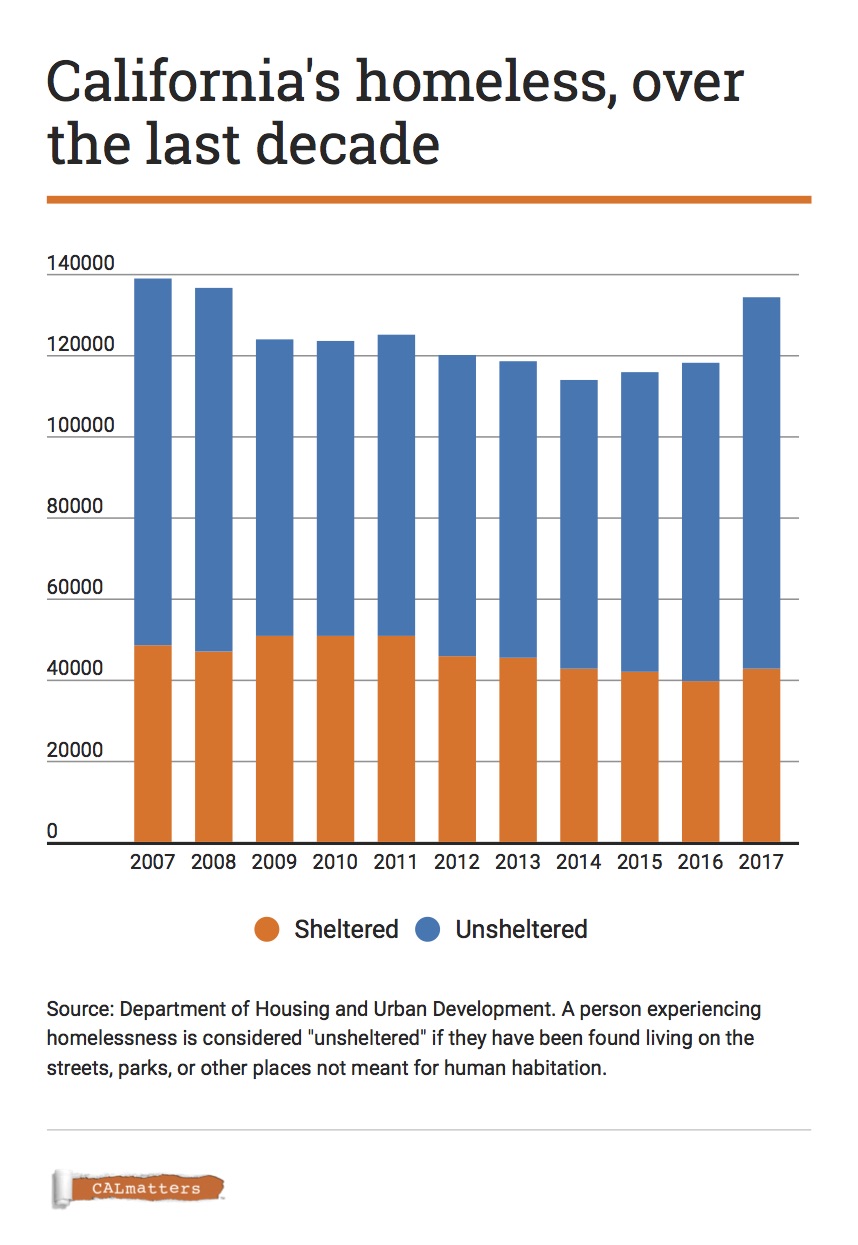
This article delves into the critical question of how many homeless people reside in California, exploring the factors contributing to this crisis, the impact it has on the state, and the efforts being made to address it. Our aim is to provide a comprehensive overview that encourages awareness and empathy, allowing visitors and residents alike to engage more thoughtfully with this remarkable, yet sometimes challenging, state.
The Scope of Homelessness in the Golden State
The sheer scale of homelessness in California is staggering, making it home to the largest homeless population in the United States. While precise numbers fluctuate, annual Point-in-Time (PIT) counts, mandated by the U.S. Department of Housing and Urban Development (HUD), offer a snapshot of the situation. These counts involve volunteers and outreach workers tallying individuals experiencing homelessness on a single night, typically in January.
According to recent comprehensive PIT counts, California accounts for a disproportionate share of the nation’s homeless population, often exceeding 170,000 individuals. This number represents roughly 30% of all people experiencing homelessness in the entire country. What makes this figure particularly striking is that a significant majority, often around 70%, are unsheltered, meaning they are living on the streets, in vehicles, in encampments, or other places not meant for human habitation. This is in stark contrast to many other states where sheltered homelessness (staying in emergency shelters or transitional accommodation) is more prevalent.
This visible presence of homelessness is particularly acute in California’s major metropolitan areas. Los Angeles County consistently reports the largest number, with tens of thousands of individuals experiencing homelessness, profoundly impacting the urban landscape of Los Angeles itself, from its bustling downtown to the scenic beaches of Santa Monica and Venice Beach. San Francisco and the wider Bay Area, including Oakland and San Jose, also face immense challenges, with large encampments and visible street homelessness near some of the world’s most innovative tech companies and luxurious hotels. Further south, San Diego and Orange County likewise contend with substantial homeless populations, affecting everything from city parks to commercial districts. Even less urbanized areas, such as the Central Valley and parts of Northern California, are seeing a rise in homelessness, often exacerbated by a lack of resources and public services. Understanding these numbers is the first step toward recognizing the urgency and complexity of the crisis.
Understanding the Root Causes and Challenges
The reasons behind California’s homelessness crisis are multifaceted, stemming from a complex interplay of economic, social, and systemic factors. It’s not a single issue but a convergence of challenges that disproportionately affect vulnerable populations.
High Cost of Living and Housing Crisis
Perhaps the most significant driver of homelessness in California is its exorbitant cost of living, particularly housing. The state boasts some of the most expensive real estate markets in the United States. Median home prices and rental rates in cities like San Francisco, Los Angeles, and San Jose are astronomical, far outpacing wage growth for many residents. This means that even individuals with full-time jobs, including those working in essential services, often struggle to afford market-rate apartments or even single rooms.
A severe housing shortage compounds this issue. For decades, California has not built enough housing units to keep pace with population growth and demand. Stringent zoning laws, community opposition to new developments (“Not In My Backyard” or NIMBYism), and high construction costs contribute to a scarcity of affordable housing, pushing more people into precarious living situations. When a sudden job loss, medical emergency, or unexpected expense occurs, individuals and families who are already precariously housed can quickly find themselves without a home, unable to re-enter the housing market due to prohibitive costs. The gap between what people earn and what housing costs has widened to an unsustainable degree, turning “housing insecurity” into a pathway to homelessness for countless Californians.
Economic Factors and Social Safety Nets
Beyond housing, broader economic factors play a crucial role. While California is an economic powerhouse, particularly in tech and entertainment, the benefits are not evenly distributed. Many low-wage jobs do not provide a living wage sufficient to cover basic necessities, especially in high-cost areas. Income inequality is a significant issue, leaving a substantial segment of the population vulnerable to economic shocks.
Furthermore, issues such as job displacement due to automation, lack of educational opportunities, and criminal records can make it incredibly difficult for individuals to secure stable employment. The erosion of robust social safety nets also contributes. While California has various programs, access can be challenging, and funding often falls short of the immense need. Compounding these economic difficulties, a significant portion of the homeless population struggles with untreated mental health conditions and substance use disorders. These issues, often intertwined, can create immense barriers to maintaining employment, stable housing, and personal well-being, making it incredibly difficult to escape the cycle of homelessness without comprehensive support services.
Impact on Tourist Destinations and Local Communities
The visibility of homelessness, especially in prominent tourist areas, is undeniable. Visitors enjoying the vibrant atmosphere of Hollywood, the artistic charm of San Francisco’s Fisherman’s Wharf, or the sunny piers of San Diego may encounter individuals experiencing homelessness. This reality can present a jarring contrast to the idyllic images often associated with California as a premier travel destination.
For local communities and businesses, the impact is even more profound. Residents often express concerns about public safety, sanitation, and the overall quality of life in neighborhoods where encampments are prevalent. Businesses, including local food establishments and boutique hotels, can face challenges related to cleanliness and perceptions of safety, potentially affecting tourism revenue and local commerce. The strain on public services, including emergency response, sanitation departments, and healthcare systems, is immense. While the presence of homelessness can be unsettling for visitors, it is crucial to remember the human element behind the statistics and the deeper systemic issues at play. Engaging with California as a conscious traveler means acknowledging this reality and understanding the efforts being made to create positive change.
Initiatives and Solutions: A Glimmer of Hope
Despite the immense scale of the crisis, California is not passively observing the problem. There are numerous dedicated efforts, from state-level policies to grassroots community initiatives, aimed at mitigating homelessness and providing pathways to stable housing.

State and Local Government Efforts
The California state government has significantly increased funding and developed various programs to address homelessness. Initiatives like the Homeless Housing, Assistance and Prevention (HHAP) program provide billions of dollars to cities and counties to develop local solutions, including emergency shelters, rapid rehousing services, and permanent supportive housing. The state also prioritizes the “housing first” approach, which emphasizes providing immediate housing without preconditions, coupled with comprehensive support services for mental health, substance abuse, and employment.
At the local level, cities are implementing their own strategies. Los Angeles, for instance, passed Proposition HHH, a bond measure to fund the construction of thousands of units of supportive housing. San Francisco has focused on expanding shelter capacity, creating safe sleeping sites, and investing in navigation centers that offer holistic support. Many cities are also exploring innovative solutions like tiny home villages, conversions of motels into permanent housing, and coordinated outreach programs to connect unsheltered individuals with services. These governmental efforts, while facing bureaucratic hurdles and funding constraints, represent a significant commitment to tackling the crisis head-on.
Non-Profit and Community Involvement
Beyond government initiatives, a vast network of non-profit organizations, charities, and community groups forms the backbone of direct service provision. Organizations like the Los Angeles Mission, Glide Memorial Church in San Francisco, and hundreds of smaller local groups provide essential services such as hot meals, clothing, hygiene facilities, medical care, legal assistance, and job training. These groups often fill critical gaps, reaching individuals who may be distrustful of official systems or require specialized support.
Volunteers play an indispensable role, dedicating their time and compassion to outreach, food distribution, and assisting in shelters. Many of these organizations also engage in advocacy, raising awareness, and pushing for policy changes to address the systemic causes of homelessness. Their tireless work on the front lines provides immediate relief and long-term hope for thousands of individuals seeking to rebuild their lives.
How Visitors and Residents Can Contribute
For both visitors and residents, contributing to solutions, even in small ways, can make a difference.
- Support Local Charities: Donating to reputable local non-profit organizations that directly serve the homeless population is one of the most effective ways to help. Research groups in the specific cities you visit or reside in, such as food banks, shelters, or mental health support services.
- Volunteer Your Time: If you’re a resident or engaging in a longer stay, consider volunteering at a shelter or an outreach program. Your time and effort can be invaluable.
- Be Informed and Empathetic: Educate yourself about the root causes of homelessness. Approaching individuals experiencing homelessness with empathy and respect, rather than judgment, fosters a more compassionate community. Acknowledge their humanity, and if appropriate and safe, offer a kind word.
- Support Responsible Businesses: Patronize businesses that are known to support homelessness initiatives or provide fair wages and stable employment, particularly in communities affected by homelessness.
- Advocate for Change: Engage with local policy discussions, write to your representatives, and support policies that promote affordable housing, mental health services, and robust social safety nets.
Navigating California as a Conscious Traveler/Resident
Experiencing California fully means embracing its vibrant culture, stunning nature, and world-class attractions, while also acknowledging and understanding its societal challenges. As a conscious traveler or resident, you have the opportunity to engage with the state in a more informed and impactful way.
Awareness Without Judgment
It’s natural to feel a range of emotions when encountering homelessness, from compassion to discomfort. The key is to cultivate awareness without judgment. Recognize that each person experiencing homelessness has a unique story, often involving trauma, systemic failures, and personal struggles. Avoid stereotypes and dehumanization. Understand that visible homelessness is a symptom of deeper structural issues, not just individual failings. This perspective allows for a more empathetic response and a clearer understanding of the complexity involved. Your presence as a traveler can either be a passive observation or an active, informed engagement with the reality of a place.
Engaging with the Community
California offers myriad ways to immerse yourself in its local culture, from exploring historic landmarks and diverse food scenes to participating in local activities. Consider seeking out tours or local businesses that specifically aim to give back to the community or employ individuals transitioning out of homelessness. Many social enterprises operate coffee shops, boutique hotels, or tour companies with a mission to support vulnerable populations. By choosing these options, your spending can directly contribute to positive social impact, aligning your travel choices with values of community support and sustainability. Learning about the social dynamics of your chosen destination enriches your overall experience and allows you to be a more responsible global citizen.
Safety and Preparedness
While homelessness is a social issue, it’s also practical to be aware of your surroundings, as you would in any major urban environment globally. When exploring cities, especially downtown areas or popular tourist attractions, it’s always wise to practice general safety tips. Keep valuables secure, be mindful of your belongings, and stay aware of your environment. If you feel unsafe in a particular area, simply move to a different location. The vast majority of individuals experiencing homelessness pose no threat, but like any urban setting, exercising common sense and preparedness is a universal travel guide recommendation, whether you’re enjoying luxury travel or budget travel. Your trip to California should be safe and enjoyable, and a balanced perspective contributes to that.

Conclusion
The question “How Many Homeless People Are In California?” reveals a deeply complex societal challenge that casts a shadow on the state’s otherwise dazzling image. With over 170,000 individuals experiencing homelessness, primarily unsheltered, California faces an urgent humanitarian crisis driven by an acute housing shortage, a high cost of living, economic disparities, and inadequate support systems for mental health and substance abuse.
However, understanding this reality should not detract from the immense beauty, innovation, and vibrant spirit that define the Golden State. Instead, it should foster a more profound and empathetic engagement with its communities. From the dedicated efforts of state and local governments implementing housing initiatives to the tireless work of non-profits and individual volunteers providing essential services, there is a clear commitment to finding solutions.
As a traveler or resident, you have the opportunity to engage with California in a way that is both enriching and responsible. By staying informed, contributing to local aid efforts, approaching individuals with empathy, and supporting businesses that promote social good, you can be part of the solution. California remains an extraordinary destination for travel, tourism, and lifestyle pursuits, offering unforgettable experiences across its diverse landscapes and cultures. By understanding its challenges alongside its charms, we can all contribute to a more compassionate and equitable future for all who call this remarkable state home.
LifeOutOfTheBox is a participant in the Amazon Services LLC Associates Program, an affiliate advertising program designed to provide a means for sites to earn advertising fees by advertising and linking to Amazon.com. Amazon, the Amazon logo, AmazonSupply, and the AmazonSupply logo are trademarks of Amazon.com, Inc. or its affiliates. As an Amazon Associate we earn affiliate commissions from qualifying purchases.