
The allure of a perfectly cooked steak is undeniable, a culinary quest that often leads enthusiasts to some of the world’s most renowned food destinations. Among these, New York City stands tall, a vibrant metropolis famed not just for its iconic skyline and bustling avenues, but also for its legendary steakhouses. The question “Is New York Steak tender?” is more than a simple culinary query; it’s an invitation to explore the science of gastronomy, the history of a specific cut, and the rich tapestry of a city that elevates dining to an art form. For travelers embarking on a gastronomic adventure, understanding the nuances of the New York Strip can unlock a deeper appreciation for this classic dish, blending the thrill of travel with the satisfaction of an exquisite meal.
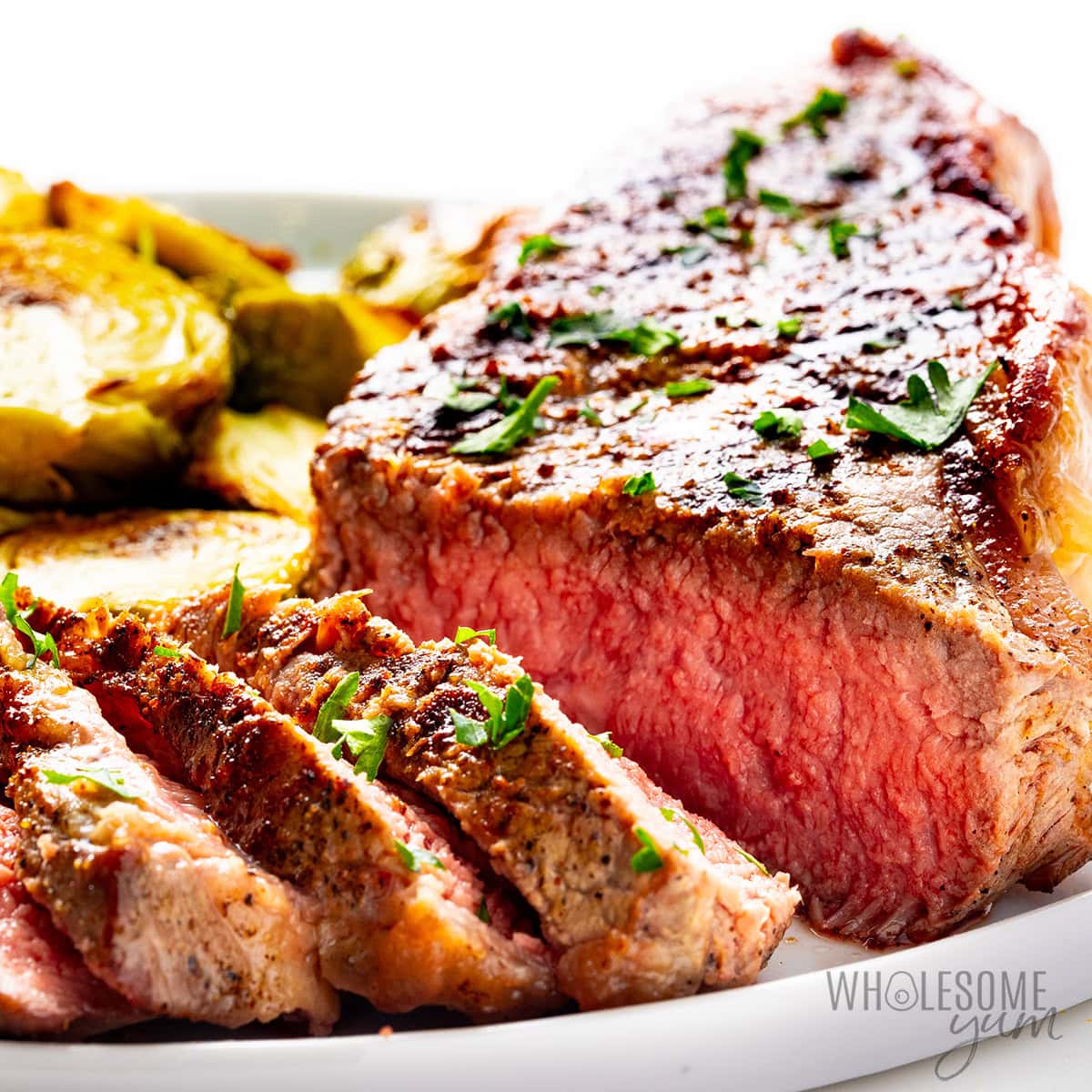
This article delves into the heart of what makes the New York Strip Steak a celebrated cut, exploring the factors that contribute to its tenderness, the culinary heritage of New York’s steakhouses, and how this iconic dish fits into the broader travel and lifestyle experience of visiting the Big Apple. From the bustling streets of Manhattan to the quiet precision of a master chef’s kitchen, we’ll uncover the secrets behind the tenderness of this beloved steak and guide you through crafting your own unforgettable culinary journey.
Unveiling the Enigma of the New York Strip
The term “New York Steak” typically refers to the New York Strip, a cut derived from the short loin of the cow. It’s renowned for its robust beefy flavor, a fine texture, and a respectable degree of marbling, which refers to the streaks of fat interspersed within the lean meat. But what exactly defines this cut, and what factors determine its tenderness?
What Makes a Cut “New York Strip”?
Originating from the lumbosacral region of the cattle, the New York Strip is essentially a boneless top loin steak. It boasts a distinctive fat cap on one side, which, if left on during cooking, renders down to impart additional flavor and moisture. This cut is favored by chefs and diners alike for its consistent shape and relatively uniform thickness, making it easy to cook evenly. Historically, its association with New York City steakhouses cemented its popular name, though it’s known by other appellations globally, such as Kansas City Strip (when bone-in) or Strip Loin Steak. Its texture falls between the super-tender filet mignon and the more robust ribeye, offering a satisfying chew without being tough.
The Science of Tenderness: Factors Beyond the Cut
Tenderness in any steak, including the New York Strip, is a complex interplay of several factors, starting long before the meat hits the grill.
- Genetics and Diet: The breed of cattle and their diet significantly impact muscle fiber development and fat distribution. Grain-fed cattle, for instance, often produce more marbling, which is crucial for both flavor and tenderness.
- Aging Process: One of the most critical steps in achieving tenderness is dry-aging or wet-aging the beef.
- Dry-aging: This traditional method involves storing large cuts of meat in a controlled environment (temperature, humidity, airflow) for several weeks. During this process, natural enzymes in the meat break down connective tissues, tenderizing the meat and evaporating moisture, which concentrates the beefy flavor. Many of New York’s top steakhouses pride themselves on their extensive dry-aging programs.
- Wet-aging: This involves vacuum-sealing the meat in its own juices. While it doesn’t offer the same depth of flavor concentration as dry-aging, it still allows enzymes to tenderize the meat effectively and is more cost-efficient.
- Cooking Method: How a New York Strip is cooked dramatically affects its final tenderness.
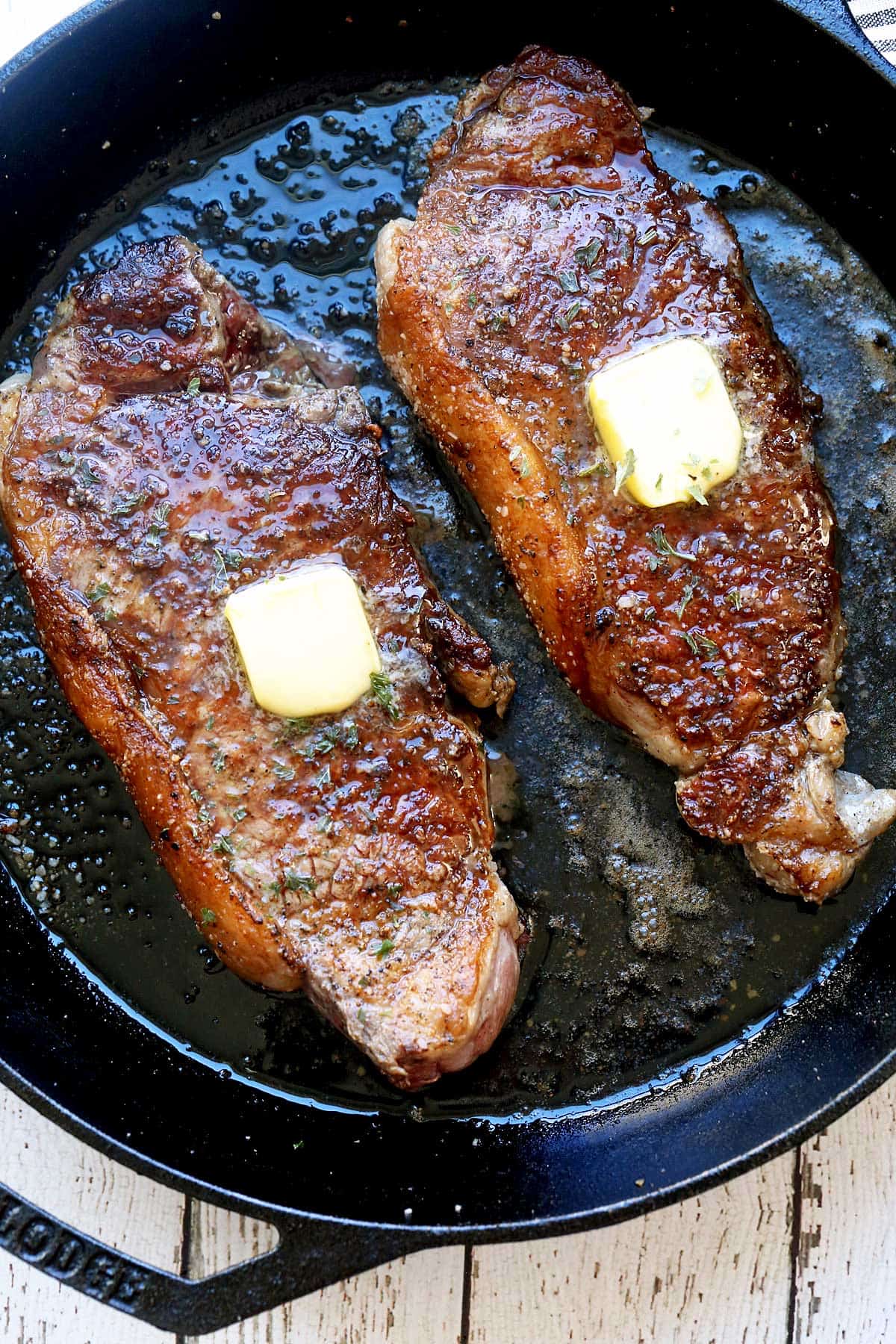
- High Heat Searing: A quick sear at high temperatures (grilling, pan-searing) creates a flavorful crust (the Maillard reaction) while keeping the interior juicy.
- Internal Temperature: Cooking to the correct internal temperature is paramount. For optimal tenderness and juiciness, most chefs recommend medium-rare (130-135°F / 54-57°C). Overcooking will dry out the meat and make it tough, regardless of its initial quality.
- Resting: After cooking, allowing the steak to rest for 5-10 minutes is crucial. This allows the muscle fibers to relax and the juices, which have been pushed to the center by the heat, to redistribute throughout the meat, ensuring every bite is moist and tender.
- Slicing Against the Grain: When serving, slicing the steak against the grain shortens the muscle fibers, making each piece easier to chew and giving the impression of greater tenderness.
Considering these elements, a well-prepared New York Strip from a reputable establishment should indeed be tender, offering a delightful chew that is succulent and rich in flavor.
The Iconic Steakhouses of New York City: A Culinary Journey
New York City is synonymous with steakhouse culture. Dining at one of its storied establishments is more than just a meal; it’s a quintessential New York experience, blending history, luxury, and unparalleled culinary expertise. These steakhouses are destinations in themselves, often considered landmarks of the city’s tourism scene.
Historic Establishments and Their Legacy
Some of New York’s steakhouses have been serving patrons for over a century, each with its own unique story and legendary status.
- Peter Luger Steak House: Located in Brooklyn, Peter Luger has been a New York institution since 1887. Renowned for its dry-aged porterhouse steaks, served sizzling hot, it’s a pilgrimage site for steak lovers. The cash-only policy (though they now accept a special house card) and no-frills service only add to its charm and authentic old-world feel. Dining here is stepping back in time, an essential part of the local culture.
- Keens Steakhouse: Established in 1885 in Midtown Manhattan, Keens is famous for its mutton chop, but their New York Strip is also exceptional. The restaurant boasts a pipe club collection with over 90,000 clay pipes, belonging to historical figures, creating an unparalleled atmosphere of history and tradition. It’s a true architectural and historical gem among New York’s dining attractions.
- Delmonico’s: While perhaps more famous for originating dishes like Eggs Benedict and Lobster Newburg, Delmonico’s, which first opened its doors in 1837, is widely considered the United States’ first fine dining restaurant. Its legacy is intertwined with the evolution of American cuisine and fine dining, offering a sophisticated setting for enjoying classic steak preparations.
These establishments don’t just serve food; they offer an immersive experience into the culinary heritage of New York, where the ambiance is as rich as the flavors on the plate.
Modern Interpretations and High-End Dining Experiences
Beyond the historic giants, New York City is home to a plethora of contemporary steakhouses that blend tradition with modern culinary techniques and luxurious settings. These cater to a lifestyle that embraces both classic comfort and cutting-edge dining.
- Wolfgang’s Steakhouse: Founded by a former headwaiter from Peter Luger, Wolfgang’s has several locations across Manhattan (such as in Tribeca and Park Avenue), offering a similar dry-aged steak experience in a slightly more modern, yet still classic, environment.
- Strip House: Known for its glamorous, red-hued interior and sensuous atmosphere, Strip House offers a more contemporary steakhouse experience, focusing on high-quality prime cuts and innovative sides. It appeals to those seeking a sophisticated, luxury travel dining experience.
- Hawksmoor NYC: Hailing from London, Hawksmoor brought its acclaimed British steakhouse concept to New York, emphasizing ethically sourced beef and an exceptional cocktail program. Located in the beautiful United Charities Building near Gramercy Park, it perfectly blends international flair with New York’s steak culture.
These modern interpretations demonstrate the evolving nature of New York’s culinary scene, where tradition is honored while new trends are embraced, offering diverse experiences for every palate and budget, from luxury travel to budget-friendly explorations of neighborhoods like Greenwich Village.
Beyond the Steak: Ambiance and Service
What truly elevates a steakhouse experience in New York is not just the quality of the meat, but the entire dining environment. The ambiance, often characterized by dark wood, leather banquettes, and dim lighting, creates a feeling of timeless elegance and intimacy. The service is typically impeccable—attentive, knowledgeable, and discreet, adding another layer to the luxury travel experience. Many steakhouses also boast extensive wine lists, curated to complement the rich flavors of beef, and classic cocktail menus. This holistic approach to dining transforms a simple meal into a memorable event, an essential part of the city’s vibrant local culture and a significant draw for tourism. For those seeking to immerse themselves in New York’s renowned food scene, these establishments are a must-visit.
Planning Your Gastronomic Adventure in the Big Apple
A trip to New York City for a steak is a journey that encompasses far more than just a single meal. It’s an opportunity to immerse yourself in one of the world’s most dynamic cities, combining culinary pursuits with exploration of its incredible destinations, attractions, and unique lifestyle.
Where to Stay: Accommodations for Every Palate and Budget
New York offers an unparalleled range of accommodation options to suit every taste and budget, enhancing your overall travel experience.
- Luxury Hotels: For those indulging in luxury travel, properties like The St. Regis New York, The Plaza Hotel overlooking Central Park, or a Grand Hyatt Hotel offer exquisite suites, unparalleled service, and proximity to upscale dining and shopping. These resorts are landmarks in themselves.
- Boutique Apartments and Villas: For a more personalized and local feel, consider booking a boutique apartment through services that offer charming villas or stylish long-term stays in neighborhoods like Greenwich Village or the Lower East Side. This allows for a deeper dive into the city’s local culture.
- Mid-Range and Budget Hotels: Excellent options for budget travel can be found in areas like Long Island City in Queens or around Times Square (though Times Square can still be pricey). These offer convenient access to transportation and many attractions without breaking the bank. Always check reviews and use comparison tools when booking your accommodation.
Many hotels also boast their own renowned restaurants or bars, adding another layer to the city’s vibrant food scene and providing convenient amenities for guests.
Exploring New York City: Beyond the Dinner Plate
While steak may be the catalyst for your visit, New York City offers an endless array of activities and attractions to fill your days.
- Iconic Landmarks: No trip is complete without seeing the Statue of Liberty, ascending the Empire State Building or Top of the Rock for breathtaking views, or walking across the Brooklyn Bridge. These offer a glimpse into the city’s rich history and impressive architecture.
- Cultural Experiences: Catch a Broadway show, explore world-class museums like The Metropolitan Museum of Art or the Museum of Modern Art (MoMA), or wander through the diverse neighborhoods, each with its own unique character and local culture.
- Nature and Relaxation: Escape the urban hustle in Central Park, a sprawling urban oasis perfect for a stroll, bike ride, or simply people-watching. The High Line offers a unique elevated park experience built on former railway lines. These natural havens provide a contrast to the city’s intensity.
- Shopping: From the luxury boutiques of Fifth Avenue to the eclectic shops of SoHo and the vintage stores of the East Village, New York is a shopper’s paradise, catering to all aspects of the modern lifestyle.
Integrating these activities into your itinerary will ensure a well-rounded and memorable travel experience.
Tips for the Discerning Diner: Booking and Etiquette
To make the most of your New York steakhouse adventure, a few tourism tips are essential:
- Reservations are Key: Especially for popular or historic steakhouses, book your table well in advance, often weeks or even months ahead, particularly if you’re traveling during peak tourism seasons. Online booking platforms are usually available.
- Dress Code: While some newer establishments are more relaxed, many traditional New York steakhouses maintain a smart casual to business formal dress code. Check their website beforehand to avoid any surprises.
- Embrace the Sides: Steakhouse sides are legendary – creamed spinach, colossal onion rings, and crispy hash browns are often as famous as the steaks themselves. Don’t overlook them!
- Ask for Recommendations: The waitstaff in these establishments are often incredibly knowledgeable about the menu, wine pairings, and even the history of the restaurant. Don’t hesitate to ask for their guidance.
- Budget Accordingly: Dining at a top New York steakhouse can be a significant expense, especially when factoring in appetizers, sides, drinks, and gratuity. Plan your budget travel accordingly, but consider it an investment in an unparalleled culinary and cultural experience.
Bringing the New York Steak Experience Home
Even if a trip to New York City isn’t on your immediate horizon, you can still aspire to recreate the tender New York Strip experience in your own kitchen. This offers another facet of the culinary lifestyle.
Selecting the Right Cut: What to Look For
The foundation of a tender steak begins at the butcher shop. Look for:
- “Prime” or “Choice” Grade: In the United States, these USDA grades indicate higher levels of marbling, leading to superior flavor and tenderness.
- Good Marbling: Look for fine, even streaks of fat throughout the muscle. This intramuscular fat melts during cooking, basting the meat from within and contributing to juiciness and flavor.
- Dry-Aged (if possible): If your local butcher offers dry-aged New York Strip, it’s worth the splurge for the concentrated flavor and enhanced tenderness.
- Thickness: Aim for a steak that is at least 1.5 inches thick. Thicker steaks are more forgiving and easier to cook to a perfect medium-rare without overcooking the exterior.
Mastering the Cook: Techniques for Tenderness
With a quality cut in hand, proper cooking techniques are crucial for maximizing tenderness:
- Bring to Room Temperature: Remove your steak from the refrigerator about 30-60 minutes before cooking. This allows for more even cooking.
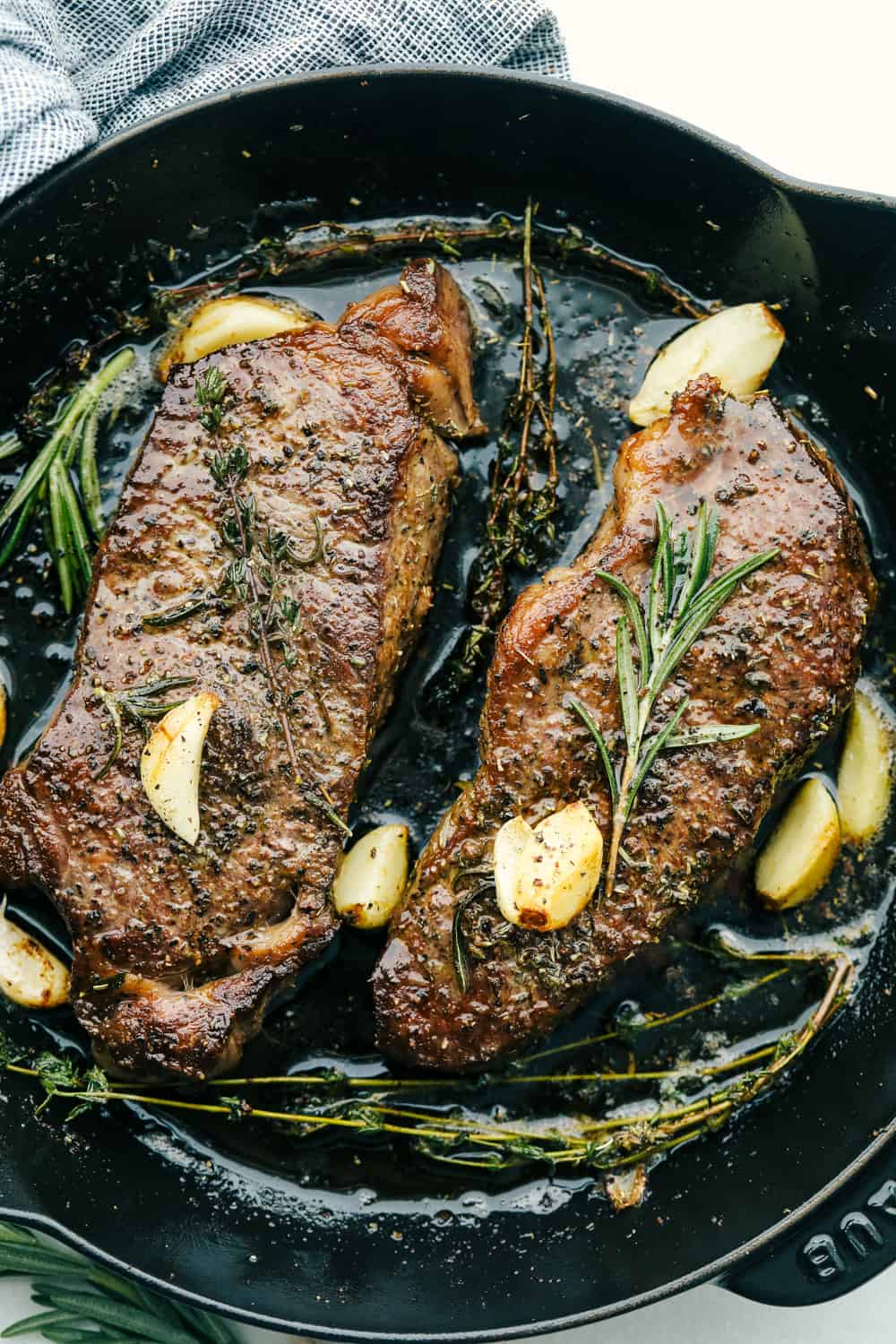
- Season Generously: Use coarse salt and freshly ground black pepper. Don’t be shy; a good steak can handle it.
- High Heat Sear: Heat a cast-iron skillet or grill to very high heat. Add a high smoke point oil like grapeseed or avocado oil. Sear the steak for 2-4 minutes per side, creating a beautiful crust.
- Finish in Oven (Optional but Recommended): For thicker steaks, transfer the skillet to a preheated oven (375-400°F / 190-200°C) to finish cooking to your desired internal temperature. Use a meat thermometer for accuracy.
- Rest, Rest, Rest: This step cannot be overemphasized. Transfer the steak to a cutting board, tent loosely with foil, and let it rest for at least 5-10 minutes. This allows the juices to redistribute, ensuring a tender and moist result.
- Slice Against the Grain: When carving, always slice perpendicular to the muscle fibers.
By following these guidelines, you can recreate a tender and flavorful New York Strip experience, a testament to the fact that while the vibrant backdrop of New York City adds an undeniable magic, the core elements of a great steak are universal.
In conclusion, the answer to “Is New York Steak tender?” is a resounding yes, provided it’s the right cut, properly aged, and expertly prepared. A trip to New York City offers the ultimate stage for this culinary delight, blending world-class tourism and travel with the rich lifestyle of a city that truly celebrates food. Whether you’re savoring a dry-aged masterpiece in a historic steakhouse or meticulously preparing one in your own kitchen, the New York Strip promises a tender, flavorful, and unforgettable experience.
LifeOutOfTheBox is a participant in the Amazon Services LLC Associates Program, an affiliate advertising program designed to provide a means for sites to earn advertising fees by advertising and linking to Amazon.com. Amazon, the Amazon logo, AmazonSupply, and the AmazonSupply logo are trademarks of Amazon.com, Inc. or its affiliates. As an Amazon Associate we earn affiliate commissions from qualifying purchases.