
Venturing through the sun-kissed landscapes of California, a state synonymous with iconic road trips, sprawling metropolises, and breathtaking natural wonders, often involves a key ingredient: gasoline. For anyone planning a journey, whether it’s a leisurely drive along the Pacific Coast Highway, an adventure to Yosemite National Park’s majestic peaks, or a vibrant urban exploration of Los Angeles or San Francisco, understanding the fuel landscape is paramount. The question “How much gas in California?” isn’t just about volume; it encompasses price, availability, and the overall impact on your travel budget and experience.
California is a unique destination, offering everything from luxury resorts and boutique hotels to budget-friendly accommodations, all set against a backdrop of diverse attractions. From historical landmarks to world-renowned theme parks, the Golden State beckons with endless possibilities. However, the cost of fuel can significantly influence how you navigate and enjoy these experiences. This comprehensive guide will delve into what travelers need to know about gas in California, helping you plan a seamless and budget-conscious adventure.

The Golden State’s Fuel Landscape: Understanding Prices and Availability
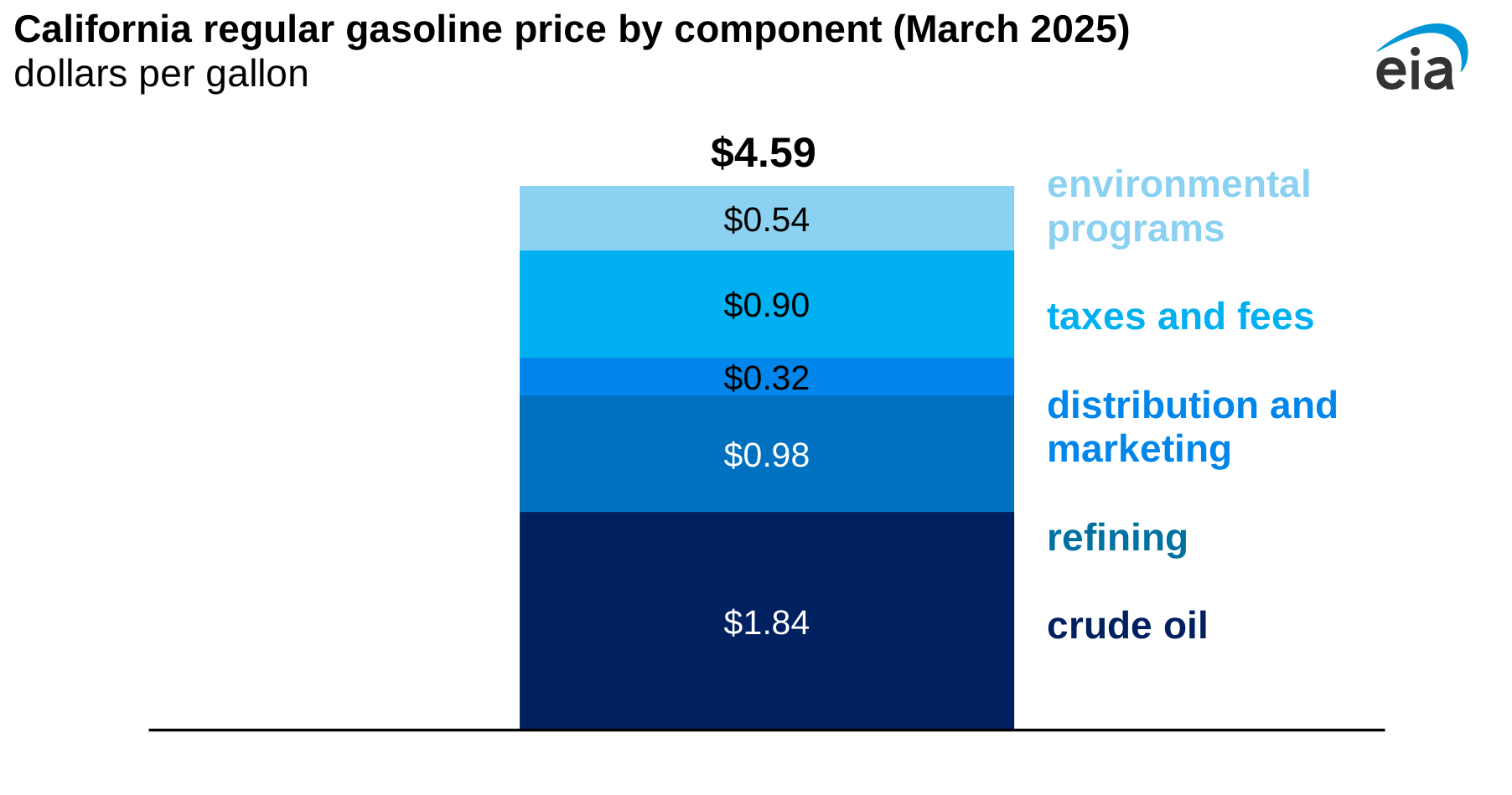
California consistently reports some of the highest gasoline prices in the United States. This isn’t a mere coincidence but a result of several interconnected factors that every traveler should be aware of. Knowing why prices are higher here can help manage expectations and plan accordingly.
Decoding California’s Gas Prices
Several key elements contribute to the elevated cost of fuel in the Golden State:
- Taxes: California levies some of the highest gasoline taxes in the nation, including state excise taxes, sales taxes, and various environmental fees. These taxes fund crucial infrastructure projects and environmental initiatives, but they add a substantial amount to the pump price.
- Environmental Regulations: The state has stringent environmental regulations aimed at reducing air pollution. This requires refineries to produce a unique blend of gasoline known as “California blend” or “CARB gasoline,” which is cleaner-burning. This specialized fuel is more expensive to produce and has limited supply sources, further driving up costs.
- Refinery Capacity and Location: Most of California’s fuel is refined within the state or imported from neighboring areas. Disruptions to refinery operations, whether due to maintenance, unexpected outages, or natural disasters, can immediately impact supply and cause price spikes. The relative isolation of California’s fuel market from the rest of the U.S. also limits the ability to easily import cheaper fuel.
- Crude Oil Prices: While global crude oil prices affect all gasoline markets, California’s specific refining needs can sometimes exacerbate the impact of crude price fluctuations.
- Market Dynamics: Local competition, demand fluctuations (especially during peak travel seasons), and distribution costs also play a role in setting prices at the pump.
Travelers will notice that prices can vary significantly even within California, with urban centers and popular tourist destinations often having higher prices than more rural areas. Always factor in these higher costs when budgeting for your road trip or local excursions.
Where to Find Fuel
Gas stations are plentiful throughout California’s well-developed infrastructure. Major highways, towns, and cities have frequent fueling opportunities. However, awareness is key, especially when venturing into remote areas or national parks.
- Urban and Suburban Areas: In cities like San Diego, Sacramento, or the sprawling Los Angeles metropolitan area, you’ll find an abundance of gas stations. Competition is generally higher, and prices, while still elevated compared to other states, might be slightly more varied.
- Along Major Highways: Interstates like I-5, I-10, and Highway 101, as well as scenic routes like Highway 1, are dotted with service stations at regular intervals. However, the spacing might be wider in less populated sections.
- National Parks and Remote Regions: When planning visits to destinations like Death Valley National Park, Yosemite, or sections of Big Sur along the Pacific Coast Highway, it’s crucial to fill up before entering these areas. Gas stations within national parks or very remote regions are scarce, and when found, prices are typically significantly higher due to limited competition and increased transportation costs. Always keep an eye on your fuel gauge and plan your refills strategically.
Navigating California by Car: Travel Considerations
For many, exploring California is synonymous with hitting the open road. From the vineyards of Napa Valley to the pristine shores of Lake Tahoe, a car offers unparalleled freedom to discover the state’s diverse attractions. However, the cost of gas in California means that meticulous planning is essential to ensure your travel budget stretches as far as your wanderlust.
Essential Road Trip Budgeting
When mapping out your California adventure, particularly a multi-day road trip, integrating gas costs into your budget from the outset is non-negotiable.
- Estimate Your Mileage: Use online mapping tools to calculate the total mileage for your planned itinerary. Factor in any detours, scenic routes, and local driving once you reach your destinations.
- Calculate Fuel Consumption: Know your vehicle’s average miles per gallon (MPG). If you’re renting a car, check the MPG for the specific model you intend to use. Divide your total estimated mileage by your vehicle’s MPG to get an estimate of the total gallons of fuel required.
- Research Average Gas Prices: Utilize apps like GasBuddy or AAA to research current average gas prices in the regions you plan to visit. Remember to account for California’s higher prices. Multiply the estimated gallons needed by the average price per gallon to arrive at a rough fuel cost.
- Add a Buffer: Always add a 15-20% buffer to your fuel budget for unexpected detours, higher-than-anticipated prices, or additional local driving.
By thoroughly planning your fuel expenses, you can avoid financial surprises and allocate funds more effectively to other aspects of your trip, such as accommodation, dining, and activities.
Popular Routes and Fuel Stops

California boasts some of the most iconic road trip routes in the world. Knowing where to expect fuel stops can enhance your journey and prevent unnecessary stress.
- The Pacific Coast Highway (Highway 1): This legendary route, especially the stretch through Big Sur, is celebrated for its dramatic coastal views. While incredibly scenic, gas stations can be sparse and expensive in certain segments. Plan to fill up in towns like Monterey, Carmel-by-the-Sea, or San Simeon before embarking on longer stretches.
- National Parks Loop (Yosemite, Death Valley, Sequoia & Kings Canyon): Exploring California’s stunning national parks often involves significant driving between and within the parks. Gas stations are limited inside the parks, and prices are typically at a premium. Always fill up in gateway towns such as Mariposa (for Yosemite), Lone Pine (for Death Valley), or Three Rivers (for Sequoia National Park).
- Wine Country (Napa & Sonoma Valleys): While a delightful destination, exploring the numerous wineries means a fair bit of driving. Fuel stations are readily available in towns like Napa, Sonoma, and Santa Rosa, but it’s wise to keep your tank topped up.
- Southern California Theme Parks and Beaches: Navigating the busy urban sprawl around Los Angeles to reach attractions like Disneyland, Universal Studios Hollywood, or the beaches of Santa Monica and Laguna Beach will involve considerable driving. Gas stations are abundant, but traffic can be a major factor, impacting fuel efficiency.
Beyond the Pump: Alternative Transportation and Sustainable Travel
While driving is quintessential to many California experiences, it’s not always the only or most efficient option, especially given the state’s gas prices. Embracing alternative modes of transport can not only save you money but also enhance your travel experience and contribute to more sustainable tourism.
Embracing Public Transit
Major California cities boast extensive public transportation networks that can be excellent alternatives to driving.
- San Francisco: The Bay Area Rapid Transit (BART) connects San Francisco with the East Bay, and the Muni system (buses, streetcars, historic F-Line, and cable cars) offers comprehensive coverage within the city. Using public transit here can save you a fortune on gas and expensive parking.
- Los Angeles: While traditionally known for its car culture, Los Angeles has significantly expanded its Metro Rail and bus networks. You can reach key attractions like Hollywood, Downtown LA, and even some beach cities using public transport, although some journeys might require transfers.
- San Diego: The San Diego Trolley and bus system provide good coverage, connecting Downtown, Balboa Park, and various neighborhoods.
- Intercity Travel: Amtrak offers scenic train routes along the coast and inland, connecting major California cities, providing a relaxing way to cover long distances without worrying about gas or traffic.
The Electric Vehicle Revolution in California
California is a global leader in electric vehicle (EV) adoption and infrastructure. For environmentally conscious travelers or those interested in experiencing the future of motoring, renting an EV can be a compelling option.
- Extensive Charging Network: The state boasts an impressive network of EV charging stations, including Tesla Superchargers and public chargers from various providers. Planning your charging stops is essential, similar to planning gas stops, but the availability is growing rapidly. Many hotels and accommodations also offer EV charging as an amenity, which is a great bonus for guests.
- Cost Savings: While the initial rental cost for an EV might sometimes be slightly higher, the savings on fuel (electricity is significantly cheaper than California gasoline) can make it a very economical choice for longer trips.
- Environmental Impact: Choosing an EV aligns with a sustainable travel lifestyle, reducing your carbon footprint and contributing to cleaner air in the beautiful regions you visit.
- HOV Lane Access: Many EVs qualify for single-occupant access to California’s High Occupancy Vehicle (HOV) lanes, which can be a massive time-saver in congested traffic areas.
Consider car-sharing services like Zipcar or ride-sharing apps like Uber and Lyft for shorter urban excursions, further reducing the need for your own vehicle and the associated fuel costs.
Maximizing Your California Adventure: Tips for Fuel Efficiency
Even if a car is indispensable for your California itinerary, there are numerous ways to mitigate the impact of high gas prices by improving your fuel efficiency. Smart planning and driving habits can lead to significant savings, allowing you to allocate more of your budget to experiences and memories.
Smart Driving Habits
How you drive significantly affects your vehicle’s fuel consumption. Adopting a few simple habits can make a big difference.
- Maintain a Steady Speed: Aggressive driving, characterized by rapid acceleration and hard braking, is a major fuel guzzler. Maintain a consistent speed, especially on highways, and use cruise control whenever possible. Each time you accelerate, your engine uses more fuel.
- Avoid Excessive Idling: If you anticipate being stopped for more than 30 seconds (e.g., waiting for someone, at a long train crossing), it’s generally more fuel-efficient to turn off your engine than to let it idle. Modern cars restart quickly and efficiently.
- Anticipate Traffic: Look ahead and anticipate traffic flow. Gradual braking and acceleration are not only safer but also conserve fuel. In congested California traffic, this can save a lot of gas and reduce stress.
- Proper Tire Pressure: Underinflated tires increase rolling resistance, forcing your engine to work harder and consume more fuel. Check your tire pressure regularly and ensure it matches the manufacturer’s recommended levels (usually found on a sticker inside the driver’s side door jamb or in the owner’s manual).
- Lighten Your Load: Remove any unnecessary weight from your vehicle. Extra luggage, sports equipment, or other items stored in the trunk or on the roof rack increase drag and weight, leading to higher fuel consumption.
- Use Air Conditioning Sparingly: While essential in California’s hot climates, running the air conditioner puts an extra load on the engine. On cooler days or at lower speeds, consider opening windows instead, though at highway speeds, open windows can create more drag than the AC uses.
Leveraging Technology for Savings
Modern technology offers several tools to help you find the best gas prices and optimize your routes.
- Gas Price Apps: Download and use apps like GasBuddy or Waze. These apps provide real-time gas prices at stations near your current location or along your planned route, allowing you to comparison shop and potentially save a considerable amount over the course of your trip. Some apps also offer loyalty programs or discounts.
- Navigation Apps with Traffic Data: Utilize navigation apps such as Google Maps or Waze, which offer real-time traffic updates. Avoiding congested routes can not only save you time but also reduce stop-and-go driving, which is less fuel-efficient.
- Vehicle Telematics/Fuel Economy Displays: Many modern rental cars come equipped with onboard computers that display real-time fuel economy. Pay attention to these indicators to understand how your driving habits impact your MPG and adjust accordingly.
In conclusion, while the question “How much gas in California?” might initially evoke thoughts of higher prices, a well-informed traveler can easily navigate the state’s fuel landscape. By understanding the factors influencing gas costs, planning routes strategically, considering alternative transportation, and practicing fuel-efficient driving habits, your California adventure can remain focused on creating unforgettable memories rather than worrying about the cost at the pump. Embrace the journey, and the diverse wonders of the Golden State await.
LifeOutOfTheBox is a participant in the Amazon Services LLC Associates Program, an affiliate advertising program designed to provide a means for sites to earn advertising fees by advertising and linking to Amazon.com. Amazon, the Amazon logo, AmazonSupply, and the AmazonSupply logo are trademarks of Amazon.com, Inc. or its affiliates. As an Amazon Associate we earn affiliate commissions from qualifying purchases.