
California, often hailed as the “Golden State“, is a land of unparalleled diversity, innovation, and natural beauty. From the sun-drenched beaches of Southern California to the majestic forests of Northern California, its allure as a premier destination for travel, tourism, and lifestyle is undeniable. It boasts a dynamic economy, a hub for technology and entertainment, and a vibrant cultural tapestry that attracts millions of visitors and residents alike. However, behind the facade of prosperity, a crucial question often surfaces: “How much is California in debt?”
Understanding the financial health of the state is not merely an exercise in economics; it’s a lens through which we can better appreciate the resources allocated to maintaining its world-class infrastructure, preserving its iconic landmarks, funding its public services, and ultimately, shaping the experience for travelers and the quality of life for its inhabitants. The state’s fiscal landscape directly influences everything from the condition of its roads and airports to the upkeep of its national parks and the development of new attractions and accommodations. While discussions of debt can often seem abstract, their real-world implications ripple through every facet of the California experience, impacting hotels, tourism initiatives, and the broader lifestyle ecosystem. This article delves into the complexities of California’s debt, examining its nature, its scale, and its profound connections to the state’s appeal as a global travel destination.
Understanding California’s Fiscal Landscape
California’s economy is gargantuan, often ranked as the fifth-largest in the world, surpassing many sovereign nations. This economic powerhouse generates immense wealth, but it also comes with significant responsibilities and expenditures. To grasp the concept of California’s debt, it’s essential to look beyond a single, simple figure and understand the various components that contribute to its overall financial obligations.
The Nuances of State Debt
When we talk about state debt, we’re typically referring to several categories of financial obligations. The most commonly cited is bond debt, which includes general obligation bonds and revenue bonds. General obligation bonds are backed by the full faith and credit of the state, meaning they are repaid from the state’s general fund, primarily through tax revenues. These are often used to finance major infrastructure projects like roads, schools, and public buildings. Revenue bonds, on the other hand, are repaid from the revenue generated by the projects they finance, such as toll roads or public utilities.
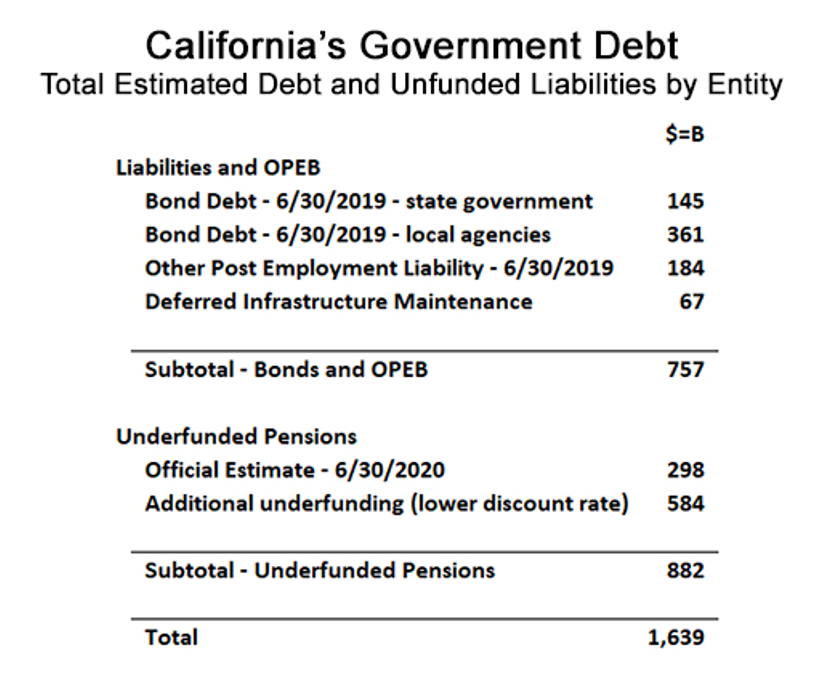
Beyond traditional bond debt, a significant portion of California’s financial obligations stems from unfunded liabilities. The largest of these are public employee pension liabilities and healthcare benefits for retired state workers. These are promises made for future payments that have not been fully funded in the present. While not strictly “debt” in the same way a bond is, they represent substantial long-term financial commitments that must be managed.
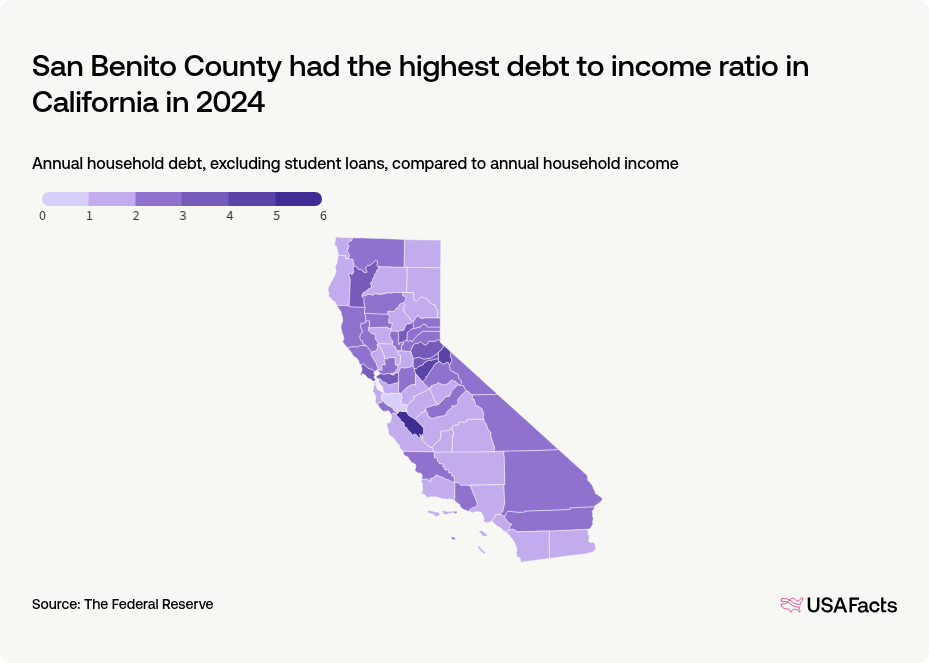
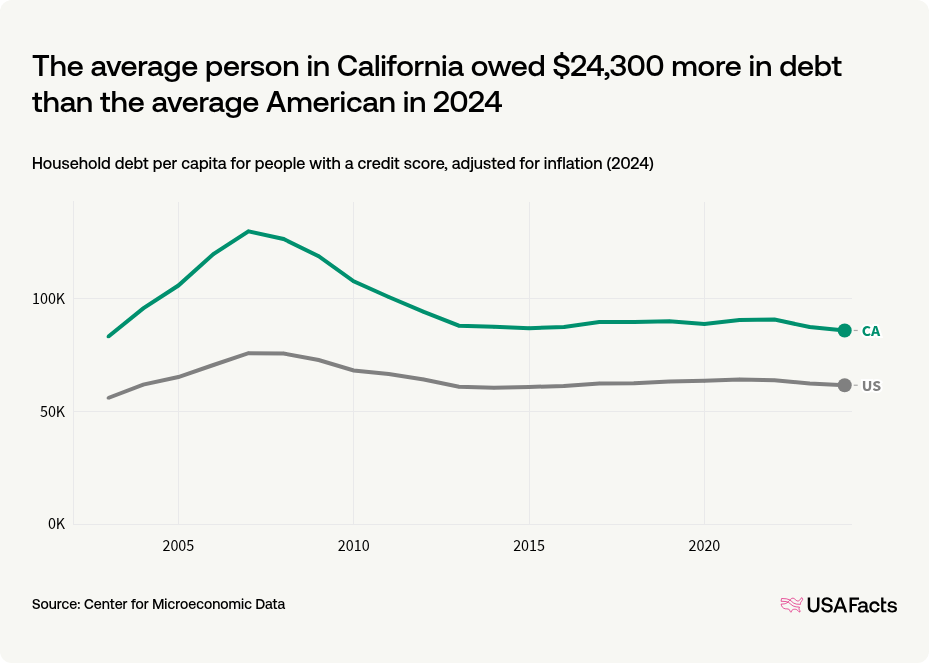
As of recent reports, California’s total governmental debt, encompassing various types of bonds and other obligations, can easily run into the hundreds of billions of dollars. For instance, direct bond debt might hover around $100-$150 billion, while unfunded pension and healthcare liabilities could add several hundred billion more, pushing the total long-term obligations well over half a trillion dollars. It’s a staggering sum, but it’s crucial to contextualize it against the state’s massive Gross State Product (GSP) of over $3.6 trillion and its robust tax base. Economists and policymakers continuously debate the “sustainability” of this debt relative to the state’s ability to pay and its economic growth prospects.
Key Drivers of Debt and Expenditure
What drives such substantial financial obligations? California’s unique position as a leader in social progress, environmental stewardship, and technological innovation necessitates considerable investment. Key drivers include:
- Infrastructure Development: Building and maintaining roads, bridges, public transportation systems (like the ambitious California High-Speed Rail project), water infrastructure (critical in a drought-prone state), and public facilities requires colossal capital. These investments are vital for supporting the economy, facilitating trade, and enhancing the travel experience.
- Education: As the most populous state in the United States, California invests heavily in its public education system, from K-12 schools to its world-renowned universities.
- Healthcare and Social Programs: Providing healthcare, housing assistance, and other social safety nets for a diverse population is a significant and growing expense.
- Environmental Protection: California is a global leader in combating climate change and protecting its natural resources. These initiatives, while crucial, require substantial financial outlay.
- Pension and Retiree Benefits: As mentioned, funding the retirement benefits for a large public workforce is a long-term commitment that strains the state budget annually.
The cyclical nature of California’s economy, heavily reliant on capital gains from its tech sector, also plays a role. During boom times, tax revenues surge, allowing for increased spending or debt reduction. However, economic downturns can lead to significant revenue shortfalls, exacerbating debt concerns and sometimes forcing difficult budget cuts or increased borrowing.
The Ripple Effect on Travel and Tourism
For a state so deeply intertwined with the global travel and tourism industry, California’s’s financial health has tangible implications for visitors and businesses alike. From the condition of major travel hubs to the allure of its famous attractions, debt management directly impacts the tourist experience.
Impact on Infrastructure and Accessibility
A healthy state budget allows for continuous investment in critical infrastructure, which is the backbone of any thriving tourism industry. This includes:
- Airports: Major gateways like Los Angeles International Airport (LAX) and San Francisco International Airport (SFO) require constant upgrades to handle increasing passenger volumes and offer modern amenities. Efficient, well-maintained airports are crucial for first impressions and seamless travel. Delays in infrastructure projects due to funding constraints can lead to bottlenecks and a less pleasant experience for travelers.
- Roads and Highways: California’s scenic drives, such as the iconic Pacific Coast Highway, are major attractions. Maintaining these vital arteries, along with urban freeway systems, ensures smooth transit for tourists exploring diverse regions from San Diego to Napa Valley. Potholes and congestion, often a symptom of underfunded maintenance, can detract significantly from the joy of a road trip.
- Public Transportation: In metropolitan areas like Los Angeles and San Francisco, robust public transport systems are essential for both residents and tourists looking to navigate busy cities efficiently and sustainably, without the hassle of driving and parking.
Preserving California’s Iconic Landmarks and Natural Beauty
California’s identity is inseparable from its stunning natural landscapes and man-made marvels. Effective state management ensures these treasures remain accessible and pristine for generations to come.
- National and State Parks: Yosemite National Park, Death Valley National Park, Big Sur, and the state park system are critical tourism drawcards. Debt and budget constraints can impact staffing, trail maintenance, visitor center operations, and conservation efforts. Investing in these areas not only preserves natural beauty but also enhances the visitor experience, making trips more enjoyable and safe.
- Cultural and Historical Sites: Landmarks like the Golden Gate Bridge, the Hollywood Sign, Santa Monica Pier, and world-class museums such as the Getty Center in Los Angeles or the various institutions in San Francisco, require consistent funding for maintenance, security, and interpretive programs. A well-managed state can ensure these attractions continue to draw crowds and tell their stories effectively.
- Theme Parks and Entertainment Hubs: While largely privately funded, the overall economic climate of the state, influenced by its debt levels, can indirectly affect consumer spending and corporate investment in major attractions like Disneyland in Anaheim or Universal Studios Hollywood. A thriving state economy fosters a favorable environment for these entertainment powerhouses.
The Hotel and Accommodation Sector
The accommodation sector, from luxury hotels to charming boutique inns, thrives on a vibrant tourism economy. While hotels are largely private enterprises, the state’s financial health and infrastructure directly support their success.
- Investment Climate: A stable and growing state economy, supported by responsible fiscal management, creates an attractive investment climate for hotel developers. This leads to new hotels, renovations, and diverse accommodation options that cater to every type of traveler – from budget-conscious adventurers to those seeking the ultimate luxury experience at resorts like the Ritz-Carlton Laguna Niguel in Orange County or a Four Seasons property in Santa Barbara.
- Quality of Surroundings: The appeal of staying in a particular city or region is significantly influenced by the quality of its public spaces, safety, and amenities, all of which are affected by state and local government funding. Well-maintained parks, clean streets, and efficient public services enhance the overall guest experience.
- Tourism Promotion: State-funded tourism initiatives play a crucial role in marketing California globally, attracting visitors who then fill hotel rooms and patronize local businesses. These efforts often see their budgets influenced by the state’s broader financial situation.
Investing in California’s Future: Infrastructure and Lifestyle
Debt, when managed strategically, is not inherently negative. In many cases, it represents an investment in the future, funding projects that yield long-term economic and social benefits. California’s approach to debt often reflects its ambition to remain at the forefront of innovation and quality of life.
Strategic Spending and Economic Development
Smart debt utilization can power transformational projects that boost economic development and enhance California’s competitive edge.
- High-Speed Rail: While contentious, the California High-Speed Rail project aims to connect major metropolitan areas like San Francisco, Los Angeles, and Sacramento, with the goal of reducing travel times, fostering regional economic growth, and offering a sustainable travel option. Funding for such massive undertakings often involves significant bond issuance.
- Renewable Energy Initiatives: California’s commitment to green energy involves substantial public and private investment. This creates jobs, reduces environmental impact, and attracts businesses focused on sustainability.
- Digital Infrastructure: Investments in broadband and digital connectivity across the state ensure that even remote areas, potentially appealing for ecotourism or digital nomad lifestyles, are well-connected.
These strategic investments not only serve the immediate needs of residents but also lay the groundwork for future tourism growth by improving accessibility, introducing new attractions, and creating a more modern and efficient state.
Enhancing the Lifestyle Experience for Residents and Visitors
A state’s financial health is intrinsically linked to the lifestyle it offers. A well-managed budget allows for better public services, safer communities, and a richer cultural landscape, all of which contribute to an enhanced experience for both residents and visitors.
- Public Safety and Services: Adequate funding for law enforcement, emergency services, and public health ensures that California remains a safe and welcoming place.
- Cultural and Recreational Opportunities: Investments in parks, libraries, museums, and community centers enrich the social fabric of cities and towns, offering diverse activities for locals and tourists. Consider the vibrant arts scene in San Francisco, the diverse culinary offerings in Los Angeles, or the outdoor adventures available around Lake Tahoe and the Sierra Nevada Mountains.
- Diverse Lifestyles: California is a mosaic of lifestyles. From the tech-driven pace of Silicon Valley to the laid-back surf culture of Ventura, the wine country elegance of Napa Valley and Sonoma Valley, or the desert chic of Palm Springs, the state’s policies and investments support this diversity. For visitors, this translates into an incredible array of experiences, accommodations, and local cultures to explore.
Navigating California’s Economic Horizon
California’s journey with its debt is an ongoing balancing act, a constant negotiation between immediate needs and long-term aspirations. The state’s leaders continually strive to balance fiscal responsibility with the imperative for growth and the delivery of high-quality public services.
Balancing Fiscal Responsibility with Growth
The state government, led from Sacramento, regularly assesses its financial position, issuing reports and enacting budgets that aim to address its obligations while funding essential services and forward-looking projects. Economic fluctuations, particularly in the tech sector of San Jose, Oakland, and the greater San Francisco Bay Area, heavily influence tax revenues and, consequently, the state’s capacity to manage its debt. Initiatives to diversify revenue streams, improve spending efficiency, and prudently manage long-term liabilities are always on the agenda.
The interplay between innovation, a strong job market (especially in cities like Los Angeles, San Diego, Fresno, and Riverside), and careful financial planning is critical. California’s’s economic resilience, driven by its entrepreneurial spirit and diverse industries, plays a crucial role in its ability to manage debt effectively.
What it Means for the Traveler
For the discerning traveler, the existence of state debt, while a significant financial issue, does not diminish California’s’s immense appeal. The state continues to invest in the infrastructure and attractions that make it a world-class destination. The vibrant energy of Hollywood, the tranquility of Catalina Island, the cultural richness of Monterey and Carmel-by-the-Sea, and the natural wonders of the Central Valley remain as captivating as ever.
Tourists, in fact, play a vital role in California’s’s economic health. By staying in hotels, dining at local restaurants, visiting attractions, and purchasing goods, they contribute tax revenue that helps the state meet its financial obligations and continue investing in the very things that make it so attractive. The tourism industry supports countless jobs and generates billions of dollars annually, acting as a crucial economic engine for the state.
In conclusion, while “How much is California in debt?” is a complex question with no simple answer, it’s clear that the state manages substantial financial obligations. However, California’s robust economy, strategic investments, and enduring appeal as a global hub for innovation, culture, and natural beauty mean it continues to thrive. For travelers, this translates into a destination that consistently offers unparalleled experiences, world-class accommodations, and a diverse range of activities, all underpinned by a dynamic state that, despite its fiscal complexities, remains committed to its future. So, pack your bags and explore the Golden State – your visit contributes directly to its continued vibrancy and prosperity.
LifeOutOfTheBox is a participant in the Amazon Services LLC Associates Program, an affiliate advertising program designed to provide a means for sites to earn advertising fees by advertising and linking to Amazon.com. Amazon, the Amazon logo, AmazonSupply, and the AmazonSupply logo are trademarks of Amazon.com, Inc. or its affiliates. As an Amazon Associate we earn affiliate commissions from qualifying purchases.