
California has long captivated the hearts and imaginations of people worldwide. From the sun-drenched beaches of Southern California to the majestic redwoods of the north, and from the vibrant urban energy of Los Angeles and San Francisco to the serene beauty of Yosemite National Park, the Golden State offers an unparalleled tapestry of experiences. Travelers flock here for its iconic landmarks, diverse destinations, world-class tourism opportunities, and distinct lifestyle options, ranging from opulent luxury travel to adventurous budget travel.
However, beneath the allure of endless summer and innovation lies a financial reality that anyone considering an extended stay, remote work, or even full relocation must understand: California’s state income tax. Often cited as one of the highest in the United States, this tax structure can significantly impact your financial planning, whether you’re a digital nomad exploring new horizons, a professional considering a temporary work assignment, or simply dreaming of a permanent move to this remarkable state.
Understanding how California’s state income tax works is not just for accountants; it’s a crucial piece of the puzzle for anyone looking to fully enjoy and sustainably afford the Golden State lifestyle. This guide will demystify California’s income tax system, offering insights relevant to travelers, remote workers, and those contemplating a deeper connection with this iconic state, ensuring your focus remains on experiencing its wonders, not deciphering its tax codes.
Understanding California’s Progressive Tax System: The Basics
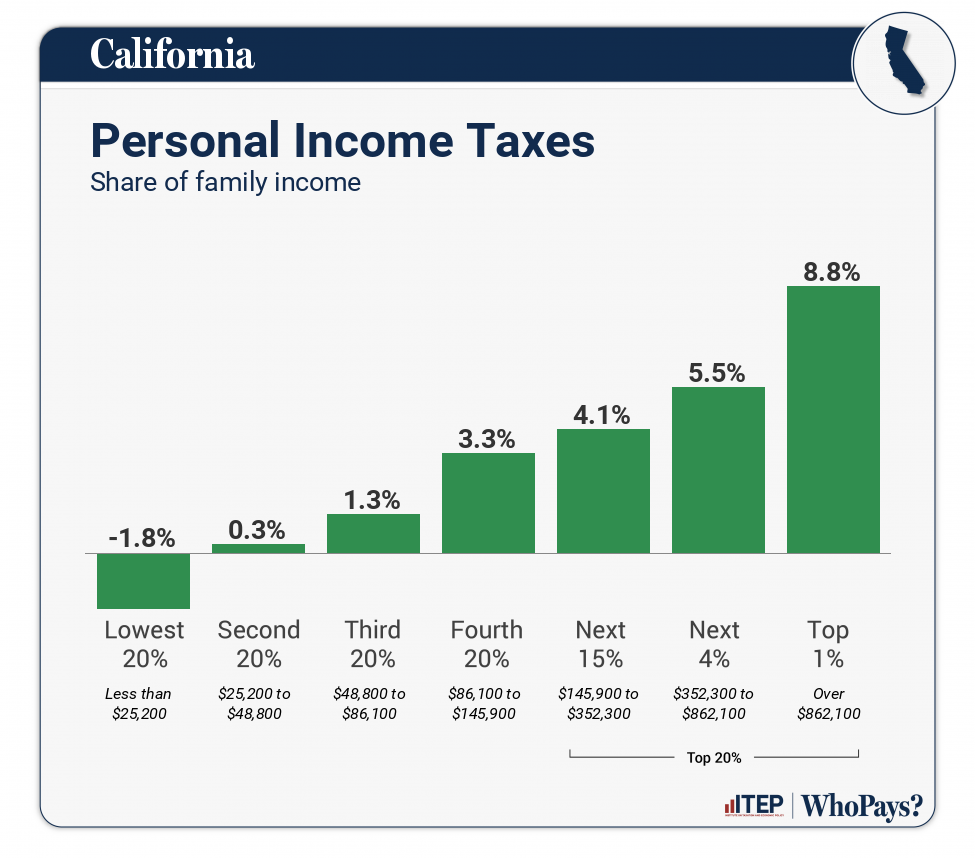
California’s income tax system is famously progressive, meaning that as your income increases, so does the percentage of that income you pay in taxes. This system is designed to ensure that those with higher earning capacities contribute a larger share to state revenues, which in turn fund a vast array of public services, from infrastructure development to environmental conservation efforts that protect California’s’s natural beauty and maintain its popular attractions.
For a traveler or digital nomad, even if your primary residence is elsewhere, understanding this progressive structure is vital. Your tax liability isn’t just a flat rate; it’s a tiered system that could significantly reduce your take-home pay if you earn income while physically present in the state, or establish residency here. The progressive nature also means that high-earners, often drawn to Silicon Valley’s tech opportunities or Hollywood’s entertainment industry, will face a higher effective tax rate.
Key Tax Brackets and Rates for Individuals
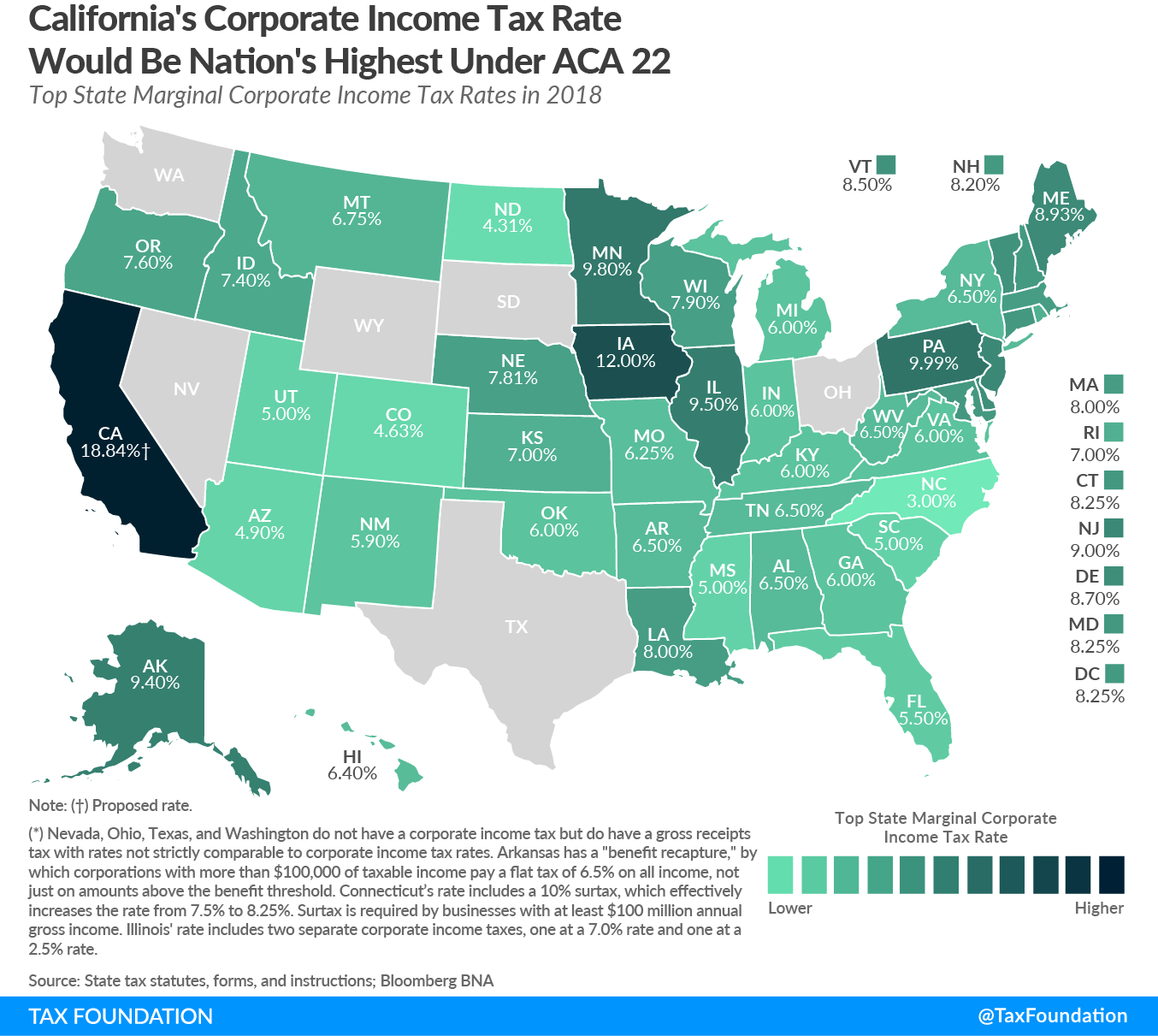
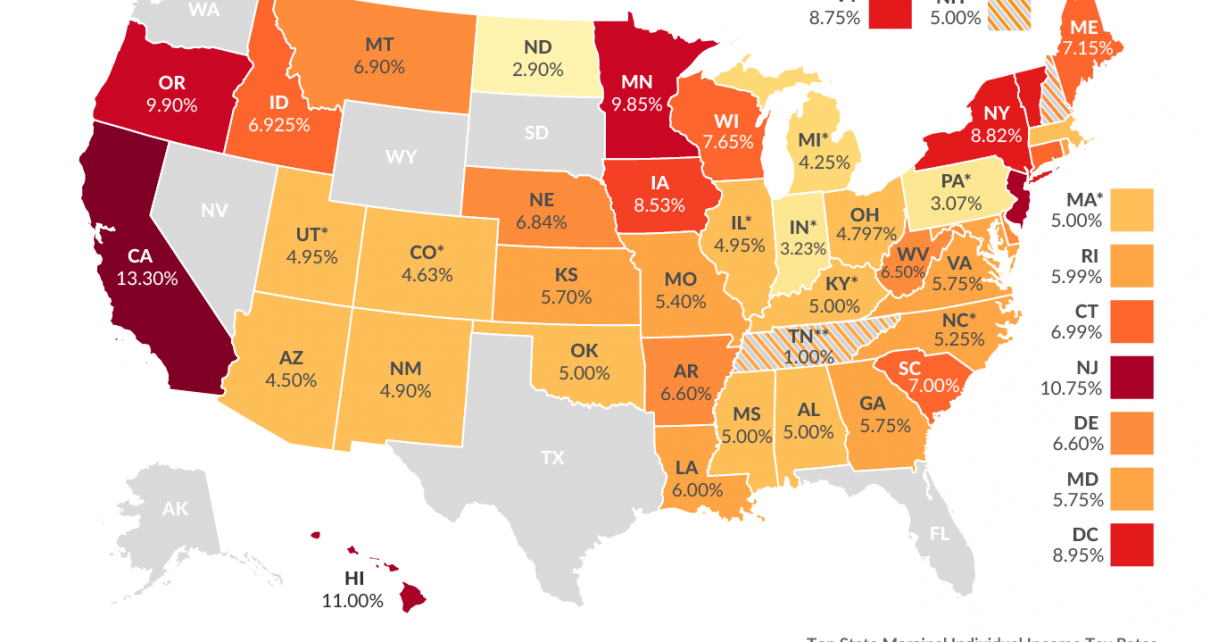
California’s individual income tax rates can vary, and they are adjusted annually for inflation. However, the system generally features a series of brackets, starting at a relatively low rate for lower incomes and climbing significantly for higher incomes. Historically, the top marginal income tax rate in California has been among the highest in the nation, exceeding 13% for the highest earners. This rate applies to income above a certain threshold, meaning only a portion of a high income is taxed at the highest bracket, while lower portions are taxed at progressively lower rates.
For instance, someone earning a modest income from a seasonal job in a California resort town like South Lake Tahoe or Palm Springs would likely fall into a lower bracket than an executive working for a tech giant in San Jose. This differentiation is key. It’s not just “high taxes in California”; it’s a nuanced system where your specific income level dictates your tax burden. Many visitors might assume a simple tax structure, but the progressive system can be a steep learning curve.
Beyond Income Tax: Other Financial Considerations
While state income tax is a primary concern, it’s essential to remember that it’s not the only financial factor at play when considering a California experience. The state also has a relatively high sales tax, which affects the cost of goods and services – from dining out in Napa Valley to purchasing souvenirs at Disneyland. Property taxes, while not directly impacting short-term travelers, are a significant consideration for those planning to invest in real estate or rent long-term. The cost of living, particularly for accommodation in popular areas like San Francisco, Los Angeles, or coastal towns, can be substantially higher than in many other parts of the United States.
Understanding these various financial layers provides a holistic view of the economic landscape in California. It’s not just about what you earn, but also what you spend and how those expenditures are taxed. For anyone planning a budget, these combined factors paint a clearer picture of the real cost of enjoying the Golden State experience, whether you’re staying in luxurious hotels in Beverly Hills or exploring boutique accommodations in Carmel-by-the-Sea.
Residency vs. Non-Residency: Navigating Tax Status in the Golden State
One of the most critical aspects of California’s income tax system, particularly for travelers, digital nomads, and those considering relocation, is the distinction between a resident and a non-resident for tax purposes. This classification dictates whether you are taxed on all your income (worldwide income for residents) or just income sourced from California (for non-residents). The rules can be complex and are not always intuitive, making it essential to understand the nuances before planning your extended stay or professional engagement.
Many individuals assume that if they maintain a home in another state or country, they automatically remain non-residents of California. However, California has broad definitions for residency that can pull unsuspecting individuals into its tax net, even if they didn’t intend to establish a permanent domicile. For example, if you spend a significant amount of time in California and have strong ties to the state, even if your primary home is elsewhere, you might be deemed a resident for tax purposes.
Defining California Tax Residency: Key Factors
California’s Franchise Tax Board (FTB) uses a “facts and circumstances” test to determine residency. There isn’t a single factor that definitively makes you a resident; rather, they look at the totality of your connections to the state. Key factors include:
- Amount of Time Spent in California: While there’s no strict number of days, spending nine months or more in California typically creates a presumption of residency. Even shorter periods can lead to residency if other factors are strong.
- Location of Your Permanent Home: Where do you intend to return to when you leave California?
- Location of Your Family: Do your spouse and dependents reside in California?
- Place of Business or Employment: Is your primary work located in California?
- Driver’s License and Vehicle Registration: Do you have a California driver’s license or have your vehicle registered there?
- Voter Registration: Are you registered to vote in California?
- Bank Accounts and Financial Transactions: Do you have California bank accounts or significant financial activity within the state?
- Professional Licenses: Do you hold professional licenses issued by California?
For tourists enjoying a prolonged stay in San Diego or a long-term visitor using Airbnb in Santa Monica, these factors become incredibly relevant. Failing to understand and correctly classify your residency status can lead to unexpected tax liabilities and potential penalties.
Implications for Remote Workers and Digital Nomads
The rise of remote work and the digital nomad lifestyle has added another layer of complexity to California’s residency rules. If you work remotely for an employer based outside of California but choose to live or spend a significant amount of time in the state, you could be deemed a California resident and be subject to tax on all your worldwide income. This is a crucial point that many remote workers, drawn by the state’s vibrant lifestyle and scenic beauty, often overlook.
Conversely, if you are a California resident working remotely for an out-of-state company, your income is still fully taxable by California. The same applies if you’re a self-employed digital nomad generating income from clients anywhere in the world while based in California. The key takeaway for this segment is that physical presence and the establishment of “ties” to the state can quickly trigger residency, regardless of where your clients or employer are located. This makes financial planning for long-term accommodation in a Los Angeles apartment or a San Francisco co-working space more complex than simply calculating rent.
The Golden State Lifestyle: How Taxes Impact Your Travel and Living Budget
California’s income tax, combined with its generally high cost of living, fundamentally shapes the financial landscape for anyone planning to embrace the Golden State lifestyle. Whether you’re planning an extended vacation, contemplating a move for a new job in Sacramento, or merely enjoying a sabbatical in Big Sur, understanding how these financial factors interact with your budget is paramount. It’s not just about finding affordable hotels or villas; it’s about the overall economic impact on your experience.
The higher tax burden means that a larger portion of your earnings will go towards state coffers, leaving less for discretionary spending on travel, tourism, and daily living. This is particularly relevant for those accustomed to lower-tax states or countries, as the sticker shock can be considerable. It necessitates a more diligent approach to budgeting, especially if you aim to enjoy the full spectrum of experiences California has to offer, from gourmet dining in San Francisco’s Mission District to exploring the remote beauty of Joshua Tree National Park.
Budgeting for Your Stay: Accommodation, Food, and Activities
When planning your budget for a California adventure, remember that your net income after taxes will directly influence how much you can allocate to key categories like accommodation, food, and activities. In major metropolitan areas, such as Los Angeles or San Francisco, housing costs – whether for a short-term apartment rental or a long-term lease – are notably high. A higher income tax means you need to earn more gross income just to cover the same expenses after tax, compared to a state with no income tax.
Food expenses can also add up, whether you’re grocery shopping for a self-catered vacation or enjoying the state’s renowned culinary scene. Activities, from theme park tickets at Universal Studios Hollywood to winery tours in Sonoma Valley, all contribute to the overall cost. A well-informed budget will factor in these post-tax realities, ensuring you don’t overextend yourself and can truly savor the experiences without financial stress. Consider exploring more budget-friendly attractions or free activities like hiking along the Pacific Coast Highway if your post-tax budget is tighter.
Luxury vs. Budget Travel: The Tax Factor in Your Choices
The impact of California’s income tax plays out differently depending on your chosen lifestyle and travel style. For those planning luxury travel – perhaps a stay at the iconic Ritz-Carlton, Laguna Niguel or a private villa in Malibu – the high income tax means that a significant portion of a very high income will be diverted. While these individuals may have a larger buffer, the proportional tax bite is still substantial. Understanding this can influence investment decisions, choice of accommodations, and even the duration of their stay if their income is sourced within California.
Conversely, for budget travelers or those working seasonal jobs in tourism hotspots, the income tax might be less impactful in absolute terms, as they fall into lower tax brackets. However, even a small percentage can feel significant when working with a tight budget. They might prioritize hostels over resorts, or seek out free attractions like exploring the Golden Gate Bridge on foot rather than paying for expensive tours. The key is to be aware that your net earning potential in California will always be influenced by its tax structure, regardless of your income level, and plan your experiences accordingly.
Planning Your California Adventure: Specific Scenarios and Tax Considerations
Navigating California’s tax landscape requires foresight, especially for those whose time in the state extends beyond a typical short vacation. Different scenarios, from temporary work assignments to significant investments, trigger distinct tax implications that can greatly affect your overall financial health and the feasibility of your California dreams. It’s about more than just finding the perfect hotel suite or the most scenic hiking trail; it’s about understanding the financial framework governing your stay.
Whether you’re an artist taking on a contract in Hollywood, an entrepreneur launching a startup in San Francisco, or a retiree considering purchasing a second home in Orange County, the tax implications need to be carefully examined. This proactive approach ensures that your California adventure remains exciting and financially stable, rather than becoming burdened by unforeseen tax demands.
Short-Term Engagements and Contract Work
For professionals undertaking short-term engagements, consulting projects, or contract work in California, the tax situation can be particularly tricky. Even if you maintain residency elsewhere, any income earned for services performed within California is generally considered California-sourced income and is taxable by the state. This applies to a wide range of professions, from filmmakers working on a project in Los Angeles to tech contractors temporarily deployed to Silicon Valley.
The duration of your stay and the nature of your work will influence whether you are treated as a non-resident paying tax on California-sourced income or if your cumulative ties lead the FTB to deem you a full resident. It’s crucial to track your time in the state and understand the source of your income. Many such workers might consider seeking extended stay accommodations or corporate apartments, and it’s wise to factor in potential tax withholdings when negotiating contracts and setting your daily rates. Ignoring these rules could lead to significant penalties and interest from the state, overshadowing your professional successes.
Investing in California: Property and Business Considerations
Beyond income from employment, those looking to invest in California’s booming real estate market or launch a business venture also face specific tax considerations. Income generated from California rental properties, for example, is taxable by the state, regardless of your residency status. Similarly, if you establish a business in California, even if you are not a resident, the profits generated by that business within the state are subject to California corporate or business income taxes.
For individuals considering a long-term investment, such as purchasing a vacation home in Laguna Beach or a commercial property in Downtown Los Angeles, property taxes are a significant ongoing expense. California’s property tax system, while constrained by Proposition 13, still adds considerably to the cost of ownership. For entrepreneurs, understanding the state’s corporate tax rates, sales tax requirements, and local business licenses is essential for a successful launch. Thorough financial planning, often involving consultation with local tax professionals, is indispensable for anyone looking to make a substantial investment in the Golden State’s vibrant economy.
Essential Tips and Resources for Navigating California’s Tax Environment
Navigating California’s tax environment can feel daunting, but with the right approach and resources, it’s entirely manageable. The key is proactive planning and, when in doubt, seeking expert advice. This is particularly true for those who have complex income streams, move frequently, or are considering significant financial decisions related to their time in the Golden State. Thinking about taxes early in your travel or relocation process can save you considerable stress and financial headaches down the line.
Here are some essential tips and resources:
- Understand Your Residency Status: This is the foundational step. Review the FTB’s guidelines on residency thoroughly. If you anticipate spending a significant amount of time in California or have ties to the state, assess how these factors might influence your tax residency.
- Keep Meticulous Records: Document all income earned, expenses incurred, and dates of entry/exit from California. This is crucial for both non-residents reporting California-sourced income and for residents proving their residency status.
- Consult with a Tax Professional: For anything beyond basic tax situations, especially if you’re a digital nomad, have complex investments, or are uncertain about your residency, engaging a tax professional specializing in California tax law is highly recommended. They can provide personalized advice and ensure compliance.
- Utilize Official Resources: The California Franchise Tax Board (FTB) website is the authoritative source for all California state tax information. It offers publications, FAQs, and forms that can help clarify specific situations.
- Factor Taxes into Your Budget from the Outset: Whether you’re planning a luxury stay at a five-star resort in Monterey or an extended budget trip through California’s national parks, remember that your gross income isn’t your disposable income. Account for state income tax, sales tax, and potentially other local taxes when budgeting for accommodation, food, and activities.
- Stay Informed: Tax laws can change. Regularly check for updates from the FTB, especially if your plans involve long-term stays or significant financial activity in the state.
While the thought of complex tax laws might seem contrary to the carefree spirit of travel and exploration, a little preparation goes a long way. By understanding the basics of California’s income tax, you empower yourself to make informed decisions, ensuring that your Golden State experience is as financially smooth as it is breathtakingly beautiful. This approach allows you to fully immerse yourself in the local culture of places like San Francisco’s Chinatown, explore historic landmarks like the Alcatraz Island, and enjoy the vibrant food scene without the lingering worry of unexpected tax liabilities.
In conclusion, California’s allure is undeniable, drawing millions with its promise of adventure, innovation, and unparalleled beauty. From the sun-soaked shores of Santa Barbara to the towering redwoods of Northern California, it offers a diverse tapestry for every traveler and aspiring resident. However, embracing the Golden State lifestyle, whether for a fleeting visit or a permanent move, comes with the responsibility of understanding its unique financial landscape, particularly its progressive state income tax. By being aware of your potential tax obligations, understanding the nuances of residency, and leveraging available resources, you can ensure that your California adventure is not only unforgettable but also financially sound, allowing you to focus on creating cherished memories in this iconic part of the United States.
LifeOutOfTheBox is a participant in the Amazon Services LLC Associates Program, an affiliate advertising program designed to provide a means for sites to earn advertising fees by advertising and linking to Amazon.com. Amazon, the Amazon logo, AmazonSupply, and the AmazonSupply logo are trademarks of Amazon.com, Inc. or its affiliates. As an Amazon Associate we earn affiliate commissions from qualifying purchases.