
The question “How old is California?” might seem straightforward, but its answer is as multifaceted and captivating as the state itself. California is not merely 173 years old, counting from its statehood in 1850; its age stretches back through millennia of indigenous habitation, centuries of European exploration, and eons of geological formation. This incredible depth of history imbues the Golden State with a unique character, making it a premier destination for travelers seeking diverse experiences, from ancient natural wonders to cutting-edge urban landscapes. Understanding California’s layered past is key to appreciating its present-day vibrancy, offering a rich tapestry for tourism, cultural immersion, and unforgettable adventures.

From the dramatic seismic shifts that carved its iconic landscapes to the vibrant cultures that thrived on its fertile lands long before recorded history, California’s story is one of continuous evolution. It’s a journey through time that encompasses some of the oldest living organisms on Earth, the vestiges of ancient civilizations, the architectural grandeur of colonial missions, the rugged spirit of the Gold Rush, and the innovative pulse of Silicon Valley. For any traveler, this historical depth enriches every visit, turning a simple vacation into an exploration of time itself.
The Deep Roots: Geological and Prehistoric California
To truly grasp the “age” of California, one must first look beneath the surface, to the powerful geological forces that shaped this land over millions of years, and then delve into the ancient history of its first inhabitants. This prehistoric era laid the foundation for everything that followed, creating the diverse environments that continue to attract visitors from around the globe.
A Land Forged by Time: Geological Origins
Long before any human set foot on its soil, California was a canvas of constant geological transformation. Its age in this context is truly immense, stretching back hundreds of millions of years. The state sits atop the volatile intersection of the Pacific Plate and the North American Plate, a dynamic boundary responsible for the infamous San Andreas Fault and the seismic activity that continues to shape its landscape. These tectonic movements uplifted the majestic Sierra Nevada Mountains, carving out dramatic peaks and valleys that today host world-renowned destinations like [Yosemite National Park](https://lifeoutofthebox.com/yosemite-national Park) and the pristine Lake Tahoe.
The Pacific Coast itself, with its stunning cliffs, hidden coves, and expansive beaches, is a testament to eons of erosion and deposition. Visitors to areas like Big Sur or the Lost Coast are quite literally walking on land that has been molded and remolded by the relentless forces of nature over unimaginable spans of time. These ancient landscapes offer not just breathtaking scenery but also incredible opportunities for eco-tourism, hiking, and exploring the natural history of the planet. From the desolate beauty of Death Valley National Park, one of the hottest places on Earth, to the towering redwoods of Redwood National Park, where some of the world’s oldest and tallest trees stand sentinel, California’s geological heritage is a living museum, making it a prime destination for those interested in natural landmarks and unique outdoor experiences.
Echoes of First Peoples: Indigenous Heritage
The human story of California began far earlier than any European explorer or gold prospector arrived. Indigenous peoples have inhabited this land for at least 13,000 to 15,000 years, making their cultures an integral, ancient layer of California’s age. These diverse groups, numbering hundreds of distinct tribes, developed complex societies, rich spiritual traditions, and sustainable living practices perfectly adapted to the varied environments of the state. Tribes like the Chumash along the southern coast, the Miwok in the Sierra Nevada foothills, the Yokut in the Central Valley, and the Kumeyaay in the south, each contributed to a vibrant tapestry of pre-colonial California.
Their legacy endures in numerous archaeological sites, rock art panels, and cultural centers across the state. Visitors interested in the local culture and history can explore museums such as the California State Indian Museum in Sacramento or the Satwiwa Native American Indian Culture Center near Thousand Oaks. Many contemporary tribal nations in California also offer cultural experiences, including traditional storytelling, craft demonstrations, and powwows, providing invaluable insights into their enduring connection to the land. This deep indigenous history offers a unique dimension to California tourism, encouraging travelers to appreciate the profound spiritual and cultural roots embedded in the landscape, a form of authentic experience often sought by those looking beyond typical attractions.
A Tapestry of Encounters: Exploration and Colonial Eras
Following millennia of indigenous stewardship, California’s age took a dramatic turn with the arrival of Europeans. This period, beginning in the mid-16th century, ushered in an era of exploration, colonization, and eventual statehood, fundamentally reshaping the land and its people. The echoes of these encounters are evident in many of California’s most cherished landmarks and cultural practices today.
European Discovery and Early Settlements
The recorded European “discovery” of California dates back to 1542, when Portuguese explorer Juan Rodríguez Cabrillo, sailing under the Spanish flag, explored the coast and claimed the territory for Spain. However, significant European settlement wouldn’t begin until the late 18th century. Driven by concerns over Russian expansion southward from Alaska and the desire to Christianize indigenous populations, Spain initiated the California mission system.
Under the leadership of Father Junípero Serra, a chain of 21 missions, four presidios (forts), and pueblos (towns) were established from San Diego to Sonoma. These missions, such as Mission San Juan Capistrano, known for its swallows, or Mission Dolores in San Francisco, served as centers for religious conversion, agriculture, and economic activity. Today, these beautiful adobe structures stand as some of California’s most important historical landmarks, offering visitors a tangible link to the colonial past. Many missions are active churches and museums, providing insights into Spanish colonial architecture, art, and the complex history of their interactions with indigenous peoples. Exploring these sites is a fascinating journey into the state’s early European age, appealing to history buffs and those interested in cultural tourism.
Following Mexico’s independence from Spain in 1821, California became a Mexican territory, and the mission lands were secularized, leading to the rise of vast rancho estates. This brief but influential Mexican period left its own mark, particularly in the ranching culture and the names of many California cities and families.
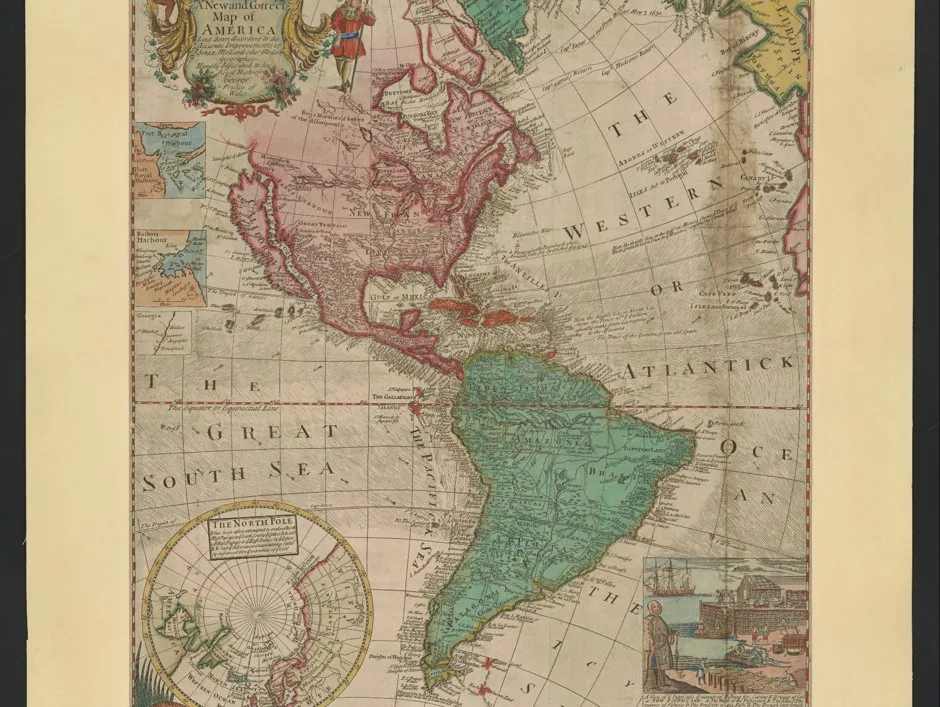
The Gold Rush and the Road to Statehood
The year 1848 marks another pivotal moment in California’s age, one that dramatically accelerated its trajectory onto the world stage. On January 24, 1848, James W. Marshall discovered gold at Sutter’s Mill near Coloma. This discovery, just nine days before the signing of the Treaty of Guadalupe Hidalgo, which ceded California to the United States following the Mexican-American War, ignited the legendary California Gold Rush.
News of gold brought an unprecedented influx of people – the “Forty-Niners” – from across the United States and around the world. Boomtowns sprang up overnight, roads were forged, and cities like San Francisco and Sacramento exploded in size. This rapid growth and diversification of its population quickly qualified California for statehood. On September 9, 1850, a mere two years after the gold discovery, California was admitted to the Union as the 31st state, bypassing the typical territorial phase. This makes California 173 years old as a U.S. state, a remarkably young age given its global influence.
Today, the spirit of the Gold Rush can still be experienced. Columbia State Historic Park offers a living history experience, transporting visitors back to the 1850s, complete with stagecoach rides and costumed interpreters. Towns like Nevada City and Sonora retain much of their historic charm, with preserved buildings and museums detailing the arduous yet exhilarating lives of miners and pioneers. For travelers, these destinations provide a tangible link to a pivotal moment in American history, blending historical exploration with the scenic beauty of the Gold Country foothills, offering unique insights into the lifestyle and challenges of that era.
Modern California: Innovation, Culture, and Lifestyle
While its deep past forms its foundation, California’s modern age, particularly from the late 19th century onwards, has been defined by relentless innovation, cultural influence, and a constantly evolving lifestyle. This period cemented its reputation as a global trendsetter and an irresistible destination.
From Agriculture to Silicon Valley: Economic Evolution
In the decades following the Gold Rush, California’s economy diversified rapidly. The vast, fertile lands of the Central Valley transformed into an agricultural powerhouse, earning California its nickname as the “nation’s breadbasket.” This agricultural legacy remains incredibly strong today, with the state producing a significant portion of the United States’ fruits, vegetables, and nuts. Regions like Napa Valley and Sonoma Valley have become world-renowned for their vineyards and wineries, attracting luxury travel and culinary tourism.
The early 20th century saw the emergence of a new industry that would project California onto the global cultural stage: Hollywood. Los Angeles became the epicenter of the film industry, shaping global entertainment and defining aspects of modern lifestyle, fashion, and aspirations. Studios, movie stars, and iconic landmarks like the Hollywood Sign are now synonymous with the city, drawing millions of visitors eager to experience the glamour and history of cinema.
Perhaps the most significant transformation of modern California came in the mid to late 20th century with the rise of Silicon Valley. What began as a hub for military research and electronics evolved into the global center for technology and innovation. Companies like Apple, Google, and Facebook (now Meta) were born here, fundamentally altering how the world communicates, works, and lives. This region continues to attract bright minds and entrepreneurial spirits, driving technological advancements and influencing modern lifestyles worldwide. For travelers, Silicon Valley offers unique insights into the future, with museums and tech campuses showcasing the history of innovation.
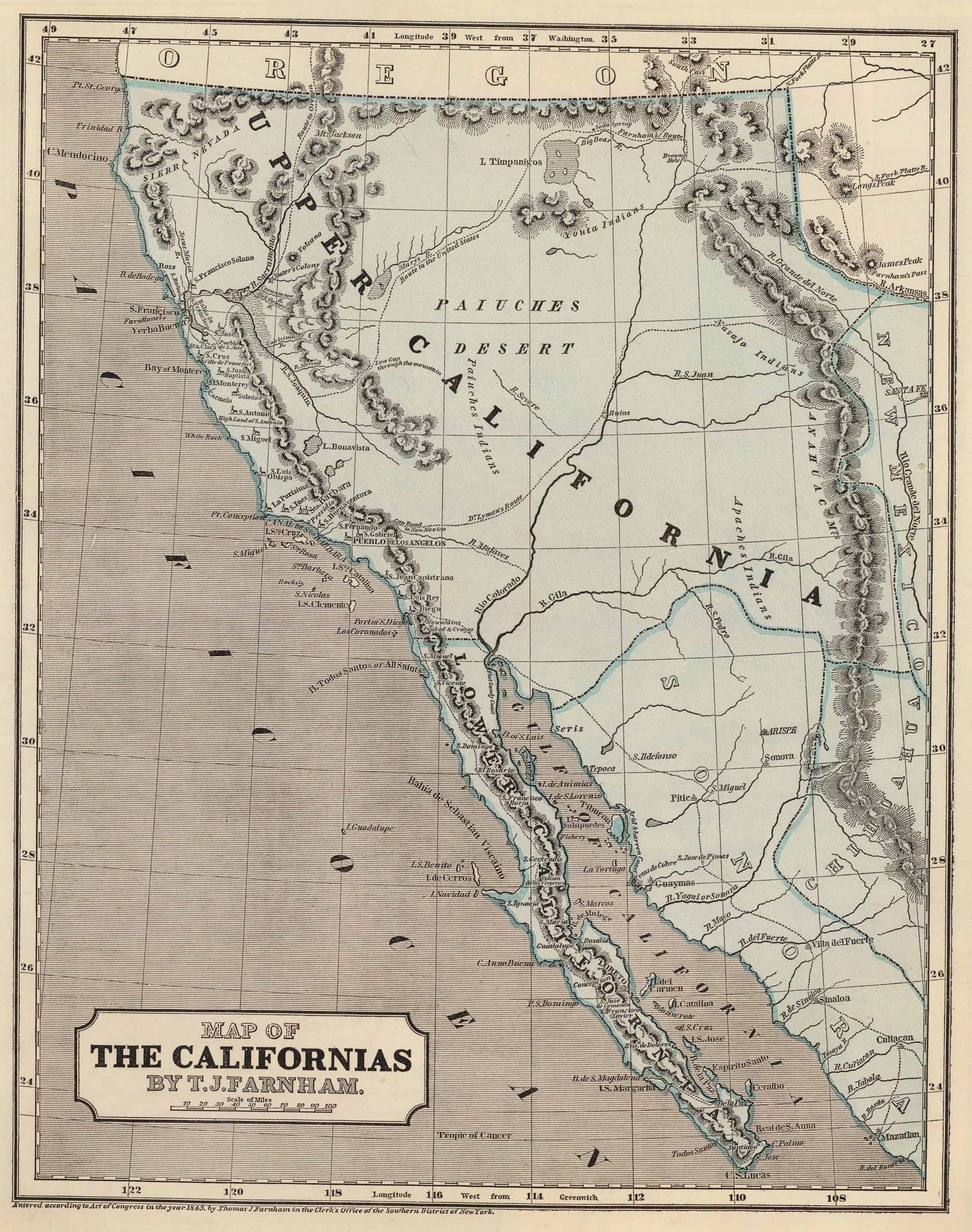
A Kaleidoscope of Experiences: Travel and Tourism Today
California’s immense age and diverse history culminate in an unparalleled array of travel and tourism experiences today. The state truly offers something for every type of traveler, blending its rich past with contemporary attractions and world-class amenities.
For those seeking natural beauty and adventure, California boasts nine national parks, each a landmark in its own right. Yosemite National Park offers breathtaking granite cliffs and waterfalls, while Joshua Tree National Park captivates with its unique desert flora and surreal landscapes. These parks are prime examples of destinations where ancient geological processes meet modern recreational opportunities, from luxury glamping to rugged backcountry camping.
Urban explorers will find vibrant cities like San Francisco, with its iconic Golden Gate Bridge and historic cable cars, offering a blend of historical charm and modern culture. Los Angeles provides a sprawling metropolis of entertainment, art, and diverse neighborhoods. San Diego, with its beautiful beaches and historic Gaslamp Quarter, combines coastal charm with cultural richness. These cities are replete with world-class hotels, from historic landmarks like the Fairmont San Francisco to modern luxury resorts like The Ritz-Carlton, Laguna Niguel, catering to every accommodation preference.
California’s lifestyle offerings are equally diverse. Food tourism thrives in regions like Napa Valley for wine and gourmet dining, and in ethnic enclaves across its major cities, offering authentic global cuisines. Theme parks like Disneyland in Anaheim cater to family trips, while the pristine beaches of Malibu and Santa Monica are perfect for relaxation and water sports. Whether planning a budget-friendly road trip along Highway 1 or a luxurious stay at a five-star resort, the state provides an endless array of experiences. Its accommodation options are vast, from boutique hotels and charming bed-and-breakfasts to sprawling resorts with every amenity imaginable, and even long-term stay apartments for those looking to immerse themselves fully.
Conclusion
So, how old is California? It is hundreds of millions of years old in its geological bones, tens of thousands of years old in its indigenous heritage, nearly 500 years old since its first European sighting, and 173 years old as a state in the Union. This layered history, from the primordial forces that shaped its mountains to the modern innovations that define its global influence, is what makes California an exceptionally rich and rewarding destination. Each era has left its indelible mark, creating a landscape and culture that continue to captivate and inspire. For travelers, exploring California is more than just a vacation; it’s a journey through time, a chance to witness the evolution of a land that is eternally young in spirit yet profoundly ancient in its soul. It promises a diverse array of destinations, attractions, and experiences, ensuring that every visit unveils a new facet of its timeless allure.
LifeOutOfTheBox is a participant in the Amazon Services LLC Associates Program, an affiliate advertising program designed to provide a means for sites to earn advertising fees by advertising and linking to Amazon.com. Amazon, the Amazon logo, AmazonSupply, and the AmazonSupply logo are trademarks of Amazon.com, Inc. or its affiliates. As an Amazon Associate we earn affiliate commissions from qualifying purchases.