
Los Angeles, often affectionately known as LA, is a name that conjures images of sun-drenched beaches, silver screens, and a vibrant, diverse culture. It’s a city synonymous with dreams, innovation, and an unparalleled lifestyle, attracting millions of visitors and new residents each year. Yet, beyond the allure of Hollywood glamour and expansive freeways, understanding its exact geographical placement is the first step to truly appreciating its context and magnitude. For anyone planning a trip, considering a move, or simply curious about this global metropolis, pinpointing Los Angeles on the map is essential. It’s not just a dot; it’s a dynamic hub nestled in a unique geographical setting that profoundly influences its climate, culture, and iconic attractions. This article will guide you through its precise location, explore the features that make it distinct, and delve into why its place on the map contributes so significantly to its identity as a premier travel destination. From its coastal proximity to its sprawling urban landscape, understanding “where” Los Angeles is, helps to unlock “what” Los Angeles truly is.
Pinpointing Los Angeles: A Geographical Overview
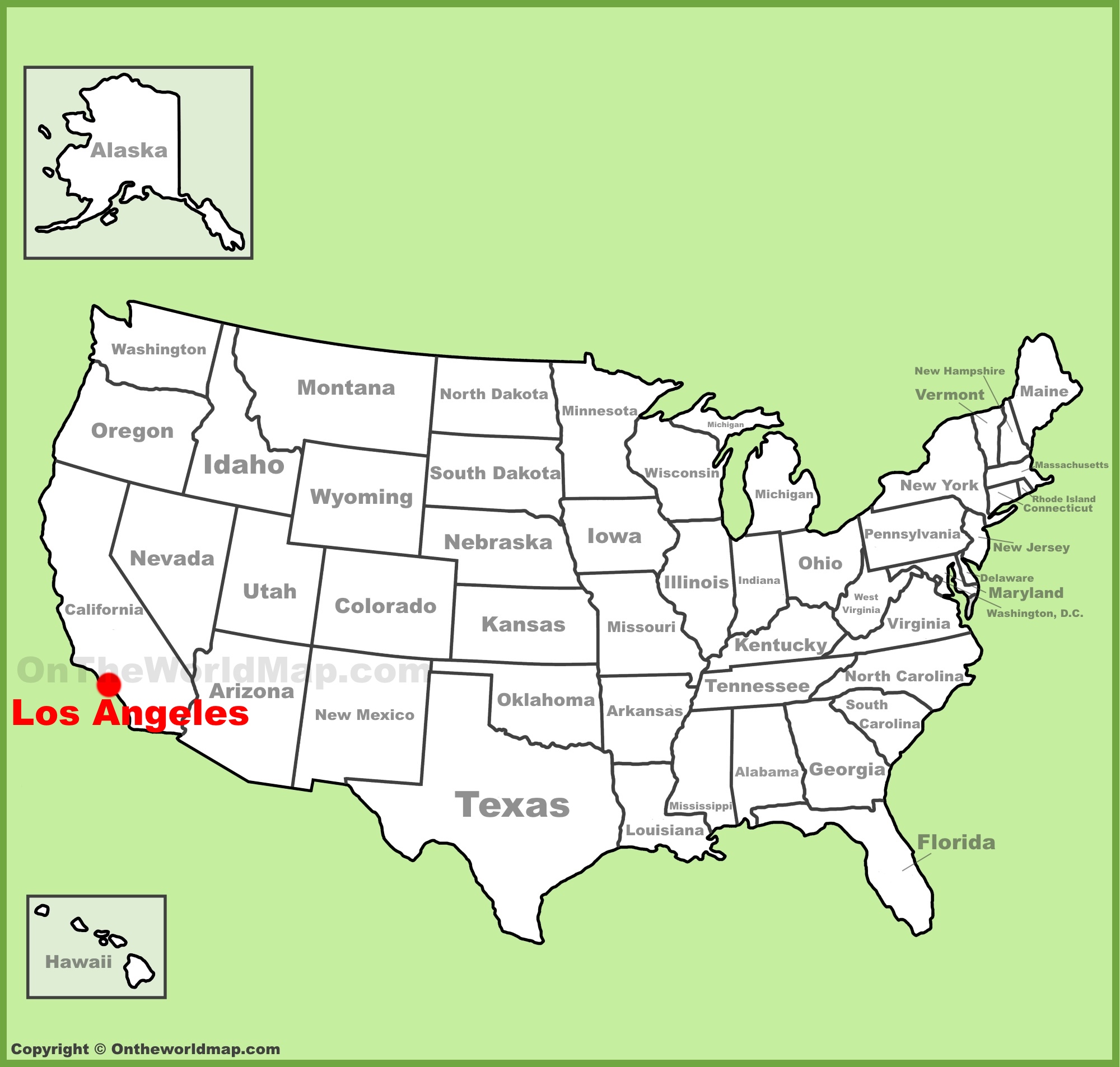
To truly grasp the essence of Los Angeles, one must first understand its precise location on the global, national, and regional maps. This foundational knowledge not only helps in navigation but also explains many of its defining characteristics, from its weather patterns to its unique topography.
Location on the Global Stage
At the broadest level, Los Angeles is situated on the continent of North America. More specifically, it lies within the United States of America, making it a prominent jewel in the nation’s crown. Zooming in further, LA is located in the southwestern region of the United States, squarely within the state of California. As the largest city in California by population and area, it serves as the economic, cultural, and entertainment capital of the state. Its position along the western edge of the United States means it enjoys a coveted coastline along the vast Pacific Ocean, a feature that profoundly shapes its climate, lifestyle, and recreational offerings. This strategic location on the Pacific Rim also positions Los Angeles as a significant gateway for international trade, travel, and cultural exchange with Asia and other Pacific nations.
Geographical Features and Climate
The geography of Los Angeles is as diverse and dynamic as its population. The city sprawls across a vast basin, surrounded by towering mountain ranges, which include the Santa Monica Mountains to the west, the San Gabriel Mountains to the north, and the Santa Ana Mountains to the southeast. These natural barriers not only provide stunning backdrops for various neighborhoods but also play a significant role in shaping the region’s microclimates. The most defining natural feature, however, is its extensive coastline. Miles of beautiful beaches stretch from Malibu in the north to Long Beach in the south, offering endless opportunities for surfing, sunbathing, and seaside recreation.
Los Angeles boasts a Mediterranean climate, characterized by mild, wet winters and hot, dry summers. The proximity to the Pacific Ocean moderates temperatures, leading to cooler coastal areas and warmer inland valleys. This climate is ideal for year-round outdoor activities, making LA a paradise for those who love hiking, cycling, and water sports. The consistent sunshine, averaging around 292 sunny days per year, is a major draw for tourists and residents alike, contributing to the city’s perpetually optimistic and vibrant atmosphere. However, it’s worth noting the distinct temperature variations that can occur within the vast Los Angeles County on any given day, where a beach city might be experiencing a cool, foggy morning while an inland valley bakes under a clear, warm sky.
Major Districts and Neighborhoods
The sheer size of Los Angeles means it comprises a fascinating mosaic of districts, each with its own distinct character, attractions, and lifestyle. Understanding these neighborhoods helps in navigating the city and appreciating its diverse offerings.
- Downtown LA (DTLA): The historic and financial heart of the city, DTLA has undergone a remarkable revitalization. It’s home to gleaming skyscrapers, historic theaters, the Walt Disney Concert Hall, and a burgeoning arts and culinary scene. Areas like the Arts District and Little Tokyo showcase its cultural depth.
- Hollywood: The undisputed global epicenter of the entertainment industry. Here, visitors can walk the Hollywood Walk of Fame, visit the historic TCL Chinese Theatre, and enjoy views of the iconic Hollywood Sign. It’s a place where dreams are chased and stars are born.
- Beverly Hills: Synonymous with luxury and opulence, Beverly Hills is famous for its high-end shopping on Rodeo Drive, celebrity homes, and world-class dining. It embodies the glamorous side of the LA lifestyle.
- Santa Monica: A vibrant beach city just west of central LA, known for its iconic pier, lively promenade, and beautiful beaches. It offers a relaxed coastal vibe with plenty of dining and entertainment options, providing a perfect blend of city life and oceanfront tranquility.
- Venice Beach: Famous for its bohemian boardwalk, street performers, muscle beach, and canals. Venice offers a quirky, artistic, and free-spirited atmosphere, making it a unique cultural hotspot.
- West Hollywood (WeHo): A trendsetting area known for its vibrant nightlife along Sunset Boulevard, progressive culture, and a hub for the LGBTQ+ community. It’s a hotspot for fashion, music, and celebrity sightings.
- Koreatown: One of the most densely populated neighborhoods, offering a rich tapestry of Korean culture, authentic cuisine, karaoke bars, and 24-hour spas. It’s a testament to LA’s incredible multiculturalism.
- Pasadena: Located northeast of DTLA, Pasadena is known for its historic architecture, the Rose Bowl Stadium, and the annual Rose Parade. It offers a more suburban feel while still being rich in cultural attractions.
These are just a few examples, as Los Angeles is truly a collection of distinct communities, each contributing to the city’s complex and captivating identity.
The Allure of Los Angeles: More Than Just a Dot on the Map
While its geographical coordinates ground Los Angeles in reality, it’s the city’s vibrant character, iconic landmarks, and dynamic lifestyle that truly elevate it beyond a mere location on the map. LA is an experience, a destination that offers something for every type of traveler.
Iconic Landmarks and Attractions
Los Angeles is replete with world-renowned landmarks and attractions that draw millions annually. These sites are not just tourist stops; they are woven into the fabric of American culture and global imagination.
- Griffith Observatory: Perched high in Griffith Park, this iconic landmark offers breathtaking panoramic views of the Los Angeles Basin, the Pacific Ocean, and the Hollywood Sign. It’s a center for public astronomy and a must-visit for its stunning architecture and educational exhibits.
- Universal Studios Hollywood: Merging a thrilling theme park with a working film studio, Universal Studios Hollywood provides an immersive experience into the world of movies and television. From studio tours to exhilarating rides, it’s entertainment at its best.
- The Getty Center: An architectural marvel, the Getty Center houses an impressive collection of European paintings, illuminated manuscripts, decorative arts, and photography, all set within stunning gardens and offering spectacular city views. Its dedication to art, education, and conservation makes it a cultural gem.
- Hollywood Walk of Fame: Stroll along Hollywood Boulevard and Vine Street to see the stars bearing the names of entertainment legends. This tangible tribute to the industry’s greats is a quintessential Hollywood experience.
- Disneyland Park: While technically located in nearby Anaheim, a visit to Disneyland, “The Happiest Place on Earth,” is often an integral part of an LA vacation. This magical theme park continues to captivate generations with its enchanting rides, beloved characters, and dazzling parades.
- Los Angeles County Museum of Art (LACMA): The largest art museum in the western United States, LACMA features a diverse collection spanning ancient to contemporary art. Its outdoor installation, Urban Light, has become an iconic symbol of the city.
Culture, Cuisine, and Experiences

Los Angeles is a true melting pot of cultures, reflected in its vibrant arts scene, diverse culinary landscape, and endless array of unique experiences. The city’s dynamic pulse makes it an exciting destination for those seeking cultural immersion.
The culinary scene in LA is nothing short of world-class, offering everything from Michelin-starred restaurants to innovative food trucks. Due to its multicultural population, visitors can savor authentic flavors from virtually every corner of the globe. Explore the bustling markets of Grand Central Market, sample tacos from legendary street vendors, or indulge in gourmet dining in Beverly Hills and West Hollywood. Neighborhoods like Koreatown, Chinatown, Little Ethiopia, and Olvera Street offer immersive cultural and gastronomic adventures.
Beyond food, LA’s cultural landscape is rich and varied. It’s a hub for performing arts, with venues like the Dorothy Chandler Pavilion and the Pantages Theatre hosting Broadway shows and opera. Independent galleries flourish in the Arts District, while street art adds color and commentary to public spaces. The city’s history is celebrated in its missions, museums, and historical sites, offering a glimpse into its past as a Spanish settlement and burgeoning metropolis.
Lifestyle and Activities
The LA lifestyle is often depicted as glamorous and fast-paced, but it also embraces a relaxed, outdoor-oriented way of living, thanks to its enviable climate and natural surroundings.
For outdoor enthusiasts, the options are limitless. Hit the beaches of Santa Monica, Venice, or Malibu for surfing, paddleboarding, or simply soaking up the sun. Miles of hiking trails wind through the Santa Monica Mountains and Griffith Park, offering stunning vistas and invigorating workouts. Cyclists can enjoy beachside bike paths or challenging mountain routes.
Shopping in Los Angeles ranges from luxury boutiques on Rodeo Drive to eclectic shops on Melrose Avenue and bustling flea markets. The city is a trendsetter, making it a paradise for fashionistas. Nightlife caters to all tastes, from exclusive clubs on Sunset Boulevard to cozy speakeasies and live music venues across the city. Whether you’re interested in luxury travel, a budget-friendly adventure, a family trip packed with fun, or a business stay with cultural outings, LA seamlessly caters to diverse preferences and lifestyles.
Planning Your Stay: Accommodation and Travel in Los Angeles
Understanding where Los Angeles is on the map is merely the beginning; the next crucial step for any visitor is to plan their stay effectively. This involves choosing the right accommodation and navigating the city’s vast expanse.
Diverse Accommodation Options
Los Angeles offers an extensive array of accommodation options to suit every budget, preference, and travel style. From opulent resorts to charming boutique hotels and practical long-term stays, the city’s lodging landscape is as diverse as its population.
For those seeking the pinnacle of luxury, five-star hotels and resorts abound in areas like Beverly Hills and West Hollywood. Names like the Four Seasons Hotel Los Angeles at Beverly Hills, The Ritz-Carlton, Los Angeles in Downtown LA, or The London West Hollywood at Beverly Hills offer unparalleled service, exquisite amenities, and often breathtaking views. These establishments frequently feature gourmet restaurants, world-class spas, and concierge services designed to cater to every whim, making them perfect for luxury travel and business stays alike.
Mid-range hotels, including popular chains like Hilton, Marriott, and Hyatt, are widely available across various districts, offering comfortable stays with a range of amenities. These are excellent choices for family trips or those seeking a balance between comfort and cost. Boutique hotels, with their unique design and personalized service, can be found in trendy neighborhoods like Silver Lake or Downtown LA, providing a more distinct and memorable experience.
For budget travelers, numerous hostels, motels, and budget-friendly hotels are scattered throughout the city, particularly around Hollywood and near major transport hubs. Additionally, the rise of vacation rentals and apartments offers travelers the flexibility of self-catering and a more local experience, ideal for longer stays or larger groups. When booking, it’s advisable to consider the location relative to your planned activities, as LA’s sheer size means travel time between areas can be substantial. Reading reviews, comparing prices, and considering amenities like parking (often crucial in LA) are key steps in securing the perfect accommodation for your Los Angeles adventure.

Navigating the City
Given its sprawling nature, understanding how to get around Los Angeles is paramount to an enjoyable visit. The city is famously car-centric, but its public transportation system has significantly expanded and improved over the years.
- Driving: For maximum flexibility, especially if you plan to explore various neighborhoods and attractions spread across the vast Los Angeles County, renting a car is often recommended. Be prepared for traffic, particularly during peak hours, and factor in parking costs, which can vary widely. Navigation apps are indispensable for identifying the quickest routes and avoiding congestion.
- Public Transportation: The Metro Rail and bus system, operated by LA Metro, provides a viable alternative to driving, especially for accessing popular tourist areas like Hollywood, Downtown LA, and Santa Monica. The Metro Expo Line, for example, connects Downtown LA to the beach in Santa Monica, offering a convenient way to enjoy the coast without traffic woes. Purchasing a reusable TAP card simplifies fare payment.
- Ride-Sharing Services: Uber and Lyft are widely available and can be an efficient way to travel, especially for shorter distances or when public transport isn’t convenient. They offer door-to-door service and can be a good option for a night out.
- Walking and Biking: In specific dense areas like Santa Monica’s promenade, parts of Hollywood, or Downtown LA’s core, walking is a pleasant way to explore. Venice Beach and Santa Monica also boast excellent bike paths, allowing for scenic rides along the coast.
When to visit Los Angeles? While LA enjoys pleasant weather year-round, the shoulder seasons (spring and fall) offer ideal temperatures, fewer crowds, and often better deals on flights and accommodation. Summer is popular but can be hot, especially inland, and attractions tend to be busier. Winter is mild, with occasional rain, but generally pleasant for exploring. Regardless of the time of year, packing layers is always a good tip, as coastal areas can be significantly cooler than inland regions, and evenings can bring a crisp chill.
In conclusion, Los Angeles is far more than just a pin on the map. It’s a vibrant, multifaceted metropolis strategically located on the Pacific Coast of Southern California, offering a unique blend of geographical beauty, cultural richness, and endless opportunities for adventure and relaxation. From its iconic landmarks to its diverse neighborhoods and world-class accommodation, LA truly stands out as a global destination. By understanding its geographical context and preparing for its unique travel landscape, visitors can unlock the full potential of this extraordinary city and create unforgettable experiences.
LifeOutOfTheBox is a participant in the Amazon Services LLC Associates Program, an affiliate advertising program designed to provide a means for sites to earn advertising fees by advertising and linking to Amazon.com. Amazon, the Amazon logo, AmazonSupply, and the AmazonSupply logo are trademarks of Amazon.com, Inc. or its affiliates. As an Amazon Associate we earn affiliate commissions from qualifying purchases.