
For property owners navigating the vibrant and often complex world of long-term accommodation, especially within a dynamic market like California, understanding the intricacies of tenant agreements and, when necessary, evictions, is paramount. While many associate “accommodation” with short-term stays in luxurious hotels, quaint bed-and-breakfasts, or villas in exotic destinations, a significant segment of the market involves longer-term rentals, often to individuals seeking extended stays for work, leisure, or a lifestyle choice. These arrangements, particularly those without a formal written lease, introduce a unique set of challenges and legal obligations that every property manager, accidental landlord, or seasoned investor must comprehend.
The Golden State is renowned for its tenant-friendly laws, designed to protect renters and ensure fair housing practices. This protective stance means that even in the absence of a signed lease agreement, tenants are afforded significant rights, and landlords must meticulously follow legal procedures to regain possession of their property. Whether you’re managing a single apartment in Los Angeles, a family home in San Francisco, or a suite in a sprawling resort that’s been rented long-term, understanding how to legally and effectively evict a tenant with no lease is a critical aspect of responsible property management. This guide aims to demystify the process, offering a clear roadmap for property owners within the context of managing diverse accommodation options and ensuring a smooth continuation of their hospitality or lifestyle ventures.
Understanding At-Will Tenancies in the Golden State
The concept of a “no lease” arrangement might seem informal, but in California, it carries specific legal weight and implications for both property owners and occupants. Delving into the nature of these agreements and understanding the broader tenant protection landscape is the first crucial step.
The Nature of “No Lease” Arrangements
When we speak of a “no lease” scenario, we are primarily referring to an “at-will tenancy” or a month-to-month tenancy that often arises from an informal or verbal agreement. While a written lease explicitly outlines the terms of the rental, including the duration, rent amount, and responsibilities, an at-will tenancy exists when a tenant occupies a property with the landlord’s permission but without a formal, fixed-term contract. This can happen in various circumstances: a friend or family member moves in, a previous lease expires and was not renewed but the tenant stayed, or an initial informal arrangement for an extended stay morphed into a long-term occupancy.
Legally, a verbal agreement to rent is often as binding as a written one, though significantly harder to prove. The law presumes a month-to-month tenancy if rent is paid monthly, or another periodic tenancy if rent is paid on a different schedule (e.g., weekly). For property owners offering accommodation, especially those who might initially have offered a flexible arrangement, it’s vital to recognize that such informal setups quickly evolve into legally recognized tenancies. This means the occupant gains tenant rights under California law, regardless of the lack of a formal document. For anyone whose lifestyle involves managing properties or who offers long-term stays as part of their business model, having a clear understanding of these default tenancy structures is indispensable to avoid future complications. The ease of booking a short-term hotel or villa online contrasts sharply with the complexities of these long-term, informal agreements.
Navigating California’s Tenant Protections
California stands out for its robust tenant protection laws, making it one of the most tenant-friendly states in the United States. This means landlords, even those managing properties for personal lifestyle reasons or part-time business ventures, must be intimately familiar with these regulations. A cornerstone of modern California tenant law is the Tenant Protection Act of 2019, also known as AB 1482. This statewide law introduced significant changes, primarily capping rent increases and introducing “just cause” eviction requirements for many properties.
Under AB 1482, most tenants who have occupied a property for at least 12 months cannot be evicted without a “just cause.” Just cause can be “at-fault” (e.g., non-payment of rent, lease violation, criminal activity) or “no-fault” (e.g., owner intends to occupy, property withdrawal from the rental market, substantial renovation). Even in at-will tenancies, if the tenant has resided in the property for more than a year, AB 1482 often applies, meaning a landlord cannot simply terminate the tenancy without a legally recognized reason.
However, certain properties are exempt from AB 1482. These typically include:
- Single-family homes and condominiums, provided the owner is not a REIT, corporation, or LLC and provides a specific notice to the tenant.
- Owner-occupied duplexes.
- Housing that has been issued a certificate of occupancy within the last 15 years.
- Certain short-term rentals (though extended informal stays can quickly blur this line).
- Dormitories, monasteries, hospitals, and medical facilities.
It is crucial for any property owner to determine if their property falls under AB 1482 or if it is exempt. This determination dictates the required notice periods and whether a “just cause” is necessary for an eviction. Furthermore, many California cities have their own local rent control ordinances that can be even stricter than state law. Understanding both state and local provisions is an absolute must for anyone managing accommodation in the Golden State, turning property management into a field that requires diligent research, much like planning a complex itinerary for a multi-city tour.
The Essential Steps to Initiating an Eviction
When the decision to evict a tenant without a lease becomes unavoidable, adhering strictly to the legal framework is not just advisable, but mandatory in California. The process is highly procedural, and any deviation can result in significant delays, legal fees, and even the dismissal of the eviction case.
Serving Proper Notice: The Foundation of Eviction
The first and most critical step in any eviction process in California is serving the tenant with a proper written notice. The type of notice required depends on the reason for the eviction and the length of the tenancy.
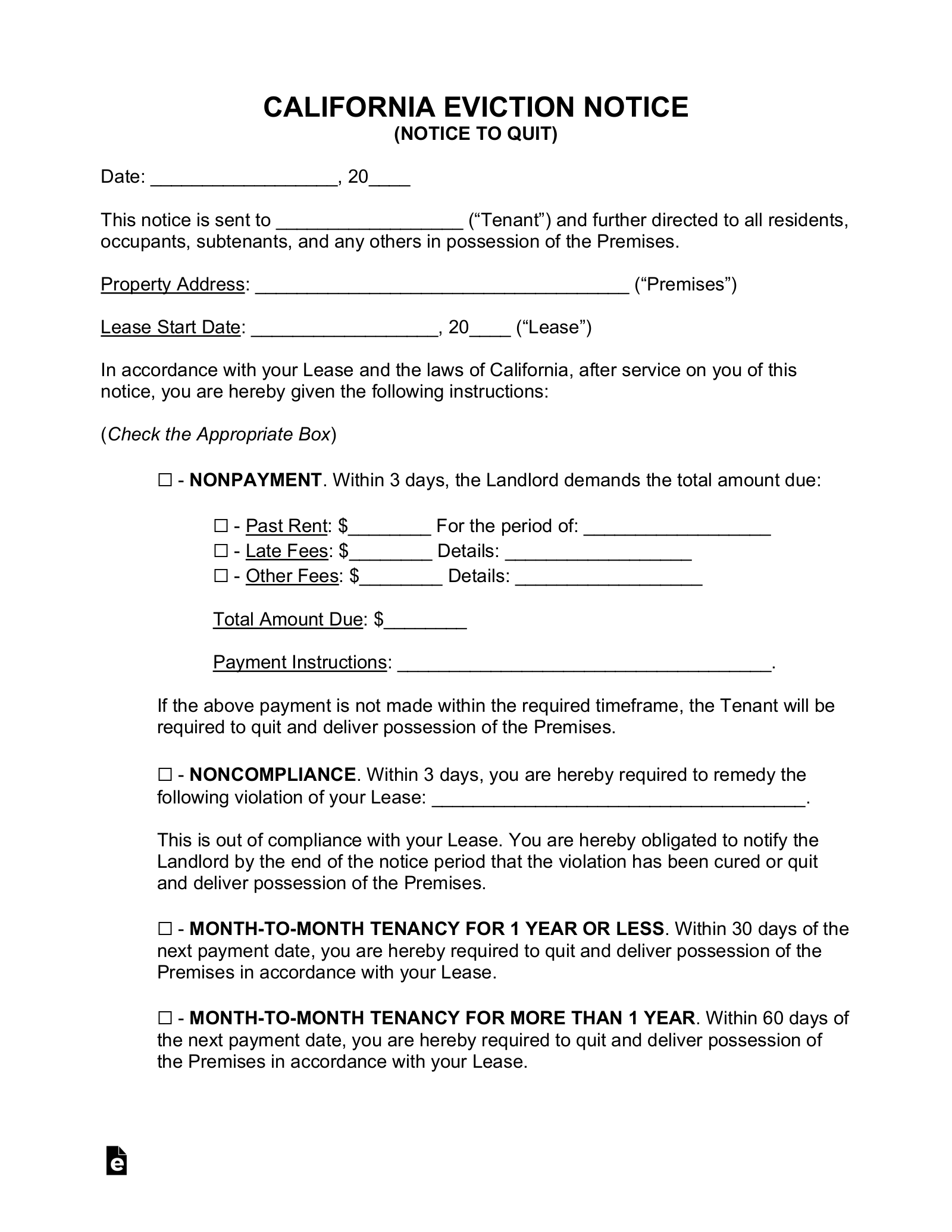
- 3-Day Notice to Pay Rent or Quit: This notice is used when a tenant fails to pay rent. It gives the tenant three days (excluding weekends and holidays) to either pay the overdue rent in full or vacate the premises. If the tenant does neither, the landlord can then proceed with filing an unlawful detainer lawsuit. This is often the most straightforward notice type for “at-fault” evictions, but landlords must ensure the rent amount specified is accurate and current.
- 3-Day Notice to Perform Covenants or Quit: This notice is for tenants who have violated a term of their (even verbal) tenancy agreement other than non-payment of rent (e.g., unauthorized pets, excessive noise, property damage). It gives the tenant three days to fix the violation or move out. If the violation is non-curable (e.g., severe property damage or criminal activity), a 3-Day Notice to Quit (without the option to perform) may be used.
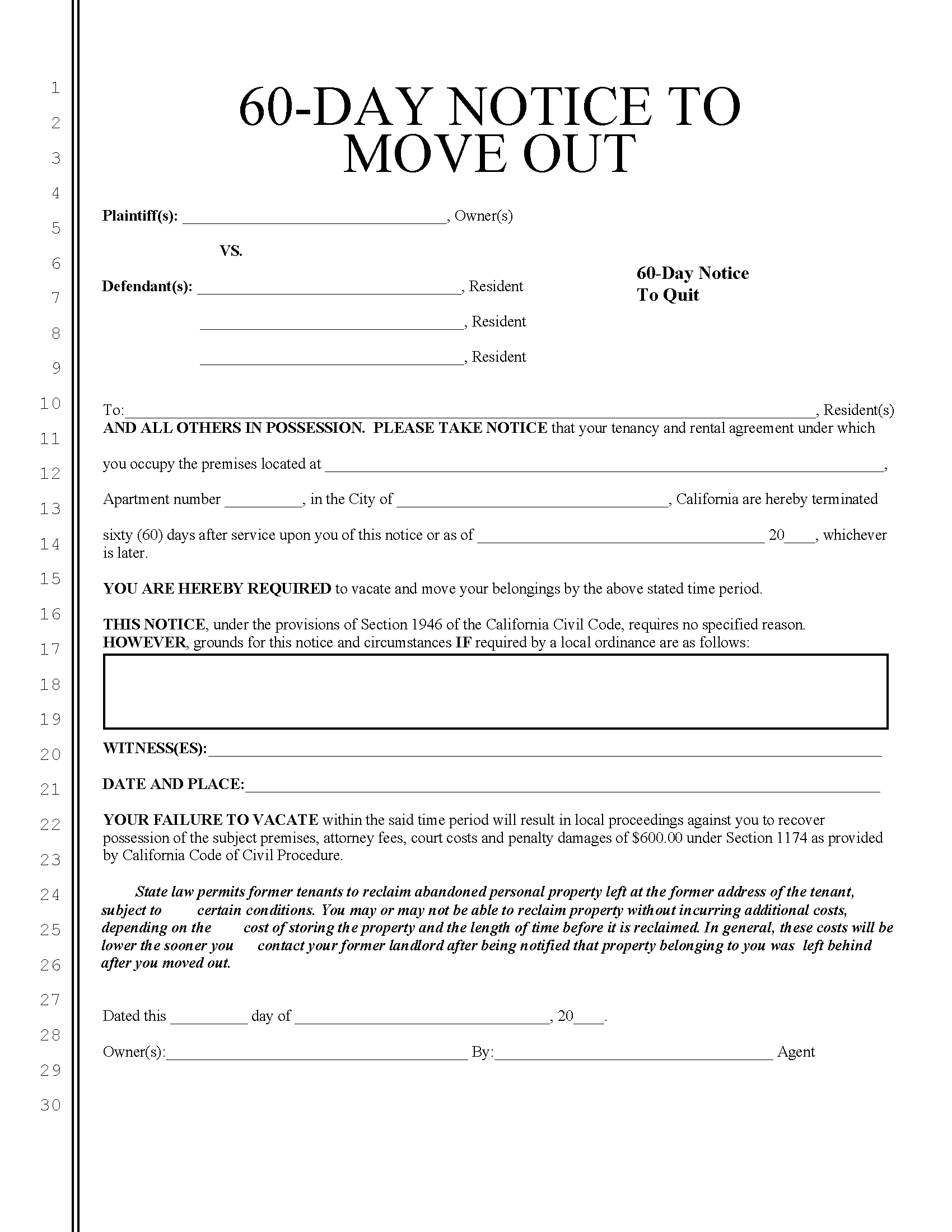
- 30-Day or 60-Day Notice to Terminate Tenancy: These notices are typically used for “no-fault” evictions or when a landlord simply wishes to end a month-to-month tenancy without a specific cause (if the property is exempt from AB 1482’s “just cause” requirements).
- 30-Day Notice: Required if the tenant has resided in the property for less than one year.
- 60-Day Notice: Required if the tenant has resided in the property for one year or more.
- These notices must be properly served even if there is no written lease, establishing a clear end date for the tenancy. If the property is subject to AB 1482, a “no-fault” termination requires an approved “just cause” (e.g., owner move-in, withdrawal from the rental market) and often necessitates relocation assistance for the tenant.
Proper service of these notices is paramount. Methods include personal service, substituted service (leaving it with a suitable person at the property and mailing a copy), or “post and mail” (affixing it to the property and mailing a copy). Documenting the service method, date, and time is crucial. For those managing long-term accommodation as part of their lifestyle or investment portfolio, meticulous record-keeping during this stage is as important as the detailed planning for any complex travel itinerary or business venture.
When Formal Action Becomes Necessary: Unlawful Detainer
If a tenant fails to comply with the notice (e.g., does not pay rent, fix a violation, or vacate by the deadline), the landlord’s next step is to initiate a formal eviction lawsuit, known in California as an “Unlawful Detainer” action. This is a summary court proceeding designed to quickly restore possession of the property to the landlord.
The process involves several key stages:
- Filing the Complaint: The landlord (or their attorney) files an Unlawful Detainer Complaint with the superior court in the county where the property is located. This complaint outlines the basis for the eviction, references the served notice, and states the relief sought (possession of the property, unpaid rent, and potentially damages).
- Serving the Summons and Complaint: The tenant must be formally served with the Summons and Complaint. This is typically done by a registered process server, ensuring proper legal notice. The tenant usually has five days (excluding weekends and holidays) to respond after being served.
- Tenant’s Response: The tenant can respond by filing an Answer, a Demurrer (challenging the legal sufficiency of the complaint), or a Motion to Quash Service (challenging the validity of how they were served). If the tenant does not respond within the allotted time, the landlord can request a default judgment, which can expedite the eviction process.
- Court Timelines: Unlawful Detainer cases are given priority on court dockets, meaning they move much faster than other civil cases. A trial date can often be set within 20-30 days of the tenant filing an Answer.
Navigating the Unlawful Detainer process requires a thorough understanding of civil procedure and landlord-tenant law. Mistakes at this stage can be costly, leading to delays, additional legal fees, and potentially even the dismissal of the case, requiring the landlord to start over. For property owners engaged in providing long-term accommodation, this legal step underscores the importance of treating even informal tenancy arrangements with professional rigor and foresight.
The Court Process and Beyond
Once an Unlawful Detainer lawsuit has been filed, the process moves into the judicial phase, which demands continued diligence and adherence to legal protocols. Understanding what happens in court and how to enforce a judgment is vital for successfully regaining possession of your property.
Navigating the Legal Landscape of an Eviction Case
Should the tenant respond to the Summons and Complaint, the case will proceed to court. This typically involves a trial or, in some cases, mediation.
- Discovery (Limited): Unlike other civil cases, discovery in Unlawful Detainer actions is usually very limited due to the expedited nature of the proceedings. However, both parties may request specific documents or information relevant to the case.
- Settlement or Mediation: Many Unlawful Detainer cases are settled out of court through negotiation or formal mediation. A mediator, a neutral third party, helps the landlord and tenant reach a mutually agreeable resolution. This can often be a faster and less expensive alternative to a full trial. Property owners should be open to exploring these options, balancing the desire for swift possession with the practicalities of avoiding prolonged litigation.
- Trial: If a settlement isn’t reached, the case proceeds to trial. Both the landlord and tenant (or their attorneys) present their arguments, evidence, and witness testimonies to a judge (jury trials are rare in Unlawful Detainer cases unless specifically requested). The landlord must prove their case by a preponderance of the evidence, demonstrating that the notice was properly served, the tenant failed to comply, and they have a legal right to possession. This is where meticulous documentation—records of rent payments, communications, property inspections, and the served notices—becomes invaluable for those managing any form of long-term accommodation.
- Judgment and Writ of Possession: If the court rules in favor of the landlord, a “Judgment for Possession” is issued. This judgment formally declares the landlord’s right to regain possession of the property. Following the judgment, the court will issue a “Writ of Possession.” This is the official court order that empowers the Sheriff’s Department to physically remove the tenant from the property if they still refuse to leave.
The legal landscape of an eviction case can be daunting, even for experienced property owners. The intricacies of legal arguments, evidentiary rules, and court procedures underscore the importance of either thoroughly educating oneself or seeking professional legal counsel, especially for anyone for whom property management is a significant part of their lifestyle or business.
Enforcing the Eviction: Sheriff Lockout and Property Recovery
Even after obtaining a Writ of Possession, the landlord cannot personally remove the tenant. Self-help evictions (e.g., changing locks, removing belongings, shutting off utilities) are illegal in California and can lead to severe penalties, including monetary damages payable to the tenant.
- Role of the Sheriff’s Department: The Writ of Possession must be given to the local Sheriff’s Department for enforcement. The Sheriff will post a “Notice to Vacate” on the property, typically giving the tenant five additional calendar days to leave voluntarily. This notice explicitly states the date and time of the scheduled lockout.
- The Lockout: If the tenant has not vacated by the deadline specified in the Sheriff’s notice, the Sheriff’s Department will physically come to the property and remove the tenant. The landlord must be present at the lockout, usually with a locksmith, to change the locks immediately after the Sheriff has cleared the property. This marks the legal return of possession to the landlord.
- Managing Abandoned Property: Following a lockout, it’s common for tenants to leave personal belongings behind. California law has strict rules regarding abandoned property. If the estimated value of the property is below a certain threshold (currently $700), the landlord can dispose of it after a 15-day notice period. If the value is above this threshold, the landlord must store the property for at least 15 days and send a formal notice to the tenant. If the tenant does not claim the property, it must be sold at a public auction, with proceeds (minus storage and sale costs) going to the tenant or the county.
- Post-Eviction Considerations: Once possession is regained, property owners should thoroughly inspect the premises for any damage beyond normal wear and tear. This is also a crucial time to document the condition of the property for future reference, especially if there was no initial move-in inspection due to the lack of a formal lease. For property owners aiming for sustainable long-term accommodation, reflecting on the experience and tightening up rental agreement practices for future tenants is a wise next step, perhaps even exploring different types of accommodation or rental models.
Crucial Considerations for Property Owners in California
Navigating an eviction, particularly one without a lease, is rarely straightforward in California. Beyond the procedural steps, property owners must be acutely aware of local variations in law and embrace best practices for long-term accommodation management.
Local Ordinances and Rent Control Nuances
While AB 1482 provides a statewide framework, many California cities and counties have enacted their own, often more stringent, rent control and eviction protection ordinances. These local laws can significantly impact the eviction process, even for properties initially thought to be exempt from statewide regulations.
Cities with notable rent control and “just cause” eviction ordinances include:
- Los Angeles
- San Francisco
- Oakland
- San Jose
- Santa Monica
- Berkeley
- West Hollywood
These local ordinances can dictate:
- Stricter Rent Caps: Limiting rent increases even more than AB 1482.
- Expanded “Just Cause” Requirements: Extending “just cause” protections to properties otherwise exempt under state law, such as single-family homes.
- Higher Relocation Assistance: Mandating greater financial assistance for tenants in “no-fault” evictions.
- Longer Notice Periods: Requiring more than 30 or 60 days’ notice for termination of tenancy.
- Additional Eviction Defenses: Providing tenants with more avenues to challenge an eviction.
It is absolutely imperative for property owners to investigate and understand the specific municipal codes applicable to their property’s location. A property owner in San Francisco, for instance, faces a far different set of rules than one in a non-rent-controlled area. Consulting local housing authorities or a qualified attorney specializing in California landlord-tenant law is strongly recommended to ensure compliance and avoid costly legal missteps. This diligence is akin to researching the local culture and customs of a new destination before embarking on a trip—essential for a smooth experience.

Best Practices for Long-Term Accommodation Management
The challenges of evicting a tenant with no lease highlight the immense value of proactive and professional property management. For anyone involved in offering long-term accommodation, whether as an investment, a side business, or simply managing a property that has morphed into a tenancy, adopting best practices is key to a harmonious and legally compliant experience.
- Always Use a Written Lease Agreement: This is the single most important piece of advice. A comprehensive written lease explicitly defines the rights and responsibilities of both parties, rent amount, payment due dates, late fees, rules regarding property use, maintenance, and the duration of the tenancy. It eliminates ambiguity and provides a clear legal document to refer to in case of disputes, making it easier to resolve issues and, if necessary, streamline an eviction process. Even for what might seem like a casual “long-term stay,” a professional agreement is non-negotiable.
- Thorough Tenant Screening: Before allowing anyone to occupy your property long-term, conduct thorough background checks, including credit history, rental history, and criminal records. Verify employment and income to ensure the tenant’s ability to pay rent. This diligence helps in selecting reliable tenants and preventing potential issues down the line.
- Clear Communication and Documentation: Maintain open lines of communication with your tenants. Address concerns promptly and professionally. Crucially, document all significant interactions, including repair requests, notices served, rent payments, and any agreements made. Written records serve as invaluable evidence if a dispute escalates to an eviction case. This practice reflects the meticulous planning required for successful business stays.
- Regular Property Inspections: Conduct periodic (with proper notice) inspections to ensure the property is being maintained and that there are no lease violations. Document the condition of the property with photos or videos at move-in and move-out.
- Understand Your Obligations: Familiarize yourself with all landlord responsibilities under California law, including providing habitable living conditions, making timely repairs, and respecting tenant privacy. Proactive compliance reduces the likelihood of tenant complaints or legal actions against you.
- Seek Legal Counsel When in Doubt: Given the complexity of California’s landlord-tenant laws and the severe penalties for non-compliance, do not hesitate to consult with an attorney specializing in landlord-tenant law at the first sign of trouble or before initiating any eviction proceedings. An attorney can ensure you are fully compliant with all state and local regulations, saving you time, money, and stress in the long run.
Evicting a tenant with no lease in California is a multi-faceted and legally sensitive process. It demands a meticulous understanding of state statutes like AB 1482, an awareness of local rent control ordinances, and strict adherence to procedural requirements for notice and court actions. For property owners engaged in providing long-term accommodation, whether as part of a broader lifestyle, an investment strategy, or a specific hospitality offering, the key takeaway is clear: while informal arrangements may seem convenient initially, the robust tenant protections in the Golden State mean that a professional, legally compliant approach is always the safest and most efficient path. By understanding your rights and obligations, employing best practices in property management, and seeking expert legal advice when needed, you can navigate the complexities of tenant relations, minimize risks, and protect your valuable accommodation assets.
LifeOutOfTheBox is a participant in the Amazon Services LLC Associates Program, an affiliate advertising program designed to provide a means for sites to earn advertising fees by advertising and linking to Amazon.com. Amazon, the Amazon logo, AmazonSupply, and the AmazonSupply logo are trademarks of Amazon.com, Inc. or its affiliates. As an Amazon Associate we earn affiliate commissions from qualifying purchases.