
California, often lauded as the Golden State, conjures images of sun-drenched beaches, towering redwoods, innovative tech hubs, and the glamour of Hollywood. It’s a land of unparalleled natural beauty and boundless opportunity, drawing dreamers, entrepreneurs, and adventurers from across the globe. But beneath the allure of its picturesque landscapes and vibrant culture lies a complex economic reality, particularly when it comes to the cost of living and, consequently, what constitutes an “average pay” for its residents. For anyone considering a move to California, planning an extended stay, or simply curious about the financial landscape that underpins the state’s iconic lifestyle and tourism appeal, understanding the average income is a crucial starting point.
This isn’t merely a statistic; it’s a gateway to comprehending everything from the feasibility of a long-term stay in a San Francisco apartment to the budget required for a luxury travel experience in Napa Valley or a family trip to Disneyland. The average pay directly influences lifestyle choices, travel habits, and the types of accommodations available across this vast and diverse state. As a hub for travel, hotels, tourism, and unique lifestyle experiences, California’s economic pulse significantly impacts the services and opportunities it offers to both its residents and its millions of annual visitors.
Understanding California’s Economic Landscape
California’s economy is not just large; it’s an economic powerhouse, often ranking among the top economies globally if it were an independent nation. This immense scale is fueled by an incredible diversity of industries, each contributing to a unique income profile and attracting different demographics. Understanding this economic mosaic is key to dissecting the “average pay” figure, which can be misleading without proper context.
The Golden State’s Diverse Industries
At the heart of California’s economic might are several dominant sectors. The tech industry, centered predominantly in the San Francisco Bay Area and Silicon Valley, is perhaps the most famous. Companies like Apple, Google, and Meta offer some of the highest salaries in the world, driving up the average income in these specific regions. This concentration of high-paying tech jobs creates a significant ripple effect, influencing everything from housing costs to the demand for luxury services and high-end travel experiences, not just locally but statewide.
Beyond tech, the entertainment industry, primarily based in Los Angeles, contributes billions to the state’s economy. While celebrity salaries grab headlines, there’s a vast ecosystem of well-compensated professionals in film production, media, digital content, and related creative fields. This sector also bolsters the tourism industry, with iconic landmarks like Universal Studios Hollywood and the Hollywood Walk of Fame drawing millions.
Agriculture, often overlooked amidst the tech glitter, remains a foundational pillar, especially in the fertile Central Valley. California is the leading agricultural state in the U.S., producing a vast array of crops. While wages in this sector can be lower than in tech or entertainment, it supports a significant workforce and contributes to the economic stability of rural communities. The wine industry, concentrated in regions like Napa Valley and Sonoma County, blends agriculture with tourism, offering specialized jobs that range from viticulture to hospitality management.
Finally, the tourism and hospitality sector itself is a massive employer. From resorts in Palm Springs to boutique hotels in Carmel-by-the-Sea and theme parks in Anaheim, millions of jobs are directly tied to welcoming visitors. While some roles in this sector might fall below the statewide average, others, particularly in management or luxury hospitality, offer competitive compensation, making careers in travel and accommodation a viable and attractive path for many.
Regional Disparities: Coast vs. Inland
One of the most critical factors influencing average pay in California is geography. The state is not a monolithic economic entity; rather, it’s a collection of distinct regional economies, each with its own salary structures and cost of living.
The coastal regions, especially the San Francisco Bay Area, Los Angeles County, and San Diego County, consistently report the highest average wages. These areas are home to the tech, entertainment, and biotechnology industries, along with major ports and international business centers. However, this higher pay is almost always offset by an astronomically high cost of living, particularly for housing. For instance, an average salary in San Francisco might look impressive on paper, but after rent, utilities, and daily expenses, the disposable income for travel or luxury experiences might be surprisingly constrained compared to someone earning less in a more affordable region.
In contrast, the Central Valley, encompassing cities like Fresno, Bakersfield, and Sacramento (the state capital), typically has lower average wages. While jobs in agriculture, state government, and logistics are prevalent, the tech and entertainment sectors are less dominant. The trade-off, however, is a significantly lower cost of living, especially for housing. This means that while the raw salary numbers might be lower, the purchasing power and quality of life for families or individuals might be higher, allowing more flexibility for domestic travel, local tourism, or investing in longer-term accommodation options outside the immediate coastal buzz.
This regional disparity is vital for anyone considering moving to California or planning a trip. It impacts everything from selecting a base for a long-term stay to choosing which destinations within the state are financially viable for an extended vacation or even a short getaway.
The Numbers Behind California’s Wages
While statistics can be dry, they provide the backbone for understanding the practical implications of living and working in California. The “average pay” is a complex figure, influenced by many variables.
General Averages vs. Cost of Living
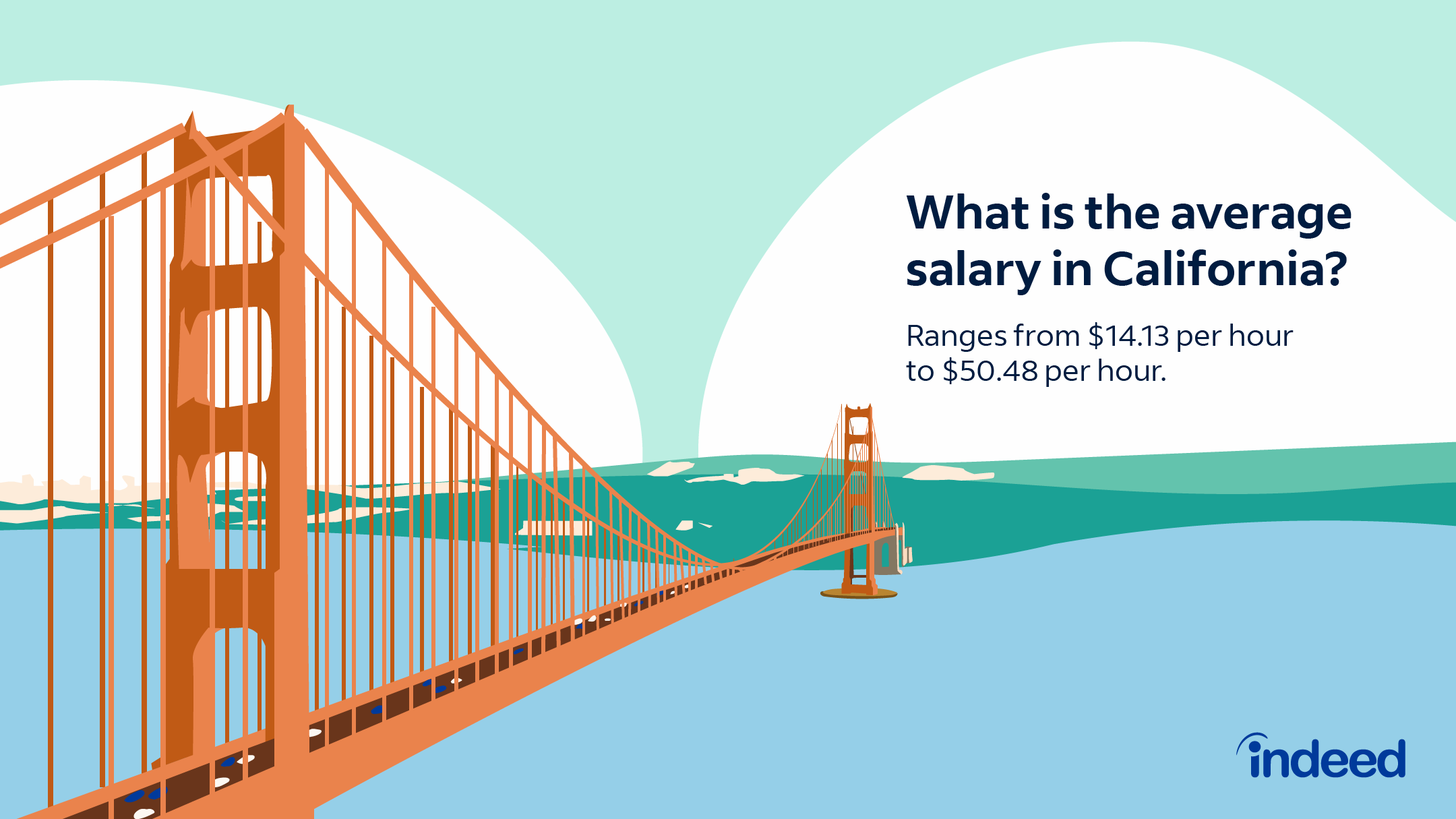
As of recent data, the average annual salary in California hovers around $75,000 to $85,000, which is notably higher than the national average. However, this number needs to be immediately juxtaposed with the state’s notorious cost of living. California consistently ranks among the most expensive states to live in, with housing costs being the primary driver. The median home price in many desirable areas can be well over $1 million, and even renting a modest apartment can consume a significant portion of an average salary.
For instance, an individual earning the state average in a city like San Jose or Santa Monica might find their disposable income severely limited after covering essential expenses. This impacts their ability to indulge in luxury travel, frequent upscale dining, or even save for future adventures. Conversely, someone earning the same average in a less expensive area might have more financial freedom for exploring local landmarks, weekend getaways, or booking comfortable hotel stays for special occasions.
It’s crucial to look beyond the raw numbers and consider the “real wage” – what that income can actually buy in terms of goods, services, and experiences within a specific region of California.
High-Paying Sectors and Their Influence
The tech industry in Silicon Valley and the Bay Area significantly skews the statewide average upwards. Software engineers, data scientists, product managers, and executives in these fields can command salaries well into six figures, with many earning multiple hundreds of thousands annually. These high incomes are a major reason why areas like Palo Alto and Mountain View are home to some of the most expensive real estate in the world.
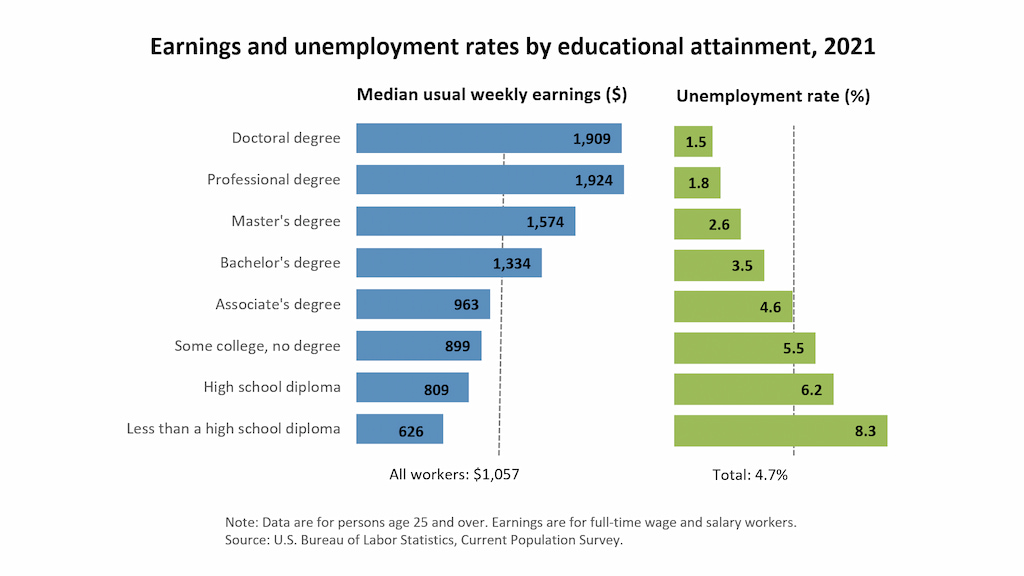
Similarly, specific roles in the entertainment industry in Los Angeles, healthcare professionals, and certain legal and financial professions also offer salaries far exceeding the state average. Individuals in these fields often have substantial disposable income, enabling them to afford luxurious accommodations, frequent international travel, and exclusive experiences, contributing to California’s robust luxury tourism market and high-end lifestyle offerings. This wealth also supports a thriving ecosystem of premium hotels, bespoke travel agencies, and unique attractions designed for discerning travelers.
Entry-Level and Service Industry Wages
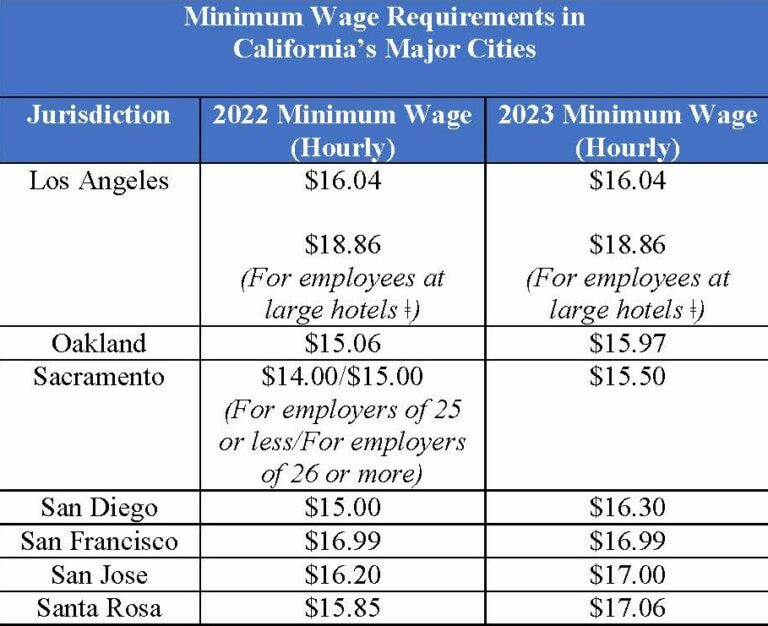
On the other end of the spectrum, many essential jobs in California, particularly in the service industry, hospitality, and retail, pay closer to the state’s minimum wage. While California has one of the highest minimum wages in the U.S. (reaching $16.00 per hour for many employers in 2024), it often isn’t enough to comfortably cover the cost of living in major metropolitan areas, especially for those supporting families.
This demographic forms the backbone of the tourism industry, working in hotels, restaurants, theme parks like Universal Studios Hollywood and SeaWorld San Diego, and various attractions. Their wages, while allowing for basic necessities, often limit their own ability to explore California’s diverse travel offerings or afford more than budget-friendly accommodation when they do travel. This creates a fascinating dynamic where the very people who facilitate California’s tourism often struggle to partake in it themselves, highlighting the state’s economic disparities.
Lifestyle and Travel: The Impact of California’s Paycheck
The average pay in California isn’t just a number; it’s a determinant of lifestyle, directly influencing how and where Californians live, work, and play. For a travel and lifestyle website, understanding this connection is paramount, as it shapes the choices people make regarding their leisure, accommodation, and exploration.
Affording the California Dream: Housing and Daily Expenses
The “California Dream” of a comfortable life under the sun is a powerful draw, but its affordability hinges significantly on income. High housing costs mean that many residents, even those earning above the national average, often commute long distances from more affordable inland cities to coastal job centers. This phenomenon directly impacts travel patterns; weekend getaways or staycations at local hotels become more appealing alternatives to expensive international trips for those managing tight budgets.
Daily expenses, from groceries to transportation, are also elevated. This forces many to make careful budgeting decisions, which can influence their choices between luxury experiences and more budget-friendly alternatives. For example, a family might opt for camping in a national park like Yosemite or Sequoia rather than an expensive resort stay. The average pay, therefore, dictates the accessibility of certain aspects of the Californian lifestyle, from waterfront dining to spontaneous road trips.
Travel and Leisure for Californians
How do Californians travel given their diverse income levels?
- Luxury Travelers: Those in high-paying tech or entertainment roles can afford the finest experiences. Think private villas in Malibu, stays at five-star resorts in Beverly Hills like the Beverly Wilshire, A Four Seasons Hotel, exclusive tours of Napa Valley wineries, or international trips to exotic destinations. Their income supports a vibrant luxury tourism sector both within and outside California.
- Mid-Range Travelers: The average Californian might prioritize domestic travel, exploring the state’s vast offerings. Weekend trips to San Diego’s beaches, cultural excursions to San Francisco’s museums, or exploring the natural wonders of Lake Tahoe and the Redwood National Park become accessible. They might opt for well-reviewed mid-range hotels, vacation rentals, or consider package deals.
- Budget-Conscious Travelers: For those with lower incomes, travel often involves careful planning. Camping, visiting free landmarks, exploring local parks, or leveraging budget accommodation options like hostels or economy hotels become key. Even a trip to Disneyland can require significant saving. Many also engage in “staycations,” exploring their local area for unique cultural experiences or hidden gems, highlighting the importance of local tourism initiatives.
The average pay, therefore, doesn’t just dictate if one can travel, but how, where, and what kind of experiences are within reach. This makes travel guidance and accommodation comparisons all the more vital for a Californian audience.
Career Opportunities in Hospitality and Tourism
For those looking to move to California and work in the travel, hotel, or tourism sectors, understanding average pay is critical. While some management or specialized roles can be well-compensated, many entry-level positions often fall below the state’s overall average.
However, the sheer volume of tourists and the robust nature of the industry mean there are always opportunities. Cities like Anaheim (home to Disneyland Resort), Orlando (though outside California, a relevant comparison for theme park economies), Los Angeles, and San Francisco are constantly hiring for roles in hotels, resorts, attractions, tour companies, and restaurants. For those passionate about travel and culture, and willing to navigate the state’s cost of living, these careers offer a pathway to experience California’s dynamic environment firsthand, even if the starting pay requires careful budgeting and strategic living choices.
Making the Most of Your Income in California
Navigating California’s economic landscape requires strategy, whether you’re a long-time resident or contemplating a move. Understanding the nuances of average pay and cost of living can empower individuals to maximize their quality of life and travel experiences.
Strategic Living: Where to Settle and Why
Choosing where to live in California is perhaps the most significant financial decision. For those whose professions don’t tie them to the highest-cost coastal cities, exploring inland alternatives or smaller communities can dramatically improve financial well-being. Cities in the Central Valley like Sacramento, Fresno, or Bakersfield offer significantly lower housing costs, allowing an average salary to stretch much further. This provides more disposable income for travel, leisure, or even investing in a future move to a more expensive area.
Even within coastal regions, careful research can uncover more affordable pockets. For instance, parts of the Inland Empire offer a balance between proximity to Los Angeles attractions and a more manageable cost of living. For those prioritizing a specific lifestyle, such as proximity to nature (e.g., Lake Tahoe or the Redwood National Park areas), the trade-off in average local wages might be justified by a desired quality of life and access to unique landmarks and outdoor activities.
Maximizing Travel Experiences on Any Budget
Regardless of income, California offers an astounding array of travel and tourism experiences. Strategic planning is key.
- Embrace Road Trips: California’s vastness makes road trips an ideal and often budget-friendly way to explore. From the scenic Pacific Coast Highway to routes through national parks, the journey itself can be the destination.
- Utilize Public Lands: California is home to numerous national parks, state parks, and national forests. Camping, hiking, and exploring these natural landmarks offer incredible experiences at minimal cost.
- Leverage Off-Peak Travel: Visiting popular destinations like Yosemite National Park or San Francisco during the off-season can lead to significant savings on accommodation, from hotels to vacation rentals.
- Seek Out Local Gems: Beyond the famous landmarks, every city and town in California has its unique cultural attractions, local eateries, and hidden parks. These often provide authentic experiences without the high price tag of major tourist traps.
- Consider Alternative Accommodations: Beyond traditional hotels, look into guesthouses, boutique inns, or even glamping experiences that can offer unique stays at various price points. Long-term stay options might include serviced apartments or villa rentals for extended trips, which can be more cost-effective than nightly hotel rates.
In conclusion, “average pay” in California is a figure that tells only part of the story. It’s a state of immense economic contrasts, where high salaries in tech centers clash with challenging costs of living, and rural communities offer different financial realities. For those drawn to the Golden State’s vibrant lifestyle, iconic landmarks, and endless travel opportunities, understanding these economic currents is not just smart planning; it’s essential for truly embracing the diverse and dynamic experience that California has to offer. Whether seeking luxury travel or budget-friendly adventures, the journey through California’s economic landscape is as fascinating as its breathtaking scenery.
LifeOutOfTheBox is a participant in the Amazon Services LLC Associates Program, an affiliate advertising program designed to provide a means for sites to earn advertising fees by advertising and linking to Amazon.com. Amazon, the Amazon logo, AmazonSupply, and the AmazonSupply logo are trademarks of Amazon.com, Inc. or its affiliates. As an Amazon Associate we earn affiliate commissions from qualifying purchases.