
California, a land of diverse landscapes from the sun-drenched beaches of Southern California to the majestic redwoods of the north, and vibrant cities like Los Angeles, San Francisco, and San Diego, attracts millions annually. Whether you’re considering an extended stay, embarking on a long-term relocation, or are a digital nomad establishing a temporary base, understanding the local support systems available can be incredibly valuable. While our primary focus at Life Out Of The Box revolves around travel, accommodation, and lifestyle experiences, we also recognize the importance of practical information for those making California their home, even for a significant period.
The cost of living in many parts of California can be substantial, and even well-planned budgets can face unexpected challenges. For residents and long-term visitors who meet specific criteria, the state offers crucial food assistance. Known officially as CalFresh, this program provides monthly benefits on an Electronic Benefit Transfer (EBT) card to help low-income individuals and families purchase nutritious food. This guide aims to demystify the CalFresh application process, offering a clear, step-by-step approach for those who may need this essential support during their time in the Golden State.
Understanding CalFresh: California’s Food Assistance Program
Before delving into the application specifics, it’s vital to understand what CalFresh is and how it functions. Often referred to as “food stamps” due to its historical predecessor, CalFresh is California’s version of the federal Supplemental Nutrition Assistance Program (SNAP). It’s designed to combat food insecurity by providing financial aid specifically for groceries.
The program is administered at the county level, meaning while the rules are statewide and federal, your specific application and ongoing case management will be handled by your local county social services office. This decentralized approach ensures that services can be tailored to the unique needs of different regions within California, from the bustling urban centers to more rural communities.
What Exactly is CalFresh?
CalFresh provides eligible households with benefits that can be used like money to buy food at most grocery stores, farmers’ markets, and even some online retailers. The goal is to supplement a household’s food budget, allowing them to afford healthier options and reduce the strain of daily expenses. It’s not a cash benefit; it’s exclusively for food purchases, excluding non-food items like alcohol, tobacco, vitamins, pet food, and prepared hot foods from restaurants (though some specific exceptions exist for homeless or elderly individuals in certain areas).
The program emphasizes nutrition, aiming to improve the health and well-being of its recipients. For those exploring California for an extended period, perhaps settling in a new neighborhood, understanding this resource can be a cornerstone of sustainable living, ensuring access to quality food while managing other costs like accommodation or local tourism activities.
The EBT Card: Your Key to CalFresh Benefits
Once approved for CalFresh, you will receive an Electronic Benefit Transfer (EBT) card. This card functions much like a debit card. Each month, your allocated CalFresh benefits are automatically loaded onto this card. When you shop for groceries, you simply swipe your EBT card at the checkout, enter your Personal Identification Number (PIN), and the cost of your eligible food items is deducted from your balance.
The EBT card is a discreet and convenient way to access benefits, offering dignity and ease of use. It allows recipients to shop alongside other customers without any noticeable difference, fostering inclusion. Many grocery stores across California, from large chains to local markets, accept EBT, making it widely accessible for food purchases no matter where you might be residing within the state.
Eligibility Requirements: Who Can Apply for CalFresh?
Determining eligibility for CalFresh involves several factors, primarily focused on income, household size, residency status, and citizenship. It’s important to note that this program is primarily for residents of California. While long-term visitors may eventually establish residency, short-term tourists are generally not eligible. The following sections outline the key criteria.
Income Thresholds and Household Size
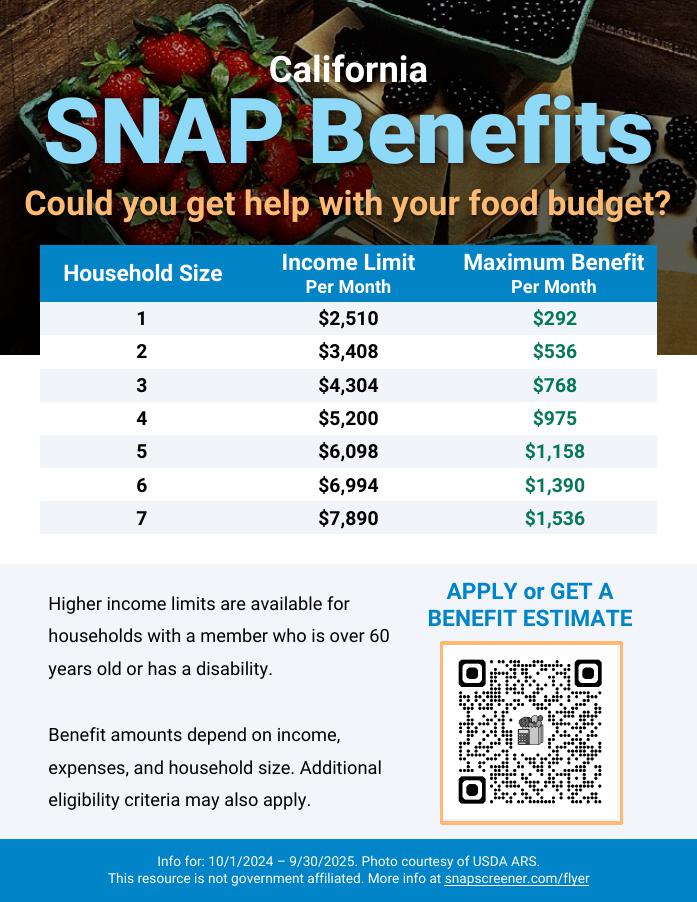
The most significant factor in CalFresh eligibility is your household’s gross and net monthly income. These limits are subject to change annually and vary based on the number of people in your household. Generally, your gross monthly income (before deductions) must be at or below 200% of the federal poverty level for your household size. Your net monthly income (after allowed deductions for expenses like housing, utilities, child care, and medical costs) typically needs to be below 100% of the federal poverty level.
For instance, a single individual will have a different income threshold than a family of four. The program takes into account earned income, unearned income (such as Social Security, unemployment benefits), and various deductions to calculate eligibility and benefit amounts. It’s crucial to have a clear understanding of your household’s income and expenses when applying.
Residency and Citizenship/Immigration Status
To be eligible for CalFresh, you must be a resident of California. This means you intend to live in the state and do not reside elsewhere. While you don’t need to be a U.S. citizen, you must be a qualified non-citizen. This includes:
- Lawful Permanent Residents (Green Card holders)
- Refugees
- Asylees
- Cuban/Haitian Entrants
- Parolees (for at least one year)
- Battered immigrants and their children
- Victims of trafficking
- Certain Native Americans
Undocumented immigrants are generally not eligible for CalFresh. However, they may be eligible for other food assistance programs, particularly for their U.S. citizen or qualified non-citizen children. It’s a complex area, and anyone with questions about their specific immigration status and eligibility should seek advice from their county social services office or a legal aid organization specializing in immigration.
Special Considerations
There are a few other important points regarding eligibility:
- Students: College students aged 18-49 who are otherwise eligible for CalFresh must meet additional requirements, such as working at least 20 hours per week, participating in certain work-study programs, or caring for a child, among others.
- Seniors and People with Disabilities: There are often special rules and exemptions for individuals aged 60 and older or those with disabilities, which can simplify the application process or increase benefit amounts. For example, medical expenses can often be deducted.
- Work Requirements: Most able-bodied adults without dependents (ABAWDs) between ages 18-50 must meet certain work requirements to remain eligible for CalFresh for more than three months in a 36-month period. This typically involves working or participating in a work program for a minimum number of hours.
Understanding these nuances is key. For those considering a long-term stay in California, perhaps in a charming apartment in Santa Monica or a vibrant community in Oakland, ensuring you meet these criteria is the first step toward accessing support.
The Application Process: A Step-by-Step Guide
Applying for CalFresh can seem daunting, but by breaking it down into manageable steps, the process becomes much clearer. The state of California has made significant efforts to streamline applications, including online options, to ensure more people can access help efficiently.
Choosing Your Application Method
You have several avenues to apply for CalFresh:
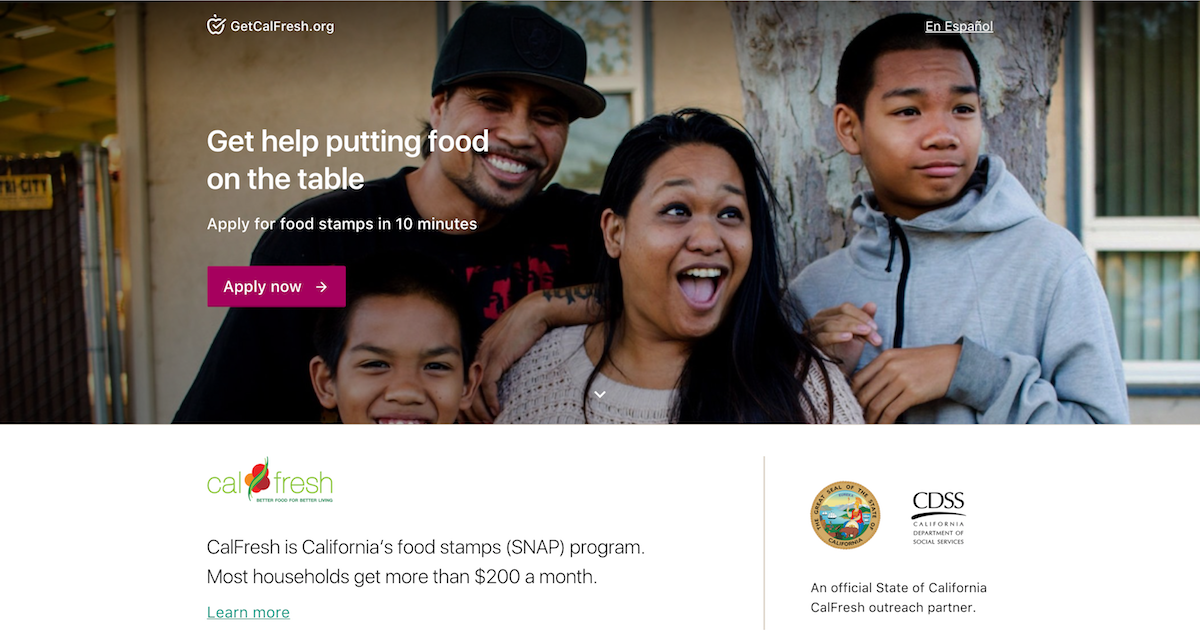
- Online (Recommended): The easiest and often fastest way to apply is through GetCalFresh.org. This user-friendly website guides you through the application questions, allows you to upload documents, and can often provide preliminary eligibility checks. It’s accessible 24/7, making it convenient for applicants across all California time zones.
- In-Person: You can visit your local county social services office. This option is beneficial if you prefer face-to-face assistance, have complex questions, or need help with document submission. Offices are available in every county, from San Bernardino to Humboldt.
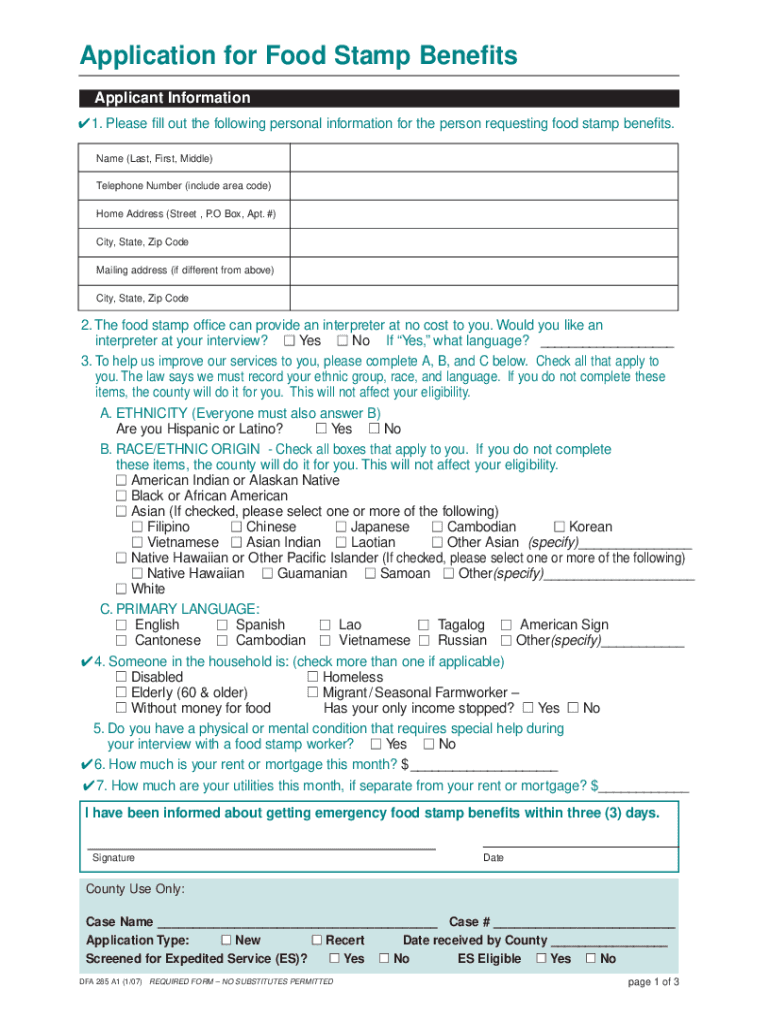
- By Mail or Fax: You can download the CalFresh application form (Form SAWS 2) from the California Department of Social Services website, complete it, and mail or fax it to your county office. While less immediate, this provides an alternative for those without easy internet access or who prefer paper forms.
Gathering Your Documents
Regardless of how you apply, you’ll need to provide documentation to verify your eligibility. Having these ready can significantly speed up the process. Essential documents typically include:
- Proof of Identity: California Driver’s License or ID, passport, birth certificate.
- Proof of Residency: Utility bill (electricity, gas, water), rent receipt, mail with your current address.
- Proof of Income: Pay stubs (for the past 30 days), employer statements, award letters for unemployment or Social Security, tax returns (if self-employed).
- Proof of Assets (if applicable): Bank statements (though asset limits are generally higher or waived for most CalFresh applicants).
- Proof of Household Members: Birth certificates for children, school records.
- Proof of Expenses (to increase benefits): Rent or mortgage statements, utility bills, child care receipts, medical expenses for those over 60 or with disabilities.
- Proof of Immigration Status (if applicable): Green Card, visa, or other USCIS documents for qualified non-citizens.
The more comprehensive your documentation, the smoother your application review will be.
The Interview
After submitting your application, a county worker will schedule an interview, which can often be conducted over the phone. During this interview, the worker will review your application, ask clarifying questions about your household, income, and expenses, and verify the information you provided. This is your opportunity to ask questions and ensure all details are correctly recorded. The interview is a mandatory step for most applicants, designed to ensure accuracy and assess eligibility fairly.
Processing Time and Expedited Service
Once your interview is complete and all necessary documents are submitted, your county office has 30 days to process your application and notify you of their decision.
However, if your household is in immediate need and meets certain criteria (e.g., very low income and liquid assets, or homelessness), you may qualify for expedited service. If approved for expedited service, you could receive CalFresh benefits within three days, helping bridge critical food gaps. Be sure to mention if you believe you qualify for expedited service during your application or interview.
Beyond the Application: Managing Your Benefits and Seeking Support
Receiving CalFresh benefits is not just a one-time event; it’s an ongoing program that requires some management to ensure continued eligibility and maximize your support. For long-term residents, understanding these maintenance steps is crucial.
Receiving and Using Your Benefits
Once approved, your EBT card will be mailed to you. Upon receipt, you’ll need to activate it by calling the provided toll-free number and selecting a PIN. Your monthly benefits will then be automatically loaded onto this card on a set schedule, typically within the first 10 days of each month.
Using your card is straightforward: swipe it at the point of sale, enter your PIN, and the purchase amount is deducted. It’s wise to keep track of your balance, which you can check by calling the customer service number on the back of your card, logging into the EBT online portal, or checking your last receipt.
Reporting Changes and Renewing Your Benefits
Maintaining your CalFresh eligibility requires you to report certain changes to your county office within 10 days. These changes include:
- A significant increase in household income.
- A change in the number of people in your household (e.g., someone moves in or out).
- A change in residency.
- Winning the lottery or receiving a large inheritance.
Failure to report these changes can lead to overpayments, which you may have to repay.
Your CalFresh benefits are not indefinite. You will typically need to renew your benefits every six to twelve months, depending on your household circumstances. Your county office will send you a renewal packet or notification. You’ll need to complete and return this packet and may have another interview to re-verify your eligibility. Staying on top of renewal deadlines ensures uninterrupted access to your benefits.
Resources and Additional Support
Navigating food assistance can sometimes be complex, but numerous resources are available to help:
- Your County Social Services Office: This is your primary point of contact for all CalFresh-related questions, applications, and case management. Staff are trained to assist you through every step.
- Food Banks and Pantries: Organizations like the California Association of Food Banks and local food pantries provide emergency food assistance to anyone in need, regardless of CalFresh eligibility. Many operate regular distribution events.
- 211 Service: Dialing 211 connects you to a comprehensive network of local health and human services, including food assistance, housing, and utility help. This free, confidential service operates statewide.
- Legal Aid and Advocacy Groups: Various non-profit organizations offer free legal assistance and advocacy for individuals facing challenges with their CalFresh applications or benefits.
For those embracing the California lifestyle, whether settling in a vibrant community like Venice Beach or exploring the natural beauty near Yosemite National Park, being informed about programs like CalFresh ensures a more stable and secure experience. While our platform celebrates the joys of travel, tourism, and discovering incredible hotels and landmarks, we believe in equipping our readers with practical knowledge for all aspects of life out of the box, especially for those making California their temporary or permanent home.
LifeOutOfTheBox is a participant in the Amazon Services LLC Associates Program, an affiliate advertising program designed to provide a means for sites to earn advertising fees by advertising and linking to Amazon.com. Amazon, the Amazon logo, AmazonSupply, and the AmazonSupply logo are trademarks of Amazon.com, Inc. or its affiliates. As an Amazon Associate we earn affiliate commissions from qualifying purchases.