
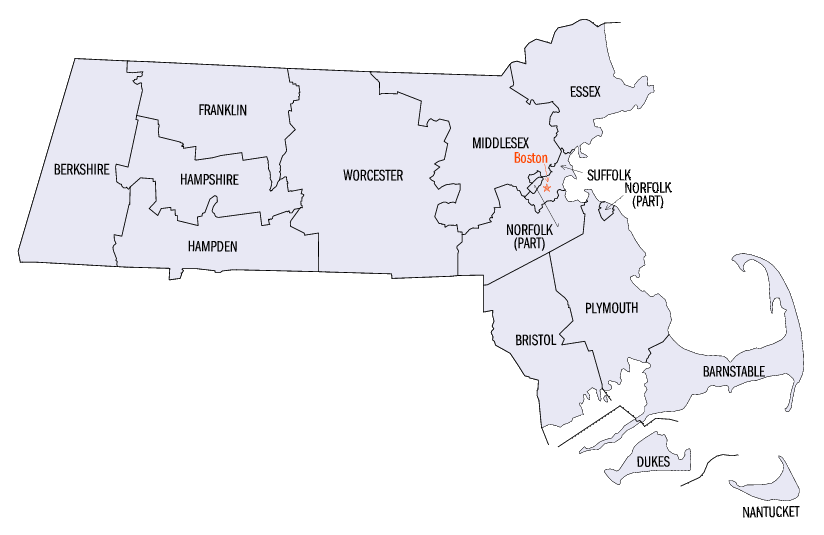
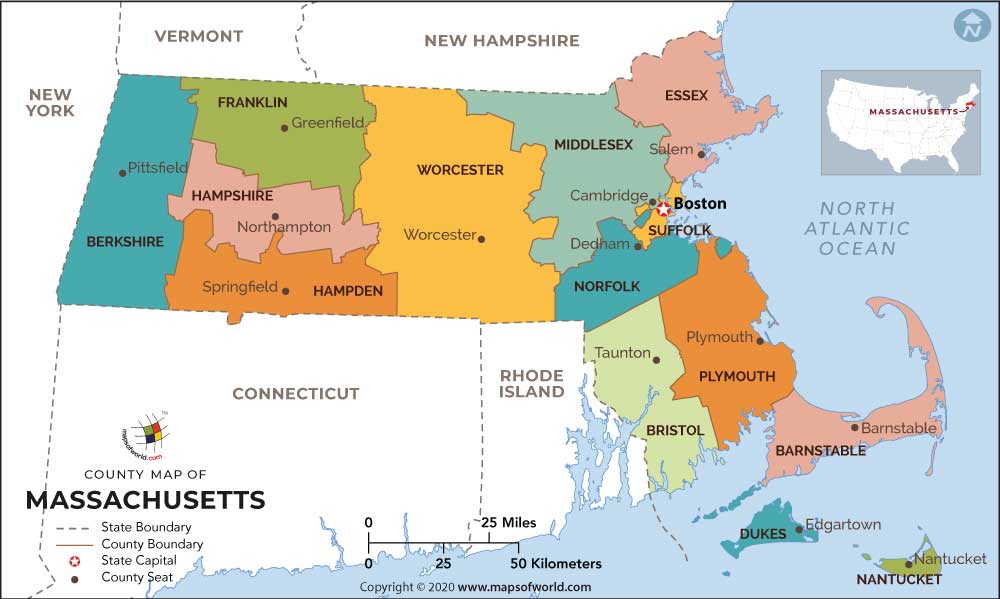
Boston, the vibrant capital city of Massachusetts and a cornerstone of American history, is situated firmly within Suffolk County. As one of the oldest municipalities in the United States, Boston holds a unique position, not only as the largest city in New England but also as a hub of culture, education, and innovation. For travelers planning a visit, understanding Boston’s geographical and administrative context, particularly its county affiliation, provides a clearer picture of its regional significance and helps navigate the wealth of attractions and experiences it offers.
Boston’s Geographical and Administrative Identity
While the immediate answer to “What county is Boston?” is straightforward – Suffolk County – the implications of this geographical placement extend far beyond a simple label. Boston serves as the county seat, a distinction that underscores its administrative and economic importance within the region. The city’s storied past and dynamic present are intrinsically linked to its location on the Atlantic coast, influencing everything from its early colonial development to its current status as a global city.
Suffolk County: A Hub of History and Modernity
Suffolk County is one of the smallest counties in Massachusetts by land area, yet it is one of the most densely populated due to the presence of Boston. Established in 1643, it holds a significant place in the state’s historical narrative, being among the original four counties created in the Massachusetts Bay Colony. Beyond Boston, the county also encompasses the municipalities of Revere, Chelsea, and Winthrop, each contributing to the diverse tapestry of the region.
Boston, as the heart of Suffolk County, is where much of the county’s governmental infrastructure, major judicial facilities, and historical landmarks are concentrated. This administrative concentration makes it a natural focal point for both residents and visitors. From the historic courthouses that have witnessed pivotal legal battles to modern governmental buildings that shape the city’s future, Suffolk County embodies a seamless blend of past and present. The county’s compact size means that travel between its various points of interest is relatively easy, allowing visitors to explore different facets of the region without extensive commutes.
Beyond the County Line: Greater Boston and its Influence
While Suffolk County defines Boston’s immediate administrative boundary, the concept of “Greater Boston” paints a broader picture of its economic, cultural, and social reach. This metropolitan area extends far beyond the county lines, encompassing numerous cities and towns across Middlesex County, Norfolk County, Essex County, and Plymouth County. Understanding this wider regional influence is crucial for travelers, as many iconic institutions and attractions associated with Boston are, in fact, located just outside Suffolk County but remain integral to the overall Bostonian experience.
For instance, world-renowned educational institutions like Harvard University and the Massachusetts Institute of Technology (MIT) are located in Cambridge, which is in Middlesex County. Yet, they are undeniably part of the Greater Boston academic landscape that draws millions of visitors and prospective students annually. This interconnectedness means that when planning a trip to Boston, it’s beneficial to consider the broader metropolitan area to fully appreciate its diverse offerings. Whether it’s exploring the historic homes of Concord, enjoying the beaches of the North Shore, or visiting family-friendly attractions in the surrounding suburbs, the geographical scope of a “Boston trip” can be as expansive as one desires.
Experiencing Boston: Top Attractions and Landmarks
Boston is a city steeped in history, offering an unparalleled journey through America’s foundational moments while simultaneously showcasing a vibrant, modern urban landscape. For any traveler, the sheer density of historical landmarks, cultural institutions, and scenic spots can be overwhelming. Focusing on the city’s distinct neighborhoods and themed trails helps create a coherent itinerary that caters to various interests.
Historic Trails and Waterfront Wonders
No visit to Boston would be complete without walking the famous Freedom Trail. This 2.5-mile-long, red-lined path guides visitors to 16 historically significant sites, telling the story of the American Revolution and beyond. Starting at Boston Common, the oldest city park in the United States, the trail winds through the heart of the city, passing iconic landmarks such as the majestic Massachusetts State House with its gleaming gold dome, the historic Park Street Church, and the ancient gravestones of the Granary Burying Ground, where Samuel Adams, John Hancock, and Paul Revere are interred.
Further along the Freedom Trail, visitors encounter King’s Chapel and its adjacent burying ground, the site of the Old South Meeting House where plans for the Boston Tea Party were hatched, and the Old State House, from whose balcony the Declaration of Independence was first read to Bostonians. The site of the Boston Massacre is marked nearby. The trail then leads to Faneuil Hall, known as the “Cradle of Liberty,” and into the charming North End neighborhood, home to the Paul Revere House and the Old North Church, famous for its “one if by land, two if by sea” signal. The journey concludes across the Charlestown Bridge in Charlestown with a visit to the USS Constitution, the oldest commissioned warship afloat, and the towering Bunker Hill Monument, commemorating one of the earliest battles of the American Revolution.
Beyond the Freedom Trail, Boston’s waterfront offers a different perspective on the city’s maritime heritage. The Boston Harborwalk provides miles of public access along the harbor, connecting parks, wharves, and attractions. Here, you can visit the New England Aquarium, a leading center for marine conservation, or step back in time at the Boston Tea Party Ships & Museum, an immersive experience that brings the famous act of defiance to life.

Culture, Art, and Green Spaces
Boston’s cultural scene is as rich as its history. The Museum of Fine Arts (MFA) is one of the most comprehensive art museums in the world, boasting an encyclopedic collection spanning centuries and continents. Nearby, the exquisite Isabella Stewart Gardner Museum, housed in a Venetian-style palace, offers a unique blend of art, architecture, and garden design, famous also for its unsolved art heist. For those with a scientific curiosity, the Museum of Science, located on the Charles River Dam, provides engaging exhibits for all ages, including a planetarium and an IMAX theater.
Green spaces are an integral part of Boston’s urban fabric, offering tranquil escapes from the bustling city. The Boston Public Garden, adjacent to Boston Common, is the first botanical garden in America, renowned for its Victorian-era landscaping, swan boats, and the iconic “Make Way for Ducklings” sculpture. These two parks form the beginning of the Emerald Necklace, a 1,100-acre chain of parks linked by parkways and waterways, designed by Frederick Law Olmsted. Further along the Emerald Necklace lies the Arnold Arboretum, a research institution and public park managed by Harvard University, showcasing diverse plant collections.
Exploring Boston’s distinct neighborhoods also offers a deep dive into its unique character. Beacon Hill, with its cobblestone streets, gas lamps, and elegant brick row houses, exudes old-world charm. Back Bay is famous for its Victorian brownstones, high-end shopping on Newbury Street, and architectural marvels like the Boston Public Library and Trinity Church. And as mentioned, the North End is Boston’s oldest residential neighborhood, renowned for its rich Italian-American heritage and some of the best Italian food outside of Italy.
Accommodation and Lifestyle in the Heart of New England
When it comes to planning a trip to Boston, choosing the right accommodation and immersing oneself in the local lifestyle are key to a memorable experience. The city offers a wide array of lodging options, catering to every preference and budget, from luxurious hotels to charming boutique stays and practical apartments.
Hotels and Lodging Options
Boston’s accommodation landscape is diverse, reflecting its status as a major travel destination. For those seeking the pinnacle of luxury, hotels like the Four Seasons Hotel One Dalton Street, Boston, the Mandarin Oriental, Boston, and The Ritz-Carlton, Boston offer impeccable service, opulent amenities, and prime locations in areas like the Back Bay. These establishments are perfect for discerning travelers looking for an indulgent experience, often featuring gourmet dining, world-class spas, and breathtaking city views.
Mid-range options are plentiful and provide excellent value without compromising on comfort or convenience. The Hotel Commonwealth in Kenmore Square offers a blend of boutique charm and sophisticated style, particularly appealing to visitors attending events at nearby Fenway Park or visiting Boston University. Larger chain hotels, such as the Boston Marriott Copley Place, provide reliable services, extensive facilities, and often direct access to shopping and convention centers.
For a more unique stay, Boston boasts a selection of boutique hotels that capture the city’s distinctive character. The Godfrey Hotel Boston, nestled in the historic Downtown Crossing area, combines Gothic Revival architecture with modern design. XV Beacon, a luxurious boutique hotel on Beacon Hill, offers an intimate atmosphere with personalized service, making it a favorite for those seeking an exclusive experience in a picturesque setting.
Budget-conscious travelers can find numerous hostels, guesthouses, and increasingly, vacation rental apartments that offer more space and flexibility, especially for long-term stays or family trips. These options are often found in slightly less central neighborhoods but are usually well-connected by Boston’s efficient public transportation system, the MBTA (or “T”).
Culinary Delights and Local Experiences
Boston’s culinary scene is a vibrant reflection of its heritage and diverse population. Seafood is a must-try, with lobster rolls and creamy clam chowder being quintessential local dishes found in countless eateries, from casual shacks on the waterfront to upscale dining rooms. The North End remains the undisputed capital for authentic Italian cuisine, with generations-old bakeries, trattorias, and ristorantes lining its narrow streets. The city’s strong Irish roots also mean a plethora of traditional Irish pubs, offering hearty comfort food and a lively atmosphere.
Shopping in Boston caters to all tastes. Newbury Street in Back Bay is renowned for its high-end boutiques, art galleries, and charming cafes, offering a sophisticated retail experience. For a more comprehensive indoor shopping spree, Copley Place and the Prudential Center house a variety of national retailers and luxury brands, connected by skywalks.
Sports are deeply ingrained in the Boston lifestyle, and catching a game is an iconic experience. Baseball fans flock to Fenway Park, the oldest Major League Baseball stadium, to cheer on the beloved Boston Red Sox. The energy of a game day around Fenway is palpable and offers a true taste of local passion.
Beyond sports, Boston offers a rich tapestry of performing arts, live music venues, and seasonal festivals that celebrate everything from cherry blossoms in spring to fall foliage in autumn. Its proximity to top-tier universities also infuses the city with intellectual vitality, making it a hub for innovation, lectures, and artistic performances year-round.
Planning Your Boston Trip: Tips for Travelers
Making the most of your visit to Boston involves a bit of strategic planning. Considering the best time to visit, efficient transportation, and how to budget will enhance your experience in Suffolk County and the wider Greater Boston area.
The best time to visit Boston largely depends on your interests. Spring (April to June) offers pleasant temperatures, blooming public gardens, and fewer crowds than the peak summer months. Summer (July and August) is vibrant with outdoor activities, concerts, and harbor cruises, though it can be hot and busy. Fall (September and October) is arguably the most picturesque, with cooler weather and the spectacular changing leaves providing a stunning backdrop, especially if you venture beyond the city into other parts of New England. Winter (November to March) can be cold and snowy but brings holiday cheer, cozy indoor attractions, and lower hotel rates.
Transportation in Boston is relatively easy. The city is very walkable, particularly downtown and within neighborhoods like Beacon Hill and the North End. For longer distances, the MBTA, with its subway, bus, and commuter rail services, is efficient and extensive. Purchasing a CharlieCard for multiple rides is convenient. Taxis and rideshares are also readily available. For those planning to explore the broader Greater Boston area or embark on a New England road trip, renting a car might be advisable, though parking in Boston itself can be challenging and expensive. Consider walking tours, like those along the Freedom Trail, to gain insightful historical context.
Budgeting tips are crucial for any trip. While Boston can be an expensive city, there are ways to save. Many attractions, like walking the Freedom Trail, exploring Boston Common and the Public Garden, or strolling through vibrant neighborhoods, are free. Look for free museum days or discounted passes. Eating like a local at casual diners or food markets can save on meal costs compared to fine dining. Consider accommodation outside the immediate city center for more budget-friendly options, utilizing the MBTA for access.
For family-friendly activities, Boston shines. The New England Aquarium, Museum of Science, and the Boston Children’s Museum offer engaging experiences for kids of all ages. Seasonal events, whale watching tours from the harbor, and picnics in the city’s beautiful parks also provide memorable family moments.
Ultimately, Boston in Suffolk County is more than just a dot on the map; it’s a living museum, a cultural powerhouse, and a modern city brimming with opportunities for exploration and enjoyment. Whether you’re delving into its revolutionary past, savoring its culinary delights, or simply enjoying the vibrant urban atmosphere, a trip to Boston promises a rich and rewarding travel experience.
LifeOutOfTheBox is a participant in the Amazon Services LLC Associates Program, an affiliate advertising program designed to provide a means for sites to earn advertising fees by advertising and linking to Amazon.com. Amazon, the Amazon logo, AmazonSupply, and the AmazonSupply logo are trademarks of Amazon.com, Inc. or its affiliates. As an Amazon Associate we earn affiliate commissions from qualifying purchases.