
Embarking on a journey to the heartland of America, the great state of Oklahoma promises a unique blend of vibrant city life, rich Native American heritage, stunning natural landscapes, and the legendary spirit of the Old West. Whether you’re planning a weekend getaway, a cross-country adventure, or an extended stay, one of the most fundamental pieces of information you’ll need to streamline your trip is understanding the local time. So, what time is it in Oklahoma?
The answer is delightfully straightforward, simplifying travel planning and daily activities across the entire state. Oklahoma uniformly observes the Central Time Zone. This means that from its northern border with Kansas to its southern expanse touching Texas, and from its western edge near the Oklahoma Panhandle bordering Colorado and New Mexico to its eastern counties sharing boundaries with Arkansas and Missouri, every clock ticks in unison. For travelers, this unified approach eliminates the confusion of navigating multiple time zones within a single destination, allowing for seamless transitions between different attractions, accommodation bookings, and scheduled events. Knowing this crucial detail upfront sets the stage for a well-organized and stress-free exploration of all that Oklahoma has to offer, from its bustling urban centers like Oklahoma City and Tulsa to its tranquil natural retreats.

Central Standard Time: The Heart of Oklahoma’s Clock
Oklahoma’s adherence to the Central Time Zone places it six hours behind Coordinated Universal Time (UTC-6) during standard observation, known as Central Standard Time (CST). This time zone is a common sight across many states in the central United States, reflecting a regional consistency that aids both residents and visitors in daily life and travel. For those traveling from the Eastern Time Zone, Oklahoma will be one hour behind; from the Mountain Time Zone, it will be one hour ahead; and from the Pacific Time Zone, Oklahoma will be two hours ahead. This understanding is key for coordinating flight arrivals, virtual meetings, or simply calling friends and family back home.
Understanding CST and CDT: A Seasonal Shift
Like much of the United States, Oklahoma observes Daylight Saving Time (DST). This means that the clocks “spring forward” by one hour on the second Sunday in March, shifting from Central Standard Time (CST) to Central Daylight Time (CDT). During CDT, Oklahoma is five hours behind Coordinated Universal Time (UTC-5). This change brings longer daylight hours into the evening, which is particularly beneficial for travelers looking to maximize their outdoor activities, sightseeing, and evening entertainment during the warmer months.
The clocks then “fall back” one hour on the first Sunday in November, returning to Central Standard Time (CST). This biannual adjustment is a routine part of life in Oklahoma, and while it can sometimes cause minor confusion for those not accustomed to it, modern devices like smartphones and computers typically adjust automatically. For manual clocks or specific travel plans, it’s always wise to double-check the current time as Daylight Saving Time begins or ends. This seasonal shift not only impacts when the sun rises and sets but also subtly influences the rhythm of local life, from restaurant closing times to the scheduling of community events.
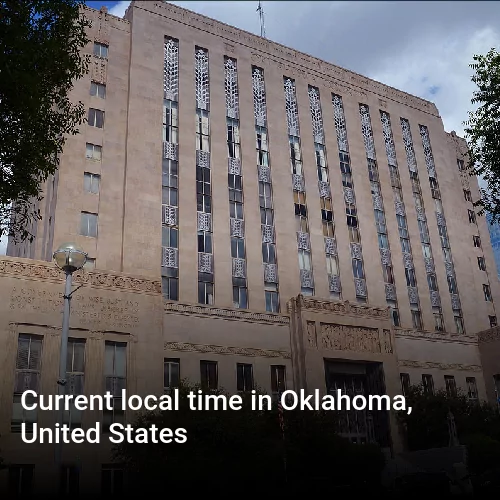
Why Oklahoma Stays Unified: No Internal Splits
One of the great conveniences for visitors to Oklahoma is the complete lack of internal time zone divisions. Unlike some larger states that span multiple time zones, or even those with historical quirks that create small, isolated pockets observing a different time, Oklahoma stands united under the Central Time Zone. This geographic and temporal uniformity is a blessing for tourism, simplifying logistical planning for multi-city itineraries, road trips across the state, or even just day excursions.
Imagine embarking on a scenic drive along a portion of Historic Route 66, from the charming town of Miami in the northeast to the vibrant Oklahoma City metropolitan area. Throughout your journey, you won’t need to worry about adjusting your watch or calculating time differences. This allows for a more relaxed and enjoyable travel experience, where the focus remains on soaking in the unique attractions and natural beauty, rather than grappling with time zone complexities. The absence of time zone splits means that tour operators, hotel chains, and local businesses can maintain consistent operating hours statewide, providing a predictable schedule for travelers to follow.
Planning Your Oklahoma Adventure: Time Zone Considerations for Travelers
Understanding Oklahoma’s time zone is more than just a trivial detail; it’s a foundational element for meticulous travel planning. From the moment you book your flight to the last souvenir purchase, time plays a pivotal role. Aligning your personal schedule with the local clock ensures a smooth, enjoyable, and efficient visit, allowing you to immerse fully in the Oklahoma experience without unnecessary hurdles.
Flights, Check-Ins, and Reservations: Navigating Your Schedule
For air travelers, especially those arriving from distant time zones, coordinating flight times with local Oklahoma time is paramount. An evening arrival might feel like late night or early morning depending on your origin, impacting your immediate plans for transport or check-in at your chosen accommodation. Major airports like Will Rogers World Airport in Oklahoma City and Tulsa International Airport operate on Central Time, and all flight schedules will reflect this. Always confirm your arrival and departure times in local time to avoid missing connections or arriving too late for hotel services.
Hotel check-in and check-out times are also strictly observed in local Oklahoma time. Most establishments, from luxury resorts like the Skirvin Hilton Oklahoma City to cozy boutique hotels such as the 21c Museum Hotel Oklahoma City or the Ambassador Hotel Tulsa, typically have check-in around 3:00 PM or 4:00 PM and check-out by 11:00 AM or 12:00 PM. Factor this into your itinerary, especially if you have early morning arrivals or late evening departures, to prevent any uncomfortable waiting periods or unexpected charges. Pre-booking car rentals, restaurant reservations, guided tours, and tickets for specific attractions also requires a precise understanding of the local time. Popular dining spots in Bricktown or the Blue Dome District can fill up quickly, and securing a reservation at the correct time ensures you don’t miss out on Oklahoma’s diverse culinary scene.

Syncing with Local Life: Events, Dining, and Attractions
Beyond logistical planning, understanding the local time allows you to truly sync with the rhythm of Oklahoma life. This is especially true for experiencing local culture, festivals, and daily routines. Public attractions, such as the Oklahoma City National Memorial & Museum, the Myriad Botanical Gardens, or Tulsa’s renowned Philbrook Museum of Art and Gathering Place, all adhere to Central Time for their operating hours. Missing a closing time by an hour due to time zone miscalculation could mean missing out on a key experience.
Local events and festivals are another area where time awareness is crucial. From annual spectacles like the Oklahoma State Fair or the Tulsa International Mayfest to smaller community gatherings, rodeo shows, or live music performances in Norman or Stillwater, advertised schedules will always be in local Central Time. Dining experiences in Oklahoma also follow a predictable schedule: breakfast hours, lunch rushes, and dinner service typically align with standard Central Time Zone patterns. Planning your meals according to local customs will enhance your experience, allowing you to enjoy fresh, locally sourced ingredients and unique Oklahoma flavors, from savory BBQ to Native American fry bread. Staying attuned to the local clock allows you to embrace the unhurried pace of some rural areas or dive headfirst into the energetic pulse of the larger cities, making the most of every moment.
Beyond the Clock: Maximizing Your Time in Oklahoma
With the simplicity of Oklahoma’s single time zone firmly established, the real adventure begins in making the most of every hour. Oklahoma offers a tapestry of experiences, suitable for every type of traveler – from the history buff and outdoor enthusiast to the art connoisseur and the family seeking fun. Strategic planning, underpinned by an understanding of the local time, allows you to craft an itinerary that balances exploration with relaxation, ensuring a truly memorable trip.
Iconic Landmarks and Must-See Attractions
Oklahoma is replete with landmarks that tell tales of resilience, natural grandeur, and vibrant culture. In Oklahoma City, a visit to the solemn and impactful Oklahoma City National Memorial & Museum is essential for understanding a pivotal moment in American history. Nearby, the revitalized Bricktown Entertainment District offers canal tours, dining, and nightlife, while the National Cowboy & Western Heritage Museum immerses visitors in the lore of the American West. Sports enthusiasts might catch an Oklahoma City Thunder game at the Paycom Center – ensuring you check the tip-off time in CST is critical.
Heading northeast to Tulsa, the Philbrook Museum of Art and the Gilcrease Museum boast world-class collections. The Gathering Place, a sprawling riverside park, offers family-friendly fun and stunning views, perfect for an afternoon stroll. For those interested in Native American history and culture, the Chickasaw Cultural Center in Sulphur provides an unparalleled immersive experience, while the historic lands of the Cherokee Nation, Choctaw Nation, and Osage Nation offer numerous cultural sites and museums.
Nature lovers will find their haven in destinations like Turner Falls Park, home to Oklahoma’s largest waterfall, or the rugged beauty of Robbers Cave State Park, famous for its outlaw history and scenic hiking trails. The Wichita Mountains Wildlife Refuge near Lawton offers opportunities to see free-roaming bison and elk, while the Great Salt Plains State Park allows visitors to dig for selenite crystals. Each of these unique sites has specific operating hours, seasonal variations, and perhaps guided tours that necessitate a keen eye on the clock for optimal enjoyment.
Diverse Accommodation Options for Every Traveler
After a day of exploration, a comfortable and convenient place to rest is paramount. Oklahoma caters to all accommodation preferences and budgets, from luxurious urban hotels to rustic cabins and unique glamping experiences. In Oklahoma City, you can find upscale options in Downtown OKC or Midtown, offering amenities like spas, fine dining, and concierge services. Tulsa also boasts an array of sophisticated hotels, as well as charming bed-and-breakfasts in historic districts.
For those seeking a resort experience, places like the River Spirit Casino Resort in Tulsa or the massive WinStar World Casino and Resort near the Texas border offer comprehensive entertainment, dining, and lodging facilities. Family travelers might prefer spacious suites or vacation rentals, while adventurers could opt for campsites or cabins in one of Oklahoma’s numerous state parks. When booking, always confirm check-in/check-out policies and any time-sensitive amenities like breakfast hours or pool access, all operating on local Central Time. For longer stays or more independent travel, apartments and villas booked through platforms like Airbnb or VRBO provide a home-away-from-home feel, offering greater flexibility in scheduling your day once you’re synced with the local clock.
Immersing in Oklahoma Culture: Food, Festivals, and Friendly Faces
Oklahoma’s culture is a vibrant mosaic of influences, and experiencing it fully requires time, patience, and an open mind. The state’s culinary scene is a delightful surprise, offering everything from classic American comfort food and sizzling steakhouses to authentic Native American cuisine and a burgeoning craft beer scene. Attending a local farmers market in the morning (always check their CST operating hours) can be a delightful way to interact with locals and sample fresh produce.
Festivals and events are the pulse of Oklahoma’s community spirit. From small-town rodeos and county fairs to large-scale music festivals and art shows, there’s always something happening. Planning your visit around a specific event, such as the Red Earth Festival celebrating Native American arts and culture, or the Annual Watermelon Festival in Rush Springs, requires careful timing. The friendly nature of Oklahomans means that conversations flow easily, and locals are often eager to share tips and recommendations, further enriching your travel experience. Respecting local time for appointments, social engagements, or even just showing up at a busy restaurant at peak hours demonstrates consideration and allows you to seamlessly integrate into the local lifestyle. This cultural immersion, facilitated by mindful time management, transforms a simple trip into an enriching journey of discovery.
In conclusion, understanding “What time is it in Oklahoma?” is the first step toward unlocking a truly remarkable travel experience. The state’s consistent observance of Central Standard Time and Central Daylight Time eliminates common travel complexities, allowing you to focus on the adventure at hand. From meticulously planning your flights and accommodation to immersing yourself in the rich culture and diverse attractions, knowing the local time empowers you to maximize every moment. So, set your watch, embrace the Central Time Zone, and prepare to explore the captivating beauty and spirit of Oklahoma.
LifeOutOfTheBox is a participant in the Amazon Services LLC Associates Program, an affiliate advertising program designed to provide a means for sites to earn advertising fees by advertising and linking to Amazon.com. Amazon, the Amazon logo, AmazonSupply, and the AmazonSupply logo are trademarks of Amazon.com, Inc. or its affiliates. As an Amazon Associate we earn affiliate commissions from qualifying purchases.