
The question “Is California a desert?” often sparks lively debate, especially among those who have only experienced the sun-drenched beaches of Los Angeles or the foggy charm of San Francisco. The simple answer is both yes and no, revealing a complexity that defines this iconic American state. California is a land of unparalleled geographic diversity, a true mosaic of ecosystems ranging from towering mountain ranges and lush redwood forests to vast agricultural valleys and, indeed, expansive desert landscapes. For travelers planning their next adventure, understanding this incredible variety is key to unlocking the state’s full potential, whether seeking luxurious resort stays, adventurous outdoor experiences, or deep dives into local culture and history.

The perception of California as a single, homogenous entity is far from the truth. It is a state that encompasses nearly every major biome found across North America. From the cool, temperate rainforests of the north to the arid, scorching basins of the southeast, and from the rugged coastline bordering the Pacific Ocean to the snow-capped peaks of the Sierra Nevada Mountains, California presents a geographical wonderland. This astounding variety means that while deserts certainly form a significant part of the state’s geography, they are by no means its sole identity. This article delves into the various facets of California’s landscape, exploring its desert regions, its fertile lands, and its unique climatic zones, offering insights for every type of traveler looking to explore its many attractions and experiences.
California’s Diverse Tapestry: More Than Just Sand
To truly appreciate California, one must look beyond the immediate stereotypes. While the image of a sun-baked landscape might spring to mind for some, the reality is a vibrant spectrum of environments. This diversity is not just a matter of scenery; it profoundly influences the state’s climate, agriculture, population distribution, and, critically for our website, its travel and tourism appeal. From adrenaline-pumping ski trips in winter to serene beach escapes in summer, and from urban exploration to wilderness adventures, California truly offers something for everyone.
From Pacific Shores to Towering Peaks
The western edge of California is defined by its extensive coastline, stretching over 840 miles along the Pacific Ocean. This coastal strip is home to some of the world’s most famous cities, including San Francisco, Los Angeles, and San Diego, each offering unique cultural experiences, iconic landmarks, and a wide range of accommodation options from luxury resorts to boutique hotels. Destinations like Big Sur offer breathtaking scenic drives, while places such as Santa Barbara provide a blend of Mediterranean charm and laid-back beach lifestyle. Further north, the ancient giants of Redwood National Park stand testament to a vastly different, moisture-rich ecosystem.
Eastward, the landscape dramatically transforms, rising into the majestic Sierra Nevada Mountains. This range is home to the highest peak in the contiguous United States, Mount Whitney, and several world-renowned national parks, including Yosemite National Park and Sequoia National Park. These areas are prime destinations for outdoor enthusiasts, offering hiking, climbing, skiing (at resorts like those near Mammoth Lakes), and camping experiences. The crystal-clear waters of Lake Tahoe, straddling the California-Nevada border, offer year-round recreation, complete with luxury hotels and family-friendly resorts.
Fertile Valleys and Agricultural Powerhouses
Between the coastal ranges and the Sierra Nevada Mountains lies the vast and incredibly fertile Central Valley, which includes the San Joaquin Valley and the Sacramento Valley. Far from being a desert, this region is one of the most productive agricultural areas in the world, often referred to as the “Food Basket of the World.” This area’s lushness is sustained by intricate irrigation systems fed by mountain snowmelt, producing a staggering array of fruits, vegetables, and nuts. This vital region demonstrates California’s capacity for sustained greenery, fueled by human ingenuity and natural resources. Visitors interested in agritourism can explore vineyards in regions like Napa Valley and Sonoma Valley, or visit farm-to-table restaurants that celebrate the state’s rich agricultural bounty.
The Deserts Within: Unpacking California’s Arid Regions
While much of California defies the “desert” label, it is undeniably home to significant and ecologically distinct arid zones. These regions, primarily in the southeastern portion of the state, are iconic in their own right, drawing millions of tourists annually with their unique beauty, extreme conditions, and sense of serene isolation. Far from barren, these deserts teem with specialized life and offer extraordinary experiences that contrast sharply with the state’s greener areas.
The Mojave Desert and its Iconic Landscapes
The Mojave Desert, a high desert characterized by its unique Joshua Trees, spans across southeastern California, southern Nevada, northwestern Arizona, and a small part of southwestern Utah. This desert is perhaps best known for Joshua Tree National Park, a major landmark and a top destination for rock climbing, hiking, and stargazing. The park’s surreal landscapes, sculpted by wind and time, offer a photographer’s paradise and a profound connection to nature. Accommodation options near the park range from rustic campsites to charming boutique hotels in nearby towns like Yucca Valley and Twentynine Palms.
Further east within the Mojave, Death Valley National Park represents the extreme end of California’s desert spectrum. As the hottest, driest, and lowest national park, it boasts incredible vistas, from salt flats at Badwater Basin to colorful canyons and vast sand dunes. Visiting Death Valley is an unparalleled experience, offering a glimpse into a harsh yet stunningly beautiful environment. Resorts within the park, such as The Oasis at Death Valley, provide comfortable amenities amidst the wilderness, making extreme desert exploration accessible.
The Colorado Desert and its Unique Flora
South of the Mojave lies the Colorado Desert, a lower, hotter desert characterized by different plant life, including the iconic Ocotillo and Cholla cactus. This region is home to the famous Coachella Valley, an oasis that has blossomed into a global destination for luxury travel, music festivals, and a relaxed lifestyle. Palm Springs, the jewel of the Colorado Desert, is renowned for its mid-century modern architecture, vibrant arts scene, and world-class golf courses. Here, travelers can find an abundance of luxury hotels and resorts, such as The Ritz-Carlton, Rancho Mirage, Parker Palm Springs, and Agua Caliente Resort Casino Spa Rancho Mirage, offering amenities like exquisite spas, gourmet dining, and stunning desert views.
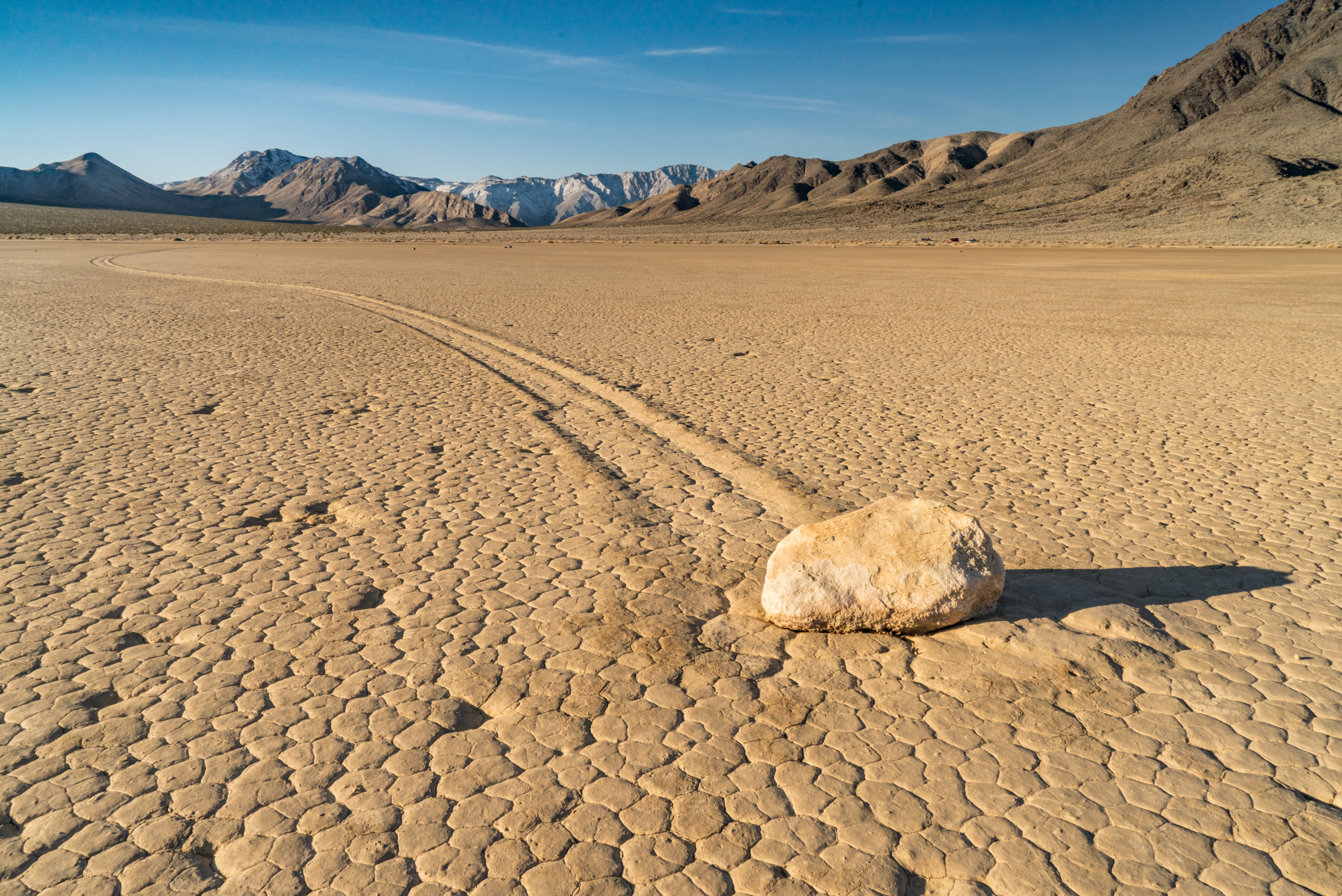
The Colorado Desert also features the unique phenomenon of the Salton Sea, a vast, shallow saline lake that, despite its ecological challenges, remains a point of interest for birdwatchers and those fascinated by environmental history. While perhaps not a traditional tourism hotspot, it offers a stark reminder of human impact on natural landscapes and the resilience of life in extreme conditions.
The Great Basin Desert Influence
While primarily extending into Nevada and Utah, the northernmost parts of California’s eastern Sierra region fall under the influence of the Great Basin Desert. This cold desert is characterized by sagebrush and juniper, and its higher elevation often means colder winters and more seasonal temperature variations than the Mojave or Colorado Deserts. Areas like Mono Lake, with its eerie tufa towers, showcase the unique geology and ecology of this transitional desert environment, attracting photographers and nature lovers.
Water, Climate, and the Green Illusion
The presence of deserts in California raises crucial questions about water, climate, and how the state sustains its vast, verdant areas. The perception of California often swings between images of lush vineyards and parched, fire-prone hillsides, a testament to its complex relationship with water.
A State of Extremes: Rainfall and Drought
California’s climate is incredibly varied, ranging from the arid conditions of its deserts to the Mediterranean climate found along the coast (characterized by warm, dry summers and mild, wet winters) and the alpine climates of its mountains. Rainfall is highly seasonal and geographically uneven. The coastal and mountain regions receive significant precipitation, often in the form of winter snowpack in the Sierras, which then melts to supply rivers and reservoirs. The deserts, conversely, receive very little rainfall, often experiencing dramatic flash floods from intense, short-lived storms. This natural variability makes water management a perpetual challenge and a defining aspect of life and development in the state. Extended periods of drought highlight the fragility of the water supply, even in seemingly green areas, and underscore the critical importance of conservation.
Human Intervention: Aqueducts and Agriculture
The ability of California to sustain its immense population centers and agricultural industry, particularly in drier regions, is largely due to massive human intervention. The state has developed an elaborate system of aqueducts, canals, dams, and reservoirs that transport water from the wetter north and the Sierra Nevada snowmelt to the drier central and southern parts of the state. Projects like the California Aqueduct are engineering marvels that literally bring water hundreds of miles across the state. This infrastructure allows cities like Los Angeles and San Diego to thrive in semi-arid environments and enables the agricultural productivity of the Central Valley. Without these systems, much of southern California would resemble its desert neighbors. This intricate network is a testament to the lifestyle choices, from luxury travel in green urban oases to long-term stays in suburban communities, that are supported by engineered water solutions.
Experiencing California’s Full Spectrum: Travel and Lifestyle
For travelers, the question of whether California is a desert is less about scientific classification and more about the incredible range of experiences available. The state’s diverse geography means that a single trip can encompass a multitude of adventures, from exploring ancient forests to hiking through vast sand dunes, making it a premier destination for all types of tourism.
Urban Oases and Coastal Escapes
Cities like Los Angeles and San Francisco offer a vibrant urban lifestyle with world-class attractions such as Disneyland Park in Anaheim, Universal Studios Hollywood, the Golden Gate Bridge, and Alcatraz Island. These metropolitan areas, while not deserts, benefit from extensive landscaping and water management to maintain their green spaces and lush residential areas like Beverly Hills and Pasadena. Along the coast, towns such as Carmel-by-the-Sea and La Jolla provide picturesque settings for luxury travel, with high-end hotels and resorts offering stunning ocean views and exclusive amenities. Islands like Catalina Island offer distinct island experiences, a world away from any desert landscape.
Desert Adventures and Unique Accommodations
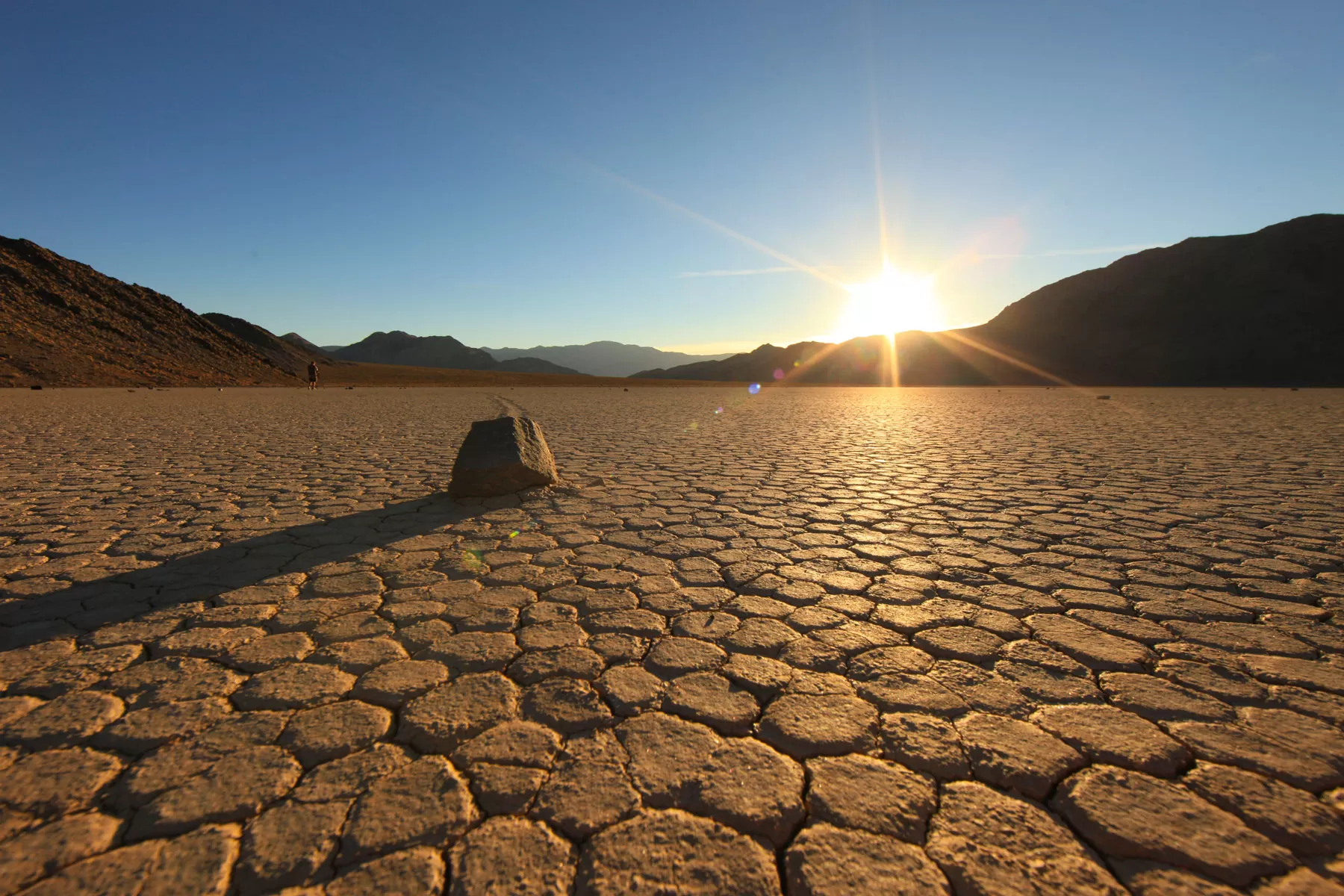
For those drawn to the unique allure of the desert, California’s arid regions offer a different kind of luxury and adventure. Beyond the national parks, there are countless opportunities for outdoor activities like off-roading, stargazing, and exploring ghost towns. The lifestyle in places like Palm Springs caters to those seeking relaxation, wellness, and a vibrant social scene amidst a stunning natural backdrop. Many hotels and resorts in the desert specialize in spa treatments, golf, and fine dining, providing an exquisite travel experience. Budget travel options are also abundant, with numerous campgrounds and more affordable motels available for those looking to explore the natural beauty without the premium price tag. Guides and experiences are readily available for everything from guided hikes to hot air balloon rides over the desert floor.
Mountain Retreats and Winter Sports
Conversely, the state’s mountain regions provide a completely different recreational landscape. Lake Tahoe, with its surrounding towns like Tahoe City, is a prime example of a non-desert environment offering a wealth of activities. In winter, world-class ski resorts attract snow sports enthusiasts. In summer, the lake is a hub for boating, swimming, and hiking. The accommodations here range from cozy cabins for family trips to grand resorts for luxury getaways, showcasing the full spectrum of California’s tourism industry.
In conclusion, to label California solely as a desert would be a grave injustice to its intricate geography and ecological richness. While its desert regions are magnificent and offer unique travel experiences, they represent only one facet of a state that truly has it all. Whether you are searching for the vibrant urban pulse, the serene beauty of the coastline, the grandeur of towering mountains, the fertility of agricultural valleys, or the stark, compelling allure of the desert, California invites you to explore its endless possibilities. Its identity is not singular but a symphony of diverse landscapes, each contributing to the Golden State’s enduring appeal as a global travel destination.
LifeOutOfTheBox is a participant in the Amazon Services LLC Associates Program, an affiliate advertising program designed to provide a means for sites to earn advertising fees by advertising and linking to Amazon.com. Amazon, the Amazon logo, AmazonSupply, and the AmazonSupply logo are trademarks of Amazon.com, Inc. or its affiliates. As an Amazon Associate we earn affiliate commissions from qualifying purchases.