
Venturing through the sun-kissed landscapes of California, from the bustling boulevards of Los Angeles to the serene vineyards of Napa Valley, offers an unparalleled tapestry of experiences for travelers and residents alike. The Golden State is synonymous with freedom, exploration, and a vibrant lifestyle that attracts millions seeking adventure, relaxation, and cultural immersion. However, amidst the excitement of discovering iconic landmarks like the Golden Gate Bridge or the magical realms of Disneyland, it’s crucial to remember that responsible choices are paramount, especially concerning driving under the influence (DUI).
The question “Is DUI a felony in California?” is not just a legal technicality; it’s a critical consideration that can profoundly impact one’s travel opportunities, lifestyle choices, and overall freedom to enjoy the wonders of the world. While a first, second, or even third DUI offense in California is typically charged as a misdemeanor, there are specific, serious circumstances under which a DUI can escalate to a felony, carrying far more severe consequences that ripple across every aspect of life, including the ability to travel internationally, rent a car, or even secure certain types of accommodation. For anyone planning a dream vacation to California’s national parks, a luxurious resort stay in Beverly Hills, or even a business trip to San Francisco, understanding these legal nuances is not merely advisable – it’s essential for safeguarding your freedom to explore and experience life without hindrance.

This article delves into the intricacies of California’s DUI laws, distinguishing between misdemeanor and felony charges, and, more importantly, explores the far-reaching implications a DUI conviction can have on your travel aspirations, accommodation options, and general lifestyle, both within the United States and abroad. By understanding the gravity of responsible conduct, particularly when enjoying the local culture and hospitality that often involves beverages, travelers can ensure their journeys remain unforgettable for all the right reasons.
Understanding DUI Charges in California: Misdemeanor vs. Felony
The legal framework surrounding driving under the influence in California is designed to deter impaired driving and ensure public safety. While the intent is clear, the classification of a DUI offense – whether it’s a misdemeanor or a felony – hinges on several factors, significantly impacting the penalties and, by extension, your ability to live and travel freely.
The Baseline: Misdemeanor DUI
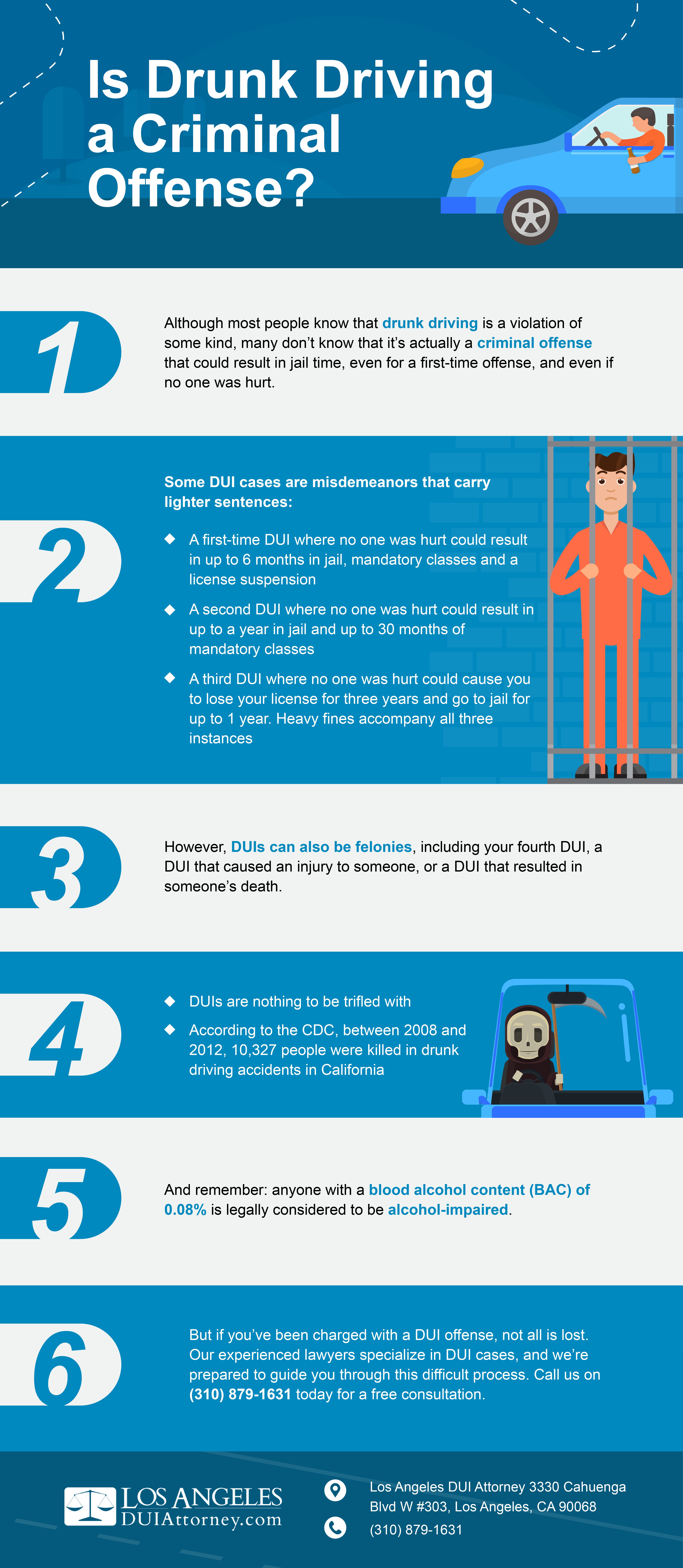
In most instances, a DUI in California is initially charged as a misdemeanor. This applies to individuals who are found driving with a blood alcohol content (BAC) of 0.08% or higher (0.01% for drivers under 21, and 0.04% for commercial drivers), or who are impaired by drugs, provided there are no aggravating circumstances.
- First Offense: A first misdemeanor DUI in California typically results in fines, mandatory DUI school, a driver’s license suspension (though often convertible to a restricted license), and potentially probation. While inconvenient, these penalties generally do not preclude future travel, although car rental agencies may become an issue due to insurance implications.
- Second and Third Offenses: Subsequent misdemeanor DUIs within a ten-year period carry increasingly harsher penalties. These include longer jail sentences (though often served in county jail or through alternative programs), significantly higher fines, extended license suspensions, and more intensive DUI education programs. While still misdemeanors, the cumulative effect of multiple convictions can begin to impact aspects of lifestyle that touch upon travel, such as higher insurance premiums that eat into a travel budget, or stricter background checks for certain jobs.
Even as misdemeanors, these charges can already cast a shadow over an otherwise carefree travel agenda. Imagine planning a scenic drive along Big Sur or an adventurous road trip through Yosemite National Park, only to face difficulties renting a vehicle due to a past DUI. Or perhaps the added financial burden of fines and legal fees might force you to reconsider a planned luxury stay at a Palm Springs resort, pushing your lifestyle aspirations towards more budget-conscious choices. The simple fact is that even misdemeanor DUIs are a significant detriment to the unencumbered freedom often associated with travel and a vibrant lifestyle.
When a DUI Becomes a Felony
The most direct answer to the question “Is DUI a felony in California?” is yes, under specific circumstances. When certain aggravating factors are present, a DUI charge immediately elevates from a misdemeanor to a felony, signifying a much more severe crime with correspondingly harsher penalties. This is where the true impact on one’s entire life, including the ability to travel without restriction, becomes starkly apparent.
The primary situations that convert a DUI into a felony in California include:
- DUI Causing Injury or Death: This is perhaps the most significant aggravating factor. If a drunk or drugged driver causes an accident that results in injury to another person, the DUI will be charged as a felony. If the accident results in a fatality, the charges can be even more severe, potentially leading to vehicular manslaughter or even murder charges, depending on the circumstances and the driver’s prior record. The legal and emotional ramifications of such an event are immense, forever altering lives, not least of all the perpetrator’s.
- Fourth or Subsequent DUI Conviction: If an individual accumulates four or more DUI convictions within a ten-year lookback period, the fourth (and any subsequent) offense will automatically be charged as a felony, regardless of whether injury was involved. This reflects a pattern of behavior deemed dangerous to public safety.
- Prior Felony DUI Conviction: If an individual has a previous felony DUI conviction on their record, any subsequent DUI, even if it would ordinarily be a misdemeanor, will be elevated to a felony. This demonstrates the legal system’s strong stance against repeat severe offenses.
A felony DUI conviction carries penalties that dwarf those of misdemeanors. These can include state prison sentences (as opposed to county jail), significantly larger fines, lengthy license revocations, mandatory lengthy DUI programs, and a permanent felony record. For anyone dreaming of international travel, maintaining a professional career, or enjoying a specific lifestyle, a felony DUI is a catastrophic impediment. It represents a watershed moment where the consequences move beyond temporary inconvenience to long-term systemic hurdles that can fundamentally reshape one’s future.
The Ripple Effect: How DUI Impacts Your Travel & Lifestyle in California and Beyond
The consequences of a DUI conviction, particularly a felony, extend far beyond the immediate legal penalties. They cast a long shadow over one’s personal and professional life, profoundly impacting the freedom to travel, choose accommodation, and maintain a desired lifestyle. For those who cherish the ability to explore California’s diverse attractions or embark on international adventures, understanding these ripple effects is crucial for making responsible choices.
Navigating California’s Attractions Responsibly
California offers an incredible array of experiences, from wine tasting in Temecula Valley to enjoying nightlife in San Diego, or exploring the vibrant arts scene in Santa Monica. While these activities are central to the state’s tourism appeal and lifestyle, they often involve opportunities for alcohol consumption. A DUI conviction, even a misdemeanor, can complicate how you enjoy these attractions.
- Car Rental Restrictions: Most car rental companies have strict policies regarding drivers with recent DUI convictions. They may refuse to rent to you, or your insurance premiums might skyrocket, making spontaneous road trips along Highway 1 or visits to distant landmarks like Lake Tahoe prohibitively expensive or impossible. For travelers who rely on rental cars to explore the vastness of California, this is a significant hurdle.
- Professional Travel and Licensing: For those whose lifestyle includes business travel, a DUI can have severe professional ramifications. Many industries, particularly those requiring driving or professional licensing (e.g., healthcare, finance, pilots), conduct thorough background checks. A felony DUI can lead to license suspension, job loss, or hinder career advancement, severely impacting one’s ability to afford or engage in luxury travel or even basic business trips.
- Access to Certain Venues: While less common, some private venues or events might have internal policies that restrict entry to individuals with certain criminal convictions, particularly for felony offenses. This might affect exclusive events or private clubs, altering the “luxury lifestyle” experience some seek.
The key to enjoying California’s attractions without facing these impediments lies in proactive planning and responsible choices. Utilizing ride-sharing services like Uber or Lyft, designating a sober driver, or leveraging California’s growing public transportation options, especially in major metropolitan areas like Los Angeles and San Francisco, are indispensable strategies for a worry-free experience.
International Travel and Visa Implications
This is perhaps one of the most significant and distressing impacts of a DUI, particularly a felony DUI. A criminal record, especially one involving a felony, can severely restrict your ability to travel internationally, directly contradicting the very essence of a travel-centric lifestyle.
- Entry to Canada and Mexico: Two of the most common international destinations for Americans, Canada and Mexico, have strict policies regarding entry for individuals with criminal records. Canada, in particular, considers DUI a serious offense, often deeming individuals with even a single misdemeanor DUI “criminally inadmissible.” While there are pathways to overcome this (e.g., Temporary Resident Permit, criminal rehabilitation), they are lengthy, costly, and not guaranteed. A felony DUI makes entry even more challenging. Mexico also has provisions that allow them to deny entry based on criminal history, especially if the offense carries a certain level of punishment in the U.S.
- Visa Denials: For travel to many other countries, especially those requiring visas (e.g., Australia, United Kingdom), a criminal record, particularly a felony, is a common reason for visa denial. This can shatter dreams of exploring diverse cultures, visiting iconic international landmarks like the Eiffel Tower, or experiencing unique tourism opportunities around the globe. Even visa waiver programs, like the ESTA for Europe, require applicants to disclose criminal history and can result in denial.
- Passport Issues: While a DUI conviction itself doesn’t directly revoke your U.S. passport, certain conditions imposed by the court (e.g., probation terms restricting travel) or the severity of the charges (e.g., flight risk for serious felony cases) can indirectly affect your ability to obtain or use your passport for international travel.
The impact on a lifestyle centered around global exploration is immense. A felony DUI can effectively ground you within national borders, limiting your travel experiences to domestic destinations only. This can be a profound blow to someone whose identity and passions are tied to international discovery.
Rental Cars, Insurance, and Accommodation Challenges
Beyond international borders, a DUI conviction also complicates travel and accommodation within the U.S. and California itself.
- Automobile Insurance: After a DUI conviction, expect your auto insurance premiums to skyrocket, if you can even find a company willing to insure you. This financial burden can significantly reduce discretionary income that would otherwise be allocated for travel, luxury hotel stays, or other lifestyle enhancements.
- Car Rental Difficulties: As mentioned, rental car companies frequently deny rentals to individuals with recent DUIs. This means that a spontaneous weekend getaway to Big Bear Lake or a planned multi-city tour of California’s missions might become unfeasible without relying on others for transportation.
- Accommodation and Long-term Stays: While less common for short-term hotel bookings, a felony DUI could potentially impact long-term accommodation, such as apartment rentals or certain extended-stay hotels that conduct background checks. This is particularly relevant for digital nomads or those considering a temporary relocation for work or leisure within California. Imagine securing a long-term villa rental in Malibu or a corporate apartment in Silicon Valley and facing hurdles due to a past felony. While not universal, it’s a potential complication that adds stress to what should be a smooth experience.
The cumulative effect of these challenges is a significant reduction in personal freedom and a forced recalibration of lifestyle expectations. What might have once been effortless travel can become a logistical nightmare, marred by restrictions and increased costs.
Maintaining Your Wanderlust: Proactive Measures and Responsible Choices
The aspiration to travel, to explore new destinations, and to embrace diverse cultures is a fundamental aspect of many people’s lifestyles. California, with its stunning natural beauty, iconic landmarks, and vibrant cities like San Diego, offers a microcosm of global experiences within one state. To preserve the ability to enjoy these experiences, both locally and internationally, making responsible choices regarding alcohol consumption and driving is not just a legal obligation but a lifestyle imperative.
Planning Your California Itinerary Smartly
Embracing the rich tapestry of California’s tourism requires smart planning, especially when your itinerary includes activities where alcohol might be present. Whether you’re visiting a craft brewery in San Diego, enjoying a tasting tour in Sonoma Valley, or dining at a Michelin-starred restaurant in San Francisco or Los Angeles, consider your transportation before your first sip.
- Utilize Ride-Sharing Services: Apps like Uber and Lyft have revolutionized urban travel, offering convenient and safe alternatives to driving. In major tourist hubs, they are readily available and often more economical than parking.
- Public Transportation: Cities like San Francisco and Los Angeles boast extensive public transport networks, including buses, trains, and light rail. Exploring areas like Hollywood or Downtown Los Angeles via metro can be an experience in itself, allowing you to immerse yourself in the local rhythm without worrying about driving.
- Designated Drivers: If traveling with a group, designating a sober driver is a time-tested strategy. This ensures everyone can enjoy the outing safely.
- Hotel Shuttles and Walking: Many hotels and resorts, from boutique accommodations in Santa Barbara to luxury suites in Anaheim near Disneyland, offer shuttle services to nearby attractions or transportation hubs. Consider choosing accommodation that allows for easy walking access to restaurants and entertainment, or that provides reliable shuttle options, like The Ritz-Carlton, Laguna Niguel or the Grand Hyatt San Francisco.
By integrating these strategies into your travel planning, you not only ensure your safety and adherence to the law but also enhance your overall experience, allowing for stress-free enjoyment of California’s vibrant scene without the shadow of legal concern.

Prioritizing Safety for a Seamless Journey
The essence of a memorable travel experience lies in its seamlessness, its freedom from worry, and the joy of discovery. A DUI, particularly a felony, is a direct threat to this ideal, replacing wanderlust with legal burdens and financial strain. Prioritizing safety, therefore, becomes an act of self-preservation for your lifestyle and travel ambitions.
- Awareness of Local Laws: While this article focuses on California, it’s vital for any traveler to be aware of DUI laws wherever they go. Different states and countries have varying legal alcohol limits and penalties.
- Moderation and Responsible Consumption: It’s perfectly acceptable to enjoy local wines, craft beers, or signature cocktails as part of your travel experience. The key is moderation and being acutely aware of your limits. Pace yourself, hydrate, and alternate alcoholic beverages with non-alcoholic ones.
- Seeking Professional Advice: If you are visiting California and have concerns about previous convictions impacting your travel plans, or if you find yourself in a difficult situation, always seek advice from a legal professional specializing in travel law or California DUI defense. They can provide tailored guidance that no general article can.
In conclusion, the question “Is DUI a felony in California?” unequivocally has a “yes” answer under specific, serious conditions. While typically a misdemeanor, factors such as causing injury, having multiple prior DUIs, or a previous felony DUI conviction elevate the offense to a felony. The repercussions of such a conviction are profound, stretching beyond courtrooms and fines to fundamentally alter one’s ability to travel, choose accommodation, and maintain a desired lifestyle. From navigating car rental policies to securing international visas, a DUI felony can introduce insurmountable barriers to global exploration and personal freedom. Therefore, whether you’re planning a trip to Universal Studios Hollywood, exploring the pristine beaches of San Diego, or dreaming of adventures far beyond California’s borders, remember that responsible choices are the cornerstone of an unhindered and fulfilling travel-centric lifestyle. By planning wisely, utilizing safe transportation options, and always prioritizing responsible conduct, you ensure that your journeys remain boundless and your lifestyle truly free.
LifeOutOfTheBox is a participant in the Amazon Services LLC Associates Program, an affiliate advertising program designed to provide a means for sites to earn advertising fees by advertising and linking to Amazon.com. Amazon, the Amazon logo, AmazonSupply, and the AmazonSupply logo are trademarks of Amazon.com, Inc. or its affiliates. As an Amazon Associate we earn affiliate commissions from qualifying purchases.