
Embarking on a journey to the breathtaking landscapes of Colorado is an adventure many dream of. From the towering peaks of the Rocky Mountains to the vibrant urban centers of Denver and Boulder, the Centennial State offers an unparalleled array of experiences for every type of traveler. However, as you plan your trip, a crucial question often arises, especially for those venturing into the higher elevations or during the colder months: “Is AWD required in Colorado?” The simple answer is, it depends. While not universally mandatory, an All-Wheel Drive (AWD) or Four-Wheel Drive (4WD) vehicle can significantly enhance your safety, comfort, and accessibility, particularly when navigating Colorado’s diverse terrain and unpredictable weather conditions.
This comprehensive guide delves into the nuances of vehicle requirements in Colorado, considering different seasons, destinations, and activities. We’ll explore when AWD is a highly recommended asset, when it’s merely a convenience, and when it might be an absolute necessity. Understanding these factors is key to crafting a seamless and enjoyable travel experience, ensuring you’re well-prepared for whatever majestic Colorado throws your way, whether it’s carving fresh powder on the slopes of Vail or exploring the serene trails of Rocky Mountain National Park. From choosing the right rental car to understanding local road laws and optimizing your itinerary, we’ll equip you with the knowledge to make informed decisions for your next unforgettable Colorado adventure, aligning perfectly with themes of travel, accommodation, and responsible tourism.
Understanding Colorado’s Diverse Terrain and Seasons
Colorado is renowned for its dramatic geographical variations, transitioning from expansive eastern plains to the jagged peaks of the Rocky Mountains. This diverse topography, coupled with distinct seasonal changes, plays a pivotal role in determining your vehicle needs. What might be perfectly adequate for cruising through Colorado Springs in July could become a significant challenge when attempting to reach a ski resort in January. Understanding these environmental factors is the first step in assessing your AWD requirements, helping you plan a trip that is not only exciting but also safe and logistically sound.
Winter Wonderland: Navigating Snowy Roads
Winter in Colorado transforms the state into a stunning, snow-covered paradise, drawing millions for world-class skiing, snowboarding, and other snow sports. However, this beauty comes with specific driving challenges. For anyone planning to visit popular ski towns like Aspen, Breckenridge, Telluride, or Vail between October and May, an AWD or 4WD vehicle is highly recommended, if not sometimes essential. Mountain passes such as Loveland Pass and Berthoud Pass, as well as major arteries like Interstate 70 through the high country, frequently experience heavy snowfall, black ice, and whiteout conditions.
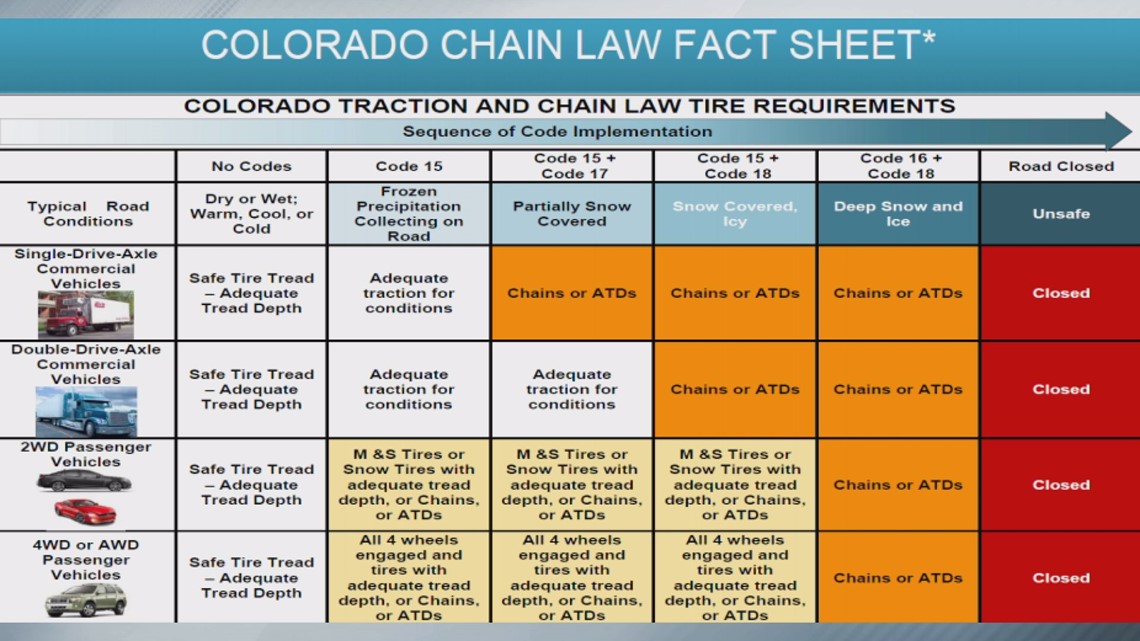
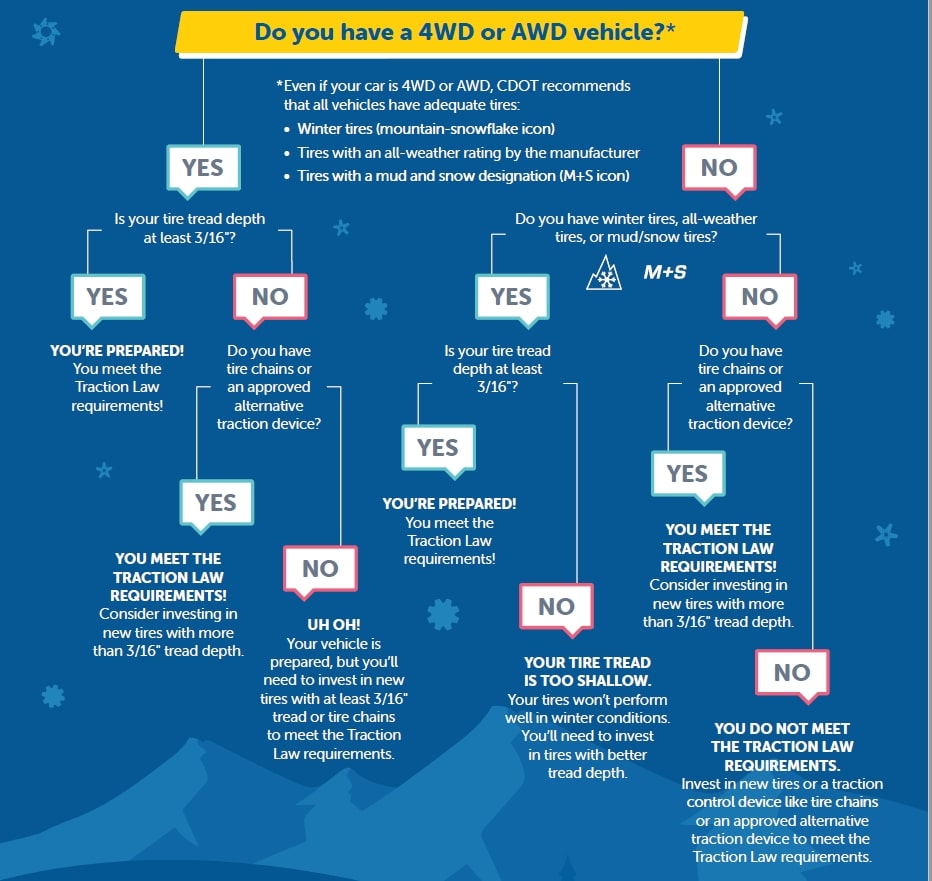
The Colorado Department of Transportation (CDOT) implements strict chain and traction laws along critical mountain corridors during winter storms. These laws typically require passenger vehicles to have either AWD/4WD with M+S (mud and snow) tires or winter tires, or two-wheel drive vehicles to have chains or alternative traction devices. Fines for non-compliance can be substantial, and more importantly, driving without adequate traction endangers yourself and others. While AWD/4WD provides superior grip and control on slippery surfaces, it’s crucial to pair it with appropriate tires. All-season tires, even on an AWD vehicle, may not offer sufficient traction in deep snow or icy conditions. Dedicated winter tires significantly enhance performance and safety, turning an AWD vehicle into an even more formidable snow machine. When planning a winter trip, researching the specific requirements for your route and destination is paramount for a safe and enjoyable journey. Whether you’re staying at a luxury ski-in/ski-out resort or a cozy cabin, ensuring you can reach it safely is the priority.
Summer Explorations: From City to Trailhead
While winter presents the most significant challenges for drivers, Colorado’s spring, summer, and fall seasons offer a different set of considerations, though typically less stringent regarding AWD. For most summer travel, including exploring cities like Denver, Boulder, or Fort Collins, and driving on paved highways, a standard two-wheel drive vehicle is perfectly sufficient. The state boasts an excellent network of roads that are well-maintained during warmer months, providing easy access to many popular attractions, including much of Rocky Mountain National Park and the scenic byways.
However, if your summer plans include venturing off the beaten path, an AWD or 4WD vehicle can be highly advantageous. Many of Colorado’s most stunning natural landmarks, remote hiking trailheads, camping sites, and national forests are accessed via unpaved, gravel, or dirt roads. These roads can vary significantly in quality, ranging from well-graded and smooth to heavily rutted, rocky, or muddy, especially after summer thunderstorms. For instance, accessing some of the backcountry areas within Great Sand Dunes National Park often requires a 4WD vehicle. Higher ground clearance, common in AWD/4WD SUVs and trucks, also helps prevent damage on rougher terrain. While not strictly “required” for general summer tourism, having an AWD vehicle for these types of excursions opens up a world of adventure, allowing you to explore hidden gems and experience the wilder side of Colorado without worrying about getting stuck or damaging your vehicle. It’s about enhancing your travel experiences and enjoying the freedom to explore more deeply.
Making the Right Vehicle Choice for Your Colorado Adventure
Choosing the right vehicle for your Colorado trip is a critical decision that impacts not just your safety but also your budget and overall experience. Given the state’s varied terrain and weather, this choice needs careful consideration, especially if you’re renting a car. Beyond just the drivetrain, other factors like tire type and driver experience play a significant role in navigating Colorado’s roads effectively. Making an informed decision ensures you’re prepared for any scenario, from navigating urban streets to tackling snowy mountain passes or dusty backcountry trails.
Rental Cars and Practical Considerations
For many visitors, a rental car is the go-to option for exploring Colorado. When booking, it’s essential to specify your needs. If your itinerary includes winter mountain travel or off-pavement excursions, explicitly request an AWD or 4WD vehicle. Rental car categories often include “SUV” or “Crossover,” but this doesn’t automatically guarantee AWD/4WD. Always confirm with the rental agency beforehand. Be aware that AWD/4WD rentals typically come at a higher price point due to increased demand and fuel consumption. However, this added cost can be a worthwhile investment for peace of mind and safety, especially during peak ski season or if you plan to explore remote areas. Many rental companies offer vehicles equipped with M+S tires in winter, but dedicated winter tires are less common, so it’s always good to inquire. Additionally, consider the size of the vehicle in relation to your luggage and passengers, particularly for family trips or group travel. A larger SUV might offer more comfort and cargo space for ski gear or hiking equipment, contributing to a more comfortable and accommodating travel experience. Always check the rental agreement for any restrictions on off-road use, which can void insurance coverage.
Beyond AWD: Tires and Driver Skill
While AWD or 4WD provides enhanced traction, it’s crucial to understand that it’s not a magical solution, particularly in adverse conditions. The single most critical factor for traction on snow and ice is the type and condition of your tires. A two-wheel drive vehicle equipped with brand-new, high-quality winter tires will often outperform an AWD vehicle with worn-out all-season tires on slippery surfaces. Winter tires are specifically designed with softer rubber compounds that remain flexible in cold temperatures, and aggressive tread patterns that grip snow and ice more effectively. In Colorado’s traction law scenarios, M+S rated tires are often a minimum requirement, but true winter tires offer superior performance.
Beyond vehicle mechanics, driver skill and experience are paramount. Even with the best equipment, aggressive driving on icy or snowy roads can lead to accidents. Practicing defensive driving, maintaining ample following distance, reducing speed, and avoiding sudden braking or acceleration are essential. Familiarize yourself with how your vehicle handles in slippery conditions before heading into the mountains. If you’re unfamiliar with driving in snow, consider taking alternative transportation options to ski resorts, such as shuttle services, especially during heavy storms. Always check current road conditions and weather forecasts via resources like CDOT’s website or app before you depart. Being prepared, informed, and cautious is key to a safe and enjoyable journey through Colorado, contributing positively to your travel lifestyle and ensuring memorable experiences without incident.
Planning Your Colorado Stay: Accommodation and Experiences
Your choice of accommodation and planned activities are intrinsically linked to your vehicle needs in Colorado. Whether you’re seeking luxury resorts with doorstep access to the slopes or a secluded cabin deep in the wilderness, how you get there and how you navigate once you arrive will shape your overall experience. Thoughtful planning can simplify logistics, enhance convenience, and ensure your stay is as stress-free and enjoyable as possible, perfectly aligning with themes of hotels, tourism, and lifestyle.
Where to Stay: Hotels and Resorts with Access in Mind
Colorado offers an incredibly diverse range of accommodations, from high-end luxury resorts to charming boutique hotels, rustic cabins, and budget-friendly motels. When considering your vehicle, think about the accessibility of your chosen lodging. In popular ski towns like Aspen, many upscale properties, such as The Little Nell, are centrally located with easy access to slopes and town amenities, often providing valet parking or covered garages that minimize the hassle of snow removal. Similarly, Vail Resorts properties often boast ski-in/ski-out access and comprehensive shuttle services, reducing the reliance on your personal vehicle once you’ve arrived. For those staying in downtown Denver or Colorado Springs, a standard sedan is typically fine, as most hotels are on well-maintained city streets.
However, if your vision of a Colorado getaway involves a secluded mountain cabin, a remote Airbnb, or a lodge away from the main thoroughfare, an AWD/4WD vehicle becomes far more beneficial. These properties might be situated at the end of unpaved, steep, or winding driveways that can become challenging, if not impassable, for a two-wheel drive car, especially in winter or after heavy rain. Always inquire with your accommodation provider about road conditions and recommended vehicle types, particularly if booking outside of major towns. Some rural accommodations might even offer shuttle services from a more accessible main road, or suggest specific parking solutions, which can alleviate the need for an AWD. By aligning your accommodation choice with your vehicle capabilities, you ensure a smoother arrival and departure, allowing you to fully immerse yourself in the comfort and offerings of your stay.
Crafting Your Colorado Itinerary: Activities and Destinations
The activities and destinations you choose will heavily influence whether an AWD vehicle is merely convenient or absolutely necessary. If your itinerary focuses on urban exploration, visiting museums, breweries in Fort Collins, or attending events in Denver, a standard vehicle is more than adequate. For many popular attractions like Garden of the Gods in Colorado Springs or major viewpoints in Rocky Mountain National Park (during summer), a two-wheel drive car suffices.
However, for those seeking more adventurous or off-grid experiences, an AWD/4WD vehicle significantly expands your possibilities. Imagine heading to a remote trailhead for an epic hike, navigating to a secluded fishing spot, or accessing advanced mountain biking trails. These often require traversing unpaved forest service roads that can be rocky, muddy, or sandy. During winter, if your primary goal is to maximize ski time at a resort like Breckenridge or Telluride, having an AWD vehicle provides invaluable peace of mind for navigating snowy mountain roads to and from the slopes, especially during or immediately after a snowstorm. It mitigates the risk of being stranded or delayed due to traction issues.
Consider your desired lifestyle for the trip: are you aiming for luxury travel with valet service and minimal driving, or a budget-friendly adventure exploring the wilderness? An AWD or 4WD vehicle facilitates adventure travel, enabling spontaneous detours to scenic overlooks or allowing access to backcountry camping. It affords a greater sense of freedom and flexibility, ensuring that Colorado’s vast natural beauty is fully within your reach, irrespective of the season or the road less traveled. By carefully mapping out your desired activities and destinations, you can make an informed decision about your vehicle, ensuring your Colorado journey is everything you’ve dreamed of and more.
In conclusion, while an AWD or 4WD vehicle is not “required” for every trip to Colorado, its value proposition is undeniable, especially during the winter months or for those planning to explore the state’s rugged backcountry. For urban excursions or travel on major paved roads during summer, a standard two-wheel drive vehicle is usually perfectly sufficient. However, for a winter ski vacation, an adventurous summer hiking trip to remote trailheads, or simply the peace of mind that comes with enhanced traction on unpredictable mountain roads, an AWD/4WD vehicle paired with appropriate tires is a highly recommended asset. Always prioritize safety, check road conditions via CDOT, and plan your vehicle choice thoughtfully in conjunction with your itinerary and chosen accommodation. Embrace the diverse beauty of Colorado with confidence, knowing you’ve made the right vehicle choice for your unforgettable adventure.
LifeOutOfTheBox is a participant in the Amazon Services LLC Associates Program, an affiliate advertising program designed to provide a means for sites to earn advertising fees by advertising and linking to Amazon.com. Amazon, the Amazon logo, AmazonSupply, and the AmazonSupply logo are trademarks of Amazon.com, Inc. or its affiliates. As an Amazon Associate we earn affiliate commissions from qualifying purchases.