
California, the Golden State, conjures images of sun-drenched beaches, iconic landmarks, bustling cities like Los Angeles and San Francisco, and a vibrant lifestyle that attracts millions of visitors annually. It’s a prime destination for travel, tourism, and diverse experiences, offering everything from serene natural retreats to high-energy urban adventures. For many, entertainment is a key component of their travel itinerary, and gambling often falls into that category. While California boasts a thriving landscape of land-based casinos, particularly those operated by Native American tribes, the question of whether internet gambling is legal within its borders remains a complex and frequently debated topic.
For those planning a trip, considering an extended stay, or simply curious about their options for online entertainment, understanding the legal nuances of online betting in California is essential. Unlike some other states in the United States that have embraced comprehensive online gambling regulations, California has historically taken a more cautious approach. This article delves into the current legal status, the types of online gambling under consideration, and the significant impact this regulatory environment has on the state’s economy, tourism sector, and the everyday lifestyle of its residents and visitors.
The Shifting Sands of California’s Gambling Landscape
California’s relationship with gambling is a rich tapestry woven with historical traditions, evolving societal views, and powerful economic interests. From the early days of Gold Rush-era card rooms to the modern era of luxurious casino resorts, the state has always had a connection to games of chance. However, the digital age has introduced new challenges and opportunities, prompting an ongoing re-evaluation of what constitutes permissible gambling.
A Brief History of Gambling in the Golden State
Gambling in California has a storied past. While many forms were outlawed in the late 19th and early 20th centuries, some have endured and thrived. Pari-mutuel wagering on horse racing, for instance, has been legal for decades and remains a popular pastime. The California State Lottery, established in 1984, provides another legal avenue for residents to participate in games of chance, with proceeds benefiting public education.
The most significant development in California’s gambling history, however, has been the rise of tribal casinos. Following the passage of the Indian Gaming Regulatory Act (IGRA) in 1988, and subsequent state compacts, Native American tribes gained the right to operate casinos on their sovereign lands. These tribal casinos, such as Pechanga Resort Casino in Temecula, San Manuel Casino (now Yaamava’ Resort & Casino at San Manuel) near San Bernardino, and Agua Caliente Resort Casino Spa Rancho Mirage in Palm Springs, have become major travel destinations and significant contributors to local economies. They offer not just gaming, but also comprehensive resort experiences, including high-quality hotels, fine dining, live entertainment, and often, luxurious spa facilities, embodying a particular facet of luxury travel within the state.
Beyond tribal casinos, licensed card rooms like Commerce Casino and Bicycle Hotel & Casino in the Los Angeles area, and Hollywood Park Casino, offer various poker and table games. These establishments operate under strict state regulations, but crucially, they generally do not offer house-banked games (where the house acts as a player against others), which sets them apart from the tribal casinos. This complex interplay of different gambling operations has shaped the state’s cautious approach to new forms of gaming, particularly online.
Current Legal Framework: What’s Allowed (and Not)
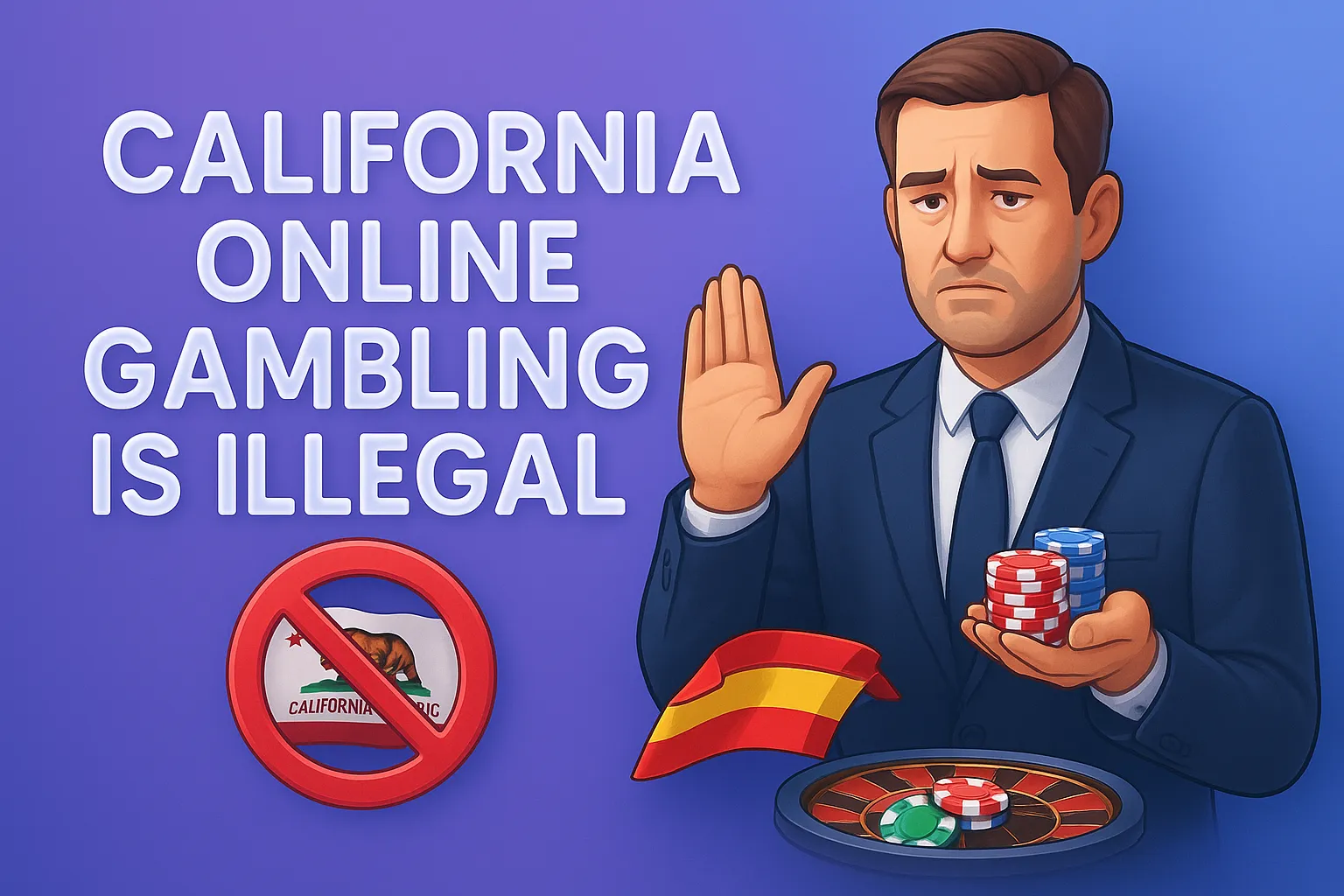
As of now, the legality of internet gambling in California is primarily characterized by what is not explicitly allowed. Online casinos offering slots, traditional table games, or house-banked poker for real money are not legal in California. Similarly, online sports betting platforms, like those offered by major operators in other states, are also prohibited.
However, there are exceptions and grey areas that are important to distinguish:
- Daily Fantasy Sports (DFS): While not explicitly legalized, DFS operators like DraftKings and FanDuel have historically operated in California without facing legal challenges from the state. The legal interpretation often hinges on whether DFS is considered a game of skill rather than chance.
- Online Horse Racing Betting: Wagering on horse races through legal, licensed advance deposit wagering (ADW) platforms is permitted in California. This is an established exception to general online gambling prohibitions, reflecting the state’s long-standing acceptance of pari-mutuel betting.
- Social and Sweepstakes Casinos: These platforms allow players to play casino games for free using virtual currency. Some offer sweepstakes models where players can win real cash prizes, operating under sweepstakes law rather than gambling law. These are generally considered legal and distinct from traditional online casinos.
- Online Lottery: The California State Lottery currently does not offer online ticket sales or online-only games, but it does allow for some online engagement related to second-chance drawings and player accounts.
The core issue is that California has not passed specific legislation to regulate and license either online casinos or online sports betting for real money. This lack of explicit regulation means such activities fall into a legal void, often interpreted as illegal under existing gambling statutes.
The Promise and Peril of Online Betting
The debate over online gambling in California is multifaceted, driven by the significant revenue potential, consumer demand, and concerns over social impact. Understanding the different types of online betting and the regulatory challenges is key to grasping the state’s slow movement on the issue.
Sports Betting vs. Online Casinos and Poker
When discussions about expanding online gambling arise in California, they often distinguish between sports betting and online casinos (including poker). Sports betting has gained considerable momentum across the United States since the Supreme Court struck down the Professional and Amateur Sports Protection Act (PASPA) in 2018. States like Nevada, New Jersey, Pennsylvania, and Michigan have quickly moved to legalize and regulate both retail and online sports betting, generating substantial tax revenue.
In California, the push for sports betting has been palpable, with several ballot initiatives put forth by different stakeholders, including Native American tribes, card rooms, and major national sports betting operators like DraftKings and FanDuel. Each group has its own vision for how sports betting should be regulated, often leading to conflicting proposals that ultimately fail to gain enough support to pass.
Online casinos and poker, while also popular, tend to face even greater resistance. The argument often centers on the potential for addiction, the impact on existing land-based operations, and a general wariness from lawmakers about expanding what is seen as more intensive forms of gambling. California has explored online poker legalization in the past, but these efforts have consistently stalled due to disagreements among stakeholders, particularly between Native American tribes and card rooms over market access and regulatory control.
The Regulatory Maze and Proposed Legislation
The path to legalizing online gambling in California is fraught with challenges, primarily due to the powerful and diverse interests involved. Native American tribes, who hold exclusive rights to operate casino games in the state, are staunch protectors of their sovereignty and their multi-billion dollar gaming enterprises. They often advocate for models that would grant them primary control over any new online offerings, viewing it as an extension of their existing rights.

Conversely, the state’s card rooms and horse racing tracks also seek a piece of the potential online market, leading to legislative gridlock. Furthermore, national sports betting operators, backed by significant financial resources, push for open-market models that would allow them to enter the state directly. The political landscape is further complicated by social welfare groups, who raise concerns about problem gambling, and consumer protection advocates, who stress the need for robust regulatory oversight.
Numerous legislative attempts and ballot initiatives have failed in recent years, highlighting the deep divisions. For example, in 2022, two competing sports betting propositions were on the ballot: Proposition 26, primarily backed by tribal casinos, and Proposition 27, supported by online sports betting companies. Both failed decisively, indicating that voters were either confused by the competing proposals, wary of expanding gambling, or unconvinced by the arguments presented. This outcome underscores the difficulty of achieving consensus on such a contentious issue in a state as large and diverse as California.
Impact on Travel, Tourism, and Lifestyle in California
The absence of regulated online gambling in California has a profound impact, not just on potential tax revenues but also on the state’s dynamic travel, tourism, and lifestyle industries. It shapes how visitors choose their destinations and how residents engage with entertainment options.
Land-Based Casinos: A California Travel Staple
In the current environment, land-based casinos remain the primary legal destination for gaming enthusiasts in California. These establishments are not merely places to gamble; they are comprehensive resort complexes that serve as significant travel destinations. Many tribal casinos have invested heavily in creating world-class amenities, offering luxurious hotel accommodation, award-winning restaurants, high-end shopping, spas, golf courses, and live concert venues. Resorts like Morongo Casino Resort & Spa in Cabazon or Graton Resort & Casino in Rohnert Park provide a complete getaway experience, rivaling some of the best resorts in Las Vegas or elsewhere.
For tourism, these casinos are major draws, especially for weekend trips or longer stays. They generate substantial local employment, contribute to infrastructure development, and attract visitors who also explore nearby attractions. Without a regulated online alternative, these physical landmarks of entertainment continue to be a crucial component of California’s overall travel and tourism economy, maintaining their unique appeal as tangible destinations rather than virtual platforms.
The Accommodation and Hotel Industry’s Stake
The hotel and accommodation industry in California has a significant vested interest in the debate. The numerous resorts and hotels associated with land-based casinos depend on visitor traffic. If online gambling were to be legalized and widely available, there are concerns that it could cannibalize a portion of the visitation to these physical establishments. Guests might choose to gamble from the comfort of their homes or even from a standard hotel room in San Francisco rather than booking a dedicated resort stay.
However, a counter-argument suggests that regulated online gambling could also serve as a marketing tool, introducing new players to casino brands and potentially encouraging them to visit the brick-and-mortar locations for a more immersive experience. Many hotel chains, especially those associated with major gaming companies like MGM Resorts or Caesars Entertainment (though their California presence is primarily through partnerships or non-gaming ventures), have found success in states where they integrate their online platforms with their physical loyalty programs, enhancing customer engagement across both channels. For California’s hotels and resorts, the long-term impact of online gambling legalization would likely depend on the specific regulatory framework and how it manages to balance the interests of both physical and digital gaming.
Redefining Luxury Travel and Entertainment
California is synonymous with diverse lifestyles, from the laid-back beach culture to high-end luxury travel experiences. The ability to engage in online betting could seamlessly integrate into this lifestyle, offering a new dimension of convenience and personalized entertainment. Imagine a business traveler in a San Francisco hotel suite placing a legal sports bet before a meeting, or a couple enjoying a romantic getaway in Lake Tahoe playing a few hands of online poker from their cabin. This integration could redefine how people consume entertainment and leisure while traveling or staying in California.
Furthermore, a regulated online market could attract tech innovation, fostering new platforms and user experiences that align with California’s reputation as a global technology hub. This could lead to a more sophisticated and responsible gaming environment, appealing to a broader demographic interested in convenience and seamless digital integration. For the luxury travel segment, discreet and highly secure online betting options, potentially tied into exclusive resort loyalty programs, could become another premium amenity.
The Road Ahead: Future Prospects for Online Gambling
The question of whether internet gambling will eventually become legal in California is not a matter of if, but seemingly when and how. The economic incentives are too substantial, and the trend across the United States is clearly moving towards legalization and regulation.
Economic Incentives and State Revenue
The primary driver for legalizing online gambling in California is the immense potential for state revenue. A state with a population nearing 40 million, a strong sports culture, and a significant gaming appetite represents an enormous untapped market. Estimates for potential annual tax revenue from legalized online sports betting alone range into the hundreds of millions of dollars, potentially billions if online casinos and poker are included. These funds could be earmarked for critical public services, education, infrastructure projects, or even to address specific social issues, like homelessness.
Beyond direct tax revenue, legalization would also bring job creation in technology, marketing, regulatory oversight, and customer service. It would also allow California to retain funds that are currently being wagered on unregulated offshore sites, bringing those funds into the legitimate economy where they can be tracked, taxed, and protected. As neighboring states like Arizona and Oregon have moved to legalize, the pressure on California to follow suit, lest it lose out on these significant economic benefits, will only grow.

Responsible Gambling and Consumer Protection
Any framework for legalizing online gambling in California would undoubtedly include robust provisions for responsible gambling and consumer protection. This is a critical concern for policymakers and a key aspect of building public trust. A regulated market allows for:
- Age Verification: Strict protocols to ensure only individuals of legal gambling age (21 in California) can participate.
- Problem Gambling Resources: Mandated funding for problem gambling treatment and support services, with clear pathways for self-exclusion and limits on spending.
- Fair Play and Security: Oversight by state gaming commissions to ensure games are fair, payouts are legitimate, and personal and financial data are secure.
- Anti-Money Laundering Measures: Strict compliance with federal and state regulations to prevent illicit financial activities.
These protections are largely absent in the unregulated offshore market, where consumers have little recourse in cases of fraud or non-payment. Legalization provides a safer and more transparent environment for those who choose to gamble, integrating it as a regulated form of entertainment within the broader lifestyle landscape.
In conclusion, while internet gambling remains largely illegal in California today, the dialogue surrounding its legalization is constant and intense. The state’s complex web of existing gambling interests, combined with the immense economic opportunities and the desire for consumer protection, ensures that the debate will continue. For travelers and residents alike, understanding these dynamics is key to navigating the current entertainment options and anticipating the future of online gaming in the Golden State. As California continues to evolve, so too will its approach to the digital frontier of gambling, potentially opening new avenues for leisure and entertainment that blend seamlessly with its vibrant tourism and lifestyle offerings.
LifeOutOfTheBox is a participant in the Amazon Services LLC Associates Program, an affiliate advertising program designed to provide a means for sites to earn advertising fees by advertising and linking to Amazon.com. Amazon, the Amazon logo, AmazonSupply, and the AmazonSupply logo are trademarks of Amazon.com, Inc. or its affiliates. As an Amazon Associate we earn affiliate commissions from qualifying purchases.