
Retirement in the Golden State of California is a dream for many, evoking images of sun-drenched beaches, majestic mountains, vibrant cultural scenes, and world-class culinary experiences. But beyond the idyllic postcard views, a crucial question for prospective retirees is: “What is the age to retire in California?” The answer, as with many aspects of retirement planning, isn’t a single number. It’s a dynamic interplay of federal regulations, state-specific provisions, personal financial readiness, and individual lifestyle aspirations. For those envisioning their golden years amidst California’s diverse landscapes, understanding these factors is paramount. This guide delves into the multi-faceted concept of retirement age, exploring how it impacts your ability to fully embrace the rich tapestry of travel, leisure, and accommodation opportunities that California offers.
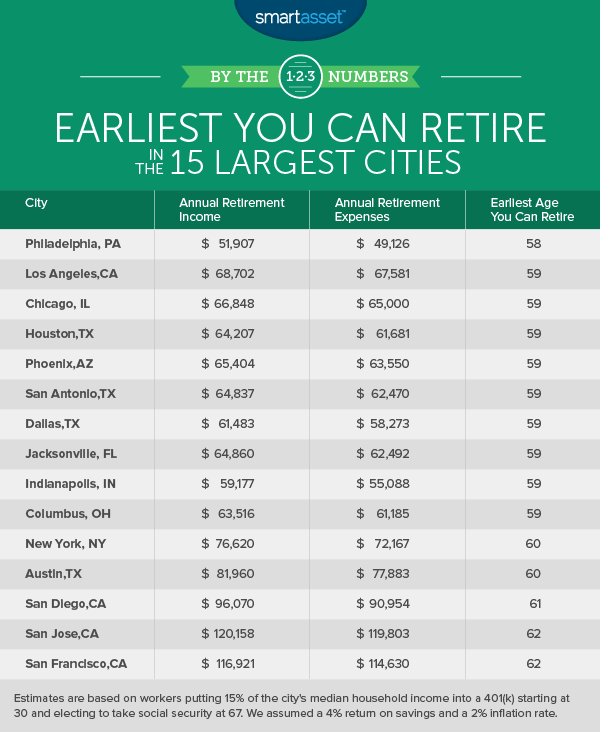
Navigating Retirement Ages: A Multi-Faceted Approach
The notion of a “retirement age” is primarily defined by when one can access various retirement benefits, most notably Social Security, and when one’s personal savings and pensions become sufficient to support a desired lifestyle. In California, like the rest of the United States, these federal guidelines form the bedrock of retirement planning, but state-specific considerations and individual circumstances add layers of complexity and opportunity. Understanding these different tiers of retirement age is the first step toward crafting your ideal post-career life, whether it involves exploring the scenic routes of Big Sur or settling into a cozy villa in Napa Valley.
Understanding Social Security Full Retirement Age
The most universally recognized benchmark for retirement is the Full Retirement Age (FRA) as determined by the Social Security Administration (SSA). For anyone born in 1960 or later, the FRA is 67. This is the age at which you are eligible to receive 100% of the Social Security benefits you’ve earned through your contributions over your working life. While you can opt to start receiving benefits as early as age 62, doing so results in a permanent reduction in your monthly payments – often by as much as 30%. Conversely, delaying benefits past your FRA, up to age 70, can increase your monthly payments through delayed retirement credits.
It’s critical to distinguish that the SSA’s FRA is a federal standard, applicable nationwide, including to residents of California. It doesn’t mean you must retire at 67 to live in California, but rather that your core federal retirement income stream will be maximized at this point. For many, Social Security benefits form a significant portion of their retirement income, making the timing of claiming these benefits a pivotal financial decision. Planning your travel adventures across California’s iconic landmarks or choosing your ideal retirement accommodation often hinges on having a stable and predictable income, which Social Security greatly contributes to. The ability to travel to destinations like Yosemite National Park or enjoy a long-term stay in San Diego becomes more feasible when your primary income source is fully optimized.
Early, Delayed, and Individual Retirement Plans
Beyond Social Security, the concept of retirement age becomes far more personalized. Many individuals retire earlier or later than their Social Security FRA based on a variety of factors, including private pensions, 401(k)s, IRAs, and specific occupational retirement plans. For example, some private sector employees may have pensions that allow for retirement with full benefits after a certain number of years of service, regardless of age. Similarly, public sector employees in California, such as teachers, police officers, and firefighters, often participate in state-specific retirement systems like the California Public Employees’ Retirement System (CalPERS) or the California State Teachers’ Retirement System (CalSTRS). These plans have their own eligibility rules regarding age and years of service, which can significantly differ from federal Social Security guidelines. Some might allow for retirement as early as 50 or 55 with sufficient service, providing a comfortable financial foundation for a vibrant post-career lifestyle.
The advent of the “FIRE” (Financial Independence, Retire Early) movement also highlights that retirement age is increasingly a personal choice driven by financial planning rather than a mandated age. Individuals who meticulously save and invest might achieve financial independence in their 30s or 40s, effectively allowing them to “retire” from traditional work long before the federal FRA. For these early retirees, California offers an unparalleled playground of experiences, from luxury travel to budget-friendly adventures, without the constraints of a conventional working schedule. Whether one aims for an early exit or plans to work well into their late 60s or 70s, the financial preparedness offered by these individual and occupational plans dictates the actual “age” of retirement, allowing for diverse lifestyles, be it frequent travel to San Francisco or an extended stay in a quiet coastal town.
The Role of Financial Readiness in Retirement Timing
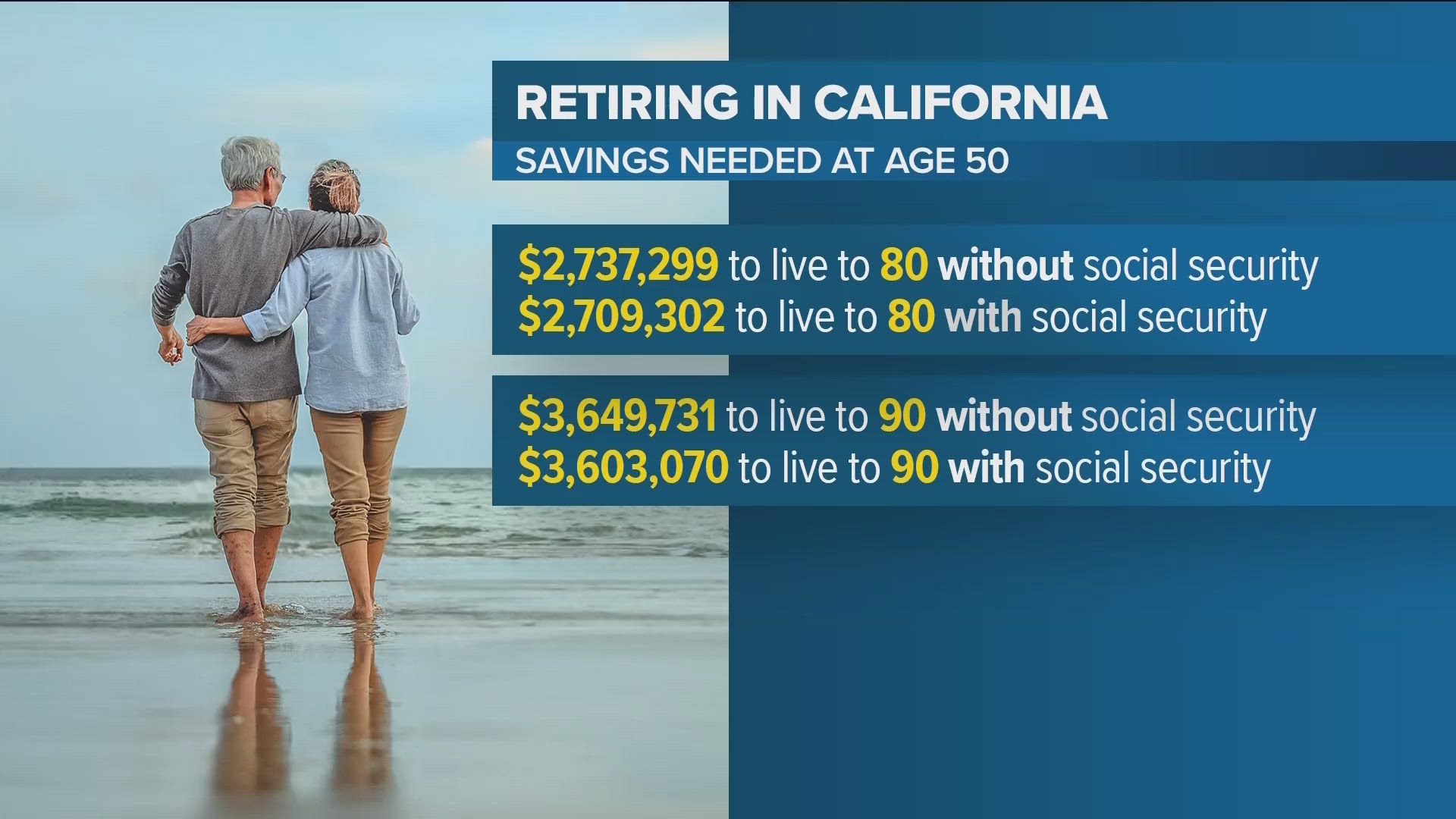
Ultimately, the most practical answer to “What is the age to retire in California?” boils down to one’s financial readiness. While legal and benefit-related ages provide benchmarks, the true retirement age is when you have accumulated enough savings, investments, and other income streams to cover your living expenses and desired lifestyle without relying on active employment. This is particularly crucial in California, known for its higher cost of living compared to many other states. A comfortable retirement here often requires a substantial nest egg.
Factors like housing costs, healthcare expenses (especially before Medicare eligibility at age 65), transportation, and leisure activities all play into this calculation. For those dreaming of a retirement filled with California experiences – perhaps exploring the wine regions of Sonoma County, hiking in the Sierra Nevada mountains, or frequenting the cultural attractions of Los Angeles – adequate financial planning is non-negotiable. This might mean working longer to save more, optimizing investment portfolios, or considering more budget-friendly regions within the state. The ideal retirement age, then, is not a number set by the government, but rather the age at which your financial plan aligns with your vision for the future, enabling you to fully enjoy the rich tourism and lifestyle options that California proudly presents.
California Living: Lifestyle Considerations for Retirees
Beyond the numerical age, the essence of retirement in California lies in the lifestyle it affords. The state is a magnet for retirees seeking an active, engaging, and diverse environment. From its varied geography to its rich cultural tapestry, California offers a spectrum of experiences that cater to every preference, whether you dream of serene natural escapes or vibrant urban living. Understanding these lifestyle facets is crucial for anyone considering making California their retirement home, as they directly tie into the “why” of choosing this destination for your golden years.
Embracing the Golden State’s Diverse Lifestyles
California’s unparalleled geographical diversity means retirees can choose from a multitude of environments to suit their preferred lifestyle. If endless sunshine and sandy shores are your ideal, the coastal cities of Southern California like San Diego, Santa Barbara, or Orange County offer a quintessential beach retirement, complete with opportunities for surfing, sailing, and beachfront strolls. The vibrant energy of Los Angeles provides access to world-class entertainment, dining, and cultural attractions, from Hollywood studios to museums and theaters. For those who prefer a cooler climate and a more intellectual, bohemian vibe, Northern California cities like San Francisco or Berkeley offer stunning bay views, iconic landmarks like the Golden Gate Bridge, and a thriving arts scene.
Inland, the state transitions into agricultural valleys, majestic mountains, and arid deserts. Wine enthusiasts might find their haven in Napa Valley or Sonoma County, where vineyard tours and gourmet dining are daily delights. Active retirees can embrace the outdoor paradise of the Sierra Nevada mountains, with skiing in winter and hiking around Lake Tahoe in summer. The desert oasis of Palm Springs offers a resort lifestyle with golf, spas, and mid-century modern architecture. Each region supports distinct travel experiences, from luxurious getaways at high-end resorts to budget-friendly camping in national parks like Redwood National Park. This immense choice means finding the perfect match for your post-retirement pace and passions is entirely possible, making your golden years a continuous adventure.
Health, Wellness, and Active Senior Living
A significant draw for retirees to California is its emphasis on health, wellness, and active senior living. The state’s generally mild climate encourages an outdoor lifestyle year-round. This translates into abundant opportunities for physical activity: hiking along scenic trails, cycling through picturesque towns, playing golf on championship courses, or simply enjoying leisurely walks on the beach. Many communities, especially those geared towards seniors, are designed with wellness in mind, offering amenities such as fitness centers, swimming pools, yoga studios, and organized group activities.
Beyond physical activity, California is a leader in holistic wellness, with access to organic foods, farmers’ markets, and innovative healthcare facilities. The emphasis on healthy living extends to mental and emotional well-being, with numerous opportunities for lifelong learning, volunteer work, and social engagement. Retirees can pursue hobbies, take classes at community colleges, or join clubs that align with their interests, fostering a strong sense of purpose and community. This focus on an active and healthy lifestyle helps retirees maintain their vitality and explore California’s many attractions, from the natural wonders of Death Valley National Park to the bustling entertainment of the Santa Monica Pier, ensuring that retirement is not an end, but a vibrant new beginning.
Cultural Immersion and Community Engagement
California is a melting pot of cultures, offering retirees unparalleled opportunities for cultural immersion and community engagement. From the diverse neighborhoods of Los Angeles and San Francisco to the smaller, charming towns scattered throughout the state, there’s always something new to discover. Retirees can explore world-class museums, attend live theater performances, enjoy symphony orchestras, and experience a myriad of music festivals. The state’s culinary scene is equally diverse, ranging from Michelin-starred restaurants to authentic ethnic eateries, inviting foodies on an endless gastronomic journey.
Community engagement is also a strong aspect of California life. Many retirees find fulfillment through volunteering, mentorship programs, or joining local interest groups. Whether it’s contributing to environmental causes, supporting local arts organizations, or participating in neighborhood events, there are countless ways to stay connected and contribute. The diverse demographics mean that retirees can find communities that share their heritage, language, or specific interests, fostering strong social bonds. This vibrant social fabric, coupled with easy access to unique local culture and activities, ensures that retired life in California is rich with experiences and meaningful connections, transforming every day into a journey of discovery and belonging.
Accommodation and Travel: Making California Home in Retirement
For retirees, the choice of where to live and how to spend their leisure time is intrinsically linked to their retirement age and financial planning. California presents a vast array of accommodation options and travel opportunities, catering to various budgets and preferences. Whether you envision a permanent residence in a bustling city, a tranquil retreat in the countryside, or a dynamic blend of long-term stays and spontaneous travel, the state’s offerings can shape the very fabric of your retirement lifestyle.
Finding Your Perfect Retirement Abode
California offers an incredibly diverse housing market, with options ranging from luxurious single-family homes and spacious villas to modern apartments and specialized senior living communities. The decision often depends on factors like desired lifestyle, budget, and proximity to family or specific amenities. In metropolitan areas like the Bay Area, Los Angeles, or San Diego, retirees can find contemporary apartments or condos that offer convenience, access to public transport, and a vibrant urban environment. These often come with amenities like fitness centers, pools, and communal spaces, fostering a sense of community.
For those seeking a more serene environment, smaller towns along the coast, in the wine country, or near national parks offer charming houses and even long-term stay rental options. Active adult communities, specifically designed for individuals 55 and older, are popular throughout the state. These communities often feature extensive amenities, including clubhouses, golf courses, social events, and healthcare services, providing a comprehensive and supportive lifestyle. Considering the high cost of living in some parts of California, some retirees opt for a hybrid approach, owning a smaller home and using savings for extended stays or vacation rentals in other parts of the state or even abroad, leveraging the flexibility that retirement provides. This allows for diverse experiences, from staying at a boutique hotel in Carmel-by-the-Sea to renting an apartment for a month in Sacramento, exploring local culture at a leisurely pace.
Exploring California’s Landmarks and Attractions
One of the greatest perks of retiring in California is the unparalleled access to its iconic landmarks and world-renowned attractions. With more leisure time, retirees can embark on extensive travel adventures, exploring everything from natural wonders to man-made marvels. Imagine spending a week hiking through the majestic valleys of Yosemite National Park, a weekend tasting award-winning wines in Napa Valley, or taking a road trip along Highway 1 to witness the dramatic cliffs of Big Sur.
Urban attractions are equally compelling. Retirees can frequent museums in Los Angeles, enjoy the vibrant theater scene in San Francisco, or take grandchildren to the Disneyland Resort. The state’s diverse geography means there’s always a new destination to discover, whether it’s the giant sequoias of Redwood National Park or the unique landscapes of Death Valley National Park. Hotels and resorts across the state cater to various budgets, from luxury accommodations offering exquisite amenities to charming boutique hotels and budget-friendly motels. This constant availability of new experiences makes retirement in California a continuous journey of discovery, fulfilling the desire for travel and exploration that often grows stronger in the golden years.
Budgeting for the Golden Years: Costs and Opportunities
While California offers an enviable retirement lifestyle, it’s essential to approach it with a realistic understanding of the associated costs. The state is notorious for its high cost of living, particularly in major metropolitan areas and popular coastal regions. Housing, healthcare, and utilities can be significantly more expensive than the national average. Therefore, thorough budgeting and financial planning are crucial to ensure a comfortable retirement. This might involve exploring more affordable regions within the state, such as parts of the Central Valley or the inland empire, or adjusting one’s desired lifestyle.
However, California also presents opportunities for smart budgeting. Retirees can take advantage of senior discounts on attractions, public transport, and various services. The state’s natural beauty offers countless free or low-cost activities, from hiking in state parks to enjoying community events. For those with a flexible retirement age and adequate savings, opportunities for luxury travel can be balanced with budget travel, perhaps by exploring regional hotels rather than high-end resorts for every trip, or opting for long-term apartment rentals over hotel suites for extended stays. By carefully managing finances, retirees can maximize their enjoyment of California’s offerings, ensuring their golden years are as rich and rewarding as possible without undue financial stress.
The Decision to Retire in California: More Than Just an Age
Ultimately, the question “What is the age to retire in California?” transcends a simple number. It’s a complex equation involving federal guidelines, personal financial preparedness, and a clear vision for one’s post-career lifestyle. While Social Security sets a baseline for full benefits, individual financial planning and specific pension schemes often dictate the practical age at which one can comfortably cease working. California beckons with its diverse landscapes, vibrant culture, and unparalleled opportunities for active senior living, offering a dream retirement for many.

Weighing the Pros and Cons
The decision to retire in California involves a careful weighing of its many advantages against the significant challenge of its high cost of living. On the one hand, retirees can enjoy an active lifestyle supported by a year-round mild climate, access to world-class healthcare, a rich tapestry of cultural experiences, and an endless list of destinations to explore, from the beaches of San Diego to the majestic Yosemite National Park. The state offers diverse accommodation options, catering to various preferences for urban vibrancy, suburban tranquility, or rural escapes. The potential for travel and tourism, from luxury resorts to budget-friendly adventures, is boundless.
On the other hand, the financial implications of living in California cannot be overstated. High housing costs, taxes, and general expenses mean that a robust retirement fund is often necessary to maintain a comfortable standard of living. However, for those who are financially prepared, the quality of life, the natural beauty, and the sheer variety of experiences that California offers can make it an incredibly rewarding place to spend one’s golden years. The ideal retirement age in California is therefore not just about reaching a certain age; it’s about reaching a state of financial and personal readiness that allows you to fully embrace the vibrant lifestyle and endless possibilities that the Golden State offers.
LifeOutOfTheBox is a participant in the Amazon Services LLC Associates Program, an affiliate advertising program designed to provide a means for sites to earn advertising fees by advertising and linking to Amazon.com. Amazon, the Amazon logo, AmazonSupply, and the AmazonSupply logo are trademarks of Amazon.com, Inc. or its affiliates. As an Amazon Associate we earn affiliate commissions from qualifying purchases.