
The allure of California, often romanticized as the Golden State, is undeniable. From its sun-drenched beaches and towering redwood forests to its bustling metropolises and innovative tech hubs, California offers a kaleidoscope of experiences that draw millions worldwide. However, this vibrant lifestyle and diverse landscape come with a significant consideration: the cost of living. For anyone contemplating a move to California, planning a prolonged stay, or simply curious about the economic realities behind the dream, understanding the average wage is not just a statistical exercise – it’s a fundamental insight into how life, travel, and accommodation choices are shaped in this iconic state.
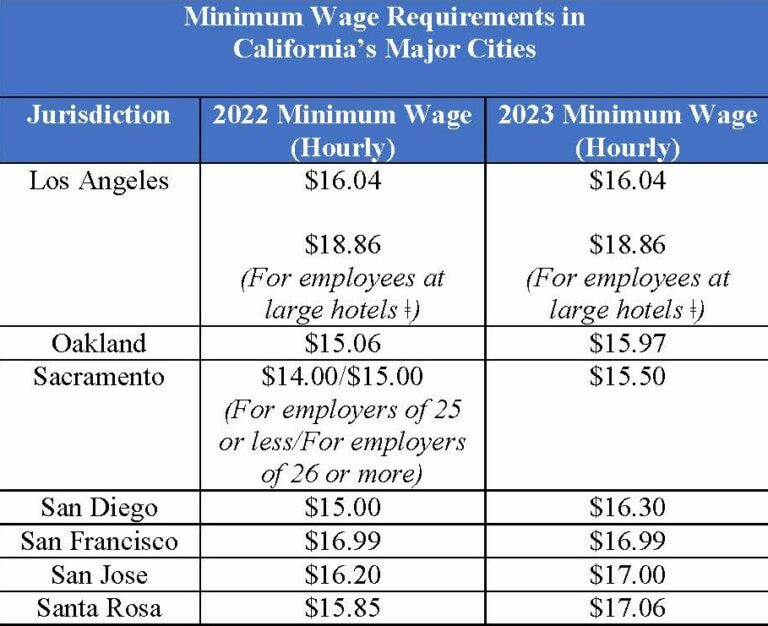
The relationship between income and lifestyle here is particularly pronounced. High wages in certain sectors might enable a luxurious existence, complete with stays in opulent resorts and gourmet dining experiences. Conversely, more modest incomes require strategic budgeting, favoring charming boutique hotels or self-catering apartments, and seeking out free attractions or national park adventures. This article delves into the average wage in California, dissecting its nuances and exploring how it directly influences everything from choosing a travel destination within the state to selecting the perfect place to stay.
Understanding California’s Economic Landscape and Wage Realities
California’s economy is a colossal entity, the largest in the United States and among the largest globally. This economic powerhouse is characterized by incredible innovation, diverse industries, and a highly skilled workforce, but also by significant disparities in income and living expenses. To truly grasp what the “average wage” means here, one must look beyond simple numbers and understand the context of this unique economic environment.
The Golden State’s Salary Snapshot: Averages and Medians
When discussing wages, it’s crucial to differentiate between the average (mean) and the median. The average wage can be skewed upwards by a relatively small number of extremely high earners, particularly in California’s tech and entertainment industries. The median wage, on the other hand, represents the midpoint where half of the workers earn more and half earn less, often providing a more accurate picture of what a typical worker takes home.
According to recent data from sources like the Bureau of Labor Statistics and the California Employment Development Department, the average annual wage in California can fluctuate but generally hovers in the range of $75,000 to $85,000. The median hourly wage often sits around $28 to $30, translating to an annual median salary closer to $60,000 to $65,000 for a full-time worker. These figures are notably higher than the national averages, reflecting California’s competitive job market and high cost of living.
However, these state-wide averages mask significant regional variations. An average wage in San Francisco or Silicon Valley – where tech salaries can easily exceed $150,000 for experienced professionals – will be dramatically different from wages in the agricultural Central Valley or more rural areas. This disparity means that while the numbers might seem impressive on paper, their purchasing power varies wildly depending on where one chooses to live or travel within the state.
The High Cost of Living: Housing, Essentials, and Beyond
The primary reason why California’s higher wages don’t always translate into a lavish lifestyle for everyone is the exorbitant cost of living, particularly housing. Major metropolitan areas like Los Angeles, San Francisco, and San Diego consistently rank among the most expensive cities in the world for housing. A median home price in San Francisco can easily exceed $1.3 million, with even rental costs for a modest apartment often surpassing $3,000 per month.
Beyond housing, everyday essentials also contribute to a higher cost of living. Gasoline prices, utilities, groceries, and even leisure activities often come with a premium compared to many other states. This means that a significant portion of an average Californian’s income is allocated to necessities, leaving a smaller discretionary budget for travel, dining out, and other experiences. Understanding this economic reality is crucial for both residents and visitors, as it dictates the types of accommodation, dining, and activities that are financially feasible. For a traveler, this often means weighing the appeal of a beachfront luxury resort against the practicality of a charming guesthouse further inland, or exploring the benefits of an apartment rental through platforms like Airbnb for a longer stay.
Navigating Lifestyle and Travel Choices Based on Income
The diverse economic landscape of California directly translates into a myriad of lifestyle and travel opportunities, each tailored to different income brackets. Whether you’re an aspiring resident or a curious traveler, understanding how average wages influence these choices is key to experiencing the Golden State in a way that aligns with your financial reality and personal aspirations.
Budget-Conscious Exploration: Making California Accessible
For those earning closer to the median wage or on a tighter budget, California remains remarkably accessible, provided one embraces smart planning and focuses on value. Budget travel in California doesn’t mean sacrificing experience; it means prioritizing. Accommodations might include well-rated motels outside city centers, hostels in vibrant neighborhoods, or charming guesthouses in less touristy towns like Sacramento or those within the Central Valley. Camping in one of California’s stunning National Parks, such as Yosemite National Park or Sequoia National Park, offers an unparalleled experience at a fraction of the cost of hotel stays, connecting visitors directly with the state’s incredible natural beauty.
Activities can also be enjoyed without breaking the bank. Many of California’s most iconic attractions, like strolling across the Golden Gate Bridge, exploring the beaches of Santa Monica Pier, or hiking in Griffith Observatory Park (with its free observatory admission), are free or low-cost. Visiting world-class institutions like The Getty Center in Los Angeles offers incredible art and architecture for free. Savvy travelers can also take advantage of farmers’ markets for affordable, fresh food, or explore the myriad of free festivals and community events that happen year-round. Public transportation in major cities, while not as extensive as in some global capitals, can reduce car rental costs. Even dining can be budget-friendly by seeking out local taquerias, food trucks, or packing picnics for scenic outings.
Mid-Range Comforts: Enjoying the California Experience
Individuals or families with above-average wages or a comfortable mid-range budget have more flexibility, allowing for a blend of comfort and authentic Californian experiences. This income level often permits stays in well-appointed 3- to 4-star hotels, including boutique hotels in desirable neighborhoods or comfortable resorts outside the priciest city centers. Destinations like Napa Valley or Lake Tahoe become more accessible, offering options for charming bed and breakfasts or quality vacation rentals without resorting to extreme luxury.
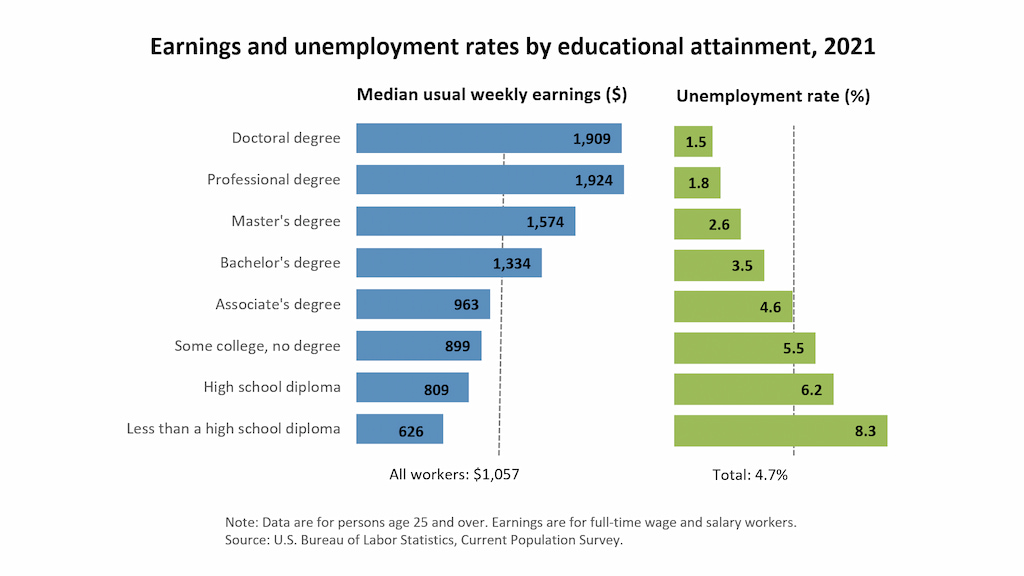
Travelers in this bracket can indulge in more curated experiences. This might include a wine-tasting tour in California Wine Country, a day trip to famous theme parks like Disneyland or Universal Studios Hollywood, or exploring renowned museums like The Exploratorium in San Francisco. Dining becomes an opportunity to explore diverse culinary scenes, from trendy eateries in Hollywood to family-friendly restaurants with ocean views. Road trips along scenic routes like Highway 1 through Big Sur, staying in comfortable inns along the way, become an achievable dream. Mid-range budgets open up a world of possibilities for enriching travel, focusing on quality experiences and comfortable accommodation without the need for constant financial vigilance.
Luxury Living: Indulging in California’s Finest
For high earners, the possibilities in California are virtually limitless, transforming the state into a playground for luxury living and exclusive experiences. This income level allows access to the pinnacle of hospitality and curated travel, offering an unparalleled level of comfort and bespoke service. Think stays at iconic five-star properties like the Beverly Wilshire, A Four Seasons Hotel in Beverly Hills, or the oceanfront elegance of The Ritz-Carlton, Laguna Niguel. Private villas in Malibu, exclusive retreats in Santa Barbara, or lavish suites in Carmel-by-the-Sea become viable accommodation options.
Luxury travel experiences abound, from private yacht charters in Marina del Rey to helicopter tours over the Hollywood Hills. Gourmet dining is a highlight, with access to California’s extensive list of Michelin-starred restaurants offering world-class culinary journeys. Exclusive spa treatments, personal shopping experiences, and private guided tours to attractions like Hearst Castle or remote corners of Joshua Tree National Park define this tier of travel. Whether it’s a winter escape to a luxury chalet in Lake Tahoe or a desert oasis experience in Palm Springs, high earners can immerse themselves in the very best that California has to offer, experiencing the state in ultimate comfort and style, where every detail is meticulously handled.
Key Industries and Their Impact on California’s Wage Landscape
California’s economic strength is not monolithic; it’s a tapestry woven from diverse industries, each contributing uniquely to the state’s overall wage landscape. Understanding these sectors is essential for anyone looking to live, work, or even visit California, as they dictate not only the average wage but also the cultural and economic pulse of different regions.
Tech, Healthcare, and Beyond: High-Paying Sectors
The narrative of California’s high wages is largely driven by its booming, innovation-led industries. Silicon Valley, encompassing cities like San Jose and Palo Alto, is the undisputed global epicenter of technology. Software engineers, data scientists, product managers, and executives in this region command some of the highest salaries in the world, often well into six figures and beyond. These high wages attract talent from across the globe, contributing to intense competition but also to an incredibly dynamic and innovative environment. The affluence generated by the tech sector has a ripple effect, driving up prices for housing, services, and luxury goods in surrounding areas, which in turn influences the broader cost of living.
Beyond tech, California boasts a robust healthcare industry, with world-renowned research institutions and hospitals contributing to high demand and competitive salaries for doctors, specialists, and even highly skilled nurses. The entertainment industry, centered in Hollywood and greater Los Angeles, also offers exceptionally high wages for top-tier actors, directors, producers, and studio executives, though these figures often skew the average due to the superstar economy at play. Finance, biotechnology, and advanced manufacturing also contribute significantly to the high-wage sector, creating pockets of immense wealth and specialized job markets that enable a luxury lifestyle for many professionals and their families. This concentration of high-paying jobs directly supports the state’s luxury travel and accommodation sectors, with a constant demand for high-end resorts, fine dining, and exclusive experiences.
Tourism, Hospitality, and Agriculture: The Backbone of the Economy
While the high-tech and entertainment sectors often grab headlines, California’s economy is equally reliant on foundational industries that, while vital, typically offer more moderate wages. The tourism and hospitality sectors are prime examples. From the front-desk staff at a boutique hotel in San Francisco to the tour guides in Napa Valley or the chefs in Los Angeles’s vibrant restaurant scene, these professionals are the lifeblood of California’s visitor economy. Their tireless work ensures that guests have memorable experiences, that hotels operate smoothly, and that dining establishments serve delicious fare. However, wages in these sectors, while often augmented by tips, generally fall closer to the state’s median or even minimum wage.
Similarly, California’s vast agricultural industry, particularly in the Central Valley, is crucial for feeding the nation and the world. Workers in agriculture, food processing, and related fields play an indispensable role, yet their wages tend to be among the lower tiers of the state’s economy. Retail, education, and various service industries also form a substantial part of California’s workforce, providing essential services and contributing to the diverse economic fabric. The wages in these sectors highlight the economic spectrum within California, illustrating that while the average wage may seem high, it encompasses a wide range of incomes and economic realities. Understanding this broad economic base is vital for appreciating the full picture of California’s employment landscape and how it supports, and is supported by, its thriving tourism and lifestyle industries.
Strategic Planning for California Living and Exploration
Experiencing California to its fullest, whether as a resident or a visitor, requires more than just an understanding of the average wage; it demands strategic planning. The Golden State’s unique economic climate means that careful financial foresight can be the difference between merely existing and truly thriving, or between a stressful trip and a memorable adventure. Embracing smart choices allows individuals to align their aspirations with their financial realities, maximizing their enjoyment of this diverse and captivating state.
Budgeting for the Golden State Dream
For those considering a move to California or a long-term stay, meticulous budgeting is paramount. Researching the cost of living for specific cities, rather than relying solely on statewide averages, is crucial. For instance, the financial demands of living in San Francisco are vastly different from those in Sacramento or a smaller coastal town. Prospective residents should factor in not just rent or mortgage payments, but also utilities, transportation (especially if relying on a car given California’s expansive nature), groceries, and an allocation for leisure activities. Optimizing housing choices, perhaps by opting for shared accommodation or choosing a slightly less central neighborhood, can significantly impact one’s disposable income.
When planning travel, smart financial strategies can unlock a broader range of experiences. For visitors on a budget, consider off-season travel to destinations like Lake Tahoe or Napa Valley to benefit from lower accommodation rates. Booking accommodations like guesthouses or self-catering apartments well in advance can secure better deals. Leveraging free attractions, packing snacks for day trips, and utilizing public transport or ride-sharing services strategically can help stretch a travel budget further. Even for those with higher incomes, thoughtful planning can lead to more enriching and less stressful experiences, allowing for greater indulgence in unique experiences rather than unexpected expenses.
Beyond the Numbers: The Intangible Value of California Life
While the financial considerations of living or traveling in California are undeniable, it’s equally important to acknowledge the intangible value the state offers. Beyond the average wage and cost of living, California provides an unparalleled quality of life for many. Its geographical diversity means access to stunning beaches, majestic mountains, serene deserts, and vibrant cities, all within a few hours’ drive. The state is a melting pot of cultures, offering a rich tapestry of food, art, and community experiences that are unique globally. The innovation, opportunity, and forward-thinking mindset prevalent in many regions contribute to a dynamic and inspiring environment.
Ultimately, understanding the average wage in California is not about being deterred by the numbers, but about being informed. It empowers individuals to make conscious decisions about where to live, what kind of job to pursue, and how to allocate resources for travel and leisure. With careful financial planning and an appreciation for its diverse offerings, California truly offers something for everyone, regardless of their income bracket. From budget-friendly adventures in its National Parks to luxurious stays in world-class resorts, the Golden State continues to captivate and inspire, proving that with the right strategy, its dreams are indeed within reach.
LifeOutOfTheBox is a participant in the Amazon Services LLC Associates Program, an affiliate advertising program designed to provide a means for sites to earn advertising fees by advertising and linking to Amazon.com. Amazon, the Amazon logo, AmazonSupply, and the AmazonSupply logo are trademarks of Amazon.com, Inc. or its affiliates. As an Amazon Associate we earn affiliate commissions from qualifying purchases.