
The Eagles‘ iconic song, “Hotel California,” released in 1976, remains one of the most enigmatic and debated tracks in music history. More than four decades since its debut, its haunting melody and cryptic lyrics continue to captivate listeners worldwide, sparking endless speculation about its true meaning. Far from being a simple narrative about a physical place, the song serves as a profound allegory, exploring complex themes of the American Dream, the excesses of the 1970s, and the darker side of fame and materialism. For a website dedicated to travel, hotels, and lifestyle, understanding “Hotel California” offers a unique lens through which to examine the allure and potential pitfalls of destinations, the accommodations we seek, and the lifestyles we aspire to. It’s a cautionary tale disguised as a rock anthem, urging listeners to look beyond the glittering facade of paradise.
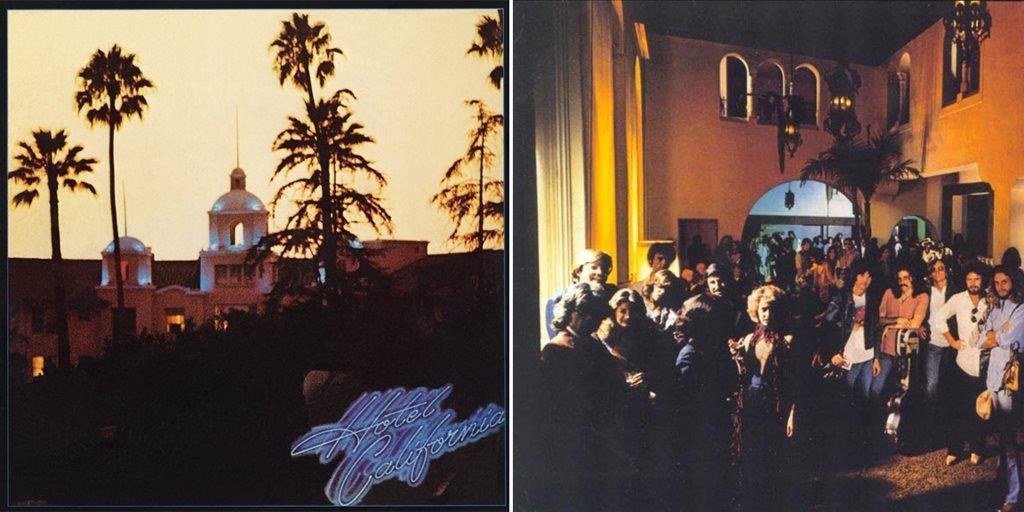
The Lure of the Golden State: A Metaphorical Journey
At its core, “Hotel California” tells a story of a weary traveler on a “dark desert highway,” drawn by a shimmering light in the distance – the eponymous hotel. This journey is not merely a physical one across a barren landscape; it’s a symbolic odyssey into the heart of Southern California, particularly Los Angeles, during a pivotal cultural moment. The song vividly portrays the initial enchantment and subsequent disillusionment that can accompany the pursuit of a seemingly idyllic destination and lifestyle.
Arriving in California: Dreams and Disillusionment
The opening lines immediately establish a sense of arrival and expectation. The “warm smell of colitas” and “rising up through the air” evokes a sense of exotic luxury, a welcome respite from the arduous journey. This sensory imagery immediately transports the listener to a place of relaxation and indulgence, much like arriving at a highly anticipated resort after a long trip. California, especially its southern regions, has long been romanticized as a land of opportunity, sunshine, and endless possibilities – the quintessential destination for those chasing dreams.
However, this initial welcome quickly reveals its unsettling undertones. The “mystical, magical tour” promised by the woman at the door hints at an experience beyond the ordinary, but also one that might be more than the traveler bargained for. This duality is crucial to understanding the song’s message. It mirrors the experience of many who travel to famous places, seeking glamour and excitement, only to find a complex reality beneath the surface. The dream destination, much like an alluring advertisement for a luxury hotel, might hide unexpected truths. The song implies that the very things that draw us to a place – its beauty, its promises of pleasure – can also be the elements that subtly entrap us.
The Alluring Yet Treacherous Hotel California
The hotel itself functions as the central metaphor, an accommodation that transcends its physical form to represent a state of mind, a societal condition, or even an industry. It is a place of apparent luxury, replete with “pink champagne on ice” and guests who “gather for the feast,” indulging in a seemingly endless party. This imagery aligns perfectly with the perception of high-end hotels and resorts, destinations designed for comfort, indulgence, and escape from the mundane. The detailed descriptions of the hotel’s amenities and the guests’ lavish activities paint a picture of an extravagant lifestyle, a stark contrast to the “dark desert highway” from which the traveler arrived.
Yet, beneath this veneer of opulence lies a sinister truth. The “mirrors on the ceiling” and “pink champagne on ice” serve as symbols of self-reflection, excess, and potentially superficiality. The guests’ declaration, “We are all just prisoners here, of our own device,” delivers the song’s most chilling revelation. This isn’t merely a luxurious stay; it’s an entrapment. The hotel, initially perceived as a sanctuary, transforms into a gilded cage. This concept resonates strongly with the themes of travel and accommodation: while hotels offer comfort and convenience, they can also represent transient spaces that isolate us from genuine connection, or where the pursuit of a certain lifestyle can lead to unexpected consequences. The song suggests that the very freedom and pleasure sought in such destinations can ultimately become a form of imprisonment, where desires become chains.
Unpacking the Lyrics: Decadence, Addiction, and the American Dream
The lyrical depth of “Hotel California” is what truly sets it apart, allowing for myriad interpretations. The songwriters, Don Henley, Glenn Frey, and Don Felder, crafted a narrative that critiques the excesses of 1970s Southern California and, by extension, the darker side of the American Dream. It delves into themes of decadence, the seductive nature of addiction (both literal and metaphorical), and the illusion of eternal bliss.
The High Life and Its Hidden Costs
The song is replete with imagery of a hedonistic lifestyle. The “sweet summer sweat” and “pretty, pretty boys” and “girls” are quintessential emblems of a carefree, pleasure-seeking culture. The mention of “some dance to remember, some dance to forget” succinctly captures the two-faced nature of escapism – the pursuit of intense experiences, often as a means to avoid deeper issues. This narrative mirrors aspects of modern tourism and lifestyle choices, where people seek out destinations and experiences that promise ultimate liberation and enjoyment, sometimes to the point of overlooking potential downsides or even personal responsibilities.
The band members themselves, having experienced the meteoric rise to fame in Los Angeles, were uniquely positioned to comment on this phenomenon. They witnessed firsthand the opulence, the parties, the relentless pursuit of pleasure, and the subsequent burnout and moral decay that often accompanied such a lifestyle. The “high life” depicted in the song is not sustainable; it comes with hidden costs. The “spirit of the Hotel California” becomes a metaphor for any seductive force – be it fame, wealth, drugs, or a shallow pursuit of pleasure – that promises freedom but delivers bondage. This resonates with the ‘Lifestyle’ aspect of our website, cautioning that while luxury travel and extravagant experiences can be alluring, it’s essential to understand the potential emptiness or moral compromises that can accompany unbridled excess.
The Perpetual Loop: “You Can Check Out Any Time You Like, But You Can Never Leave”
Perhaps the most haunting and frequently quoted line of the song, “You can check out any time you like, but you can never leave,” encapsulates the core message of inescapable entrapment. This powerful paradox speaks to the insidious nature of addiction – whether to a substance, a lifestyle, or a dream that has soured. It suggests that once one succumbs to the allure of the Hotel California (representing the seductive yet destructive forces), there is no true exit. You might physically depart, but the experience, the mindset, or the consequences of your choices remain with you, a psychological tether.

In the context of hotels and accommodation, this line takes on an eerie significance. While a hotel room is typically a temporary stay, a place from which one eventually departs, the Hotel California defies this expectation. It becomes a metaphor for a destination that consumes its visitors, a permanent fixture in their psyche. This speaks to the immersive nature of certain travel experiences, where a place can profoundly change you, for better or for worse. It highlights the idea that some “destinations” – whether a physical city, a cultural movement, or a personal journey – have a lasting hold that extends far beyond the duration of one’s stay. The song serves as a powerful allegory for the challenges of breaking free from cycles of excess or disillusionment, a theme relevant to anyone reflecting on their choices and their pursuit of happiness.
The Eagles’ Vision: A Critique of Excess
The Eagles have consistently described “Hotel California” as their interpretation of the high life in Los Angeles and the broader California culture of the 1970s. It wasn’t meant to be a literal place, but a commentary on the rapid changes, hedonism, and eventual spiritual emptiness they observed and experienced firsthand.
A Reflection on the Music Industry and Hollywood
Don Henley famously described the song as being about “the dark underbelly of the American Dream and about excess in America, which is something we knew a lot about.” For a band that rose to prominence during this era, “Hotel California” became a vehicle to express their disillusionment with the very industry and lifestyle that had embraced them. Hollywood and the music scene of Los Angeles in the 1970s were notorious for their glamour, their cutthroat competition, and the intense pressure to maintain a certain image. The song critiques the superficiality, the loss of innocence, and the moral compromises often required to succeed and stay relevant in such an environment.
The “beast” that “can’t be killed” and the “darkness” are symbolic of the pervasive, almost inescapable nature of these industries and their demands. The “mission bells” that “were ringing” in the distance could represent a fading spirituality or a call to a more traditional, perhaps purer, way of life being drowned out by the noise of modern excess. This perspective offers a critical look at the “lifestyle” aspect of our website, particularly how certain aspirational lifestyles, often tied to famous landmarks or cultural hubs like Hollywood, can come with unseen costs and challenges. It encourages a thoughtful approach to pursuing dreams in celebrated destinations, recognizing that not all that glitters is gold.
Beyond the Sunshine: Exploring Darker Undertones
While California is globally known for its sunshine and optimistic image, the Eagles peeled back this sunny facade to expose a landscape grappling with deeper issues. The “long dark highway” is a recurring motif that suggests a journey into uncertainty and moral ambiguity. The transformation of a welcoming hotel into an inescapable prison mirrors the transformation of the American Dream from a promise of prosperity into a potentially destructive pursuit of material wealth and fleeting pleasures.
The song’s evocative imagery—from the “warm smell of colitas” to the “steely knives” and the “mirror on the ceiling”—all contribute to an atmosphere that oscillates between enticing luxury and chilling dread. The “voices in the corridor” and the declaration that “we haven’t had that spirit here since 1969” hint at a lost innocence, a golden age that has passed, replaced by something darker and more cynical. This historical reference anchors the song in a specific cultural moment, reflecting on the transition from the idealism of the 1960s to the disillusionment of the post-Vietnam War era. For travelers exploring historical landmarks or understanding local culture, “Hotel California” reminds us that every place has multiple layers of history and experience, not all of which are overtly beautiful or pleasant. It’s an invitation to look deeper, beyond the curated tourist experience, into the genuine complexities of a destination.
Enduring Legacy and Cultural Impact
Decades after its release, “Hotel California” continues to resonate, not just as a rock classic, but as a timeless cultural touchstone. Its profound impact stems from its ability to tap into universal themes of temptation, disillusionment, and the search for meaning, making it relevant across generations and different cultural contexts.
A Timeless Narrative on Lifestyle and Destination
The allure of new destinations and the desire for an enhanced lifestyle are perpetual human aspirations. “Hotel California” speaks directly to these desires, portraying both their intoxicating appeal and their potential for unforeseen consequences. The song’s narrative of a traveler drawn to a place that promises everything but delivers an existential trap is a metaphor for any pursuit of happiness that becomes self-defeating. Whether it’s the search for a dream job in a bustling city, the pursuit of ultimate relaxation in an exotic resort, or the quest for an idealized life, the song serves as a powerful reminder to examine the true nature of our desires and the places we believe will fulfill them.
It challenges listeners to consider what “checking out” truly means – is it just leaving a physical location, or is it a deeper disengagement from a toxic mindset or destructive pattern? This makes the song incredibly pertinent to conversations around sustainable tourism, mindful travel, and the conscious creation of a fulfilling lifestyle. It encourages travelers to be discerning, to appreciate the beauty and culture of new places without succumbing to their potential pitfalls or losing sight of their own values.

How the Song Resonates with Travelers and Dreamers
For travelers and dreamers, “Hotel California” offers a compelling reflection on the journey itself. The “long dark highway” is a symbol of the challenges and unknowns inherent in any significant journey, whether across continents or through life’s pivotal moments. The “shimmering light” represents the dreams and aspirations that guide us, yet also the potential for mirages or illusions. The hotel, as a form of accommodation, symbolizes the temporary havens we seek, the places where we rest, reflect, and perhaps confront our inner demons before continuing our path.
The song’s universal themes ensure its lasting appeal. Its exploration of identity, freedom, and entrapment transcends its specific California setting. It prompts listeners to ask: What are we truly seeking in our travels? Are we looking for genuine experiences and connections, or merely superficial distractions? Are we creating a lifestyle that truly serves us, or are we caught in a gilded cage of our own making? In essence, “Hotel California” is not just a song about a place; it’s a song about the human condition, our perpetual pursuit of paradise, and the eternal struggle to distinguish genuine fulfillment from seductive illusion. It stands as a powerful artistic landmark, urging us to remain aware of the true costs of our desires and the potential for even the most alluring destinations to become our most profound entrapments.
LifeOutOfTheBox is a participant in the Amazon Services LLC Associates Program, an affiliate advertising program designed to provide a means for sites to earn advertising fees by advertising and linking to Amazon.com. Amazon, the Amazon logo, AmazonSupply, and the AmazonSupply logo are trademarks of Amazon.com, Inc. or its affiliates. As an Amazon Associate we earn affiliate commissions from qualifying purchases.