
California is a state synonymous with adventure, from the sprawling urban landscapes of Los Angeles and San Francisco to its breathtaking national parks and sun-kissed coastlines. For residents and visitors alike, exploring this diverse terrain often means hitting the open road. Whether you’re embarking on a luxurious cross-country road trip, a budget-friendly family vacation, or simply commuting for business, a reliable vehicle is not just a convenience—it’s often a necessity for enjoying the California lifestyle. But what happens when the car meant to facilitate your travels becomes a source of stress and endless mechanical woes? This is precisely where the California Lemon Law steps in, offering a vital layer of consumer protection that ensures your investment in a vehicle doesn’t turn into a travel nightmare.
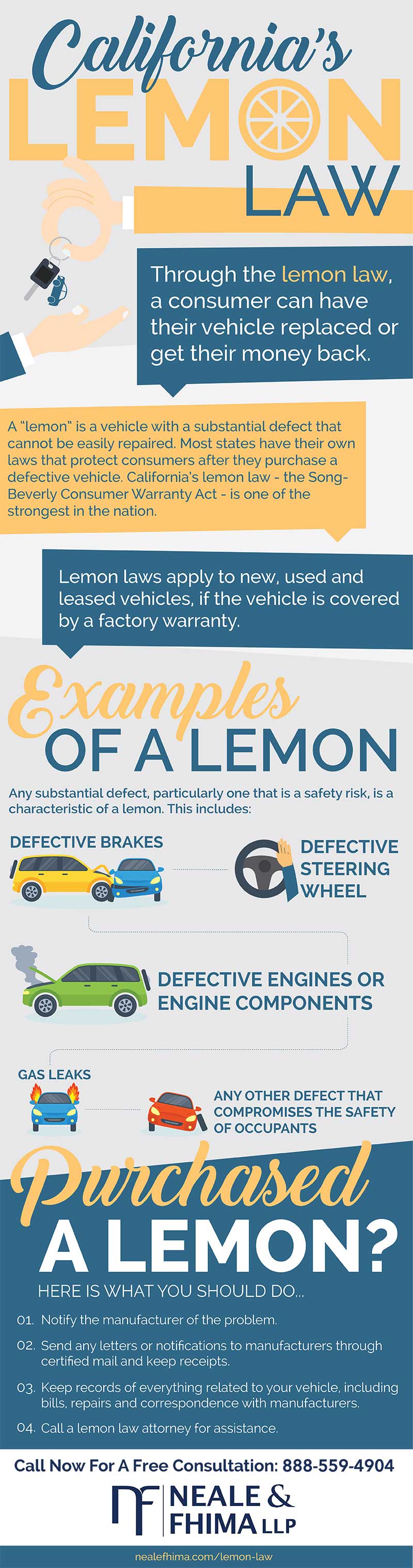
Imagine planning a scenic drive along the Pacific Coast Highway, only for your brand-new SUV to break down repeatedly. Or perhaps you’ve invested in a sophisticated sedan for frequent business trips to Sacramento, only to find yourself constantly at the repair shop. These frustrating scenarios highlight the critical importance of understanding your rights as a consumer. The California Lemon Law, officially known as the Song-Beverly Consumer Warranty Act, is designed to protect buyers and lessees of new and used vehicles that come with a manufacturer’s warranty. It provides recourse when a vehicle has significant, unfixable defects that substantially impair its use, value, or safety, even after a reasonable number of repair attempts by the manufacturer or its authorized dealerships.
In a state where personal mobility is deeply intertwined with daily life and the pursuit of leisure, the Lemon Law isn’t just a legal provision; it’s a foundational element of consumer confidence. It allows individuals to confidently purchase or lease vehicles, knowing there’s a safety net if their new acquisition turns out to be a “lemon.” This law ensures that consumers aren’t stuck with a defective vehicle, safeguarding their hard-earned money and, crucially, their ability to enjoy all the experiences California has to offer, from exploring San Diego‘s vibrant culture to navigating the bustling streets of Los Angeles. For those whose lifestyle revolves around travel, adventure, and seamless transportation, the Lemon Law is an indispensable tool that helps maintain peace of mind and keeps the journey moving forward.
Understanding California’s Lemon Law: A Traveler’s Assurance
The core philosophy behind the California Lemon Law is to provide a robust safeguard for consumers against defective vehicles. It acknowledges that purchasing a car, truck, SUV, or even a motorcycle is a significant investment, often representing one of the largest financial commitments a person makes after a home. When a vehicle fails to meet reasonable quality and performance standards, especially under warranty, the law ensures that the consumer is not left without options. This protection is particularly vital in a state like California, where driving is central to both daily life and the pursuit of an active, travel-oriented lifestyle.
The Core Purpose: Protecting Your Investment
At its heart, the California Lemon Law aims to offer relief to consumers who have purchased or leased a vehicle that turns out to be persistently faulty. It serves as a powerful deterrent against manufacturers releasing substandard products and provides a mechanism for recourse when defects slip through the cracks. The law essentially states that if a vehicle under warranty has a substantial defect that the manufacturer or its authorized dealer cannot repair after a “reasonable number of attempts,” or if the vehicle has been out of service for repairs for an excessive period, the consumer is entitled to specific remedies. These remedies can include a buyback (repurchase), a replacement vehicle, or in some cases, a cash settlement where the consumer retains the vehicle but is compensated for its diminished value. This protection ensures that your hard-earned money is not wasted on a vehicle that consistently fails to perform its intended function, thereby preserving your ability to travel and live your lifestyle without constant automotive disruptions.
Eligibility: What Vehicles Are Covered?
The scope of the California Lemon Law is quite broad, covering a wide array of vehicles under specific conditions. Primarily, it applies to new vehicles purchased or leased in California for personal, family, or household use. This includes cars, trucks, SUVs, motorcycles, and even some recreational vehicles (RVs) and boats, provided they are primarily used for personal transportation. The law also extends to vehicles primarily purchased or leased for business use, as long as the business has no more than five vehicles registered in California and the vehicle has a gross vehicle weight rating of under 10,000 pounds.
Crucially, the law also covers used vehicles if they were sold with a manufacturer’s new car warranty that is still in effect at the time of purchase or lease, or if they were sold with a certified pre-owned (CPO) warranty. This means that even if you’re buying a pre-owned vehicle, you might still be protected if the warranty conditions are met. However, vehicles sold “as is” or without any remaining manufacturer’s warranty generally fall outside the direct purview of the Lemon Law, although other consumer protection laws might still apply. The key determinant for coverage is the existence and applicability of a manufacturer’s warranty at the time the defects manifest.
Defining a “Lemon”: When Does a Defect Qualify?
Not every mechanical issue qualifies a vehicle as a “lemon” under California law. The defect must be “substantial,” meaning it significantly impairs the vehicle’s use, value, or safety. A minor rattle, for instance, typically wouldn’t qualify, but a recurring brake malfunction, an engine misfire that affects drivability, or a persistent electrical issue that compromises safety features certainly would. The substantiality of a defect is often evaluated based on how it impacts a reasonable consumer’s ability to use the vehicle as intended, its market value, or the safety of its occupants.
Furthermore, the defect must occur while the vehicle is still under the manufacturer’s new car warranty. This includes the original factory warranty and any extended manufacturer’s warranties. The law also includes an important “presumption” clause designed to make it easier for consumers to prove their case. A vehicle is presumed to be a lemon if, within the first 18 months or 18,000 miles (whichever comes first), one of the following conditions is met:
- The manufacturer or its authorized dealer has made two or more repair attempts for a defect that could cause serious injury or death.
- The manufacturer or its authorized dealer has made four or more repair attempts for the same non-safety-related substantial defect.
- The vehicle has been out of service for repairs for a cumulative total of more than 30 calendar days for any combination of substantial warranty defects.
It’s important to note that this presumption is rebuttable, meaning the manufacturer can try to prove that the conditions were not met or that the defect was caused by abuse or neglect. However, if the presumption applies, the burden shifts to the manufacturer to prove why the vehicle is not a lemon, significantly strengthening the consumer’s position. Understanding these parameters is crucial for any traveler or resident of California considering a vehicle purchase, as it delineates the specific circumstances under which they are entitled to legal protection.
Navigating the Lemon Law Process: Steps to Resolution
Once you suspect your vehicle might be a lemon, understanding the subsequent steps is paramount. The California Lemon Law process is designed to provide a structured path for consumers to seek redress, though it can sometimes be complex and time-consuming. Familiarity with this process ensures that consumers can assert their rights effectively and move towards a resolution that allows them to get back on the road with a reliable vehicle, whether for daily commutes, family trips to San Diego, or exploring the natural wonders of the state.
The “Reasonable Number of Repair Attempts” Standard
The concept of a “reasonable number of repair attempts” is central to the California Lemon Law. As discussed, the law provides specific guidelines for when a vehicle is presumed to be a lemon based on the number of repair attempts or days out of service. However, even if the vehicle doesn’t strictly meet these presumption guidelines, it could still qualify as a lemon. The determination of what constitutes a “reasonable number” can depend on several factors, including the severity of the defect, the vehicle’s mileage, and the nature of the repairs. For instance, a critical safety defect might warrant fewer repair attempts than a less severe issue before the vehicle is deemed a lemon.
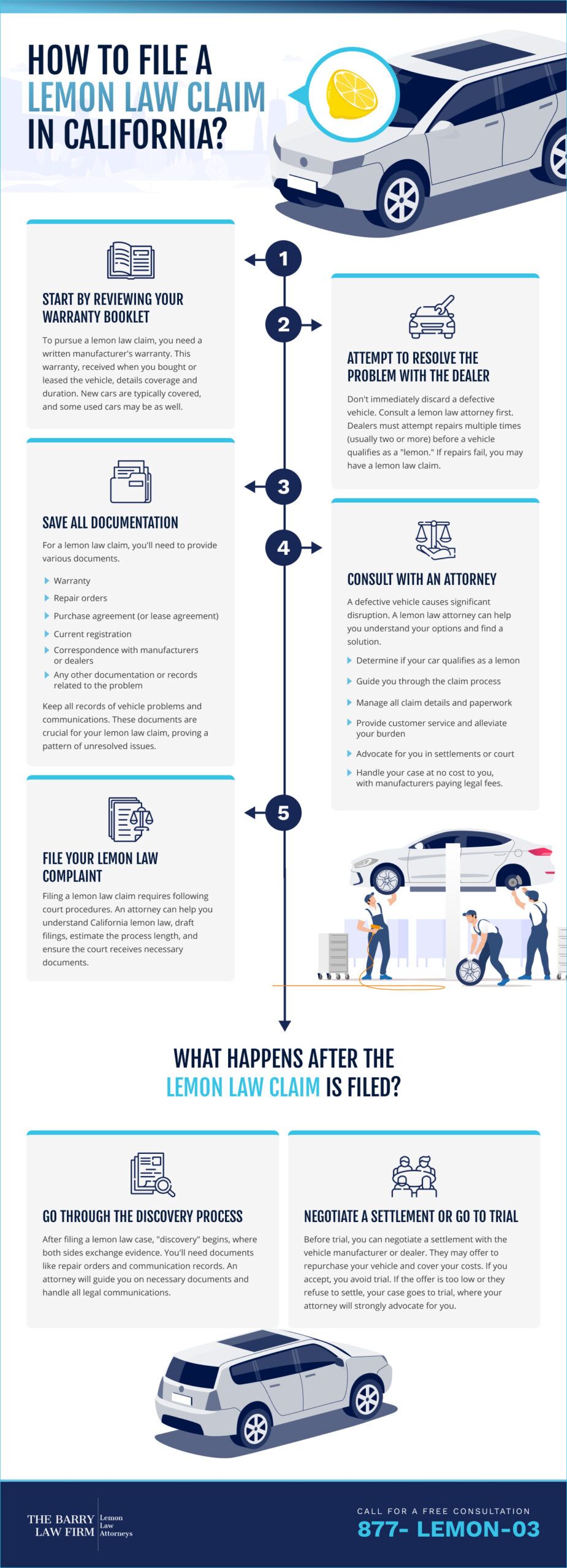
It’s crucial for consumers to keep detailed records of all repair attempts. This includes repair orders, invoices, dates of service, descriptions of the problems reported, and what repairs were performed. These documents serve as vital evidence should you need to pursue a Lemon Law claim. Each time you take your vehicle to an authorized dealership for a warranty-related defect, ensure that the service advisor accurately documents your complaints and the work done. Without proper documentation, proving that a reasonable number of repair attempts have been made becomes significantly more challenging. This diligence ensures that your efforts to resolve the issue through the dealership contribute directly to building a strong Lemon Law case.
Key Remedies Available to Consumers
If your vehicle is determined to be a lemon under California law, you are entitled to specific remedies from the manufacturer. These remedies are designed to restore your financial position and provide you with a reliable vehicle, ensuring your travel plans and daily life aren’t continuously interrupted. The primary remedies are:
- Vehicle Repurchase (Buyback): This is often the most common outcome. The manufacturer is required to buy back your vehicle. The buyback amount typically includes the purchase price (or lease payments made), registration fees, official fees, and incidental damages such as towing costs or rental car expenses. The manufacturer is allowed to deduct a “mileage offset” for the miles driven before the first significant defect occurred. This offset is calculated using a formula provided by the law and represents the value of the use you had from the vehicle before it became problematic.
- Vehicle Replacement: Alternatively, you may be entitled to a replacement vehicle that is substantially identical to your original vehicle. This means a new car of the same make, model, and trim level. If you choose this option, the manufacturer also typically covers any taxes and fees associated with the new vehicle. Similar to a buyback, a mileage offset might be applied to the replacement, though this varies. The key advantage of a replacement is that you avoid the hassle of finding and purchasing a new vehicle yourself.
- Cash-and-Retain Settlement: In some cases, usually through negotiation, a manufacturer might offer a cash settlement while allowing you to keep the defective vehicle. This remedy is typically pursued when the defect is substantial but perhaps not so severe as to render the vehicle completely unusable, or when the consumer prefers to negotiate a lesser amount to avoid the full buyback process. The settlement amount would reflect the diminished value of the vehicle due to its defects.
The choice between a repurchase and a replacement typically rests with the consumer, though manufacturers sometimes try to steer consumers towards a replacement. Understanding your rights and preferences for these remedies is crucial during the negotiation phase of a Lemon Law claim.
The Road to Resolution: From Manufacturer Notification to Arbitration
Initiating a Lemon Law claim typically begins with formal notification to the manufacturer. While repeated repair attempts at the dealership can establish a record, a direct, written notice to the manufacturer about the persistent defect is often a critical step. This notification informs them that you believe your vehicle is a lemon and may invite them to perform one final repair attempt or offer a resolution.
If direct negotiations with the manufacturer are unsuccessful, the next common step is mediation or arbitration. Many manufacturers participate in state-certified or consumer-oriented arbitration programs, which can offer a quicker and less formal dispute resolution process than going to court. In California, if a manufacturer offers a “qualified third-party dispute resolution process” (often arbitration), the consumer must typically go through this process before filing a lawsuit. These arbitration hearings involve an impartial third party who reviews the evidence from both sides and makes a decision. While arbitration can be a streamlined path, it’s essential for consumers to understand that the decisions can be binding or non-binding, depending on the program.
Should arbitration fail to yield a satisfactory outcome, or if the manufacturer does not offer a qualified arbitration program, the consumer’s final recourse is to file a lawsuit in civil court. This legal action would typically be handled by a Lemon Law attorney who can guide you through the complexities of litigation, gather evidence, negotiate with the manufacturer’s legal team, and represent your interests in court if necessary. While the prospect of a lawsuit can seem daunting, a qualified attorney can significantly ease the burden and increase the likelihood of a successful outcome. The entire process, from initial defect identification to final resolution, can take several months, emphasizing the importance of patience, meticulous record-keeping, and, often, expert legal counsel.
The Broader Impact: Why the Lemon Law Matters for Your Lifestyle
While the California Lemon Law might seem like a niche legal topic, its implications extend far beyond the courtroom, deeply affecting personal finances, daily convenience, and the ability to pursue a fulfilling lifestyle. For anyone living in or visiting California, a state where personal transportation is interwoven with everything from daily commutes to weekend escapes, the reliability of your vehicle isn’t just a preference—it’s a critical component of your overall well-being and freedom. The law ensures that consumers aren’t trapped in a cycle of repairs and financial drain, allowing them to enjoy their travels, maintain their schedules, and protect their valuable leisure time.
Ensuring Peace of Mind for California Adventures
California is a treasure trove of destinations, from the iconic Golden Gate Bridge in San Francisco to the vibrant beaches of San Diego, and the breathtaking landscapes of its national parks. For many, the dream of a California lifestyle involves spontaneous road trips, family vacations to renowned attractions, or simply the ability to explore local culture and hidden gems. A reliable vehicle is fundamental to realizing these aspirations. When a car turns out to be a lemon, it doesn’t just represent a financial loss; it introduces a significant source of stress and anxiety that can derail travel plans, disrupt daily routines, and severely diminish one’s quality of life.
Imagine planning a romantic getaway to a luxurious resort in wine country, only for your car to break down repeatedly on the way. Or perhaps you’ve booked a long-term stay in a Los Angeles apartment, relying on your vehicle to navigate the city and visit famous landmarks, but find yourself constantly reliant on rental cars or ride-sharing services due to persistent mechanical failures. These scenarios underscore how a defective vehicle can impact not only your wallet but also your ability to experience and enjoy the travel, tourism, and lifestyle opportunities that California so richly offers. The Lemon Law provides a crucial safety net, giving consumers the peace of mind that their investment in transportation will not become a perpetual headache. It reassures buyers that if they do encounter a lemon, there is a legal pathway to rectify the situation, allowing them to reclaim their financial stability and, more importantly, their freedom to travel and live unburdened by automotive woes.

The Role of Legal Representation
Navigating the intricacies of the California Lemon Law can be challenging, especially when dealing with large vehicle manufacturers that possess vast legal resources. This is where the role of an experienced Lemon Law attorney becomes invaluable. While consumers can attempt to resolve claims independently, legal representation can significantly level the playing field.
A skilled Lemon Law attorney understands the nuances of the law, including the various presumptions, remedies, and procedural requirements. They can:
- Evaluate your case: Determine if your vehicle meets the criteria for a lemon and assess the strength of your claim.
- Gather documentation: Help you organize repair orders, communications, and other critical evidence.
- Communicate with the manufacturer: Handle all correspondence and negotiations with the manufacturer’s legal team, ensuring your rights are protected.
- Represent you in arbitration or court: Advocate on your behalf in any formal dispute resolution proceedings or, if necessary, file a lawsuit and represent you in litigation.
- Maximize your recovery: Ensure you receive the full compensation you are entitled to, including the buyback amount, replacement vehicle, incidental expenses, and potentially even attorney’s fees, which are often recoverable under the California Lemon Law if your claim is successful.
Engaging an attorney often reduces the stress and time commitment for the consumer, allowing them to focus on finding a reliable vehicle and getting back to their life and travel plans. Many Lemon Law attorneys work on a contingency fee basis, meaning they only get paid if they win your case, making legal representation accessible even to those with limited upfront funds. This professional guidance is an essential aspect of ensuring that the Lemon Law effectively serves its purpose as a robust consumer protection mechanism in California.
In conclusion, the California Lemon Law stands as a vital piece of legislation, designed to protect consumers from the burden of persistently defective vehicles. In a state renowned for its diverse landscapes and boundless opportunities for travel and adventure, a reliable mode of transportation is not just a convenience but a cornerstone of the California lifestyle. By understanding the provisions of the Lemon Law, consumers can confidently navigate the purchase or lease of a vehicle, secure in the knowledge that they have a powerful legal recourse should their dream car turn into a “lemon.” This protection ultimately safeguards not just financial investments, but also the peace of mind and freedom essential for enjoying all that California has to offer, from bustling city explorations to tranquil escapes into nature.
LifeOutOfTheBox is a participant in the Amazon Services LLC Associates Program, an affiliate advertising program designed to provide a means for sites to earn advertising fees by advertising and linking to Amazon.com. Amazon, the Amazon logo, AmazonSupply, and the AmazonSupply logo are trademarks of Amazon.com, Inc. or its affiliates. As an Amazon Associate we earn affiliate commissions from qualifying purchases.