
California, the Golden State, is synonymous with dreams, innovation, stunning landscapes, and unforgettable travel experiences. From the sun-drenched beaches of San Diego to the iconic Golden Gate Bridge in San Francisco, the vibrant energy of Los Angeles, and the serene beauty of Yosemite National Park, this state offers an unparalleled array of destinations. Whether you’re planning a luxurious resort stay, a family adventure, a budget-friendly road trip, or an immersive cultural exploration, California beckons. However, for many travelers, a critical consideration when planning a California journey, especially one involving extensive driving, is the price of gas. Often a subject of bewildered discussion and a significant line item in any travel budget, California’s fuel costs consistently rank among the highest in the United States.

Understanding the nuances of gas prices in California isn’t just about knowing a number; it’s about comprehending its impact on your travel lifestyle, accommodation choices, and the overall feasibility of your dream itinerary. This article delves deep into what makes California gas so expensive, how these costs can affect your travel plans, and practical strategies to navigate the state efficiently and economically, ensuring your focus remains on the incredible experiences rather than the pump.
Understanding California’s Unique Gas Price Landscape
The first step in demystifying California’s gas prices is to understand the multifaceted factors that contribute to their elevated status. It’s not just a simple matter of supply and demand; a complex web of environmental regulations, unique market conditions, and taxation plays a pivotal role. For travelers eyeing a California adventure, particularly those considering a quintessential road trip along the Pacific Coast Highway or through the vast deserts, grasping these factors is crucial for budget planning.
The Golden State’s Premium: Why Is California Gas So Expensive?
Several key elements coalesce to make gas in California significantly pricier than in other states. Foremost among these are the state’s stringent environmental regulations. The California Air Resources Board (CARB) mandates a unique blend of gasoline formulated to reduce smog and harmful emissions. This specialized “summer-blend” and “winter-blend” fuel is not easily available or produced elsewhere, limiting imports and increasing refining costs within the state. Refineries must invest heavily in specialized equipment and processes to produce this fuel, a cost that is inevitably passed on to consumers at the pump. When these specialized refineries experience maintenance issues or unexpected outages, the impact on supply and prices can be immediate and severe across the entire state, creating volatility.
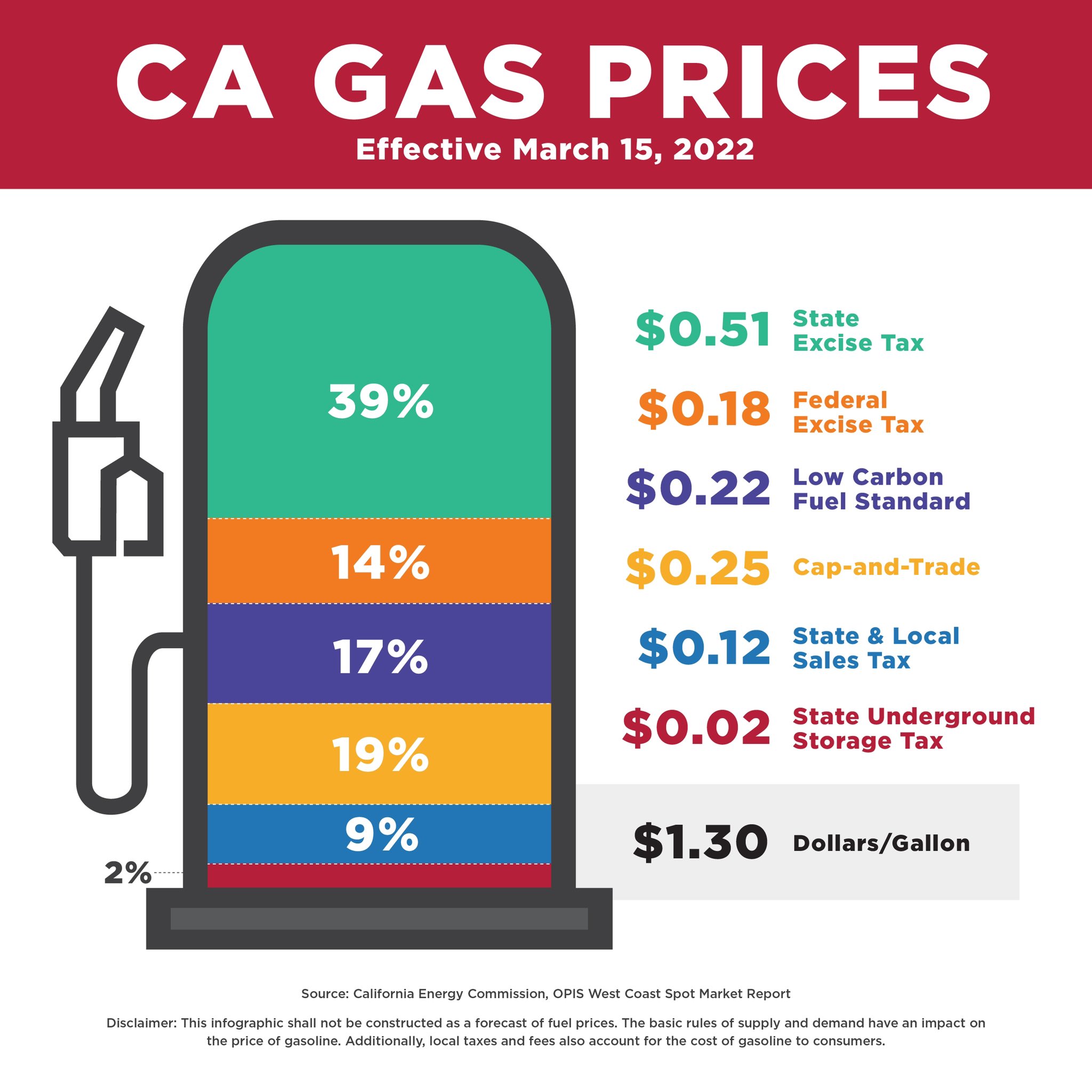
Beyond environmental regulations, California levies some of the highest state fuel taxes in the nation. These taxes, which include excise taxes, sales taxes, and carbon fees, are dedicated to funding transportation infrastructure projects like road repairs, public transit, and various environmental programs. While these investments benefit both residents and visitors by maintaining roads and improving public services, they add a substantial per-gallon cost. Furthermore, a relatively isolated refining market, with limited pipeline access from other regions, means that when local supply is tight, it cannot be easily supplemented, leading to higher prices compared to states with more interconnected supply chains. This combination of unique fuel requirements, high taxation, and a somewhat insular refining capacity firmly establishes California’s premium gas price landscape.
Current Averages and Regional Variations
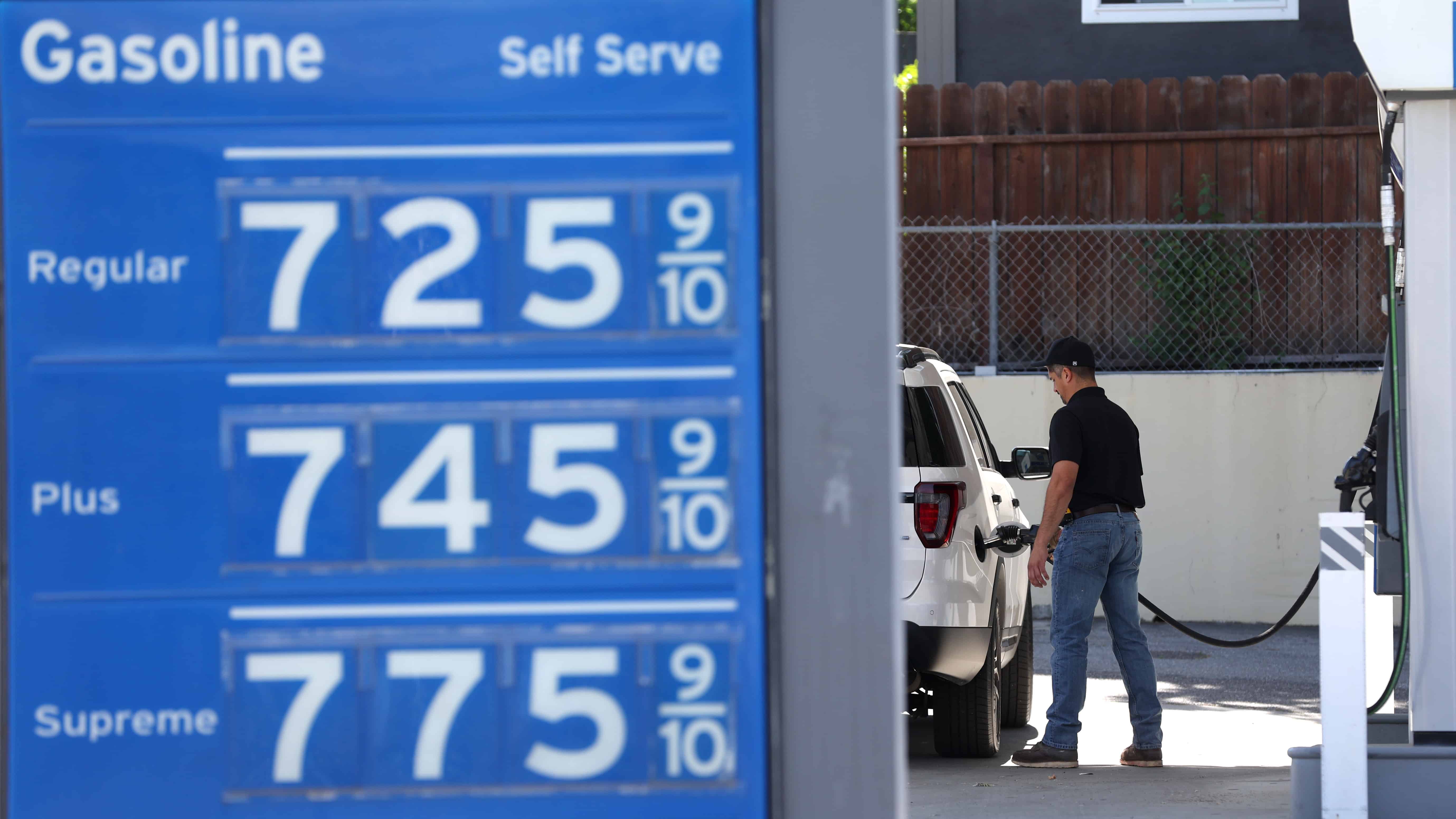
While it’s difficult to provide an exact real-time figure due to constant fluctuations, the price of gas in California typically averages $1.50 to $2.00 higher per gallon than the national average. Travelers can expect to see prices ranging from approximately $4.50 to well over $6.00 per gallon, depending on the current market conditions. These figures are subject to change based on global crude oil prices, refinery operations, and seasonal demand.
Crucially, prices also vary significantly within the state itself. Major metropolitan areas like Los Angeles, San Francisco, and San Diego often feature the highest prices, driven by higher operating costs for stations and increased demand. Conversely, some inland areas or smaller towns might offer slightly lower rates, although still above the national average. Even within a single city, discrepancies can be dramatic, with stations near major freeways, airports, or popular tourist attractions often charging a premium. For example, a gas station on a bustling stretch of Hollywood Boulevard might have significantly higher prices than one just a few miles away in a residential neighborhood. Therefore, checking local prices using navigation apps like GasBuddy or Waze before filling up is a highly recommended strategy for any traveler. Planning your fuel stops, especially on longer journeys through less populated areas or remote destinations like Death Valley National Park, can lead to considerable savings over the course of your trip.
Navigating Travel in California: Gas Prices and Your Budget
For many, the allure of California travel lies in the freedom of the open road, exploring diverse landscapes from the coastline to the mountains. However, high gas prices can cast a shadow over this quintessential California experience, particularly for budget-conscious travelers or those embarking on extended road trips. Understanding this impact and preparing for it is key to a stress-free adventure.
The Impact on Road Trips and Rental Cars
The quintessential California road trip, whether it’s winding along Big Sur on the Pacific Coast Highway, exploring the vineyards of Napa Valley, or driving between theme parks like Disneyland, is undoubtedly affected by fuel costs. What might cost $50 to fill up in another state could easily cost $80-$100 or more in California. Over the course of a week-long journey covering hundreds or even thousands of miles, these costs accumulate rapidly, transforming into a significant portion of your overall travel budget.
Travelers renting vehicles also need to factor in these higher costs. While rental rates themselves vary, the type of vehicle chosen directly influences your fuel expenditure. A large SUV, while comfortable for a family trip to Lake Tahoe or Yosemite National Park, will consume much more fuel than a compact sedan. Always check the fuel efficiency of your rental car before booking. Furthermore, many rental agreements require you to return the car with a full tank, making those final fill-ups before departure a potentially expensive last hurrah. For those planning extended stays or even considering long-term accommodation options, the daily commute costs can quickly add up, turning even seemingly minor distances into substantial expenses. This makes choosing strategically located hotels or resorts near attractions, or opting for those with good public transport links, even more important in California.
Budget-Friendly Strategies for Exploring California
Despite the daunting gas prices, a fulfilling and budget-conscious trip through California is entirely achievable with smart planning. One primary strategy is to optimize your vehicle choice. If renting, opt for the most fuel-efficient model that meets your needs. Smaller sedans, hybrids, or even electric vehicles (EVs) can significantly cut down on your fuel bill. Many rental car companies now offer a good selection of EVs, and California boasts an extensive charging infrastructure.
Strategic planning of your routes and fuel stops is also paramount. Use apps like GasBuddy or AAA to locate the cheapest gas stations along your route, avoiding those predatory prices near major highway exits or tourist hotspots. Membership warehouses like Costco often have significantly lower prices for members, which can be a game-changer on a long trip. Consolidating your excursions to minimize unnecessary driving and practicing fuel-efficient driving habits (e.g., maintaining a steady speed, avoiding rapid acceleration and braking) can also add up to substantial savings. Consider focusing your trip on regions where attractions are closer together, reducing the need for long-distance drives, or selecting hotels that offer complimentary shuttle services to local landmarks. Embracing these strategies allows travelers to stretch their budget further, making more room for unforgettable experiences, dining, and accommodation upgrades.
Exploring California Sustainably: Alternatives and Future Trends
As gas prices remain a persistent concern, California is also at the forefront of promoting sustainable travel solutions. For visitors looking to minimize their carbon footprint while exploring the state, or simply seeking alternatives to constant refueling, a growing number of options are becoming increasingly viable and attractive.
Embracing Public Transportation and Ride-Sharing
While a car is often seen as essential for traversing California’s vast distances, many of its major cities and tourist hubs offer excellent public transportation networks. In San Francisco, for instance, the BART system (Bay Area Rapid Transit), municipal buses, streetcars, and cable cars provide comprehensive coverage, making it easy to explore Fisherman’s Wharf, Alcatraz Island, or Union Square without needing a car. Los Angeles, despite its car-centric reputation, has significantly expanded its Metro Rail and bus network, connecting downtown attractions, Hollywood, and even beach communities. San Diego’s Trolley and bus system efficiently links its Gaslamp Quarter, Balboa Park, and Coronado Island.
For inter-city travel, services like Amtrak offer scenic routes along the coast or through agricultural valleys, providing a relaxed way to travel between Santa Barbara, Los Angeles, and San Diego without the worries of traffic or parking. Ride-sharing services like Uber and Lyft are also widely available across urban areas, offering convenient on-demand transportation for shorter distances or when public transport isn’t feasible. For those planning group tours or specific excursions, many tourism operators offer bus services to popular attractions, removing the need for personal vehicles altogether. Integrating public transport and ride-sharing into your itinerary not only saves on gas but can also provide a unique local experience and reduce travel stress.
The Rise of Electric Vehicles for California Adventures
California leads the nation in electric vehicle (EV) adoption and infrastructure development, making it an ideal destination for EV travel. Rental car companies are increasingly offering EVs from manufacturers like Tesla and other brands, providing an attractive alternative to gasoline-powered cars. While the upfront rental cost for an EV might sometimes be slightly higher, the savings on “fuel” (electricity) can be substantial, especially when taking advantage of complimentary charging stations often found at hotels, resorts, or public facilities.
The state boasts an extensive network of charging stations, including fast chargers along major highways and in popular destinations, alleviating range anxiety. Apps like PlugShare can help EV drivers locate available charging points, plan routes, and even filter by charger type and cost. Many hotels and resorts, particularly those catering to luxury travel or sustainable tourism, now prominently feature EV charging as an amenity, adding significant value for guests. Embracing an EV for your California trip not only helps offset high gas prices but also aligns with the state’s forward-thinking environmental ethos, offering a quieter, smoother ride and a greener travel experience. As technology advances and infrastructure continues to expand, EVs are set to become an even more prominent and practical choice for exploring the diverse wonders of California.
Maximizing Your California Experience Despite High Fuel Costs
Traveling through California shouldn’t be overshadowed by the concern of gas prices. With thoughtful planning and strategic choices, visitors can fully immerse themselves in the state’s unparalleled beauty and vibrant culture, ensuring that every mile driven contributes to an unforgettable journey.
Strategic Planning for Gas Stops
One of the simplest yet most effective ways to manage fuel costs is through meticulous planning of your gas stops. Avoid waiting until your tank is nearly empty, especially when driving through remote areas or between major cities, as this leaves you at the mercy of whatever prices are available. Utilize navigation apps and gas price comparison tools well in advance of your journey, marking potential refueling points on your itinerary. Look for gas stations affiliated with major grocery store chains, as these often offer loyalty discounts. Similarly, while convenient, gas stations directly off major freeways or within busy tourist zones are almost always more expensive. Venturing a mile or two off the main thoroughfare into a local neighborhood can often yield significant savings per gallon. For long-distance travelers, considering the gas prices in neighboring states like Oregon, Nevada, or Arizona before crossing into California can also be a smart move, allowing you to fill up at potentially much lower rates.
Choosing Destinations with Lower Transportation Needs
Another excellent strategy for mitigating high fuel costs is to select destinations or plan itineraries that naturally minimize extensive driving. Instead of a sprawling road trip that covers every corner of the state, consider focusing on a particular region or city that offers a wealth of attractions within a compact area or with robust public transportation. For example, spending a week exploring San Francisco and the surrounding Bay Area (including day trips to Napa Valley or Silicon Valley via organized tours or public transport) can be highly rewarding without racking up excessive mileage. Similarly, focusing on Los Angeles and its diverse neighborhoods, utilizing its growing public transit and ride-sharing options, allows for an immersive experience.
Consider booking accommodations in central locations, like a boutique hotel in downtown San Diego’s Gaslamp Quarter or a resort near Disneyland in Anaheim, where many attractions are within walking distance or a short, inexpensive ride away. For those who love nature, staying in a national park lodging, like within Yosemite National Park, means you can enjoy hiking trails and scenic points right outside your door, minimizing the need for daily long drives. By thoughtfully structuring your itinerary around proximity and alternative transport, you can significantly reduce your fuel expenditure and dedicate more of your budget to unforgettable experiences, local cuisine, and comfortable accommodations.
In conclusion, while the price of gas in California undoubtedly presents a unique challenge for travelers, it’s far from an insurmountable obstacle. By understanding the underlying reasons for these elevated costs, strategically planning routes, embracing fuel-efficient vehicles or public transportation, and making informed choices about destinations and accommodations, visitors can still enjoy the full breadth of what the Golden State has to offer. California’s stunning natural beauty, iconic landmarks, vibrant cities, and diverse lifestyle experiences are too rich to be missed. With a little foresight and smart decision-making, your California adventure can be as exhilarating and budget-friendly as any other, allowing you to focus on creating lasting memories rather than worrying about the fuel gauge.
LifeOutOfTheBox is a participant in the Amazon Services LLC Associates Program, an affiliate advertising program designed to provide a means for sites to earn advertising fees by advertising and linking to Amazon.com. Amazon, the Amazon logo, AmazonSupply, and the AmazonSupply logo are trademarks of Amazon.com, Inc. or its affiliates. As an Amazon Associate we earn affiliate commissions from qualifying purchases.