
California, a land synonymous with sun-drenched beaches, towering redwoods, innovative Silicon Valley tech, and the glittering allure of Hollywood, often conjures images of vibrant culture, breathtaking natural wonders, and a lifestyle defined by progress and possibility. For travelers and those considering a long-term stay, the Golden State offers an unparalleled tapestry of experiences, from the iconic urban landscapes of Los Angeles and San Francisco to the serene vineyards of Napa Valley and the majestic wilderness of Yosemite National Park. Yet, beneath this glamorous facade and alongside its forward-thinking social policies, California grapples with a complex and deeply debated legal issue: the death penalty.
For many visitors and potential residents, understanding the full scope of a destination involves more than just its tourist attractions or accommodation options. It includes grasping the social, political, and ethical fabric that defines its unique character. The question of capital punishment in California is not merely a legal technicality; it’s a reflection of the state’s values, its struggles with justice, and its ongoing evolution. So, does California have a death penalty? The answer, like much of the state itself, is nuanced and multifaceted, involving a blend of historical statutes, executive actions, and persistent public debate.
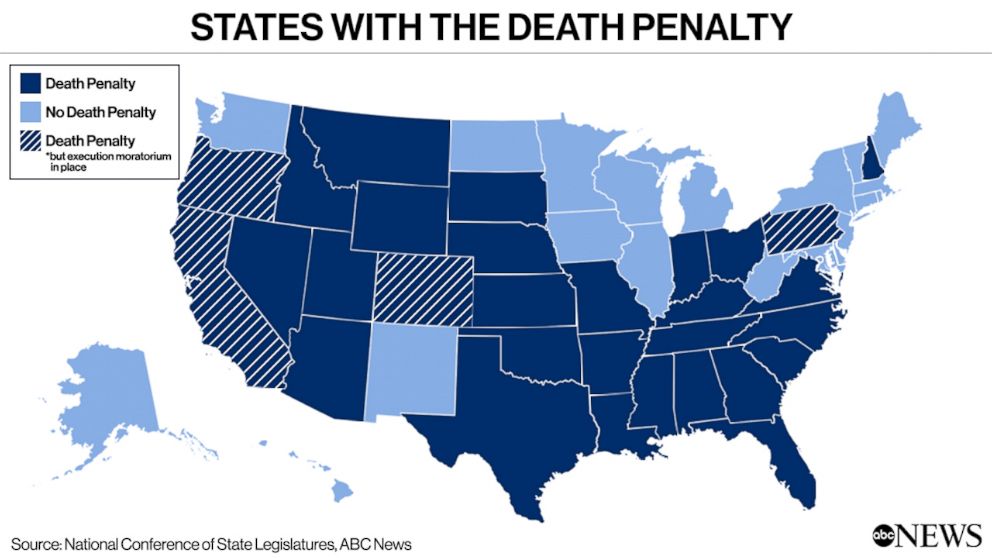
At its core, yes, California does technically have the death penalty on its books. It is one of the states in the United States where capital punishment is a legally sanctioned form of punishment for certain heinous crimes. However, the practical reality is far more intricate than a simple yes or no. For well over a decade, and with increasing finality in recent years, executions have been halted, leading to a state of effective moratorium. This article will delve into the intricacies of California’s stance on capital punishment, exploring its legal history, recent executive actions, and the broader societal context that shapes this deeply divisive issue, providing a richer understanding for anyone interested in the state’s unique lifestyle and governance.

A Legal Labyrinth: Understanding California’s Stance
To truly understand the status of the death penalty in California, one must navigate a complex legal and political landscape marked by decades of legislative changes, voter initiatives, and judicial challenges. It’s a journey through the state’s legal history that reflects its dynamic nature and its ongoing engagement with fundamental questions of justice and morality.
The Statute vs. The Reality: A Decades-Long Paradox
The origins of capital punishment in California stretch back to its early days as a state, with the first executions recorded in the mid-19th century. The current framework for the death penalty was largely established in 1978, when voters approved Proposition 7, expanding the list of special circumstances under which a defendant could be sentenced to death. Since then, California has amassed the largest death row population in the Western Hemisphere, with hundreds of individuals awaiting execution, primarily housed at San Quentin State Prison in Marin County, just north of San Francisco.
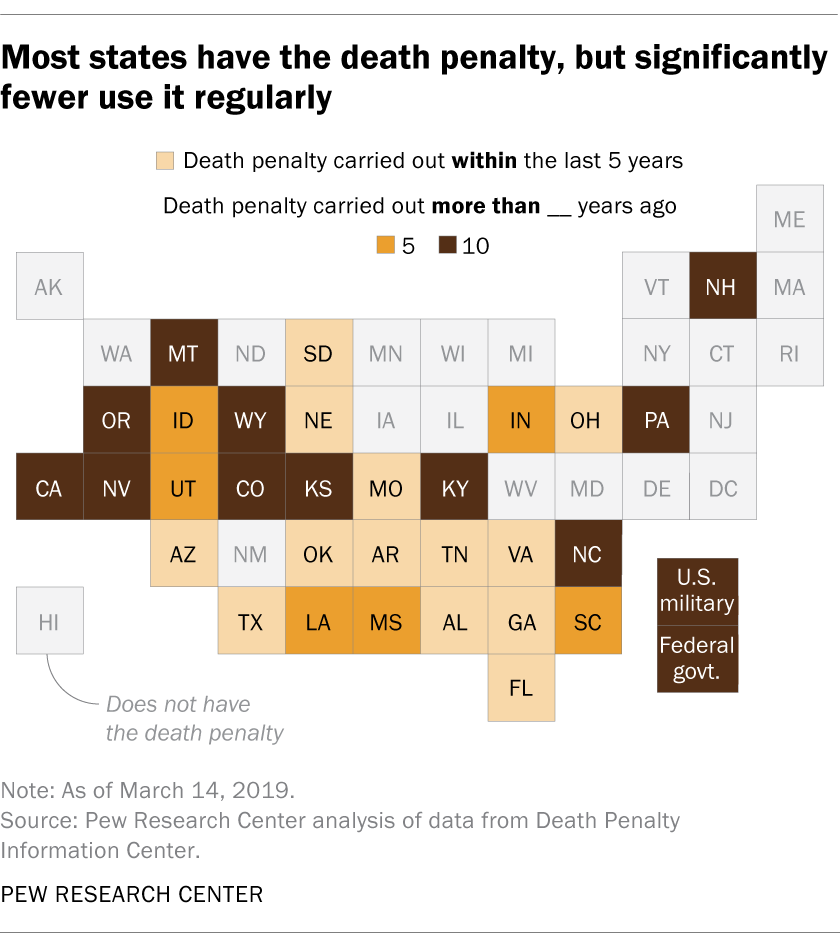
However, the path from sentencing to execution in California has been notoriously lengthy and fraught with legal hurdles. The state has executed only 13 individuals since 1978, with the last execution occurring in 2006. This stark contrast between the sheer number of inmates on death row and the rare instances of actual executions highlights a significant paradox. The legal process is exhaustive, involving automatic appeals to the California Supreme Court and further federal appeals, often taking decades to resolve. Issues ranging from prosecutorial misconduct to ineffective assistance of counsel, and the constitutionality of lethal injection protocols, have repeatedly stalled the process. This lengthy and costly appeals system has not only created immense delays but has also fueled considerable debate about the efficiency, fairness, and morality of capital punishment within the state. For those interested in the historical landmarks of justice, San Quentin stands as a somber monument to this enduring legal saga, though its role is now changing.
Executive Action and the Moratorium: Governor Newsom’s Definitive Stance
The conversation around capital punishment in California took a decisive turn in March 2019 when Governor Gavin Newsom issued an executive order imposing a statewide moratorium on executions. This bold move immediately spared 737 inmates then on death row, effectively halting all future executions for the duration of his governorship. Newsom’s decision was rooted in his deeply held belief that the death penalty is “immoral, unconstitutional, and unjust.” He cited concerns about its disproportionate application to people of color, the risk of executing innocent individuals, and its failure as a deterrent.
The moratorium meant that no death sentences would be carried out in California while Gavin Newsom was in office. Additionally, the order withdrew the state’s lethal injection protocol, ensuring that even if a court were to lift the moratorium, there would be no legal means to conduct an execution. This executive action did not abolish the death penalty in California; it simply put a halt to its implementation. The statutes allowing for capital punishment remain on the books, and courts can still sentence individuals to death. However, practically speaking, the state is not carrying out executions.
Further demonstrating this shift, in January 2022, California began the process of dismantling death row at San Quentin State Prison. Inmates were transferred to other prisons in the state’s general population, a move aimed at repurposing the death row facility and integrating these inmates into a system focused on rehabilitation rather than isolated confinement. This significant administrative change signals a de facto abandonment of the death penalty’s practical application, at least for the foreseeable future, under the current administration. For travelers interested in the evolution of correctional facilities or the social impact of landmark decisions, the transformation of San Quentin’s death row represents a poignant chapter in California’s history.
Voter Propositions and Public Opinion: A Divided Electorate
The issue of capital punishment in California has not only been debated in courtrooms and legislative chambers but also directly at the ballot box, reflecting a deeply divided public opinion. Voters have had several opportunities to weigh in on the fate of the death penalty, showcasing the complexity of the state’s collective conscience.
In 2012, Proposition 34 aimed to repeal the death penalty and replace it with life imprisonment without the possibility of parole. It failed, with 52.8% of voters rejecting the measure. Just four years later, in 2016, two competing propositions appeared on the ballot. Proposition 62, similar to its 2012 predecessor, sought to abolish capital punishment. It also failed, gaining only 46.8% of the vote. In contrast, Proposition 66, which aimed to speed up the appeals process for death penalty cases, narrowly passed with 51% approval. The passage of Prop 66 underscored a public desire, for many, to see justice administered more efficiently, even as the ethical debates continued.
These ballot measures illustrate that while there is significant support for abolition, a substantial portion of California’s electorate continues to support the death penalty, or at least its legal framework. The public’s sentiment is often influenced by horrific crime narratives, the desire for retribution, and the belief in the death penalty as a just punishment. However, concerns about cost, effectiveness, and the potential for error have steadily eroded some of that support over time. This ongoing push and pull between abolitionist and retentionist viewpoints highlights California’s identity as a state grappling with profound moral and legal questions, a characteristic that defines its rich and often contradictory lifestyle.
The Broader Context: Justice, Society, and the Golden State’s Ethos
Beyond the legal definitions and political maneuvers, California’s relationship with the death penalty is deeply intertwined with its broader societal values and its global image. For those exploring the state’s vibrant culture, understanding these underlying currents provides a richer appreciation of its unique character and the conversations that shape its future.
Beyond the Legalities: A Reflection of California’s Values
California has long been perceived as a leader in progressive thought, a state that often pioneers social and environmental policies. Its approach to the death penalty, characterized by an ongoing moratorium despite the existence of the statute, reflects a tension inherent in its progressive identity. On one hand, the state champions human rights, seeks innovative solutions to societal problems, and boasts a highly educated and diverse population often inclined towards reform. The arguments against the death penalty—focusing on its inhumanity, its discriminatory application, and its exorbitant cost compared to life imprisonment—resonate strongly within these segments of the population. The fact that the debate continues to simmer, and that an executive order has effectively halted executions, speaks to a powerful current within California society that prioritizes rehabilitation and ethical governance over retributive justice.
Conversely, the persistent public support for capital punishment, as evidenced by the ballot measures, reveals another facet of California’s values: a strong emphasis on justice for victims and a belief in upholding law and order. This duality is a hallmark of the state’s ethos, where innovative thought often coexists with traditional sentiments. Understanding this complex interplay helps visitors and new residents grasp the nuanced ‘lifestyle’ of California — a place where grand ideals meet practical realities, and where robust public discourse is a constant feature. Whether one is enjoying the cultural richness of San Diego or the natural beauty of Santa Cruz, the underlying societal currents of justice and ethics contribute to the overall experience of the state.
Impact on the State’s Narrative and Global Perception
The death penalty debate in California significantly influences the state’s narrative both domestically and internationally. For many outside the United States, where capital punishment has been abolished in most developed nations, the existence of the death penalty, even with a moratorium, can be a point of curiosity or even concern. California’s status as an economic powerhouse, a cultural trendsetter, and a destination for global tourism means its legal and ethical stances are often scrutinized.
The moratorium, initiated by Governor Gavin Newsom, arguably burnishes California’s image as a progressive leader, aligning it more closely with international human rights standards. It signals a willingness to engage with complex moral questions and to prioritize human dignity. For many international travelers, or those considering California for business or long-term stays, this move can be seen as an affirmation of the state’s commitment to modern, enlightened governance. It contributes to a perception of California as a forward-thinking place, where social conscience is a significant factor in public policy.
Conversely, the continued legal existence of the death penalty, despite the moratorium, might still raise questions for some. It highlights the intricate and sometimes contradictory nature of governance even in a state as progressive as California. However, the general trend and the current practical reality point towards a state that is actively moving away from the implementation of capital punishment, influencing its reputation as a dynamic and evolving society on the global stage. This aspect of its legal and social landscape becomes part of the broader story that California tells the world, affecting its appeal not just as a destination for leisure travel, but also as a hub for innovation and ethical leadership.
Exploring California: Understanding its Depths
When planning a trip or considering relocation to California, most people focus on its renowned attractions, vibrant cities, and luxurious hotels. Yet, delving deeper into the state’s social and political landscape, including complex issues like the death penalty, can significantly enrich the travel experience, transforming it from a mere sightseeing tour into a more profound engagement with the soul of the Golden State.
From Iconic Landmarks to Societal Debates
California is undeniably home to some of the world’s most recognizable landmarks. Millions flock to witness the architectural marvel of the Golden Gate Bridge, experience the magic of Disneyland in Anaheim, or hike through the stunning valleys of Death Valley National Park. These places offer glimpses into the state’s ingenuity, natural beauty, and cultural influence. However, to truly understand California’s unique lifestyle and multifaceted tourism appeal, it is important to also acknowledge the complex discussions that take place within its borders.
The ongoing debate surrounding the death penalty, for instance, isn’t just a legal matter; it’s a reflection of the profound ethical and social questions that Californians, as a society, continually grapple with. These discussions form part of the cultural tapestry that makes California so dynamic. Engaging with the state’s intellectual vibrancy and its willingness to confront difficult issues adds layers to the experience, moving beyond superficial attractions to a deeper appreciation of the destination. For the discerning traveler or the curious individual seeking a more meaningful connection with a place, understanding the public discourse, the policy shifts, and the underlying values becomes as significant as visiting a famous museum or staying in a luxury resort in Beverly Hills. It is this depth that often differentiates a truly memorable travel experience from a standard vacation.
Engaging with California’s Diverse Perspectives
California’s population is incredibly diverse, comprising individuals from virtually every corner of the globe and representing a vast spectrum of political, social, and cultural viewpoints. This diversity fuels rich public dialogue on nearly every imaginable topic, from environmental policy and technological innovation to social justice and, of course, the death penalty.
For those interested in local culture and immersive experiences, understanding these diverse perspectives is key. Whether you’re exploring the historic streets of Sacramento, enjoying the coastal charm of Monterey, or experiencing the vibrant arts scene of Oakland, you are surrounded by communities actively shaping the state’s future. The public’s engagement with issues like capital punishment highlights a lifestyle that values debate, critical thinking, and a commitment to societal improvement, even when consensus is elusive.
This aspect of California can be subtly appreciated through its media, its public spaces, and its academic institutions. It adds a layer of intellectual stimulation to the typical travel itinerary. Engaging with the state’s full range of opinions, rather than just its celebrated tourist spots, offers a more complete and authentic picture of California. It’s an invitation to go beyond the postcard images and truly understand the complexities of a state that is constantly evolving, perpetually debating, and consistently at the forefront of social change. For travelers seeking more than just relaxation, the opportunity to witness and understand these societal undercurrents makes California an even more compelling destination.
In conclusion, the question “Does California have a death penalty?” yields an answer that is legally affirmative but practically negative. While the statutes authorizing capital punishment remain on the books, a gubernatorial moratorium has effectively halted all executions, and the state has begun to dismantle its traditional death row facilities. This nuanced reality reflects California’s ongoing journey to reconcile its complex legal history with its evolving social conscience. For visitors and residents alike, understanding this aspect of the Golden State provides a deeper appreciation of its multifaceted character, revealing a place that is as much defined by its intellectual and ethical debates as it is by its stunning scenery, world-class amenities, and vibrant lifestyle. California truly is a destination where life out of the box means exploring not just its physical beauty, but also the depths of its societal soul.
LifeOutOfTheBox is a participant in the Amazon Services LLC Associates Program, an affiliate advertising program designed to provide a means for sites to earn advertising fees by advertising and linking to Amazon.com. Amazon, the Amazon logo, AmazonSupply, and the AmazonSupply logo are trademarks of Amazon.com, Inc. or its affiliates. As an Amazon Associate we earn affiliate commissions from qualifying purchases.