
The question “What time is it in California USA right now?” often serves as more than just a simple inquiry; it’s frequently the precursor to a myriad of travel plans, business arrangements, or even just a virtual connection with friends and family across the globe. For anyone planning a trip, booking accommodation, or simply needing to coordinate an event, understanding the local time in California is a fundamental first step. This vibrant state, renowned for its diverse landscapes, iconic landmarks, and dynamic lifestyle, operates on a specific time zone that impacts everything from flight schedules to dinner reservations.
At its core, California observes the Pacific Time Zone. This means that for a significant portion of the year, it is on Pacific Standard Time (PST), which is UTC-8. During the warmer months, typically from early March to early November, the state switches to Pacific Daylight Time (PDT), moving the clocks forward by one hour to UTC-7. This shift is crucial for travelers, businesses, and anyone engaging with California, as it directly influences everything from hotel check-in times to the scheduling of virtual meetings. Knowing whether it’s PST or PDT can make all the difference in planning a smooth and enjoyable experience, whether you’re embarking on a luxurious Los Angeles getaway, exploring the natural wonders of Yosemite National Park, or conducting business with a Silicon Valley tech firm. This article will delve into the intricacies of California’s time zone, its profound impact on travel and tourism, and how being time-aware can enhance every aspect of your California adventure.
Understanding California’s Time Zone: PST vs. PDT
The concept of time zones, while seemingly straightforward, plays a pivotal role in global connectivity and travel. For California, being situated on the West Coast of the United States, its timekeeping is distinct and follows a specific rhythm that shifts with the seasons.
Pacific Standard Time (PST) and Pacific Daylight Time (PDT)
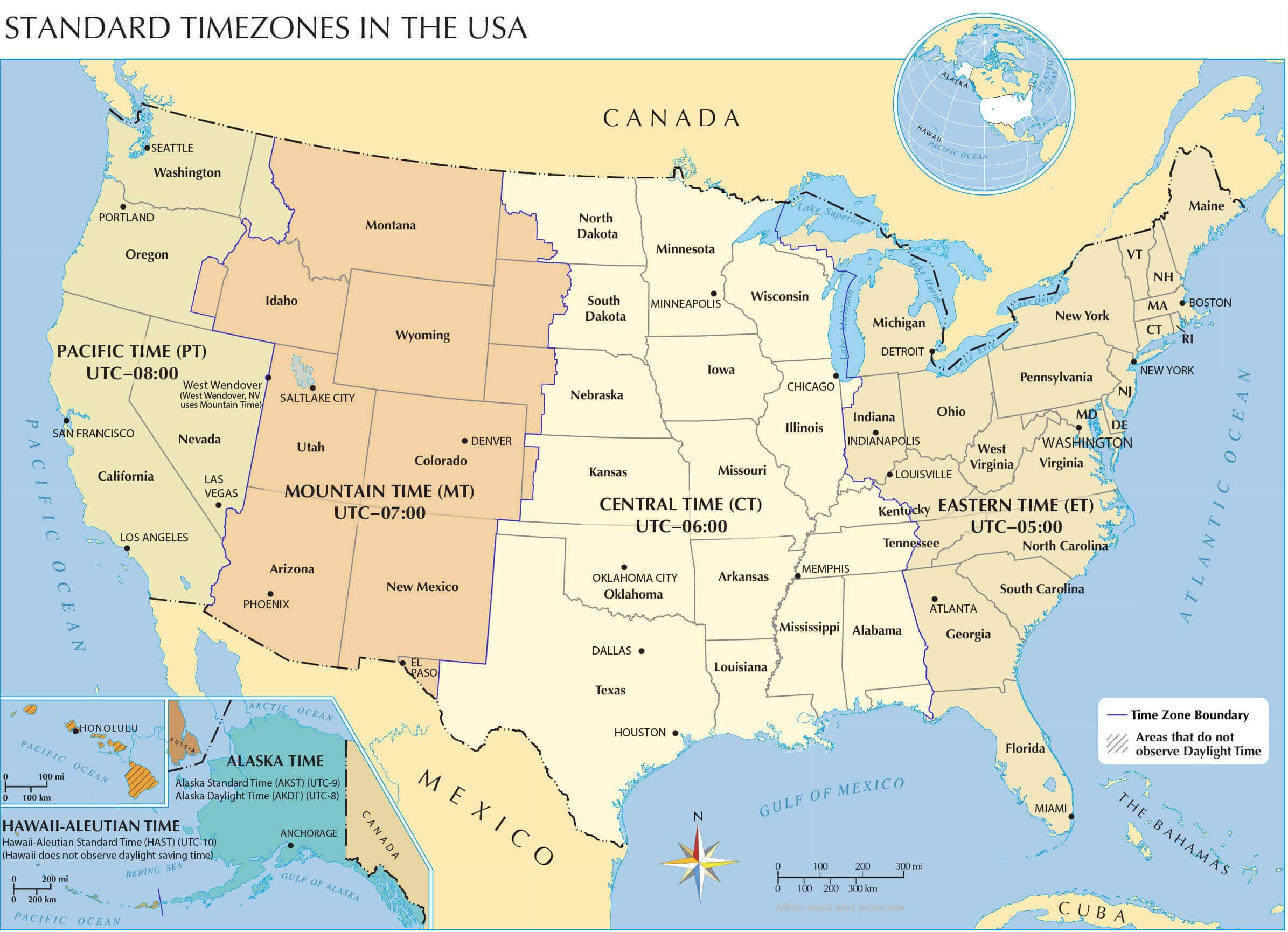
California operates primarily under the umbrella of the Pacific Time Zone. For roughly five months of the year, the state adheres to Pacific Standard Time (PST), which is 8 hours behind Coordinated Universal Time (UTC-8). This period typically spans from the first Sunday in November to the second Sunday in March. During these months, mornings are lighter later, and evenings grow darker earlier, aligning with the winter season.
However, come the second Sunday in March, California, like most of the USA, springs forward into Pacific Daylight Time (PDT). The clocks are advanced by one hour, making it UTC-7. This change is part of Daylight Saving Time, a practice designed to make better use of daylight, providing more light in the evenings during the warmer months. This period of PDT lasts until the first Sunday in November, when clocks fall back to PST. This annual shift, while sometimes disorienting for residents, is an essential factor for visitors and businesses alike. Failing to account for this change can lead to missed flights, late check-ins, or confusion regarding scheduled activities. For instance, a flight departing San Francisco International Airport at 9:00 AM during PST would feel different for a traveler accustomed to PDT, impacting their morning routine and arrival at the airport.
Why Time Matters for Travelers
For anyone embarking on a journey to California, understanding the local time and its nuances is paramount. It’s not just about knowing when to set your watch; it impacts virtually every aspect of your travel experience, from initial planning to daily activities.
- Flight and Transportation Schedules: All flight arrival and departure times for California airports like LAX (Los Angeles International Airport) or SFO (San Francisco International Airport) are quoted in local time. This is critical for travelers arriving from different time zones, as jet lag management often begins even before departure. Knowing the time difference allows for better planning of layovers, connections, and ground transportation, ensuring you arrive at your accommodation without unnecessary stress.
- Hotel and Accommodation Bookings: Whether you’re booking a luxurious suite in Beverly Hills, a family-friendly resort in Anaheim, or a cozy apartment in San Diego, check-in and check-out times are strictly adhered to local California time. Arriving too early or too late without prior arrangement can lead to delays or additional fees. Furthermore, many hotels offer amenities like breakfast, spa services, or shuttle buses with fixed operating hours, all based on local time. Coordinating these with your internal clock, especially if you’re battling jet lag, is essential for a smooth stay.
- Tourism and Activity Planning: California’s attractions, from theme parks like Disneyland and Universal Studios Hollywood to museums, national parks, and guided tours, all operate on specific schedules. Missing a timed entry slot for Alcatraz Island or arriving after the last tour departs at Hearst Castle can be a significant disappointment. Many popular restaurants, especially in culinary hotspots like San Francisco or Napa Valley, require reservations, and punctuality is key. Understanding the local time facilitates seamless planning and maximizes your enjoyment of California’s rich tourism offerings.
- Communication with Home: For international travelers, or even domestic travelers from the East Coast, being aware of the time difference is vital for maintaining contact with family, friends, or colleagues. A quick call home at what feels like a reasonable hour to you might be in the middle of the night for them.
In essence, the local time in California is the invisible conductor orchestrating your entire travel symphony. A little foresight in understanding PST and PDT can save you from missed opportunities and enhance the overall quality of your travel experience.
Navigating California’s Diverse Attractions by Time
California’s appeal lies in its incredible diversity, offering everything from sun-drenched beaches to snow-capped mountains, bustling cityscapes to tranquil vineyards. The time of day significantly shapes how one experiences these varied attractions, influencing crowd levels, lighting for photography, and the general ambiance.
Morning Adventures and West Coast Wonders
Mornings in California offer a fresh perspective, often characterized by crisp air, fewer crowds, and stunning light, making it an ideal time for active exploration and iconic sightseeing.
- In Los Angeles, an early start can mean a less crowded hike to the Hollywood Sign or a serene walk along the beaches of Santa Monica or Venice before the midday bustle. Early bird tours of film studios like Warner Bros. Studio Tour Hollywood are often less crowded, allowing for a more intimate experience.
- San Francisco at dawn presents the Golden Gate Bridge enveloped in its iconic fog, a photographer’s dream. A morning visit to Alcatraz Island ensures you beat the heaviest crowds, allowing for a more reflective experience of this historic landmark. Exploring Fisherman’s Wharf or taking a cable car ride early in the day provides a quintessential San Francisco experience without the peak hour rush.
- In San Diego, mornings are perfect for exploring Balboa Park’s museums and gardens, or a leisurely stroll along the Coronado Beach. Whale watching tours often depart in the morning, capitalizing on calmer waters and active marine life.
- For nature enthusiasts, venturing into Yosemite National Park early in the day allows for hiking popular trails to Half Dome or El Capitan before the heat of the day sets in and parking becomes a challenge. The soft morning light illuminates the granite cliffs and waterfalls in a truly magical way, creating unforgettable experiences for those seeking adventure and natural beauty.
Afternoon Exploration and Leisure
As the day progresses, California transitions into a vibrant hub of activity, perfect for deeper exploration, culinary delights, and recreational pursuits.
- The rolling vineyards of Napa Valley and Sonoma County truly come alive in the afternoon, with numerous wineries offering tours and tastings. This is an ideal time to savor local wines, learn about the winemaking process, and enjoy the picturesque scenery.
- Along the Central Coast, Santa Barbara invites visitors to explore its Spanish colonial architecture, particularly the historic Old Mission Santa Barbara, and wander along State Street for shopping and dining. A scenic drive along the coast in the afternoon offers breathtaking ocean views.
- Theme parks like Disneyland in Anaheim or Universal Studios Hollywood in Los Angeles are buzzing with energy by afternoon. While morning strategy is often advised, the afternoon brings parades, shows, and character greetings, making it a lively time for families and thrill-seekers. It’s a prime example of California’s vibrant tourism sector in full swing.
Evening Experiences and Nightlife
As the sun dips below the horizon, California transforms, offering a spectrum of evening entertainment, fine dining, and cultural experiences.
- In Los Angeles, the evenings are synonymous with glamour. Fine dining in Beverly Hills or West Hollywood can be followed by a show at the Pantages Theatre in Hollywood or a visit to a comedy club. The city’s nightlife is legendary, with lounges and clubs open late, embodying a certain luxurious lifestyle.
- San Francisco offers sophisticated evening options, from world-class opera and symphony performances to innovative culinary experiences in neighborhoods like Mission District or Hayes Valley. A night-time bay cruise offers dazzling views of the city lights and the Golden Gate Bridge.
- For a different pace, the desert city of Palm Springs provides clear skies perfect for stargazing, or a relaxed evening enjoying its mid-century modern architecture illuminated against the dark desert sky. Many resorts offer evening events, live music, and exceptional dining under the stars.
- Even in national parks like Joshua Tree National Park, evenings are magical, with spectacular sunsets giving way to dark skies perfect for astronomy. This contrast highlights the diverse experiences California offers, demonstrating how the time of day can profoundly alter one’s interaction with a destination.
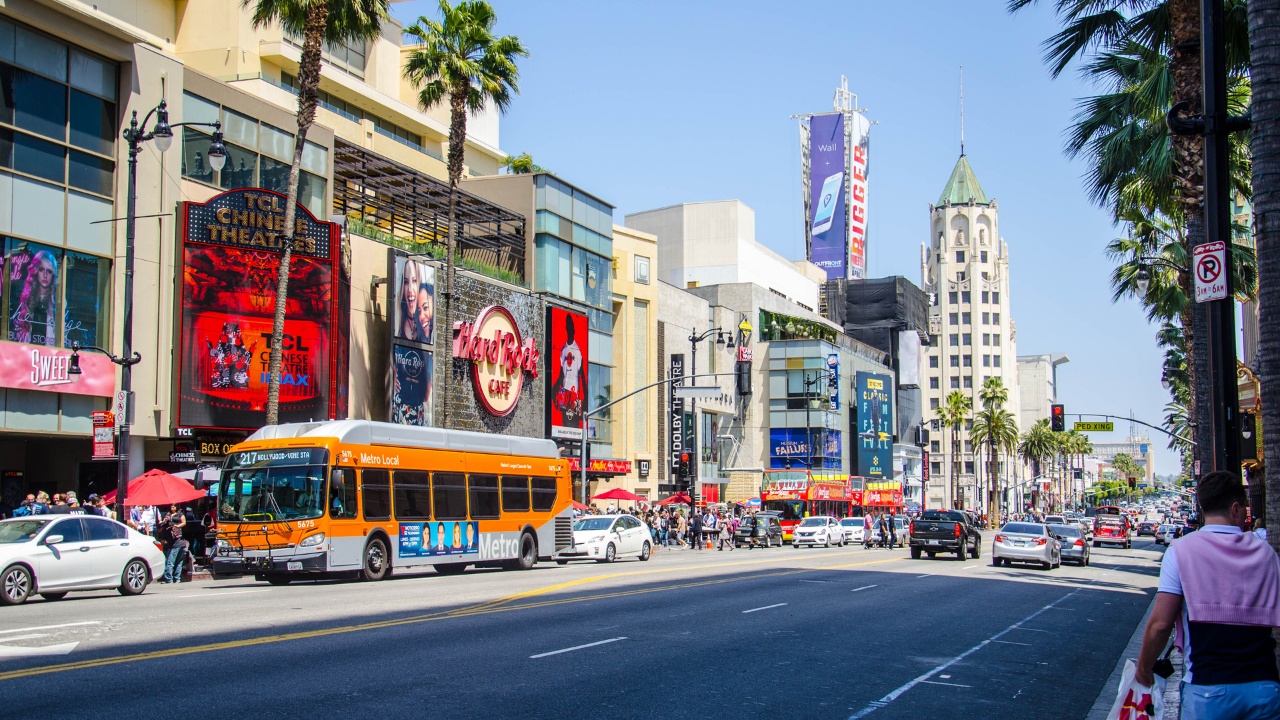
Whether you’re an early riser keen on capturing the sunrise over the Pacific or a night owl seeking the vibrant pulse of a city, understanding how California’s attractions operate within its time zone is crucial for crafting an itinerary that aligns with your preferences and maximizes your travel investment.
Planning Your California Stay: Time Zones and Accommodation
Effective planning is the cornerstone of any successful trip, and when it comes to California, understanding the nuances of its time zone in relation to your accommodation and overall itinerary is critical. This foresight ensures a smoother, more enjoyable, and stress-free experience.
Booking Hotels and Resorts
When you book a stay in California, whether it’s a bustling city hotel, a tranquil resort, or a charming boutique apartment, all quoted times for check-in, check-out, and amenity usage are strictly based on PST or PDT. This is a fundamental aspect of the “Hotels” and “Accommodation” topics on our website.
- Check-in and Check-out: Most hotels enforce a standard check-in time around 3:00 PM or 4:00 PM local time, and check-out by 11:00 AM or 12:00 PM. If you’re arriving from a distant time zone, particularly from the East Coast or internationally, your internal clock might be several hours ahead or behind. Planning for early check-in (if available) or late check-out, or making arrangements for luggage storage, can significantly alleviate stress. It’s always best to communicate your expected arrival time with the accommodation provider.
- Accessing Amenities: From the timings of complimentary breakfast buffets and happy hour specials to the operating hours of fitness centers, swimming pools, and spa services, everything is scheduled according to local California time. If you’re staying at a resort in Palm Springs or a luxury hotel in Santa Monica with specific spa appointments or dining reservations, you’ll need to be acutely aware of the time difference to avoid missing out. For example, a “7 AM breakfast” can feel very different if your body clock is still on East Coast time.
- Long-Term Stays and Villas: For those opting for longer stays in apartments or villas, understanding the time zone for utility services, local deliveries, or community events is equally important. Renting a villa in Laguna Beach for an extended period requires an awareness of local routines and operating hours, integrating seamlessly into the local lifestyle.
Managing Jet Lag and Optimizing Your Trip
Jet lag can significantly impact your initial days in California, especially if you’re traveling across multiple time zones. However, with a strategic approach to time, you can minimize its effects and maximize your enjoyment, aligning with the “Lifestyle” aspect of travel.
- Pre-Trip Adjustment: Begin adjusting your sleep schedule a few days before your departure. If you’re flying west to California, try to shift your bedtime later by an hour or two each night.
- On Arrival: As soon as you land, try to reset your watch and immerse yourself in the local time. Exposure to natural daylight, even if it feels late for your body, helps regulate your circadian rhythm. If arriving in the morning, resist the urge to nap for too long; instead, try to stay awake until the local evening.
- Strategic Scheduling: Plan less strenuous activities for your first day or two. Instead of immediately embarking on a demanding hike in Big Sur or an early morning theme park visit, opt for gentle strolls, beach visits, or casual dining experiences that allow your body to gradually adjust. This allows you to truly experience the local culture and attractions without feeling drained.
- Hydration and Light Meals: Stay well-hydrated and opt for lighter meals, especially in the evenings, to aid your body’s adjustment. Heavy meals can make jet lag worse.
Business and Remote Work Considerations
California is a global hub for business and innovation. For those on business trips or engaged in remote work, accurate time management is not just convenient; it’s essential for professional success. This touches upon the “Lifestyle” category, specifically “Business Stays.”
- Meeting Schedules: Coordinating virtual meetings with colleagues or clients in different time zones requires meticulous attention to detail. A 9:00 AM meeting in San Francisco (PST/PDT) could be a late afternoon call for someone on the East Coast or even early morning the next day for international partners. Using online time zone converters and clearly stating the time zone in meeting invitations is crucial.
- Deadlines and Deliverables: Project deadlines or submission times must always be cross-referenced with the local California time. Misinterpreting a deadline by even an hour can have significant professional repercussions.
- Work-Life Balance: For remote workers temporarily residing in California, understanding the work hours of their primary team is vital for maintaining a healthy work-life balance. It allows them to schedule their exploration and leisure activities around their professional commitments, truly embracing the “Lifestyle” aspects of their stay.
By being mindful of California’s time zone and planning accordingly, travelers can ensure their accommodation bookings are seamless, their jet lag is minimized, and their business obligations are met, leading to a much more fulfilling and productive stay.
The Timeless Appeal of California
Beyond the immediate practicalities of time zones, California possesses a timeless appeal that transcends the hours on a clock. Its iconic landmarks, rich history, and dynamic lifestyle create an enduring allure that draws millions of visitors annually. The “Landmarks,” “Tourism,” and “Lifestyle” categories of our website resonate deeply with this aspect of the Golden State.
Iconic Landmarks and Historical Significance
California is home to some of the world’s most recognizable landmarks, each telling a story that spans generations. These sites hold a significance that is independent of the hour, yet can be profoundly enhanced by the time of day.
- The Golden Gate Bridge in San Francisco stands as a testament to human ingenuity and engineering. While magnificent at any hour, witnessing a sunrise or sunset over its iconic span, or seeing it emerge from the morning fog, adds a layer of magic that time itself helps to paint.
- Hollywood, with its Walk of Fame and the Griffith Observatory, is a symbol of dreams and stardom. The observatory offers breathtaking panoramic views of Los Angeles, particularly stunning at twilight when the city lights begin to twinkle against a fading sky. These moments connect visitors not just to a physical place but to a cultural phenomenon.
- The ancient giant sequoias of Sequoia National Park have stood for thousands of years, their sheer presence dwarfing human concepts of time. Walking among these giants, regardless of the clock, offers a humbling and inspiring experience, connecting visitors to the Earth’s enduring natural history.
- Historical sites like the California Missions, stretching from San Diego to Sonoma, offer glimpses into the state’s Spanish colonial past. Exploring these architectural and historical treasures allows visitors to step back in time, appreciating the foundations upon which modern California was built. These landmarks are more than just tourist attractions; they are portals to understanding California’s deep historical roots.
Lifestyle and the California Dream
The “California Dream” is not just a slogan; it’s a lifestyle, deeply intertwined with the state’s laid-back yet ambitious spirit, its diverse culture, and its appreciation for natural beauty. Time, in California, often feels expansive, allowing for a rich tapestry of experiences within a single day.
- Diverse Activities: From surfing at dawn in Malibu, to an afternoon of wine tasting in Napa Valley, followed by an evening performance in San Francisco, the state caters to an incredible array of interests. This flexible lifestyle is a significant part of California’s tourism appeal.
- Cultural Events and Festivals: California is a hotbed of cultural events, music festivals like Coachella, film premieres, and local farmers’ markets. These events, occurring at specific times, contribute to the vibrant lifestyle and offer unique opportunities for visitors to engage with local communities and experience the rich tapestry of California life.
- Wellness and Outdoor Living: The emphasis on outdoor living and wellness is a hallmark of the California lifestyle. People often rise early for yoga on the beach, spend their afternoons hiking or cycling, and unwind with sunset walks. This integration of health, nature, and daily life defines a particular “Luxury Travel” or “Family Trips” experience, where the freedom to engage with the environment is paramount.
The seemingly simple question, “What time is it in California USA right now?” opens the door to a deeper appreciation of this remarkable state. It’s an invitation to consider not just the hour, but how that hour shapes the myriad experiences available – from the practicalities of travel and accommodation to the timeless exploration of its majestic landmarks and the embrace of its unique lifestyle. Whether you’re planning a trip for business, leisure, or a blend of both, being time-aware is your first step toward unlocking the full potential of your California adventure.
In conclusion, knowing the current time in California is more than just a fleeting piece of information; it’s a critical detail that underpins almost every aspect of planning and experiencing the Golden State. From coordinating flights and hotel check-ins to scheduling immersive tours of iconic landmarks and enjoying the vibrant local lifestyle, understanding PST and PDT ensures a seamless and enriching journey. As you prepare to explore the diverse attractions, luxurious resorts, and captivating culture that California has to offer, remember that being time-savvy is your ultimate tool for maximizing every precious moment. Plan wisely, adjust gracefully, and prepare to immerse yourself in the unparalleled magic that awaits you on the West Coast.
LifeOutOfTheBox is a participant in the Amazon Services LLC Associates Program, an affiliate advertising program designed to provide a means for sites to earn advertising fees by advertising and linking to Amazon.com. Amazon, the Amazon logo, AmazonSupply, and the AmazonSupply logo are trademarks of Amazon.com, Inc. or its affiliates. As an Amazon Associate we earn affiliate commissions from qualifying purchases.