
The Golden State, known today for its vibrant cities, breathtaking national parks, innovative industries, and diverse cultural landscape, officially joined the Union on September 9, 1850. This pivotal date marked a dramatic transformation for a territory that had been a mosaic of Indigenous lands, Spanish missions, and Mexican ranches, rapidly propelled into statehood by the intoxicating promise of gold. California’s journey to becoming the 31st state is a compelling saga of exploration, conflict, migration, and the relentless pursuit of opportunity, a narrative that continues to shape its identity as a global travel destination and a beacon of lifestyle trends.
The Dawn of a Golden Dream: Pre-Statehood California
Before its formal admission into the United States, California was a land of vast potential, its diverse landscapes ranging from arid deserts and towering mountains to fertile valleys and an extensive coastline. Its history prior to 1850 is a rich tapestry woven with indigenous cultures, European colonial ambitions, and a burgeoning sense of unique identity that set the stage for its eventual rise.
From Spanish Missions to Mexican Republic
The European chapter of California’s history began in 1542 with the arrival of Juan Rodríguez Cabrillo, a Portuguese explorer sailing under the Spanish flag. However, sustained Spanish colonization didn’t begin until the late 18th century. Driven by fears of Russian encroachment from the north and a desire to convert indigenous populations, Spain established a chain of missions, presidios (forts), and pueblos (towns) along the coast. These early settlements, such as Mission San Diego de Alcalá (founded in 1769) and Mission San Carlos Borromeo de Carmelo near Monterey, served as centers for religious conversion, agricultural development, and military control. Today, many of these California Missions are preserved as historic landmarks, offering fascinating glimpses into early California life and attracting tourism for their architectural beauty and historical significance. Travelers can explore these sites, often finding excellent accommodation options in nearby cities like San Diego, Santa Barbara, and Carmel-by-the-Sea, blending historical exploration with modern comforts.
Following Mexico’s independence from Spain in 1821, California became the remote province of Alta California. The Mexican government secularized the missions, distributing their vast lands to prominent families, who established sprawling ranchos. This era saw the rise of the Californios, a distinct cultural group proud of their heritage and largely independent-minded, who shaped the early social and economic fabric of the region. Many current California cities, including Los Angeles and San Francisco, have their roots in this Spanish and Mexican colonial period, and their historic districts still reflect this foundational influence, making them popular travel destinations.
The Spark of Gold: A Rush to Destiny
The trajectory of California dramatically shifted on January 24, 1848, when James W. Marshall discovered gold at Sutter’s Mill near Coloma. This discovery ignited the California Gold Rush, an event of unparalleled demographic and economic impact. News spread like wildfire, attracting hundreds of thousands of fortune-seekers from across the United States and the world – the “Forty-Niners.” The population of California exploded, transforming sleepy settlements into bustling boomtowns almost overnight.
This sudden influx of people created immense challenges and opportunities. There was an urgent need for law and order, infrastructure, and a stable government in a territory largely unequipped to handle such rapid growth. The Gold Rush spurred the construction of roads, docks, and rudimentary accommodation for miners and merchants. Early hotels, often simple inns, sprang up in places like San Francisco and along the Gold Country routes. Today, visitors can still explore historic Gold Rush towns like Nevada City and Sonora, where beautifully preserved buildings house charming boutique hotels and unique attractions, offering a glimpse into this exhilarating period of California’s lifestyle. The sheer momentum generated by the Gold Rush became an irresistible force pushing California towards statehood.
Forging a New State: The Path to Union
The discovery of gold occurred just as the Mexican-American War concluded, further complicating California’s status. The territory, rich in resources and now teeming with a diverse population, became a focal point in national politics, especially regarding the contentious issue of slavery.
The Bear Flag Republic and the Mexican-American War
Even before the official end of the Mexican-American War, American settlers in Alta California, supported by military figures like John C. Frémont, staged the Bear Flag Revolt in June 1846. They declared the short-lived Bear Flag Republic, raising a flag featuring a grizzly bear and a star, a design that influenced the modern California state flag. Shortly thereafter, the United States Navy, under Commodore John D. Sloat, seized Monterey and formally claimed California for the United States. The ensuing military campaign, involving forces led by General Stephen W. Kearny, solidified American control.
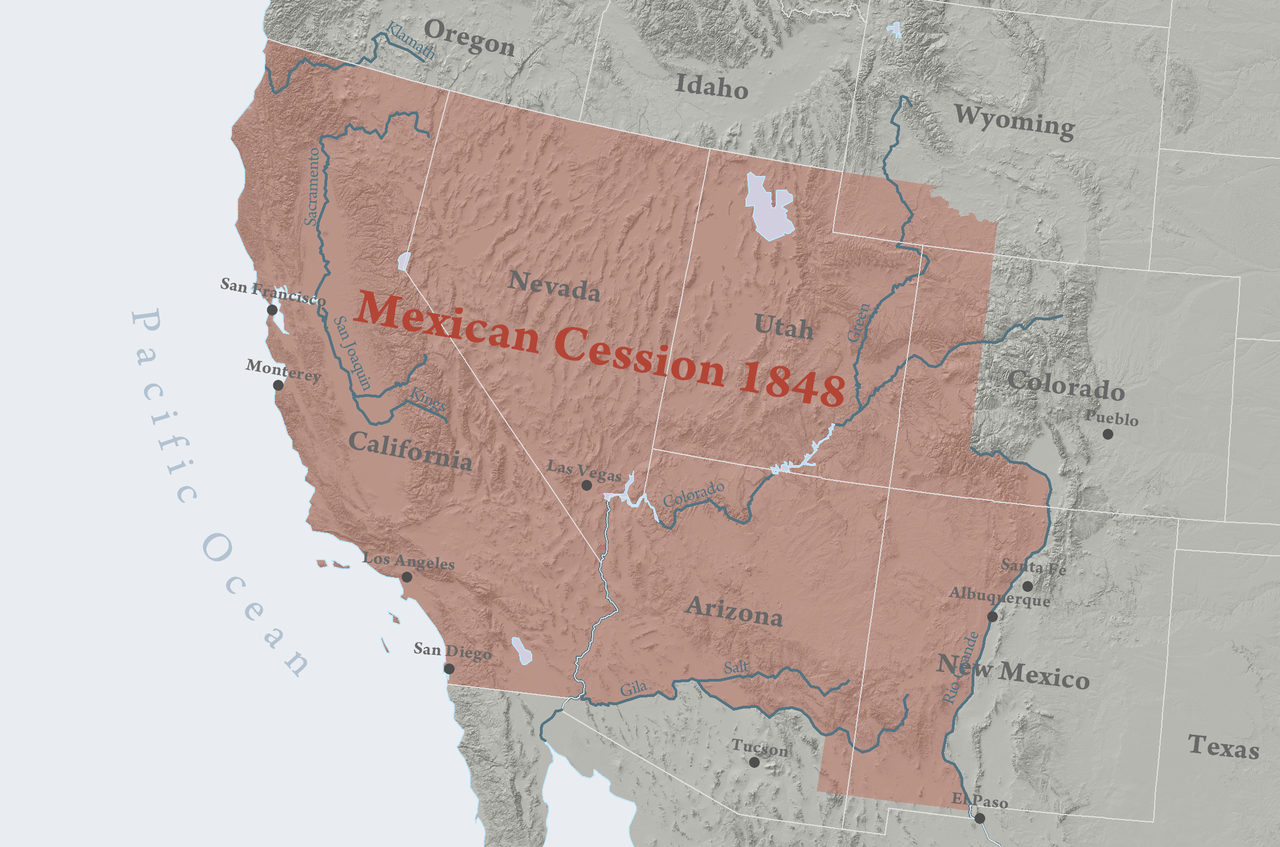
The Mexican-American War officially ended with the signing of the Treaty of Guadalupe Hidalgo in February 1848, transferring vast territories, including California, to the United States. This transfer occurred just nine days after gold was discovered at Sutter’s Mill, making the acquisition unexpectedly valuable and strategic. The period immediately following the war and the Gold Rush was one of military rule and uncertain governance, highlighting the urgent need for a civil government. This chaotic but transformative era provides a fascinating backdrop for history buffs traveling through California, with many museums and historical parks detailing the struggles and triumphs of this transition.
A Constitution in Monterey: Laying the Foundations
With the rapid population surge and the absence of effective civil law, many Californians began to advocate for statehood. In response to the growing demand, a constitutional convention was convened in Monterey in September 1849. Delegates, many of whom were newcomers, gathered to draft a state constitution. Remarkably, the process was completed in just six weeks, reflecting the urgency of the situation.
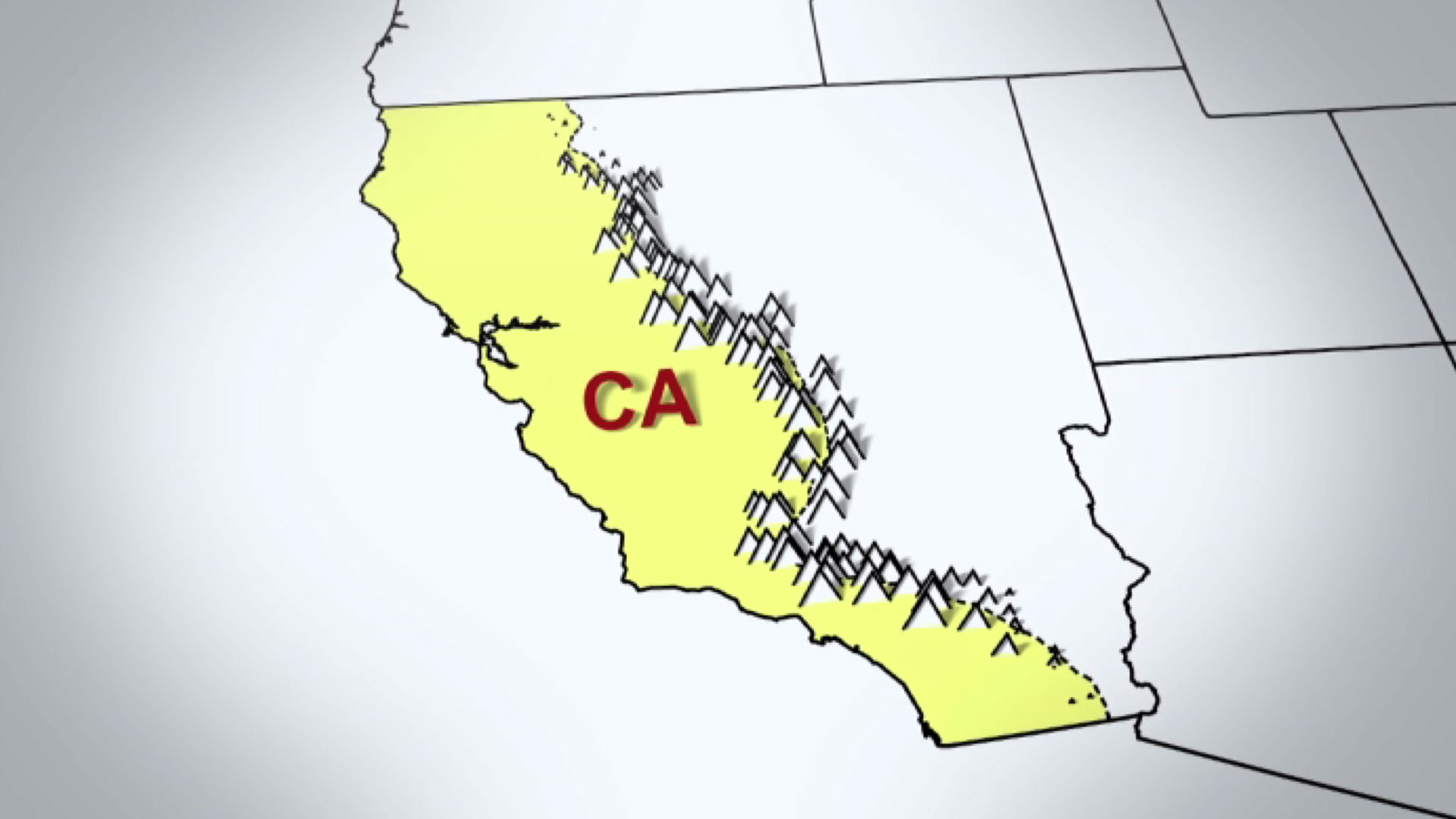
The constitution they produced was notable for several reasons. It prohibited slavery within the state, a decision that would have significant national repercussions. It defined the state’s boundaries and established a system of government with executive, legislative, and judicial branches. This swift and decisive action demonstrated the determination of California’s residents to establish a stable and self-governing entity. Monterey, with its historic Old Custom House and beautiful bay, remains a popular destination for those interested in California’s founding. Visitors can stay in charming waterfront hotels or historic inns, experiencing the tranquil beauty that belies its dramatic past.
September 9, 1850: California Joins the Union
The path to statehood was not without its national hurdles. California’s desire to enter the United States as a free state threatened to upset the delicate balance between free and slave states in Congress, intensifying the sectional crisis that would eventually lead to the Civil War.
The Compromise of 1850: A Nation Divided, A State United
California’s petition for statehood became a central component of the Compromise of 1850, a series of legislative measures designed to address the escalating tensions over slavery and territorial expansion. Orchestrated by key figures in Congress, this compromise involved several provisions:
- California was admitted as a free state.
- The territories of New Mexico and Utah were organized without immediate restrictions on slavery, allowing popular sovereignty to decide their status later.
- The slave trade (though not slavery itself) was abolished in Washington D.C.
- A stricter Fugitive Slave Act was enacted.
- Texas received financial compensation for ceding some of its western land claims.
After intense debate, the Compromise of 1850 passed Congress. On September 9, 1850, President Millard Fillmore signed the bill admitting California to the United States as a free state. This act was celebrated with fervent enthusiasm in California, whose citizens had been living under an interim military government and were eager for the stability and rights afforded by statehood. The news, traveling slowly by sea and land, reached California weeks later, sparking widespread celebrations in cities like San Francisco and the new state capital, San José.
Immediate Impact and Future Trajectory
The admission of California had an immediate and profound impact. It provided legal and administrative frameworks necessary for its booming population. The establishment of a state government allowed for the development of public education, infrastructure, and a formal judicial system. Sacramento soon became the permanent state capital, a city that today thrives as a hub for government and tourism, with its historic Old Sacramento Waterfront district drawing visitors to its Gold Rush-era charm and riverboat experiences.
California’s vast gold wealth flowed into the national economy, helping to finance industrial expansion and further cementing the United States’ position as a global power. The state’s unique position on the Pacific Rim also fostered trade and cultural exchange with Asia and beyond, shaping its diverse demographic makeup and cosmopolitan lifestyle. From humble mining camps to thriving metropolises, California’s rapid growth and development post-1850 set it on an irreversible course towards becoming one of the most influential states in the United States.
California’s Enduring Legacy: A Blend of History and Modern Allure
The historical events surrounding California’s statehood are not just chapters in a history book; they are the bedrock upon which its modern identity is built. This rich past continues to inform its vibrant travel and tourism industry, offering visitors a unique blend of historical exploration and contemporary experiences.
Historical Sites and Modern Tourism
Today, California beckons millions of travelers eager to explore its history and natural wonders. The legacy of its journey to statehood is visible across the state. In San Francisco, a city transformed by the Gold Rush and its strategic bay, visitors can explore historic districts, visit the Old Mint, or take a ferry past Alcatraz Island, remnants of its dynamic past. The city offers a vast array of hotels, from luxurious suites like those at The St. Regis San Francisco to charming boutique hotels in historic neighborhoods, catering to every lifestyle and budget.
The Gold Country itself remains a popular destination. State Historic Parks like Columbia State Historic Park offer immersive experiences, where visitors can pan for gold, ride stagecoaches, and wander through authentically preserved 19th-century towns. Many small towns in this region boast historic inns and bed & breakfasts, such as the historic National Hotel in Jamestown, allowing travelers to literally sleep in history. These locations often provide local culture and food activities that deepen the historical understanding, making them perfect for family trips and history enthusiasts alike.
Further south, the California Missions trail stretches from San Diego to Sonoma, offering a serene journey through Spanish colonial history. Each mission is a unique landmark, reflecting different architectural styles and local histories, serving as a reminder of the earlier foundational period of the state.
Experiencing California Today: Travel, Accommodation, and Lifestyle
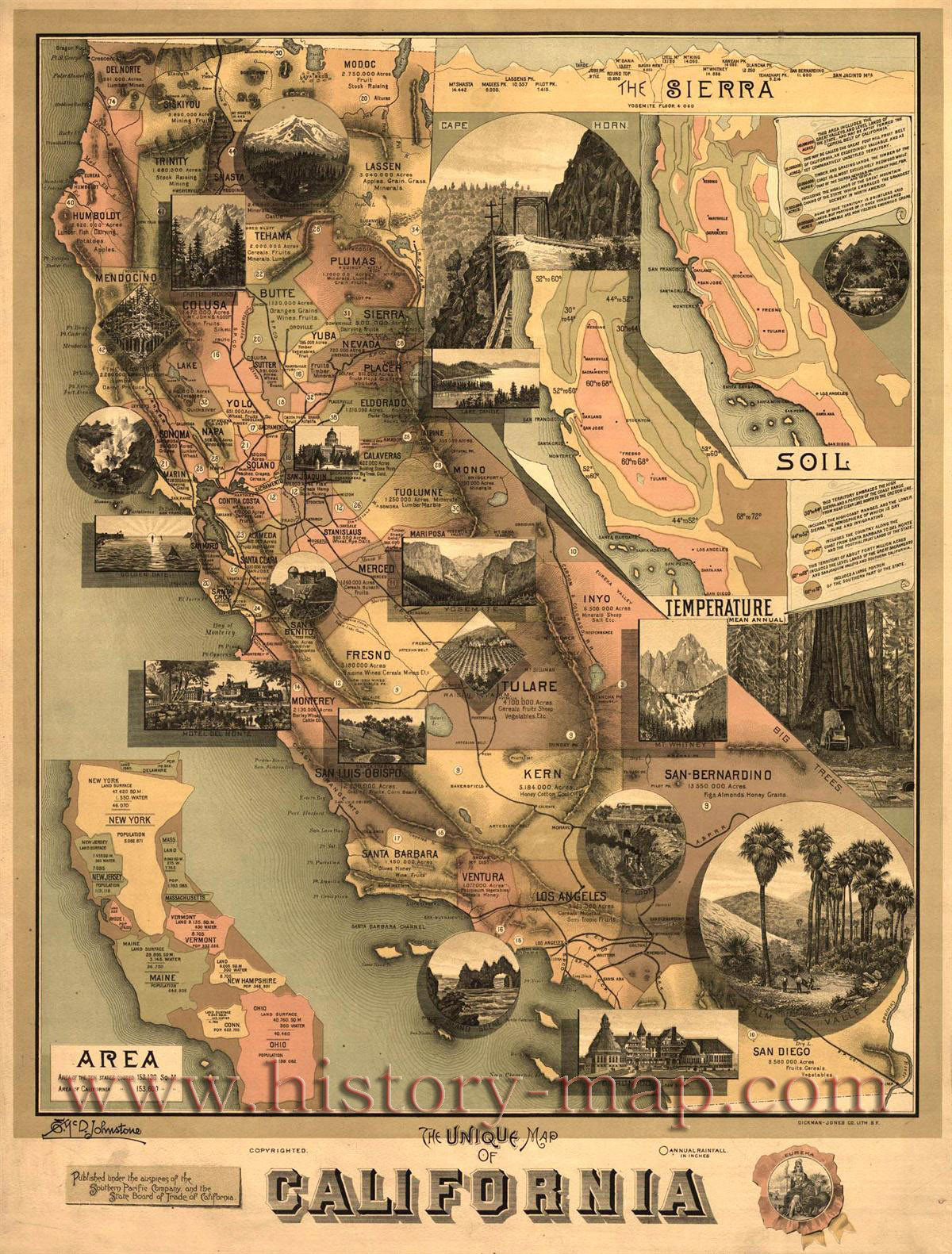
California’s journey to statehood imbued it with a spirit of innovation, diversity, and an unyielding pursuit of the future, all while cherishing its past. This ethos is reflected in its modern tourism landscape. Whether one seeks luxury travel in Beverly Hills with its world-class resorts and villas, a budget travel adventure exploring the stunning natural beauty of Yosemite National Park (where iconic hotels like the Ahwahnee Hotel offer historic grandeur), or a blend of history and modernity in cities like Sacramento and Monterey, California delivers.
The state’s historical trajectory, from a remote outpost to a global economic and cultural powerhouse, also shaped its business landscape. Regions like Silicon Valley, while not directly linked to the Gold Rush by gold, embody the same pioneering spirit, attracting business stays to state-of-the-art suites and conference hotels. The confluence of history, natural beauty, and modern amenities makes California an unparalleled destination. Its admission on September 9, 1850, was not just a date on a calendar, but the moment a diverse, dynamic, and dream-chasing territory was officially recognized as a pivotal part of the United States, forever changing its own destiny and contributing indelibly to the American story. From historical landmarks to contemporary luxury resorts, California continues to invite exploration, offering a unique mosaic of past and present to every traveler.
LifeOutOfTheBox is a participant in the Amazon Services LLC Associates Program, an affiliate advertising program designed to provide a means for sites to earn advertising fees by advertising and linking to Amazon.com. Amazon, the Amazon logo, AmazonSupply, and the AmazonSupply logo are trademarks of Amazon.com, Inc. or its affiliates. As an Amazon Associate we earn affiliate commissions from qualifying purchases.