
The question “Is Cecil Hotel closed?” reverberates with a peculiar blend of curiosity and morbid fascination, much like the legendary establishment itself. For decades, the Cecil Hotel in Downtown Los Angeles has been more than just a place of accommodation; it’s been a landmark woven into the fabric of urban legend, a macabre attraction for those drawn to its dark history. The short answer to whether it’s closed is nuanced: no, it’s not permanently closed, but its doors no longer welcome traditional tourists or general travelers seeking a typical hotel stay. Instead, after years of closure and extensive renovations, the Cecil Hotel has reopened with a profoundly different purpose, transforming from a notorious budget hotel into an innovative solution for affordable housing.

This transformation marks a significant pivot for a property that once symbolized the darker underbelly of Los Angeles. For many, the Cecil Hotel represented a specific type of travel experience – one marked by affordability, grit, and proximity to the vibrant, if sometimes chaotic, energy of the city’s core. Its saga is a compelling narrative of urban decay, rebranding attempts, and ultimately, a socially conscious metamorphosis. To truly understand its current status, one must delve into its storied past, the reasons for its closure, and the vision behind its ambitious rebirth.
A Century of Stories: The Cecil Hotel’s Infamous Legacy
Opened in 1924, the Cecil Hotel was initially envisioned as a beacon of elegance, a grand hotel for business travelers and tourists eager to experience the booming metropolis of Los Angeles. With 700 rooms, a lavish lobby, and a prime location, it offered an enticing blend of luxury and convenience, positioned to capitalize on the city’s burgeoning tourism industry. However, its trajectory took a dramatic downturn as the decades unfolded, eventually earning it a reputation as one of the most haunted and infamous hotels in the United States.
From Grandeur to Grisly: Early Years and Decline
The roaring twenties saw the Cecil Hotel thrive, attracting a diverse clientele. But the onset of the Great Depression delivered a crippling blow, impacting the travel and hospitality industry nationwide. The hotel, like many others, struggled to maintain its upscale image and began to offer more budget-friendly accommodation options. Its proximity to what would eventually become Skid Row, an area synonymous with homelessness and urban blight, further contributed to its decline. The grand aspirations of its early days slowly eroded, replaced by a grim reality.
As the years passed, the Cecil Hotel became associated with a growing number of unsettling incidents. Suicides became tragically frequent, with guests jumping from its windows, sometimes landing on unsuspecting pedestrians below. Unexplained deaths, violent crimes, and reports of paranormal activity began to circulate, cementing its reputation as a place where dark events unfolded. These macabre occurrences, while attracting a certain type of “dark tourism” enthusiast, repelled the mainstream traveler, making it an increasingly challenging destination for a pleasant stay. The once-pristine amenities deteriorated, and the hotel became a last resort for many, a far cry from its intended luxury lifestyle offering.
The Dark Chapter: Serial Killers and Paranormal Claims
The Cecil Hotel’s notoriety reached its peak with its association with some of America’s most infamous serial killers. Richard Ramirez, the “Night Stalker,” reportedly resided at the hotel for a period in the mid-1980s, committing heinous crimes across California while using the Cecil as his base. Legend has it that he would dispose of his bloody clothes in the hotel’s dumpster and walk through the lobby unnoticed, often covered in blood, given the general disarray and transient nature of the hotel’s long-term residents and guests. Later, Austrian serial killer Jack Unterweger also stayed at the Cecil Hotel in 1991, during which time he murdered several prostitutes in the Los Angeles area.
These chilling connections only amplified the hotel’s reputation as a haunted hotspot. Stories of ghostly apparitions, unexplained noises, and a pervasive sense of dread became common among staff and guests. The hotel’s dark ambiance and unsettling history made it a favorite subject for paranormal investigators and inspired various works of fiction, most notably influencing the fifth season of the popular television series “American Horror Story: Hotel.” For travelers interested in the macabre or unique historical attractions, the Cecil Hotel became an undeniable, albeit grim, landmark, offering a chilling experience unlike any other. However, for those seeking comfortable accommodation or a typical family trip, it was firmly off the list.
The Elisa Lam Case: A Catalyst for Change
While the Cecil Hotel already held a notorious place in public consciousness, it was the tragic and perplexing case of Elisa Lam in 2013 that truly brought it into the global spotlight and became a definitive turning point for the establishment. A 21-year-old Canadian student on a solo trip across the United States, Lam disappeared from the hotel, prompting a massive search. Her mysterious disappearance culminated in the discovery of her body weeks later in one of the hotel’s rooftop water tanks after guests complained of unusual water pressure and taste.
The case gained unprecedented international media attention, largely due to a surreal surveillance video released by the Los Angeles Police Department. The footage showed Lam behaving erratically in the hotel’s elevator, appearing to hide from someone or something unseen, gesturing wildly, and seemingly attempting to operate the elevator buttons before walking away. This cryptic video fueled countless conspiracy theories, ranging from foul play to supernatural intervention, and became a viral phenomenon.
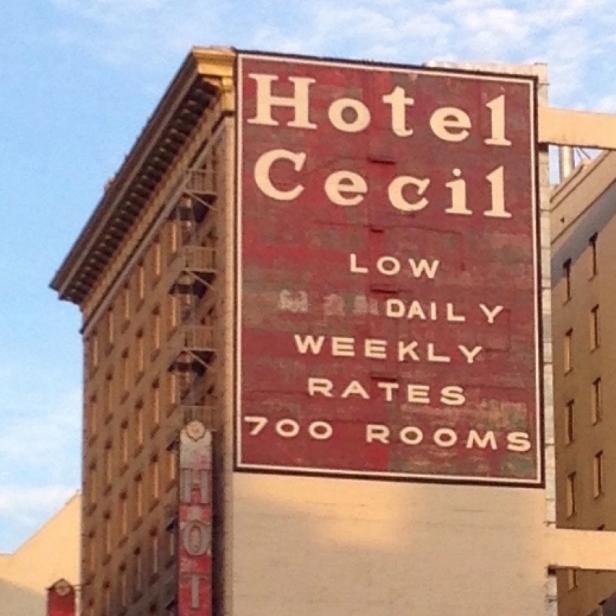
The Elisa Lam case cemented the Cecil Hotel’s image as a place of inexplicable horrors. It highlighted the property’s systemic issues, including security lapses and questionable living conditions, which were far from the standards expected of modern hotels. The intense scrutiny and negative publicity surrounding the case made it abundantly clear that the hotel’s existing business model as a budget accommodation option was no longer sustainable. It became evident that a radical change was needed if the landmark building were to shed its haunted past and find a new purpose, moving beyond its role as a macabre tourist attraction.
Transformation and Rebirth: The Stay on Main and Hotel Cecil Era
Even before the Elisa Lam tragedy, efforts had been made to rehabilitate the Cecil Hotel’s image. In 2011, a portion of the hotel was rebranded as Stay on Main, operating with a separate entrance and a more contemporary, hostel-like vibe. This initiative aimed to attract a new generation of budget travelers, offering a stark contrast to the dilapidated, long-term residential sections of the Hotel Cecil. Stay on Main sought to distance itself from the darker history, providing cleaner, more modern rooms and amenities for tourists and backpackers exploring Los Angeles. However, the underlying reputation of the building remained a formidable challenge for even the most savvy tourism efforts.
Despite the rebranding attempts, the shadow of the Cecil Hotel’s past proved difficult to escape. By 2014, Richard Born, a New York hotelier known for his boutique properties, acquired the leasehold for the Cecil Hotel. His vision was to restore the historic building to its former glory, transforming it into a chic, upscale boutique hotel that would appeal to the luxury travel market, or at least a more discerning clientele. This ambitious plan necessitated a complete closure of the entire property in 2017 to undergo a multi-million dollar renovation. The goal was to strip away the layers of neglect and dark history, introducing modern comforts, redesigned interiors, and a fresh identity that would finally allow it to thrive as a viable accommodation option in Downtown LA’s revitalization.
The renovation project, overseen by Simon Baron Development and managed by Journal Hotels, was extensive. It involved gutting interiors, updating infrastructure, and addressing the structural and aesthetic issues that had accumulated over decades. The aim was not just a facelift but a comprehensive reimagining of the space, striving to create an environment that would erase the haunting memories and attract a new type of guest. While the initial plan was to reopen as a contemporary hotel, the evolving urban landscape and the pressing need for social solutions in Los Angeles would eventually steer the project in an entirely different, yet equally impactful, direction.
The New Cecil Hotel: A Modern Accommodation Option?
The answer to whether the Cecil Hotel is “closed” hinges entirely on one’s definition of “hotel.” While it is certainly not operating as a traditional lodging establishment, it is very much open and serving a critical function within the Los Angeles community. Its transformation represents a significant shift in purpose, a reflection of changing urban needs and the innovative ways historic landmarks can be repurposed.
Reopening and Current Status
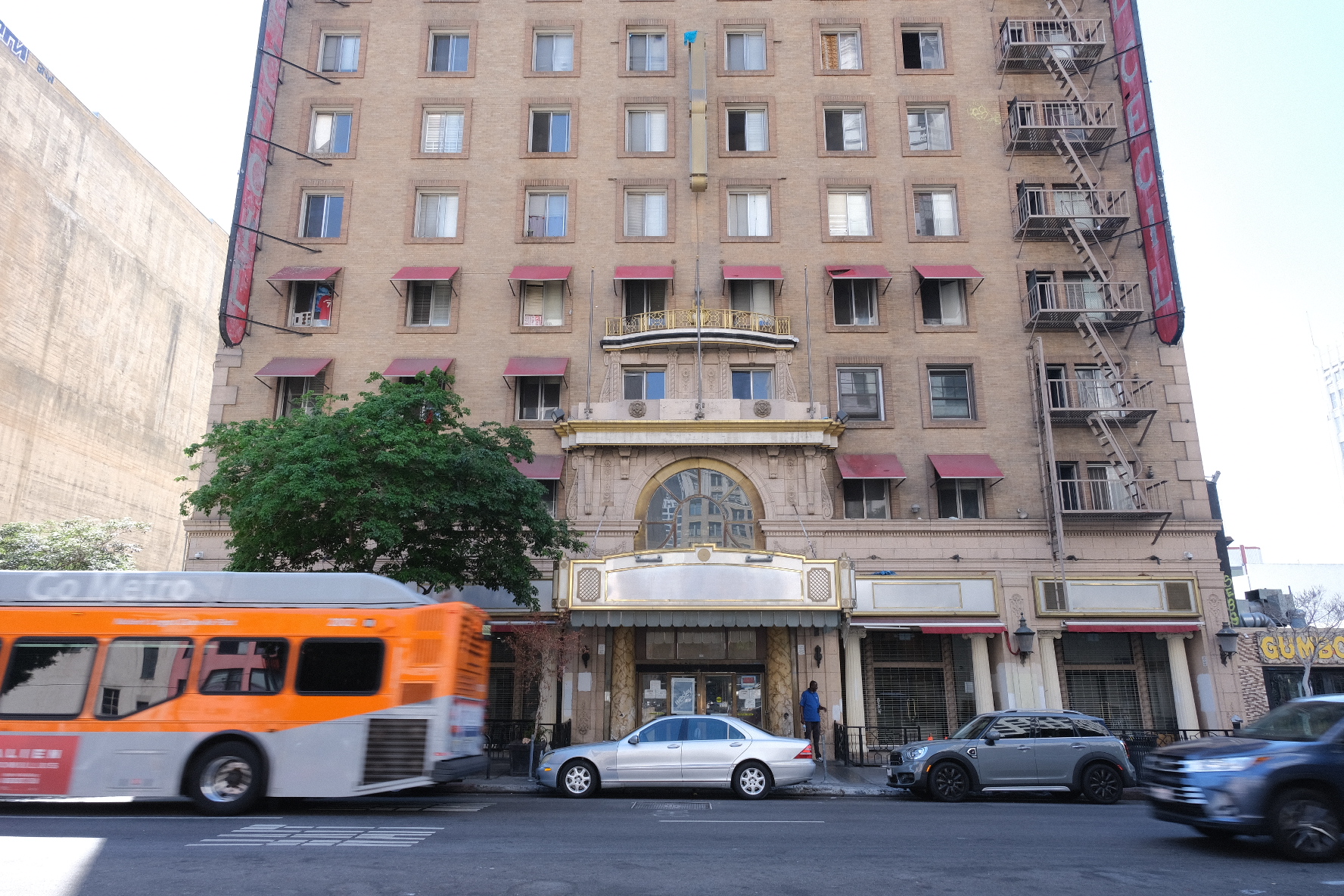
After years of closure for its massive renovation, the Cecil Hotel officially reopened its doors in December 2021. However, it did not return as a hotel for tourists or travelers. Instead, it embarked on a groundbreaking partnership with the Housing Authority of the City of Los Angeles (HACLA). Under this initiative, the entire building was converted into affordable housing units, primarily offering permanent supportive housing to individuals experiencing homelessness.
This decision pivoted from the original plan of re-establishing the Cecil Hotel as a commercial hotel property. The renovated structure now provides safe, dignified, and stable long-term accommodation for hundreds of residents. The rooms, once rented nightly to a transient population, are now individual apartments, complete with basic amenities, fostering a sense of community and stability. This new chapter for the Cecil Hotel is a powerful example of adaptive reuse, where a building notorious for its dark past is now contributing positively to addressing one of Los Angeles’s most pressing social issues – homelessness.
What This Means for Travelers and Tourists
For those planning a trip to Los Angeles and hoping to book a stay at the infamous Cecil Hotel, the current reality is that it is no longer an option for leisure travel or short-term accommodation. You cannot make a reservation, seek a tour of the interior, or experience its former hotel amenities. The building is now a residential community, focused on its residents’ well-being and privacy.
However, the Cecil Hotel undeniably remains a significant landmark and a point of interest for its historical and cultural impact. For travelers interested in urban history, architecture, or even the phenomenon of “dark tourism,” the exterior of the building still stands as a powerful symbol. Its presence in Downtown Los Angeles continues to draw curious onlookers who wish to glimpse the site of so many legends. While you can’t stay there, exploring the vibrant, rapidly evolving Downtown LA area offers numerous other hotels, attractions, and cultural experiences. From luxury suites to boutique hotels and various resorts, Downtown Los Angeles boasts a plethora of accommodation choices that cater to every type of lifestyle and travel budget. Travelers can find detailed guides to other historical landmarks, exciting activities, and exquisite local cuisine in the surrounding area, ensuring a memorable and comfortable visit without directly engaging with the Cecil Hotel’s residential transformation.
In conclusion, the Cecil Hotel is neither “closed” nor a functioning hotel in the traditional sense. It has undergone a profound metamorphosis, shedding its infamous past as a site of mystery and tragedy to embrace a new role as a beacon of hope and stability. This iconic Los Angeles landmark has found a remarkable new lease on life, transforming from a notorious accommodation choice into a vital resource for the community. While its doors are no longer open for nightly bookings, its story continues, now as a testament to resilience and social responsibility, leaving its dark chapter behind and forging a path toward a brighter future.
LifeOutOfTheBox is a participant in the Amazon Services LLC Associates Program, an affiliate advertising program designed to provide a means for sites to earn advertising fees by advertising and linking to Amazon.com. Amazon, the Amazon logo, AmazonSupply, and the AmazonSupply logo are trademarks of Amazon.com, Inc. or its affiliates. As an Amazon Associate we earn affiliate commissions from qualifying purchases.